Find the Best Grease Trap Cleaning Companies for Your Business
No obligation • Fast responses • Nationwide coverage

Why you can trust Restaurant Waste Disposal
Restaurant Waste Disposal is a leading U.S. resource for comparing restaurant composting, food-waste recycling, grease trap cleaning, and used cooking oil collection services. Our editorial team researches providers, checks credentials, and organizes unbiased information so operators can make informed decisions. Companies cannot pay to change ratings or placement.
Search providers near you
Top Grease Trap Cleaning Companies in Kansas City, Missouri Ranked
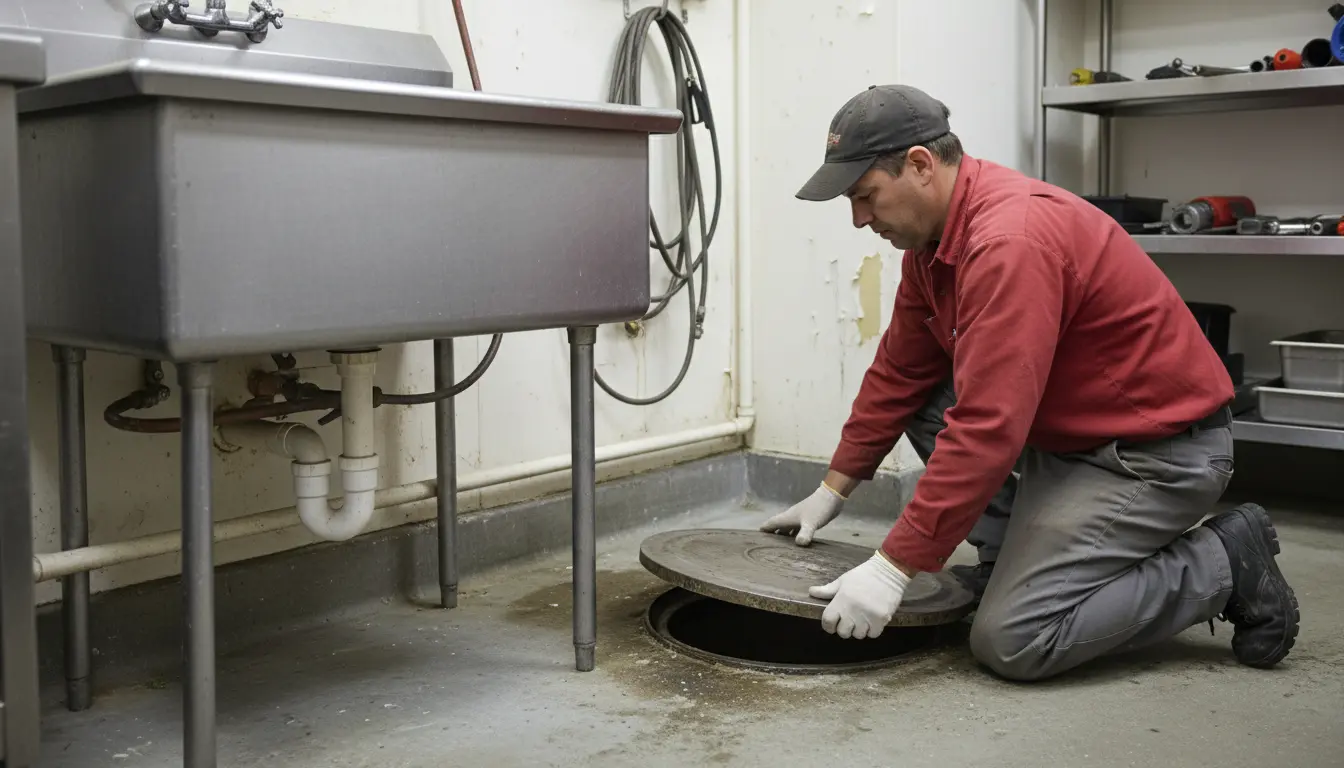
For any restaurant or food service facility in Kansas City, proper grease interceptor maintenance is not just a best practice-it's a legal requirement enforced by KC Water to protect the city's sewer system. Fats, oils, and grease (FOG) from commercial kitchens are a leading cause of sewer blockages and costly backups. A well-managed grease trap cleaning schedule is your first line of defense, ensuring compliance, preventing emergencies, and keeping your kitchen running smoothly. Local regulations mandate that all establishments with food preparation or dishwashing must have a properly sized grease interceptor and adhere to a strict pumping schedule, with detailed record-keeping for inspections. By understanding the local rules and partnering with a reliable service provider, you can turn this essential task into a routine part of your operational success.
Roto-Rooter Plumbing & Water Cleanup
4600 Kansas Ave Ste A, Kansas City, KS 66106
Roto-Rooter Plumbing & Water Cleanup provides comprehensive plumbing services in Kansas City, MO. They handle a wide range of residential and commercial plumbing needs, including drain cleaning, sewer line repair, water heater maintenance, and grease trap cleaning. Their team is equipped to manage both historic and modern plumbing systems, offering specialized services such as floodwater cleanup, mold remediation, and hydro-jetting. With 24/7 emergency availability, Roto-Rooter ensures assistance is accessible at any time for urgent plumbing issues. The company has a long-standing history in plumbing innovation, originating with the invention of the motorized drain snake in 1935.
Honey-Wagon Septic And Grease
19546 Metcalf Ave c, Stilwell, KS 66085
Honey-Wagon Septic And Grease is a family-owned company based near Kansas City, MO, specializing in septic tank pumping and grease trap cleaning. With nearly 40 years of experience, they serve residential and commercial customers across Miami, Wyandotte, and Johnson counties in Kansas, as well as Jackson and Cass counties in Missouri. Their certified septic inspectors are available five days a week to assist with inspections and maintenance. The company is fully licensed, bonded, and insured, offering premium commercial-grade maintenance products at their Stilwell office.
A-1 Sewer & Septic
1891 Merriam Ln, Kansas City, KS 66106
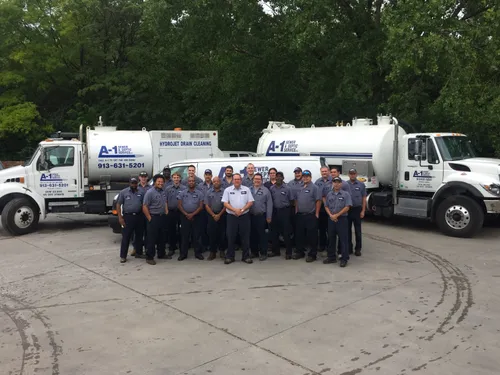
A-1 Sewer & Septic is a family-owned plumbing and septic service provider based in Kansas City, MO. They offer a wide range of services including plumbing repairs, septic tank pumping and repair, grease trap pumping, and expert sewer and drain cleaning using methods like hydro jetting. Serving residential, commercial, and industrial properties, A-1 has been operating since 1968 and provides same-day emergency and weekend services to address urgent plumbing needs.
Zoom Drain KC
5600 NE Antioch Rd Suite 106, Kansas City, MO 64119
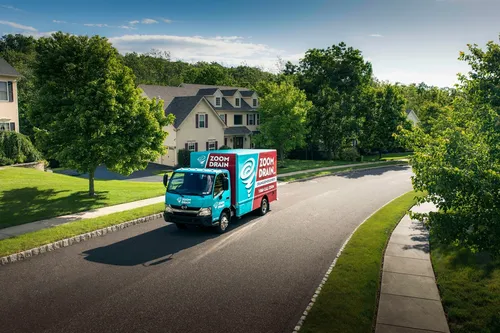
Zoom Drain KC is a drain and sewer cleaning specialist based in Kansas City, MO. They provide residential and commercial services, including grease trap cleaning, rooter service, high-pressure jetting, and video inspections. With decades of experience, Zoom Drain KC uses advanced tools and eco-friendly products to address drain blockages and maintain plumbing systems. They offer customizable maintenance plans and 24/7 emergency service to support customers in Kansas City and surrounding areas.
H & H Septic Service, Inc
13325 N Silver Ridge Dr, Platte City, MO 64079
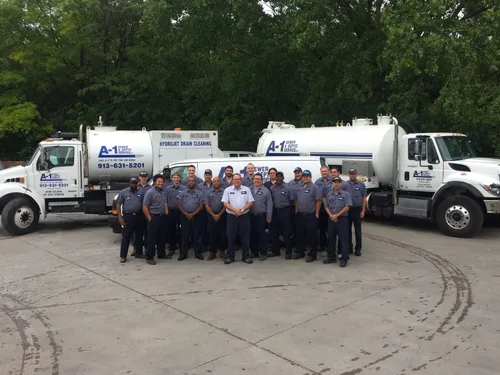
H & H Septic Service, Inc is a grease trap cleaning company serving Kansas City, MO. They offer a wide range of septic tank and grease trap services, equipped to handle jobs of any size or difficulty. With many years of experience, they address septic problems efficiently to prevent emergencies.
Understanding Kansas City's FOG Regulations
Kansas City's municipal code, specifically under the oversight of KC Water, has clear ordinances for the control of fats, oils, and grease. The primary goal is to prevent these substances from entering the public sewer system, where they can cool, solidify, and create massive blockages. Compliance is not optional; it's a condition of doing business for any facility that generates FOG.
Key Regulatory Requirements:
- Mandatory Interceptors: Every food service establishment must have a properly sized and permitted grease interceptor (or grease trap) installed on all drains that carry wastewater from food preparation, cooking, warewashing, and floor cleaning 1.
- Pumping Frequency: The base requirement is to have your interceptor pumped and completely cleaned at least every 90 days (quarterly). However, this is a minimum. High-volume kitchens, those with older equipment, or establishments with a history of issues may need monthly service. The frequency can only be extended if you can provide documented proof-like waste volume reports from your hauler-that less frequent pumping is sufficient.
- Complete Waste Removal: The law requires "complete removal of all contents," including the floating scum layer, settled solids, and the wastewater itself 2 3. A practice known as "decanting," where only the solids are removed and some greasy water is returned to the trap to reduce disposal costs, is strictly prohibited in Kansas City.
- Proper Disposal: All collected FOG waste must be transported and disposed of at a licensed facility, such as a wastewater treatment plant or rendering facility, by your licensed hauler.
The Critical Role of Record-Keeping and Inspections
Your grease trap maintenance logs are your proof of compliance. KC Water inspectors can request to see these records at any time to verify that you are adhering to the pumping schedule and proper maintenance procedures 4. Failing to produce these records can result in violations just as easily as a clogged trap.
What to Document:
- Service Logbook: Maintain a dedicated log at your facility. After each service, the hauler should record the date, the company name, the volume of waste removed, the disposal facility used, and the signature of the service technician.
- Invoices and Receipts: File all paid invoices from your grease trap cleaning service. These are crucial financial records that also serve as proof of service.
- Photographic Evidence: Some providers offer before-and-after photos. Keeping these with your records provides visual proof of a thorough cleaning.
Signs that your system is in trouble and may attract inspector attention include persistent foul odors coming from drains, consistently slow-draining sinks, or actual backups in your kitchen 5 6. Proactive, scheduled maintenance is designed to prevent these red flags entirely.
Find the perfect grease trap cleaning companies for your needs
Get personalized recommendations and expert advice
Cost Expectations for Grease Interceptor Service in KC
Understanding the cost structure for grease trap pumping helps in budgeting and underscores the value of preventative care. Prices can vary based on the size of your interceptor, its location, and how easily it can be accessed.
- Routine Pumping Service: For a standard quarterly pump-out and cleaning in the Kansas City area, restaurants can typically expect to pay between $250 and $400 per service 7. This is the cost of scheduled, preventative maintenance.
- Emergency Service Costs: If you skip regular maintenance and experience a backup or receive a violation notice requiring immediate service, costs escalate dramatically. Emergency or after-hours calls can easily range from $800 to $1,200 or more 8 9. The premium is for the immediate response, the higher likelihood of a severe clog, and the potential for additional plumbing work.
- The Prevention Payoff: The math is clear: investing in regular, scheduled cleanings is far more economical than reacting to an emergency. It also avoids the potential costs of fines from KC Water, lost business during a kitchen shutdown, and damage to your plumbing infrastructure.
Choosing a Service Provider and Best Practices
Selecting a reliable, licensed grease trap cleaning company is a key business decision. Look for providers familiar with Kansas City's specific codes and inspection requirements. Local companies like Honey-Wagon, Zoom Drain, and The Plumbing Pro offer these specialized services in the KC metro area 10 11.
Beyond professional pumping, your daily kitchen practices have a huge impact on your grease trap's performance and longevity.
Essential Kitchen Best Practices:
- Scrape, Then Wash: Always scrape food scraps and grease from plates, pots, and pans into the trash before rinsing them in the sink.
- Never Pour FOG Down the Drain: Collect used fryer oil, cooking grease, and pan drippings in a dedicated container for recycling or proper disposal. Pouring it down the drain, even with hot water, guarantees it will solidify in your pipes or interceptor.
- Dry Wipe Fry Stations: Use a paper towel or scraper to remove excess grease from fryer baskets, filters, and hoods before the final wash.
- Consider Bacterial Additives: While not a substitute for physical pumping, specially formulated bacterial or enzyme treatments can help break down FOG between professional cleanings, reducing odors and maintaining flow 12. Ensure any product used is approved for municipal sewer systems.
A comprehensive approach-combining diligent daily habits, a partnership with a trusted professional service, and meticulous record-keeping-is the most effective strategy for managing your restaurant's grease interceptor in Kansas City.
Frequently asked questions
Sources
Footnotes
-
Grease Interceptor Design Requirements | Johnson County Kansas - https://www.jocogov.org/department/wastewater/developers-engineers-contractors/regulations/grease-interceptor-design-requirements ↩
-
Grease Trap Cleaning and Collection Services in Kansas City - https://www.honey-wagonkc.com/services/grease-trap-cleaning.html ↩
-
Article 9. Control of Fats, Oils, and Grease in Food Service ... - https://haysvilleks.citycode.net/artiContOfFatsOilsAndGreaInFoodS.htm ↩
-
Restaurants Fats, Oils, and Grease - KC Water - https://www.kcwater.us/programs/restuarants-fog/ ↩
-
The Ultimate Guide to Restaurant Grease Trap Cleaning: Smart Solutions for Commercial Kitchens - Mokher Plumbing - https://mokherplumbing.com/ultimate-guide-restaurant-grease-trap-cleaning/ ↩
-
Choosing the Right Grease Trap Cleaning and Pump Service - https://www.fcs-inc.org/choosing-the-right-grease-trap-cleaning-and-pump-service/ ↩
-
Restaurant Grease Trap Cleaning FAQs - Mahoney Environmental - https://www.mahoneyes.com/restaurant-grease-trap-cleaning-faqs/ ↩
-
Grease Trap Regulations and Compliance: What You Need to Know - https://www.texwaywastewater.com/grease-trap-regulations-and-compliance/ ↩
-
Ultimate Grease Trap Pumping Cost Guide: Essential Money-Saving ... - https://www.texwaywastewater.com/grease-trap-pumping-cost/ ↩
-
grease trap services in kansas city - Zoom Drain - https://www.zoomdrain.com/kansas-city/commercial-service/grease-trap-services/ ↩
-
Commercial Grease Trap Installation - ThePlumbingPro.Com - https://theplumbingpro.com/commercial-grease-trap-installation/ ↩
-
Restaurant Grease Trap Cleaning Tips - A-1 Sewer & Septic Service - https://a-1sewerandsepticservice.com/about-restaurant-grease-grease-traps/ ↩