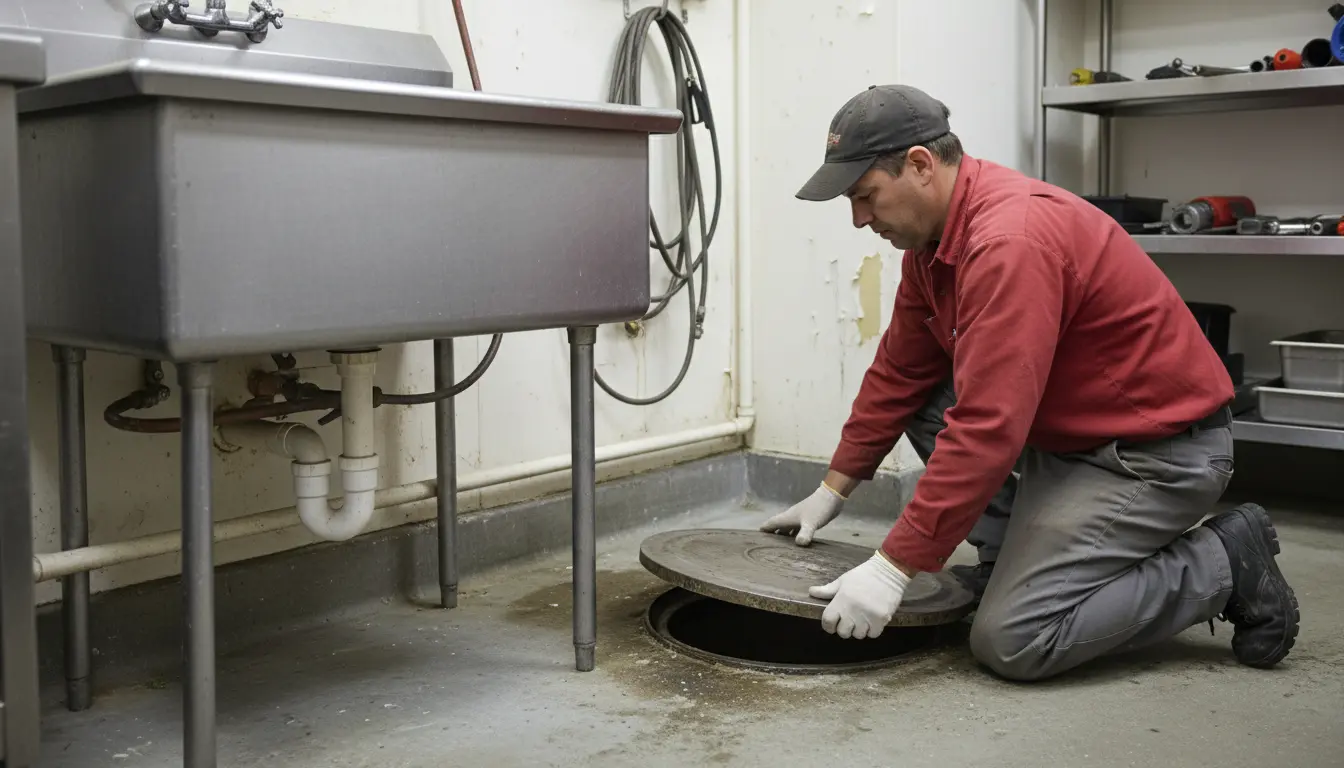
Find the Best Grease Trap Cleaning Companies for Your Business
No obligation • Fast responses • Nationwide coverage

Why you can trust Restaurant Waste Disposal
Restaurant Waste Disposal is a leading U.S. resource for comparing restaurant composting, food-waste recycling, grease trap cleaning, and used cooking oil collection services. Our editorial team researches providers, checks credentials, and organizes unbiased information so operators can make informed decisions. Companies cannot pay to change ratings or placement.
Search providers near you
Top Grease Trap Cleaning Companies in Chesterfield, Missouri Ranked
For restaurant owners and kitchen managers in Chesterfield, maintaining a clean and compliant grease interceptor is a critical, non-negotiable part of daily operations. Local regulations enforced by the St. Louis Metropolitan Sewer District (MSD) and Missouri state requirements mandate a proactive approach to grease trap and grease interceptor maintenance to prevent sewer blockages and environmental issues. Effective grease management isn't just about avoiding fines; it's about ensuring a safe, efficient, and odor-free kitchen, protecting your plumbing, and contributing to the community's wastewater system health. This guide outlines the essential practices, local rules, and service considerations for keeping your establishment in full compliance.
Proper grease trap maintenance begins with understanding the specific requirements for your facility. The frequency of required pumping and cleaning is not one-size-fits-all; it is typically determined by the volume of your trap and the amount of grease your kitchen produces. For most Chesterfield food service establishments, this means scheduling professional grease interceptor cleaning every one to three months 1. High-volume kitchens, such as busy restaurants or those with significant frying operations, may require monthly service to prevent buildup and ensure optimal performance. Regular inspections, often recommended monthly for busy locations, are crucial for catching issues early before they lead to backups or compliance violations.
Roto-Rooter Plumbing & Water Cleanup
16083 Manchester Rd, Ballwin, MO 63011
Roto-Rooter Plumbing & Water Cleanup offers a wide range of plumbing services in Chesterfield, MO, including floodwater cleanup, sewer and drain cleaning, water heater repairs, and grease trap maintenance. The company serves both residential and commercial clients, providing specialized capabilities such as hydro-jetting and trenchless sewer line repairs. With a 24/7 emergency service hotline, Roto-Rooter is equipped to handle urgent plumbing needs at any time. Their experienced team also performs mold remediation and water damage cleanup to address the aftermath of plumbing issues. Serving Chesterfield and surrounding counties, Roto-Rooter combines local knowledge with advanced technology to maintain plumbing systems effectively.
Ace Grease Service
9035 IL-163, Millstadt, IL 62260
Ace Grease Service is a family-owned company based near St Louis, MO, specializing in used cooking oil collection and grease trap cleaning. With over 31 years of experience, they serve restaurants, hotels, hospitals, penal institutions, and large food manufacturing plants across nine Midwest states. Their services include collecting used cooking oil and cleaning grease traps to help keep kitchens and sewer systems free of fats, oils, and grease. Ace Grease processes and recycles the collected oil into products like plastics, soaps, livestock feed, and biodiesel fuel. They operate a fleet of advanced trucks and equipment to support their service coverage.
Dc septic & drain
31 Kniess Ct, Troy, MO 63379
Dc Septic & Drain is a septic and drain specialist serving OFallon, MO, and the St. Louis area. They provide services including septic maintenance, repairs, grease trap cleaning, water heater maintenance and installation, water leak fixes, clogged drain clearing, and sewer repair. Their skilled technicians focus on maintaining and protecting plumbing systems to ensure smooth operation for homes and businesses.
STL Grease Trap Services
St Louis, MO
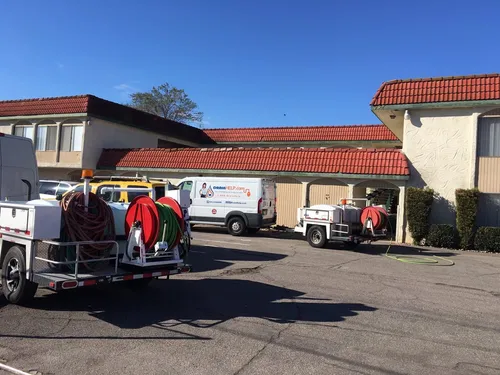
STL Grease Trap Services offers grease trap cleaning and maintenance for restaurants and commercial foodservice businesses in St Louis, MO. Their skilled technicians provide thorough cleaning, pumping, and inspection services to prevent grease buildup, clogs, and sewer backups. The company also ensures compliance with local regulations and provides detailed inspection and history reports. They use industry-standard tools for jetting and rodding clogged pipes and operate with an environmentally conscious approach by recycling grease for renewable energy. STL Grease Trap Services has over a decade of experience and offers 24/7 emergency cleanup to address urgent issues promptly.
Rooter-Man Plumbers
150 Neptune Ct, St Peters, MO 63376
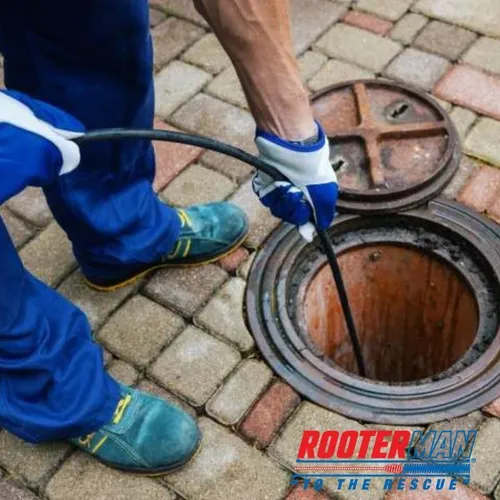
Rooter-Man Plumbers provides residential and commercial plumbing services in OFallon, MO, and the surrounding Southern Illinois area. With over 40 years of experience, they handle a wide range of plumbing needs including grease trap cleaning, sewer line repair, water heater services, and camera inspections to diagnose issues. The company offers 24/7 emergency plumbing services and is licensed, bonded, and insured, serving cities like Belleville, Edwardsville, and Collinsville.
Understanding Local Regulations and Compliance
Navigating the regulatory landscape is a key component of grease management in Chesterfield. The St. Louis MSD has strict guidelines to prevent Fats, Oils, and Grease (FOG) from entering the public sewer system, where it can solidify and cause major blockages, leading to sanitary sewer overflows. These rules are enforced through local city codes and health department inspections. Non-compliance can result in significant fines, mandatory corrective actions, and even operational shutdowns in severe cases. Therefore, partnering with a certified and knowledgeable service provider who understands MSD's reporting and documentation requirements is not just convenient-it's a strategic business decision for risk management.
The Importance of Professional Service and Proper Disposal
While some minor interior basket cleaning can be handled in-house, the full pumping and cleaning of a grease trap or interceptor is a job for certified professionals. These experts use specialized vacuum trucks to remove all contents-grease, oils, food solids, and wastewater-from the trap. Crucially, licensed providers then transport this waste to approved facilities for proper recycling or disposal, such as rendering plants or wastewater treatment centers. This chain of custody is vital for compliance; improper disposal is illegal and can lead to severe penalties. Keeping detailed service records, including invoices and waste manifests from your provider, is your best defense during an audit or inspection, proving that you've adhered to responsible disposal practices.
Best Practices for Kitchen Grease Control
Beyond scheduled pump-outs, daily and weekly best practices in your kitchen can dramatically reduce the load on your grease interceptor, potentially extending the time between services and improving overall efficiency.
- Train Your Staff: Ensure every team member understands what should and should not go down the drain. Grease, oils, and food scraps are the primary enemies.
- Use Pre-Scraping and Dry Wiping: Scrape all plates and cookware into the trash before washing. Use paper towels to wipe excess grease from pots, pans, and griddles before rinsing.
- Maintain Kitchen Grease Traps: For establishments with smaller under-sink grease interceptors, establish a routine for cleaning the internal basket or baffle. This simple step prevents immediate clogs and allows the larger exterior trap to function as designed.
- Install and Maintain Grease Recovery Devices (GRDs): Consider adding equipment like grease recovery devices to your fryer drainage system. These units capture grease at the source, reducing the amount that reaches your main trap.
Implementing these preventative measures is a cornerstone of effective restaurant grease trap maintenance, leading to a cleaner kitchen and more predictable service costs2.
Cost Considerations for Grease Interceptor Service
The cost for professional grease trap pumping in Chesterfield can vary based on several factors. A standard service typically ranges from $175 to $400 or more per cleaning3. The primary variables include:
- Trap Size and Location: Larger, underground interceptors require more labor and time to pump than smaller, accessible indoor units.
- Accessibility: Clear, unobstructed access to the trap's manhole covers can reduce service time and cost.
- Condition and Level of Neglect: A severely neglected trap that is completely full of hardened grease and solids may require hydro-jetting or additional labor to break up the contents, increasing the price.
- Service Provider and Contract: Some companies offer discounted rates for customers who sign up for regular, scheduled maintenance contracts, which can provide cost predictability and ensure consistent compliance.
While cost is a factor, the value lies in reliable, compliant service that protects your business from far greater expenses related to plumbing emergencies, fines, or reputational damage.
Find the perfect grease trap cleaning companies for your needs
Get personalized recommendations and expert advice
Consequences of Neglecting Grease Trap Maintenance
Failing to maintain your grease interceptor system carries serious consequences that extend beyond a simple plumbing bill. The most immediate risk is a kitchen drain backup, which can halt service, create unsanitary conditions, and lead to expensive emergency plumbing calls. From a regulatory standpoint, MSD and local health inspectors can issue substantial fines for violations related to grease discharge or inadequate maintenance records4. In extreme cases of repeat offenses or severe blockages that impact the public sewer, a business can face legal action or have its sewer connection permit revoked. Furthermore, the unpleasant odors from a overloaded trap can affect the dining experience and employee morale. Proactive, scheduled maintenance is the most effective strategy to mitigate all of these risks.
Choosing a Service Provider in Chesterfield
Selecting the right partner for your grease management needs is crucial. Look for a provider with a strong reputation in the Greater St. Louis area that specifically offers commercial grease trap cleaning5. Verify that they are fully licensed and insured, and ask about their disposal process to ensure it meets all MSD and environmental regulations. A reliable company should be willing to provide references from other local restaurants and offer clear, detailed invoices that serve as your proof of service. They should also be able to advise you on an optimal pumping schedule based on your specific kitchen's output and trap size, helping you stay compliant and efficient.
The Role of Record-Keeping and Documentation
In the world of grease compliance, if it isn't documented, it didn't happen. Maintaining an organized file of all grease-related services is a best practice that cannot be overstated. This file should include:
- Service reports and invoices from your pumping company.
- Waste manifests or receipts showing proper disposal.
- Records of any internal cleaning or inspections performed by your staff.
- Any correspondence or reports from MSD or health department inspections.
Having this documentation readily available demonstrates due diligence and operational responsibility, making any regulatory inspection a smooth process.
Frequently asked questions
Sources
Footnotes
-
How to Clean a Grease Trap (and How Often You Should) - https://greaseconnections.com/how-to-clean-a-grease-trap-and-how-often-you-should/ ↩
-
Restaurant Grease Trap Maintenance: Best Practices & Step ... - https://boh.ai/blog-article/restaurant-grease-trap-maintenance-a-complete-guide-for-kitchen-efficiency ↩
-
Ultimate Grease Trap Pumping Cost Guide: Essential Money-Saving ... - https://www.texwaywastewater.com/grease-trap-pumping-cost/ ↩
-
The Ultimate Guide to Restaurant Grease Trap Cleaning - https://mokherplumbing.com/ultimate-guide-restaurant-grease-trap-cleaning/ ↩
-
Commercial Grease Trap Cleaning | Greater St. Louis, MO - https://greasemastersllc.com/grease-traps-cleaning-and-maintenance/ ↩