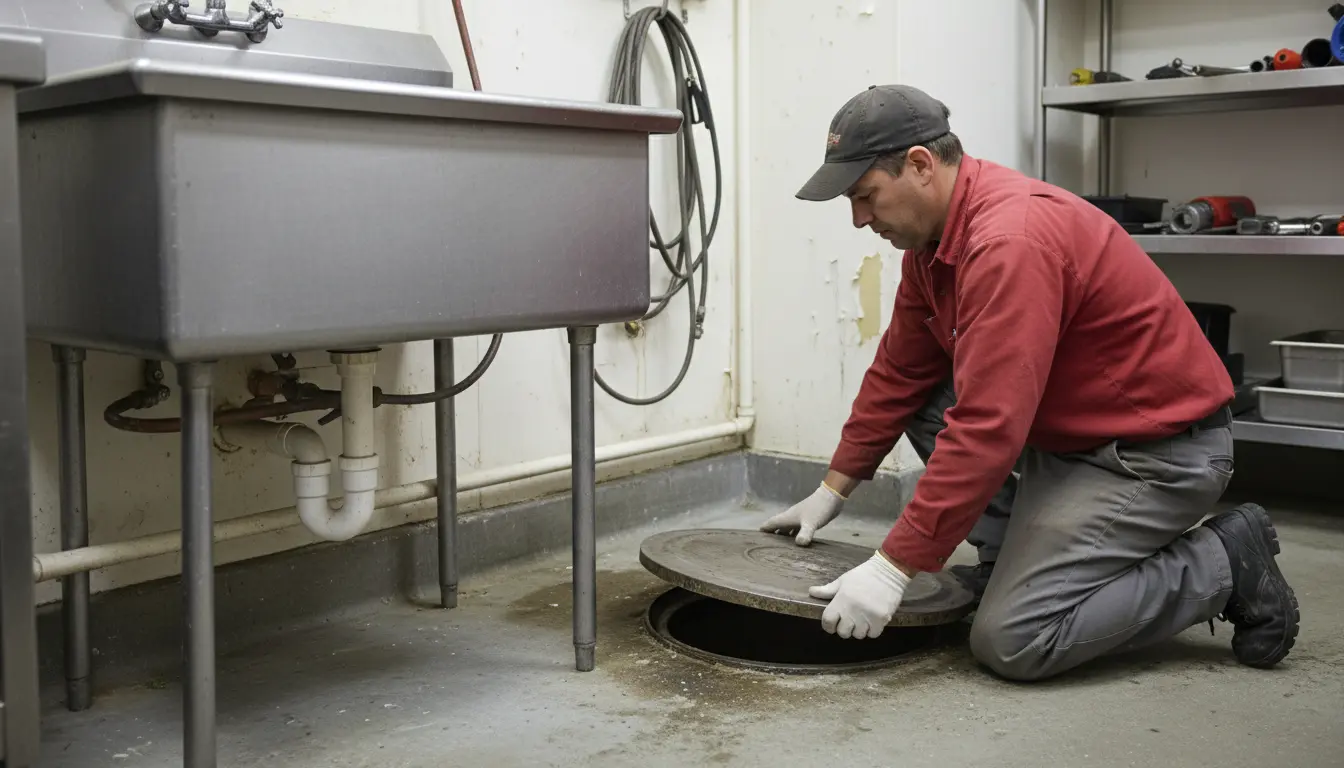
Find the Best Grease Trap Cleaning Companies for Your Business
No obligation • Fast responses • Nationwide coverage

Why you can trust Restaurant Waste Disposal
Restaurant Waste Disposal is a leading U.S. resource for comparing restaurant composting, food-waste recycling, grease trap cleaning, and used cooking oil collection services. Our editorial team researches providers, checks credentials, and organizes unbiased information so operators can make informed decisions. Companies cannot pay to change ratings or placement.
Search providers near you
Top Grease Trap Cleaning Companies in Owensboro, Kentucky Ranked
For restaurant owners and kitchen managers in Owensboro, maintaining a clean and compliant grease trap or interceptor is a critical, non-negotiable part of daily operations. It's not just about avoiding unpleasant odors; it's about adhering to strict Kentucky state plumbing codes and local health ordinances designed to protect the city's sewer infrastructure. Failure to properly maintain these systems can lead to severe blockages, environmental harm, and significant financial penalties from the local health department. This guide outlines the specific regulations, inspection schedules, and best practices for grease interceptor maintenance in Owensboro, helping you ensure your establishment operates smoothly and within the law.
Regular, professional cleaning of your grease containment system is the most effective way to prevent costly emergencies and compliance issues. In Owensboro, service frequency is typically dictated by your kitchen's volume, with high-output establishments often requiring monthly or quarterly pump-outs. Keeping detailed service records is not just a recommendation-it's a legal requirement under Kentucky law that inspectors will ask to see. By understanding the local landscape for FOG (Fats, Oils, and Grease) management, you can make informed decisions that protect your business.
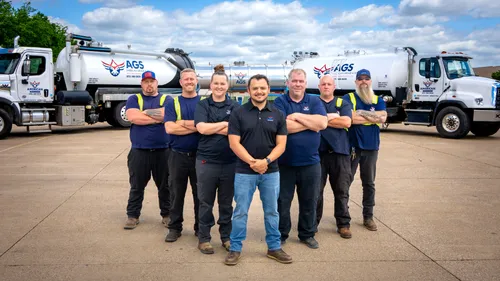
American Grease & Septic
2501 S Kentucky Ave, Evansville, IN 47714
American Grease & Septic is based in Evansville, IN, providing grease trap cleaning, used cooking oil collection, and septic system services. They offer tailored solutions for projects, businesses, and events, including luxury restroom trailers and specialty waste management. The company emphasizes environmentally safe and compliant practices and provides annual programs along with emergency response. Known for their expertise in grease trap maintenance and septic system cleaning, American Grease & Septic has built a reputation for knowledgeable and professional service.
Ohio Valley Septic & Grease Services
Owensboro, KY
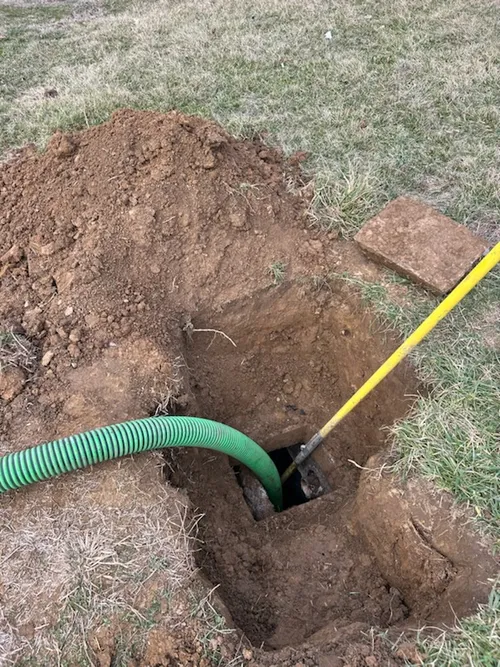
Ohio Valley Septic & Grease Services is a family-owned business located in Owensboro, KY, serving Daviess, Hancock, and McLean counties. They specialize in septic tank and grease trap cleaning services, as well as commercial and residential lift stations, package plants, and waste management solutions. Established in 2023, the company focuses on maintaining a safe and healthy environment for clients and the community.
Understanding Owensboro's Grease Trap Regulations
Owensboro food service establishments (FSEs) must comply with a combination of state and local mandates. The primary governing document is the Kentucky Plumbing Code (902 KAR 10:085), which is enforced alongside the Kentucky Building Code (KRS 198B.060). These regulations mandate proper installation, routine maintenance, and thorough documentation for all grease interceptors and traps. A key local requirement is that indoor traps must have sealed, gasketed covers and be properly vented to prevent gas buildup and contain odors.
The local City/County Health Department is the primary enforcement agency for these FOG ordinances. Their inspectors ensure that grease is not entering the public sewer system, where it can cool, solidify, and cause major blockages leading to sanitary sewer overflows. Non-compliance isn't taken lightly; consequences can include substantial fines, mandatory corrective actions, and in severe cases, the suspension of your kitchen's operating permit until the issue is resolved.
Key Compliance Requirements:
- Documentation: Maintain a detailed log of all grease interceptor cleaning, maintenance, and service. This includes receipts and reports from your service provider, which must be available for health inspectors upon request 1.
- Proper Installation: All systems must be installed according to code specifications, including appropriate sizing, sealed covers, and correct venting 2.
- Staff Training: Employees should be trained on best practices to minimize grease entering the drain, such as using sink strainers and scraping plates before washing.
Inspection Schedules and Enforcement in Owensboro
Health inspections for grease management in Owensboro are typically conducted on a risk-based schedule. Facilities are categorized as Low, Medium, or High Risk based on factors like their historical compliance, the volume of grease-producing food they prepare, and the type of food service operation.
- High-Risk Establishments: These may include high-volume restaurants, buffets, or facilities with a history of violations. They can expect more frequent inspections, potentially on a semi-annual basis.
- Comprehensive Cycles: While risk dictates frequency, local authorities often aim to conduct a 100% inspection of all FSEs within a set period, such as every five years, to ensure widespread compliance.
During an inspection, an officer will typically:
- Request your maintenance and cleaning service records.
- Visually inspect the grease interceptor and its components (cover, vents, inlet/outlet).
- Check for any signs of overflow, leakage, or improper discharge.
- Assess overall kitchen practices related to grease handling.
Proactive maintenance is the best defense against a failed inspection. Waiting for a problem to become obvious-like a foul smell or slow drains-often means you are already out of compliance and risking a violation.
Cost of Professional Grease Interceptor Services
Investing in regular professional cleaning is far more economical than facing emergency repairs or regulatory fines. Service costs in the Owensboro area vary based on the size of your interceptor, its location (indoor vs. outdoor), accessibility, and the frequency of service.
- Standard Indoor Trap Cleaning: For a typical indoor grease trap, restaurants can expect to pay between $175 and $475 per cleaning 3.
- Regular Pumping Contracts: For larger, outdoor grease interceptors that require monthly or quarterly service, costs often range from $250 to $400 per service call. Many providers offer discounted rates for scheduled service contracts, which provide predictable budgeting and ensure consistent compliance 4.
- Emergency Service: If a trap overflows or causes a backup, emergency pump-out and cleaning services are significantly more expensive, potentially costing $800 to $1,200 or more per call due to after-hours rates and the urgency of the situation 5 6.
Find the perfect grease trap cleaning companies for your needs
Get personalized recommendations and expert advice
Best Practices for Restaurant Grease Management
Beyond hiring a professional service, there are several operational steps you can take to extend the life of your grease interceptor, reduce service frequency, and maintain compliance.
1. Implement a Kitchen Best Practices Program: Train all kitchen staff on proper waste disposal. This means scraping all food scraps into trash or compost bins before dishwashing, using sink strainers to catch solids, and avoiding pouring any fats, oils, or grease down the drain. Even small amounts add up quickly 7.
2. Establish a Proactive Cleaning Schedule: Don't wait for your trap to be completely full. Industry experts recommend having grease interceptors pumped and cleaned when they reach about 25% capacity 8. For a busy Owensboro restaurant, this often translates to a monthly or quarterly schedule. A professional can help you determine the optimal frequency during your initial service.
3. Choose Your Service Provider Wisely: Select a licensed, insured, and reputable local service provider. Companies familiar with Owensboro and Kentucky codes, like Wurth Brothers, can provide valuable compliance support and ensure their service meets all documentation requirements 9. Verify that they properly dispose of the collected grease and wastewater at approved facilities.
4. Maintain Impeccable Records: Create a dedicated file or digital folder for all grease interceptor-related documents. File every service receipt, work order, and inspection report. This organized record-keeping is your first line of defense during a health inspection and demonstrates a commitment to responsible operations 10.
The Risks of Non-Compliance
Ignoring grease trap maintenance carries substantial risks that can impact your business's bottom line and reputation.
- Sewer Backups and Fines: Grease that escapes into the city sewer lines can cause blockages that lead to backups in your own establishment or neighboring businesses. You can be held financially responsible for the cleanup and any fines levied by the municipal sewer authority.
- Health Department Violations: As noted, inspectors can issue fines and, in persistent cases, order a kitchen to cease operations until the grease management system is brought up to code. This means lost revenue and potential damage to your establishment's reputation 11 12.
- Increased Operational Costs: A neglected grease interceptor is less efficient, leading to more frequent plumbing issues, unpleasant odors that can deter customers, and ultimately, more expensive emergency service calls.
By viewing grease interceptor maintenance as an essential, routine part of your kitchen's operation-similar to hood cleaning or equipment servicing-you protect your investment and contribute to the proper functioning of Owensboro's public infrastructure.
Frequently asked questions
Sources
Footnotes
-
2020 Kentucky State Plumbing Law, Regulations and Code Book - https://dhbc.ky.gov/Documents/2020%20Kentucky%20Plumbing%20Law%20Regulations%20and%20Code%20Book.pdf ↩
-
2018 Kentucky Building Code - https://dhbc.ky.gov/Documents/KHBC_BuildingCode.pdf ↩
-
The Cost To Clean A Grease Trap For Restaurants - https://thegreasecompany.com/blog/greasetrapcleaningcost/ ↩
-
How Much Does a Proper Grease Trap Cleaning Cost? - https://hulseyenvironmental.com/how-much-does-a-proper-grease-trap-cleaning-partner-cost/ ↩
-
Ultimate Grease Trap Pumping Cost Guide: Essential Money ... - https://www.texwaywastewater.com/grease-trap-pumping-cost/ ↩
-
Grease Trap Cleaning Prices | Guide on the Industry Average - https://grease-cycle.com/grease-trap-pumping-cost/ ↩
-
Choosing the Right Grease Trap Cleaning and Pump Service - https://www.fcs-inc.org/choosing-the-right-grease-trap-cleaning-and-pump-service/ ↩
-
How to Clean a Grease Trap (and How Often You Should) - https://greaseconnections.com/how-to-clean-a-grease-trap-and-how-often-you-should/ ↩
-
Grease Trap Cleaning Service Western Kentucky - https://www.wurthbrothersplumbing.com/grease-trap-services ↩
-
Grease Trap Regulations and Compliance: What You Need to Know - https://www.texwaywastewater.com/grease-trap-regulations-and-compliance/ ↩
-
APPENDIX A Grease Trap and Interceptor Requirements Definitions - https://fcwsd.org/documents/728/Appendix_A_Grease_Trap_Requirements.pdf ↩
-
The Ultimate Guide to Restaurant Grease Trap Cleaning - https://mokherplumbing.com/ultimate-guide-restaurant-grease-trap-cleaning/ ↩