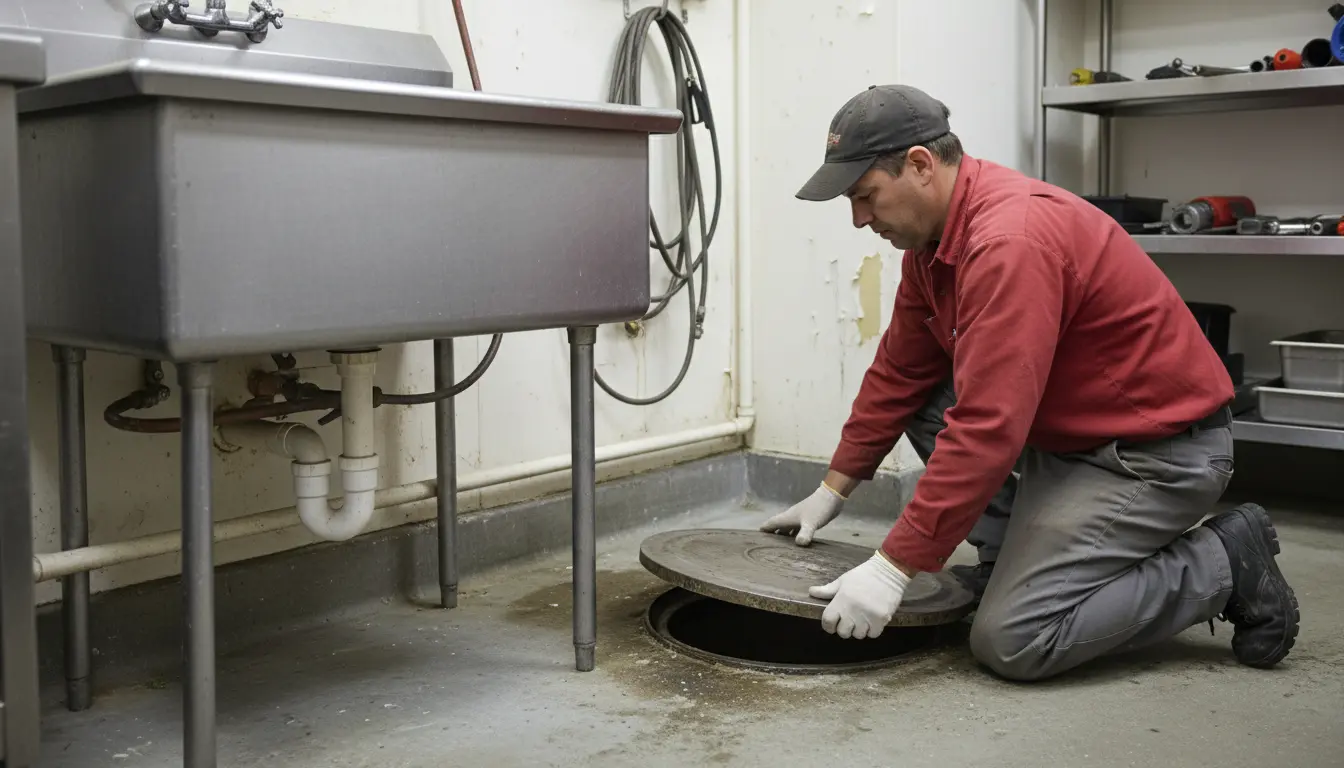
Find the Best Grease Trap Cleaning Companies for Your Business
No obligation • Fast responses • Nationwide coverage

Why you can trust Restaurant Waste Disposal
Restaurant Waste Disposal is a leading U.S. resource for comparing restaurant composting, food-waste recycling, grease trap cleaning, and used cooking oil collection services. Our editorial team researches providers, checks credentials, and organizes unbiased information so operators can make informed decisions. Companies cannot pay to change ratings or placement.
Search providers near you
Top Grease Trap Cleaning Companies in Louisville, Kentucky Ranked
For any restaurant or food service establishment in Louisville, managing fats, oils, and grease (FOG) is not just a matter of kitchen maintenance-it's a legal requirement enforced by the Louisville Metropolitan Sewer District (MSD). Proper grease interceptor and trap maintenance is critical to prevent costly sewer blockages, avoid severe fines, and ensure the smooth operation of your business. The local regulations are specific, mandating regular cleaning by approved professionals and strict adherence to the "25% Rule" to keep Louisville's sewer system flowing. Understanding and complying with these FOG control guidelines is an essential part of responsible restaurant ownership in the Derby City.
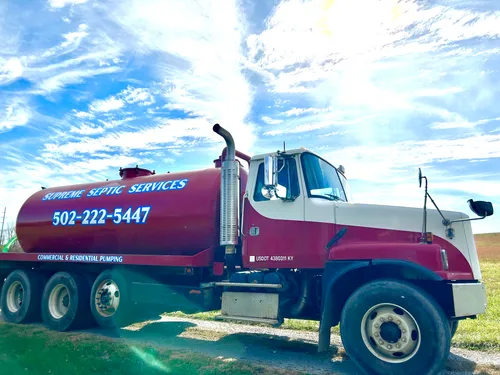
Supreme Septic Services (formerly known as Garrett's Septic Service)
Louisville, KY
Supreme Septic Services, formerly known as Garrett's Septic Service, is a locally owned company based in Louisville, KY. They provide septic pumping, grease trap and interceptor cleaning, septic system repairs, inspections, and installations for residential and commercial clients. Their services help maintain system functionality and compliance, especially for restaurants and commercial kitchens. The company emphasizes professionalism and community commitment, using modern equipment and experienced technicians to deliver dependable expertise.
Zoom Drain
Louisville, KY
Zoom Drain is a grease trap cleaning and drain service company based in Louisville, KY. They provide residential and commercial drain and sewer cleaning services, including specialized grease trap maintenance and advanced drain clearing techniques such as trenchless technology. Their technicians use eco-friendly products and proprietary methods to remove obstructions like tree roots and debris, helping to maintain plumbing system health and prevent future blockages. Zoom Drain serves Louisville and surrounding areas, offering same-day and next-day service to address urgent drain issues efficiently.
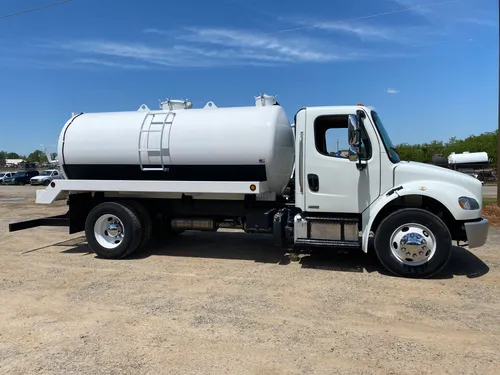
Hogue Septic Tank & Grease Trap Cleaning
Lexington, KY
Hogue Septic Tank & Grease Trap Cleaning is a service provider located in Lexington, KY. The company specializes in grease trap cleaning, helping businesses maintain proper waste management and prevent plumbing issues.
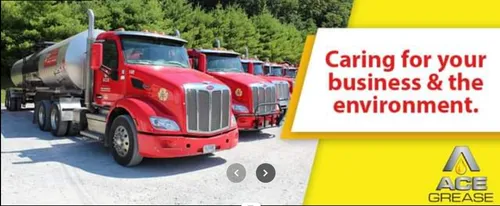
Ace Grease Service
258 Eiler Ave Transfer Station, Louisville, KY 40214
Ace Grease Service is a family-owned company based in Louisville, KY, specializing in used cooking oil collection and grease trap cleaning. With over 31 years of experience, they serve restaurants, hotels, hospitals, penal institutions, and food manufacturing plants. The company collects and recycles used cooking oil, helping to keep kitchens and drains clean while protecting the environment. Ace Grease Service operates a fleet of state-of-the-art trucks and equipment and serves nine states in the Midwest.
Understanding Louisville MSD FOG Regulations
The Louisville MSD has established clear Fats, Oils, and Grease (FOG) guidelines to protect the public sewer system from blockages that can lead to sanitary sewer overflows (SSOs). These rules apply to all Food Service Establishments (FSEs), which are legally required to install and maintain approved grease removal devices. The cornerstone of compliance is preventing FOG from entering the drains in the first place and ensuring any that is captured is properly and regularly removed.
Non-compliance is taken seriously. The MSD can issue fines for violations, which can range from $100 to over $1,000 per day until the issue is corrected. These penalties, combined with the risk of a forced business closure due to a severe backup, make proactive grease management a significant financial imperative.
Mandatory Grease Interceptor Installation
Whether you're opening a new restaurant or operating an existing one, you must have a properly sized and installed grease interceptor or trap. Louisville MSD guidelines and Kentucky plumbing codes specify the requirements for these devices 1.
- Types of Devices: Smaller under-sink grease traps are typically used for individual fixtures, while larger in-ground grease interceptors handle the waste flow from the entire kitchen.
- Specifications: Under-sink traps must have a minimum capacity of 25 gallons per minute or 50 pounds of grease, include a flow restrictor, a vent, and a sealed cover. Critically, they cannot be connected to drains that carry grey or black water from restrooms or other non-kitchen sources 2.
- Approval: Installation and any modifications should be performed by a licensed plumber familiar with local codes to ensure MSD approval from the start.
The 25% Rule: Louisville's Cleaning Standard
Louisville enforces a clear, measurable standard for when your grease control device must be serviced, known as the "25% Rule." This is not a suggestion but a regulatory requirement 3.
The rule states: A grease trap or interceptor must be cleaned when the combined depth of FOG and settled solids reaches 25% of the liquid depth of the device. This means cleaning is required before the unit becomes overwhelmed and loses its effectiveness.
Determining Your Cleaning Schedule
Your specific pumping frequency is not a one-size-fits-all monthly appointment. It is determined by your kitchen's volume of FOG production and must be frequent enough to prevent the accumulation from ever exceeding the 25% threshold. For a high-volume restaurant like a busy downtown steakhouse, this might mean weekly cleanings for under-sink traps. For a smaller café with lower grease output, a monthly schedule might suffice. The only way to know for sure is through regular inspection and measurement of FOG levels by your service provider.
Annual Certification and Recordkeeping
Beyond the cleanings themselves, Louisville MSD requires formal documentation to prove ongoing compliance.
- Annual Certification: Each FSE must obtain an annual certification from an MSD-approved grease hauler or a licensed plumber. This certification verifies that your grease interceptors are correctly installed, functioning properly, and being maintained according to the 25% Rule 4.
- Service Records: You are required to maintain detailed logs or manifests from every pumping and cleaning service. These records should include the date, the company that performed the service, the volume of waste removed, and the disposal method. MSD inspectors may request to see these records during routine checks.
Keeping this paperwork organized and readily available is as important as the cleaning itself for demonstrating your commitment to compliance.
Find the perfect grease trap cleaning companies for your needs
Get personalized recommendations and expert advice
Cost of Grease Trap Services in Louisville
The price for grease interceptor maintenance in Louisville varies based on several key factors. Understanding these can help you budget effectively for this necessary operating expense.
- Service Type & Size: Cleaning a small under-sink grease trap typically ranges from $150 to $300 per service. Pumping a large in-ground grease interceptor is more involved, with costs generally ranging from $500 to $1,200 or more per cleaning 5.
- Key Cost Factors:
- Accessibility: Is the interceptor easily reachable, or does it require special equipment to access?
- Volume of Waste: How much FOG and solid waste needs to be pumped out?
- Frequency: Regular scheduled service is almost always less expensive than emergency calls.
- Emergency Premiums: Needing a rush service outside of normal business hours, especially to address an overflow or imminent violation, can come with a 50% to 100% price premium.
While cost is a consideration, the value of working with an MSD-approved, reliable provider lies in avoiding the far greater expenses of fines, sewer backup cleanup, and business interruption.
Best Practices for Kitchen FOG Management
Professional cleaning is essential, but the first line of defense is inside your kitchen. Implementing simple best practices can significantly reduce the FOG load on your traps, extending time between services and reducing risk.
- Dry Wiping: Before washing, use a rubber scraper or paper towel to wipe excess grease and food scraps from pots, pans, and dishes into the trash.
- Use Strainers: Install and regularly empty sink strainers to catch food solids.
- Train Your Staff: Ensure all kitchen employees understand the importance of keeping FOG out of the drains. Make "scrape, wipe, then rinse" a standard practice.
- Proper Disposal: Never pour used cooking oil or grease down the drain. Collect it in sealed containers for recycling or proper disposal.
- Avoid "Grease Dissolving" Products: Chemicals that claim to dissolve grease can often cause problems further down the line in the sewer system and may not be approved by MSD. Stick to manual cleaning and approved enzymatic treatments if recommended by your service provider.
Choosing a Service Provider in Louisville
Selecting the right company for your grease interceptor maintenance is a crucial business decision. Look for a provider that is:
- MSD-Approved: This is non-negotiable. The hauler must be on MSD's approved list to perform the service and provide your annual certification.
- Insured and Licensed: Ensure they carry proper commercial liability insurance and any required state or local licenses.
- Experienced with Local Codes: They should be intimately familiar with Louisville's specific 25% Rule, inspection protocols, and documentation requirements.
- Transparent with Pricing: They should offer clear, upfront pricing for scheduled services and explain what constitutes an emergency call.
- Reliable and Responsive: Check reviews or ask for references from other local restaurants to gauge their reliability and customer service.
Proactive, regular cleaning by a certified professional, in strict adherence to MSD's 25% rule, is the most effective strategy for Louisville restaurant owners. It protects your business from severe fines and operational disruptions, while also fulfilling your role in protecting the community's sewer infrastructure 6 7 8.
Frequently asked questions
Sources
Footnotes
-
2020 Kentucky State Plumbing Law, Regulations and Code Book - https://dhbc.ky.gov/Documents/2020%20Kentucky%20Plumbing%20Law%20Regulations%20and%20Code%20Book.pdf ↩
-
Grease Interceptor Installation in Louisville, KY - https://www.maeser.com/commercial/plumbing/grease-traps/ ↩
-
Louisville MSD - https://louisvillemsd.org/sites/default/files/inline-files/MSD_FOG_Guidelines.pdf ↩
-
Page 1 of 11 Louisville and Jefferson County Metropolitan Sewer ... - https://louisvillemsd.org/sites/default/files/inline-files/MSD%20FOG%20Guidelines%20FINAL%20as%20of%2005012019.pdf ↩
-
Grease trap cleaning Archives - https://moongreasetrapcleaning.com/category/grease-trap-cleaning/ ↩
-
10 FOG Guidelines in Louisville, Kentucky - https://moongreasetrapcleaning.com/fog-guidelines-in-louisville-kentucky/ ↩
-
Louisville Grease Trap Cleaning: Essential Facilities ... - Shyft - https://www.myshyft.com/blog/grease-trap-cleaning-louisville-kentucky/ ↩
-
Fats, Oil, Grease (FOG) - Louisville MSD - https://louisvillemsd.org/industrial-waste-programs/fog ↩