Find the Best Grease Trap Cleaning Companies for Your Business
No obligation • Fast responses • Nationwide coverage

Why you can trust Restaurant Waste Disposal
Restaurant Waste Disposal is a leading U.S. resource for comparing restaurant composting, food-waste recycling, grease trap cleaning, and used cooking oil collection services. Our editorial team researches providers, checks credentials, and organizes unbiased information so operators can make informed decisions. Companies cannot pay to change ratings or placement.
Search providers near you
Top Grease Trap Cleaning Companies in Bowling Green, Kentucky Ranked
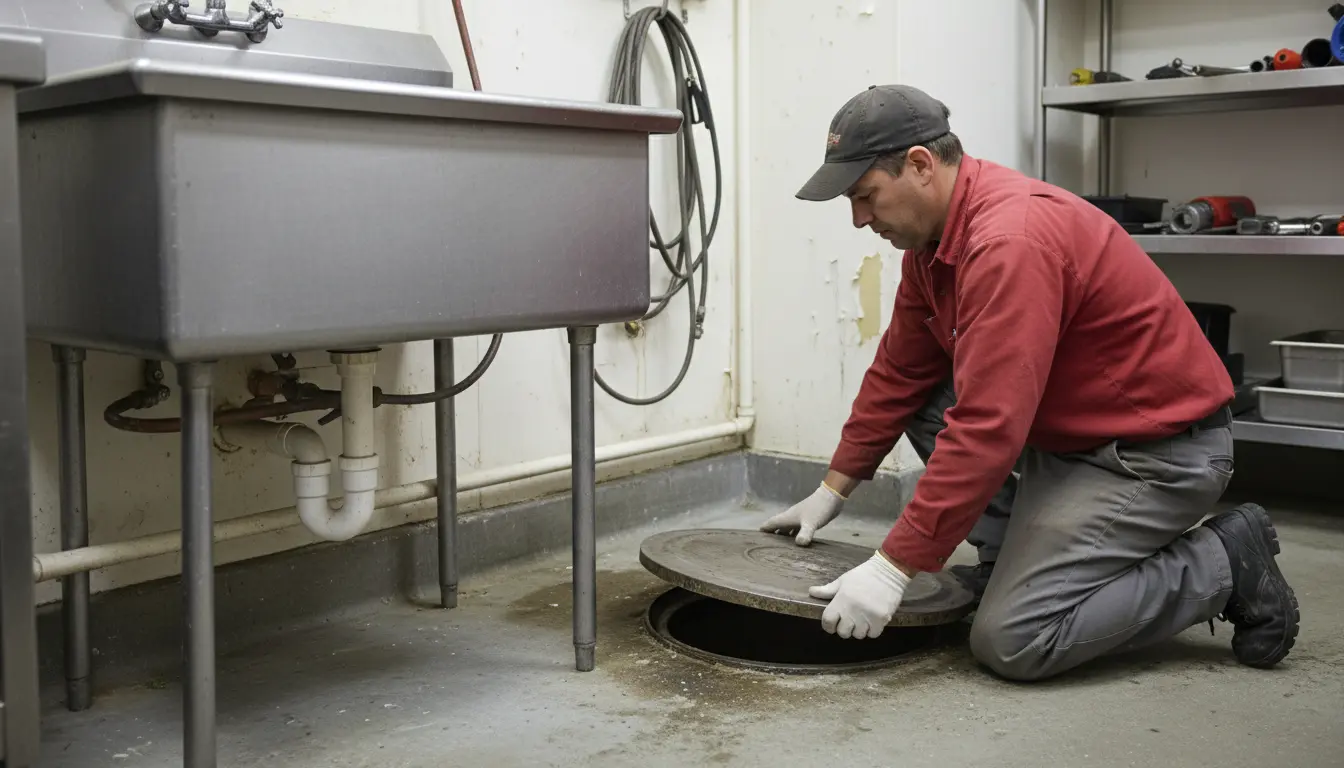
For restaurant owners and food service operators in Bowling Green, maintaining a clean and compliant grease trap or interceptor is not just a matter of kitchen hygiene-it's a legal requirement. The Bowling Green Municipal Utilities (BGMU) enforces a strict Fats, Oils, and Grease (FOG) Management Policy designed to protect the city's sewer infrastructure from costly blockages and environmental damage. Effective grease interceptor maintenance involves scheduled cleanings, meticulous record-keeping, and a proactive approach to staff training. Understanding the local regulations, typical service frequencies, and associated costs is essential for smooth operations and avoiding significant penalties.
Understanding Bowling Green's FOG Management Policy
The cornerstone of compliance for any food service establishment in Bowling Green is the BGMU FOG Management Policy. This policy mandates that all grease interceptors and sand interceptors operate continuously and efficiently at the user's expense. The rules are clear: grease and waste removed during cleaning must never be poured down a drain or toilet. Instead, it must be disposed of properly by a licensed service provider.
A critical component of the policy is record-keeping. Facilities are required to maintain detailed logs of all maintenance, cleaning, and service activities related to their grease management systems. These records are often the first thing inspectors will request. For new facilities or major renovations, note that multi-unit properties must have separate sanitary and kitchen wastewater lines, and contacting BGMU before beginning any work is a crucial first step.
How Often Should You Clean Your Grease Interceptor?
Cleaning frequency is not a one-size-fits-all schedule; it depends primarily on your establishment's volume and type of food service. However, local rules often set minimum requirements. A common framework is monthly cleaning for high-volume kitchens (like busy restaurants or institutional cafeterias) and quarterly cleaning for lower-volume operations. The BGMU policy requires cleaning often enough to ensure continuous efficient operation, which typically translates to a schedule based on usage and capacity.
Many jurisdictions employ a risk-based inspection system, which can serve as a good guideline for your own maintenance schedule. For example, similar programs may classify establishments as high, medium, or low risk, inspecting them semi-annually, annually, or on a multi-year cycle, respectively 1 2. The best practice is to consult directly with BGMU for their current policy and then establish a consistent, preventative cleaning schedule with a licensed provider. Waiting for an emergency or a violation notice always leads to higher costs and operational headaches.
The Cost of Grease Trap Maintenance in Bowling Green
Investing in regular grease interceptor service is far more economical than dealing with the consequences of neglect. The cost for a standard preventative cleaning in the Bowling Green area can range widely based on the size of your trap and its condition.
- Preventative Cleaning: For a basic, well-maintained grease trap, you can expect costs to start in the range of $175 to $225 per service visit.
- Larger Interceptors: Establishments with larger systems (e.g., 1,000 to 1,500-gallon interceptors) will see higher prices, often between $225 and $315 or more per pumping.
- Emergency or Neglected Cleanings: If a trap is severely clogged or requires emergency service, prices can escalate significantly beyond these ranges. Industry averages for grease trap pumping across the country can span from $75 to over $300 per visit, with neglected systems at the top end 3 4 5.
The key takeaway is that consistent, scheduled maintenance is the most cost-effective strategy. It prevents excessive buildup, ensures compliance, and avoids the premium prices charged for emergency calls.
Find the perfect grease trap cleaning companies for your needs
Get personalized recommendations and expert advice
Compliance, Inspections, and Enforcement
BGMU is responsible for overseeing the FOG program in Bowling Green. Enforcement is taken seriously to prevent sewer overflows and infrastructure damage. Inspections may be conducted on a risk-based schedule, but compliance is primarily monitored through your maintenance records. An inspector may visit to check that your interceptor is functioning correctly and that you have the required documentation on hand.
Violations of the FOG policy can result in significant penalties, including fines. The discharge limits for wastewater are also strictly regulated; for instance, wastewater cannot exceed specific concentrations of oil and grease (such as 100 mg/L for non-hydrocarbon origins) 6 7. Proactive management is your best defense against enforcement actions.
Best Practices for Grease Interceptor Management
Beyond simply scheduling cleanings, a comprehensive approach to grease management will keep your kitchen running smoothly and in full compliance.
- Consult the Source: Always obtain and review the most current version of the BGMU FOG Management Policy. This is your official guide to local requirements 8.
- Hire Licensed Professionals: For both installation and maintenance, use experienced, licensed commercial plumbing or environmental service companies familiar with Bowling Green's codes 9. They will ensure work is done correctly and can help with documentation.
- Schedule Consistently: Work with your provider to set a cleaning schedule-whether monthly or quarterly-that meets your needs and local mandates. Then, stick to it diligently 10.
- Train Your Staff: Implement daily best practices in the kitchen, such as scraping food scraps into trash bins (not sinks) and using sink strainers. Educating your team on what not to put down the drain reduces the load on your interceptor and extends time between services.
- Document Everything: Maintain a dedicated logbook or digital file for every service receipt, inspection report, and any communication with BGMU. Organized records make the inspection process effortless.
Frequently asked questions
Sources
Footnotes
-
Complying with Grease Trap Codes: 5 Essential Tips - https://www.unitedsewerservice.com/complying-with-local-regulations-and-codes-for-grease-trap-maintenance/ ↩
-
Grease Trap Restaurant: The Essential Guide - https://therestaurantwarehouse.com/blogs/restaurant-equipment/grease-trap-restaurant-guide ↩
-
The Cost To Clean A Grease Trap For Restaurants - https://thegreasecompany.com/blog/greasetrapcleaningcost/ ↩
-
Grease Trap Regulations and Compliance: What You Need to Know - https://www.texwaywastewater.com/grease-trap-regulations-and-compliance/ ↩
-
Grease Trap Cleaning Prices | Guide on the Industry Average - https://grease-cycle.com/grease-trap-pumping-cost/ ↩
-
APPENDIX A Grease Trap and Interceptor Requirements Definitions - https://fcwsd.org/documents/728/Appendix_A_Grease_Trap_Requirements.pdf ↩
-
Ordinance No. BG2017 - 22 - City of Bowling Green, Kentucky - https://www.bgky.org/files/IzIn3frG.pdf ↩
-
23-3.03 Private Wastewater Disposal. - https://codelibrary.amlegal.com/codes/bowlinggreen/latest/bowlinggreen_ky/0-0-0-59630 ↩
-
Grease Trap Interceptor Installation in Bowling Green, KY - https://shaneelmoreplumbing.com/commercial-plumbing/grease-interceptor-installation/ ↩
-
How to Clean a Grease Trap (and How Often You Should) - https://greaseconnections.com/how-to-clean-a-grease-trap-and-how-often-you-should/ ↩