Find the Best Grease Trap Cleaning Companies for Your Business
No obligation • Fast responses • Nationwide coverage

Why you can trust Restaurant Waste Disposal
Restaurant Waste Disposal is a leading U.S. resource for comparing restaurant composting, food-waste recycling, grease trap cleaning, and used cooking oil collection services. Our editorial team researches providers, checks credentials, and organizes unbiased information so operators can make informed decisions. Companies cannot pay to change ratings or placement.
Search providers near you
Best Grease Trap Cleaning Companies in Kentucky Ranked
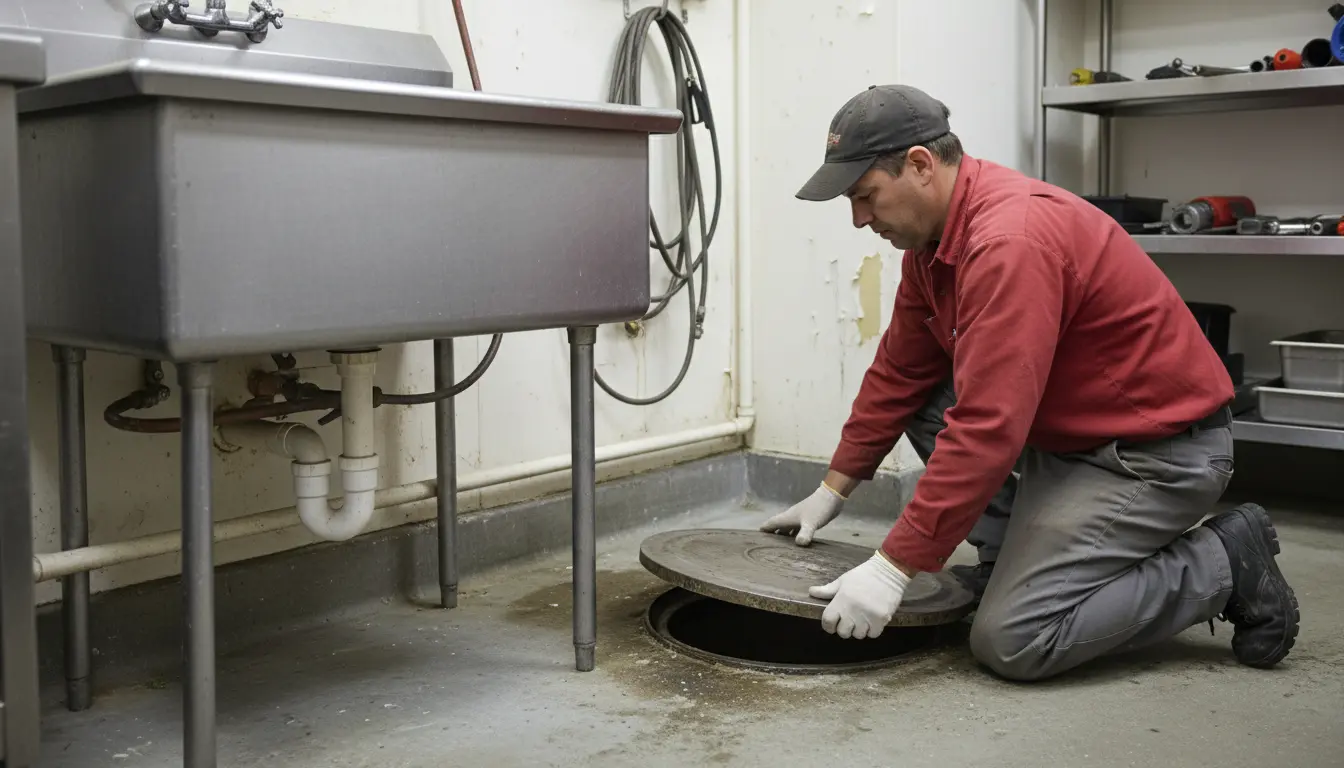
For any restaurant, cafeteria, or food service establishment (FSE) in Kentucky, managing fats, oils, and grease (FOG) is a critical operational and legal responsibility. Proper grease trap and interceptor maintenance is not just about avoiding clogs; it's a mandated component of local sewer and water quality programs designed to protect infrastructure and the environment. Compliance involves understanding specific local regulations, adhering to strict cleaning schedules, and maintaining thorough records. This guide outlines the key requirements, best practices, and resources for effective grease trap management across the Commonwealth.
Supreme Septic Services (formerly known as Garrett's Septic Service)
Louisville, KY
Supreme Septic Services, formerly known as Garrett's Septic Service, is a locally owned company based in Louisville, KY. They provide septic pumping, grease trap and interceptor cleaning, septic system repairs, inspections, and installations for residential and commercial clients. Their services help maintain system functionality and compliance, especially for restaurants and commercial kitchens. The company emphasizes professionalism and community commitment, using modern equipment and experienced technicians to deliver dependable expertise.
Zoom Drain
Louisville, KY
Zoom Drain is a grease trap cleaning and drain service company based in Louisville, KY. They provide residential and commercial drain and sewer cleaning services, including specialized grease trap maintenance and advanced drain clearing techniques such as trenchless technology. Their technicians use eco-friendly products and proprietary methods to remove obstructions like tree roots and debris, helping to maintain plumbing system health and prevent future blockages. Zoom Drain serves Louisville and surrounding areas, offering same-day and next-day service to address urgent drain issues efficiently.
Roto-Rooter Plumbing & Water Cleanup
2050 Regency Rd Suite C, Lexington, KY 40503
Roto-Rooter Plumbing & Water Cleanup provides comprehensive plumbing services in Lexington, KY, for both residential and commercial clients. Their offerings include sewer and drain cleaning, water heater repair and installation, grease trap maintenance, floodwater cleanup, mold remediation, and emergency plumbing services. The company uses advanced equipment such as hydro-jetting and video camera inspections to address plumbing challenges like aging sewer lines and tree root infiltration. Roto-Rooter serves Lexington and surrounding counties with 24/7 emergency availability to handle urgent plumbing issues promptly.
Rick's Septic Tank & Pumping
Bowling Green, KY
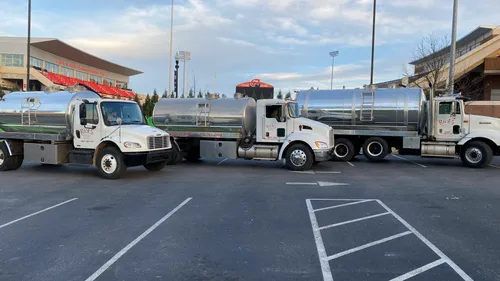
Rick's Septic Tank & Pumping is a family-owned business serving Bowling Green, KY, and surrounding counties in South Central Kentucky. They provide septic tank pumping, sewer line cleaning, sewer line video inspection, grease trap pumping, and hot water jetting. The company uses professional equipment and qualified technicians to deliver dependable services. Since starting with a homemade pump truck and fewer than 50 tanks serviced in the first year, Rick's Septic Tank & Pumping has grown into a professional operation serving multiple tanks daily, relying heavily on customer loyalty and word of mouth.
Ohio Valley Septic & Grease Services
Owensboro, KY
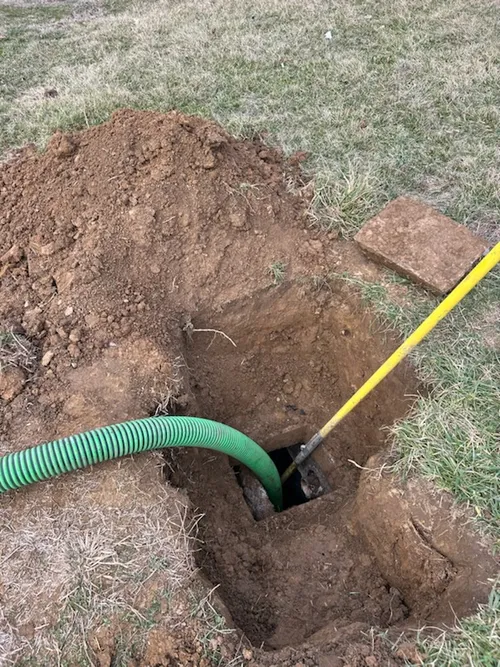
Ohio Valley Septic & Grease Services is a family-owned business located in Owensboro, KY, serving Daviess, Hancock, and McLean counties. They specialize in septic tank and grease trap cleaning services, as well as commercial and residential lift stations, package plants, and waste management solutions. Established in 2023, the company focuses on maintaining a safe and healthy environment for clients and the community.
Understanding Kentucky's Regulatory Landscape
Grease trap regulations in Kentucky are primarily enforced at the local level by public works departments, water quality divisions, or sanitation districts. There is no single statewide rulebook, meaning requirements can differ significantly depending on your city or county.
Key Local Agencies Include:
- Louisville MSD (Metropolitan Sewer District): Enforces FOG guidelines for Jefferson County and requires the use of certified haulers for waste removal.
- Lexington FQD (Water Quality Division): Manages grease interceptor permits, inspections, and compliance for FSEs within the city.
- Sanitation District No. 1 (SD1): Oversees FOG programs for Boone, Campbell, and Kenton counties in Northern Kentucky. 1
Before opening a new facility or renovating an existing one, you must typically submit plans for your grease control equipment to the local authority for approval and obtain the necessary permits before the system can be used.
Mandatory Cleaning Frequency: The 25% Rule
The most common standard for determining cleaning frequency is the "25% Rule." This mandates that grease interceptors and traps must be cleaned when the combined volume of FOG and settled solids reaches 25% of the unit's total liquid capacity. Some municipalities may set this limit at 30%. 2 3
This performance-based rule often results in more frequent cleaning than a simple calendar schedule. For many active kitchens with standard-sized grease traps, this can mean monthly cleaning is necessary. Larger gravity grease interceptors may be able to operate for longer periods, sometimes 90 days or semi-annually, but they must still be cleaned before hitting the 25% threshold. 4 5
- Under-Sink Grease Traps: Due to their small size, these units often require weekly cleaning and maintenance to remain effective and compliant.
- Minimum Schedule: Some local codes also set a mandatory maximum time between cleanings, such as quarterly (every 90 days) for traps, regardless of accumulation.
The only way to know for sure is to have your trap inspected regularly by a professional service provider who can measure accumulation and advise on a compliant schedule.
Permitting, Paperwork, and Record-Keeping
Compliance in Kentucky involves significant administrative diligence. Key requirements include:
- FOG Control Plan: Many jurisdictions, including Lexington and Northern Kentucky's SD1, require FSEs to submit and maintain a formal Fats, Oils, and Grease Control Plan. This document outlines your facility's equipment, maintenance procedures, and employee best practices.
- Maintenance Records: You are legally required to keep detailed logs of every grease trap cleaning and waste hauling service. These records must be kept on-site for a minimum of three years and be available for inspection by local officials. 6 7
- Required Documentation: Each record should include:
- Date of service
- Business name and address
- Volume of grease/waste removed
- Name and license number of the hauler
- Disposal location (wastewater treatment plant or renderer)
- Printed name and signature of the hauler
Failure to maintain these manifests is a common violation that can lead to fines.
Costs of Service and Consequences of Non-Compliance
Investing in regular grease trap cleaning is far more economical than facing the penalties for neglect. Service costs vary based on the size of your trap, its location, and how frequently it needs pumping.
Example Service Costs (Louisville Area): Cleaning can range from approximately $150 for a small under-sink unit to $1,200 or more for a large, buried interceptor.
Potential Penalties for Violations: Non-compliance can result in severe consequences, including:
- Substantial Fines: Citations can range from $100 to over $1,000 per day until the violation is corrected. 8 9
- Operational Disruption: Authorities can issue a cease-and-desist order, forcing your business to close until the grease trap is serviced and brought into compliance.
- Sewer Blockages & Backups: Neglected grease can solidify in your own pipes or the public sewer main, causing backups that lead to expensive plumbing emergencies, property damage, and health hazards.
- System Replacement: In extreme cases of neglect, a grease interceptor can be damaged beyond repair, requiring a full and costly replacement.
Find the perfect grease trap cleaning companies for your needs
Get personalized recommendations and expert advice
Implementing Effective Best Management Practices (BMPs)
Beyond mechanical cleaning, local regulations mandate that all FSEs implement Best Management Practices to minimize FOG entering the drainage system. 10 These are fundamental operational habits that every kitchen staff should follow:
- Scrape and Dry Wipe: Food scraps and grease should be scraped off dishes, pots, and pans into the trash before rinsing. Use paper towels for a preliminary wipe-down.
- Use Strainers: Install and maintain baskets or strainers in all sink drains to catch solid food waste.
- Proper Disposal: Never pour used cooking oil or grease down the drain. Collect it in sealed containers for pickup by a licensed used cooking oil collector or renderer.
- Avoid Additives: Do not use emulsifiers, enzymes, or "grease-dissolving" chemicals. These do not eliminate FOG; they simply break it into smaller particles that can re-coagulate further down the sewer line, often causing worse blockages. Their use is frequently prohibited by local codes.
- Train Your Staff: Ensure all employees, especially new hires, are trained on proper FOG handling and the importance of grease trap compliance.
Choosing a Service Provider in Kentucky
When selecting a company for grease trap cleaning, due diligence is crucial. Look for providers that are:
- Licensed and Insured: Verify they hold the proper business licenses and adequate liability insurance.
- Locally Knowledgeable: Choose a hauler familiar with the specific paperwork and reporting requirements of your local agency (e.g., MSD, Lexington FQD, SD1).
- Certified: Some districts, like Louisville MSD, maintain lists of certified haulers. Using a certified provider ensures they understand local manifest and disposal rules.
- Transparent with Documentation: They should provide you with a detailed, signed manifest after every service for your records.
A reliable partner will not only perform the physical cleaning but also help you maintain compliance by providing accurate documentation and advising on an optimal service schedule.
Frequently asked questions
Sources
Footnotes
-
Fats, Oils & Grease Program | Sanitation District No. 1 KY - https://www.sd1.org/225/Fats-Oils-Grease-Program ↩
-
10 FOG Guidelines in Louisville, Kentucky - https://moongreasetrapcleaning.com/fog-guidelines-in-louisville-kentucky/ ↩
-
§ 53.06 GREASE TRAP MAINTENANCE. - https://codelibrary.amlegal.com/codes/ashlandky/latest/ashland_ky/0-0-0-3564 ↩
-
Grease Interceptor Program - https://env.uky.edu/wastewater/grease-interceptor-program ↩
-
§ 50.113 GREASE TRAPS OR INTERCEPTORS. - https://codelibrary.amlegal.com/codes/mtwashington/latest/mtwashington_ky/0-0-0-2074 ↩
-
Sec. 16-44. - Grease and oil interceptors when required. - https://codelibrary.amlegal.com/codes/lexingtonfayettecoky/latest/lexingtonfayettecoky_code/0-0-0-9662 ↩
-
Grease interceptor requirements | City of Lexington, Kentucky - https://www.lexingtonky.gov/government/departments-programs/environmental-quality-public-works/water-quality/grease-interceptor-requirements ↩
-
Page 1 of 11 Louisville and Jefferson County Metropolitan Sewer ... - https://louisvillemsd.org/sites/default/files/inline-files/MSD%20FOG%20Guidelines%20FINAL%20as%20of%2005012019.pdf ↩
-
Louisville Grease Trap Cleaning: Essential Facilities ... - Shyft - https://www.myshyft.com/blog/grease-trap-cleaning-louisville-kentucky/ ↩
-
Fats, Oils & Grease Program | Sanitation District No. 1 KY - SD1 - https://www.sd1.org/225/Fats-Oils-Grease-Program ↩