Find the Best Grease Trap Cleaning Companies for Your Business
No obligation • Fast responses • Nationwide coverage

Why you can trust Restaurant Waste Disposal
Restaurant Waste Disposal is a leading U.S. resource for comparing restaurant composting, food-waste recycling, grease trap cleaning, and used cooking oil collection services. Our editorial team researches providers, checks credentials, and organizes unbiased information so operators can make informed decisions. Companies cannot pay to change ratings or placement.
Search providers near you
Top Grease Trap Cleaning Companies in Fort Wayne, Indiana Ranked
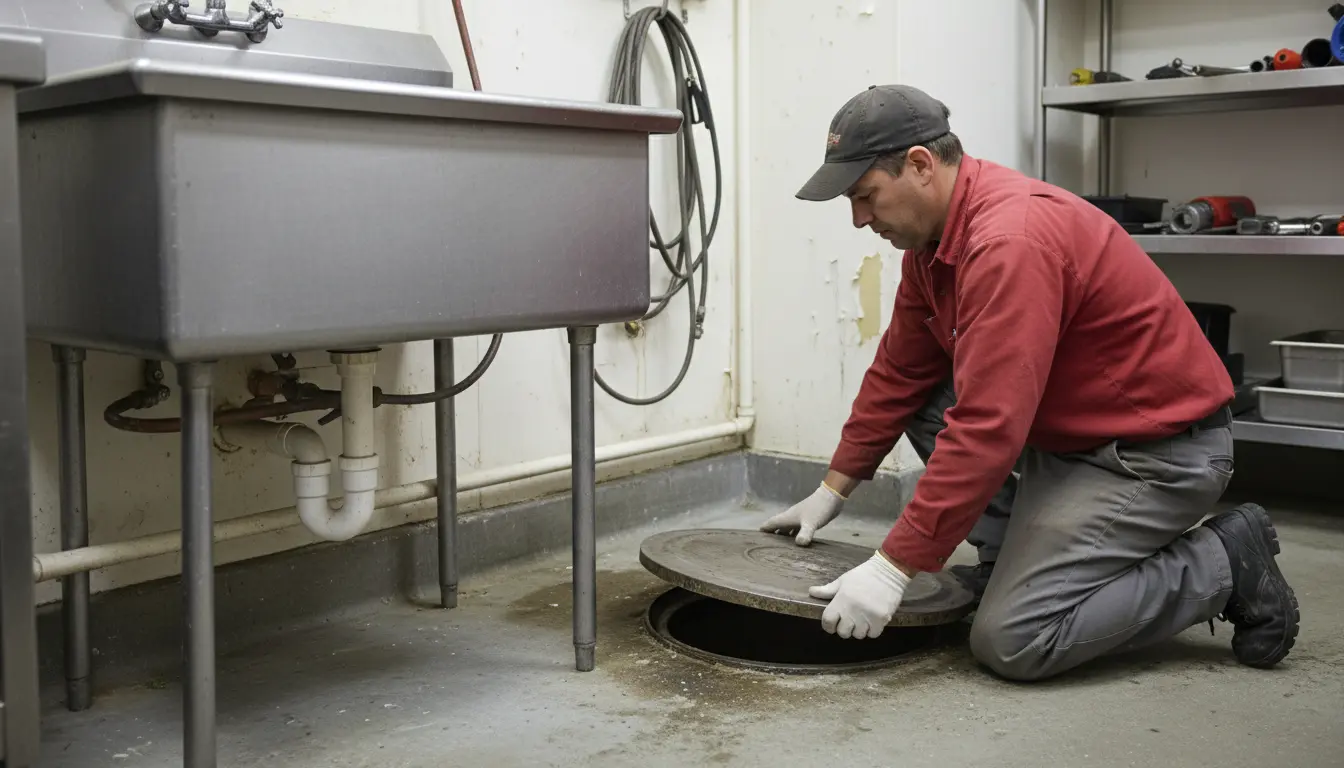
For every restaurant, café, and food service establishment in Fort Wayne, maintaining a grease trap or interceptor isn't just a good practice-it's a legal requirement. The city has strict regulations to protect its sewer system from Fats, Oils, and Grease (FOG), which can cause costly and disruptive blockages. Proper grease trap maintenance involves regular professional cleaning, meticulous record-keeping, and adherence to standards set by Fort Wayne City Utilities. This guide outlines what Fort Wayne business owners need to know about compliance, costs, and best practices for effective FOG management to avoid violations and keep their kitchens running smoothly.
Three Sons Sanitation
Fort Wayne, IN
Three Sons Sanitation has been serving Fort Wayne, IN, and the surrounding counties for over 70 years. The company specializes in grease trap cleaning and septic tank pumping, covering areas including Allen, Noble, DeKalb, Adams, Wells, Huntington, and Whitley counties in Northeast Indiana. Their long history reflects extensive experience in sanitation services within the region.
North Septic, Inc.
Fort Wayne, IN
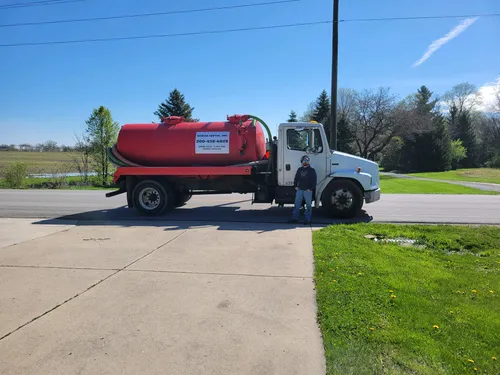
North Septic, Inc. is a family owned and operated company based in Fort Wayne, IN, providing septic pumping and grease trap cleaning services. They serve multiple counties in Northeast Indiana, including Allen, Dekalb, Huntington, Noble, Wells, and Whitley. The company uses specialized equipment such as the Crust Buster tank agitator and the RIGID NaviTrack Scout sonde locator to efficiently locate and service septic tanks. Established over 12 years ago under previous ownership, North Septic, Inc. continues its operations under new owners John and Morgan Snowball, maintaining its focus on reliable and professional service. Emergency calls are accepted based on availability.
J & S Liquid Waste Services Inc.
4030 Option Pass Unit A, Fort Wayne, IN 46818
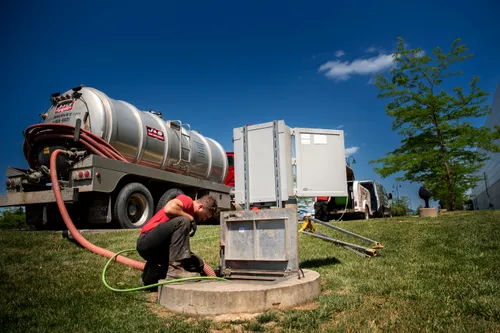
J & S Liquid Waste Services Inc. is a Fort Wayne, Indiana company specializing in liquid waste management for residential, commercial, and industrial clients. Their services include grease trap cleaning, septic tank pumping, oil water separator cleaning, bypass pumping, lift station and pump repairs, as well as jetting and augering to address clogs and backups. They handle routine maintenance and complex sewer and septic system repairs without needing to refer clients elsewhere. The company offers evening and weekend emergency response services, ensuring assistance is available beyond regular business hours.
Degreasing Engineers
2807 Freeman St, Fort Wayne, IN 46802
Degreasing Engineers is a grease trap cleaning company based in Fort Wayne, IN. They provide grease trap cleaning services primarily within the Fort Wayne area. The company offers after-hours cleaning to accommodate business schedules and minimize disruption.
Fort Wayne's Grease Trap Regulations & Compliance
In Fort Wayne, grease trap rules are enforced to safeguard the municipal wastewater infrastructure. All food service establishments (FSEs) are mandated to have properly sized and functioning grease interceptors. These devices must be constructed, located, and installed according to standards determined by the City Utilities Superintendent. The core legal requirements for restaurant owners include:
- Mandatory Installation: Every establishment that produces grease must have a trap or interceptor to prevent FOG from entering the city sewers 1.
- Proper Maintenance: Traps must be kept free of accumulated, caked-on grease and solids. Critically, the waste removed during cleaning cannot be poured down drains.
- Detailed Record-Keeping: Establishments must maintain detailed service records for all cleaning and maintenance activities. These logs must be kept on-site for a minimum of three years and be readily available for inspection.
The city's Grease Cooperative (CUGC), managed by Fort Wayne City Utilities, exists to help FSEs navigate these requirements and ensure high-quality cleaning standards are met 2. Health and utility inspectors routinely check for proper maintenance and records during visits 3. Non-compliance is taken seriously; failure to adhere to these regulations can result in significant fines, often exceeding $1,000, as sewer backups caused by FOG are a major public works issue 2 4.
How Often Should You Clean a Grease Trap?
The frequency of grease interceptor service is not a one-size-fits-all schedule; it depends primarily on the volume of FOG your kitchen produces. A common benchmark for many restaurants is service every one to three months (monthly to quarterly) 5. High-volume kitchens, such as those in busy diners or establishments specializing in fried foods, will likely require more frequent cleaning, potentially on a monthly basis 6.
The most important principle is preventative, scheduled maintenance. Waiting for an interceptor to become completely full or cause a backup is the most expensive and disruptive approach. Proactive cleaning based on your establishment's specific output is far cheaper and more effective than emergency service calls 7. A qualified service provider can help you determine the optimal pumping schedule based on your trap's size and your kitchen's operational volume.
Understanding Grease Trap Cleaning Costs in Fort Wayne
The cost for professional grease trap pumping in Fort Wayne varies based on the size of your interceptor, the frequency of service, and the nature of the call. Investing in routine maintenance is a strategic financial decision for any food service business.
- Preventative, Scheduled Service: For a standard, planned cleaning visit, restaurants can expect costs to range from approximately $175 to $400 or more per service. The final price depends on the trap's capacity (e.g., 500-gallon vs. 1,500-gallon) and how often it is serviced 8.
- Emergency Service: Reactive calls for a severely clogged or overflowing trap are significantly more expensive. Emergency pump-outs and cleaning can cost between $800 and $1,200 or more per call due to the immediate response and increased labor involved 9 10.
- Long-Term Cost Savings: When you factor in the potential for city fines for non-compliance and the exorbitant cost of emergency repairs, a proactive maintenance plan saves thousands of dollars annually. Scheduled cleanings preserve the health of your plumbing and the public sewer system, avoiding far greater expenses down the line.
Find the perfect grease trap cleaning companies for your needs
Get personalized recommendations and expert advice
Best Practices for Restaurant Grease Management
Beyond simply scheduling cleanings, successful FOG management involves a holistic approach. Here are key strategies for Fort Wayne restaurant operators:
- Engage with the CUGC Program: Consider joining the Fort Wayne City Utilities Grease Cooperative. This program provides direct guidance and resources to help you comply with local regulations and connect with reputable service providers.
- Implement Kitchen Best Practices: Train your kitchen staff thoroughly. Emphasize the importance of scraping food scraps into trash bins before washing dishes and using sink strainers to catch solids. Minimizing the amount of grease and solids that enter the drain is the first and most effective line of defense.
- Maintain Impeccable Records: Your cleaning and maintenance log is your first line of defense during an inspection. Keep it accurate, up-to-date, and easily accessible. Document the date, time, company, and amount of waste removed during each service 11.
- Schedule Based on Volume, Not Time Alone: Work with your service provider to establish a cleaning schedule tailored to your actual grease production, especially during peak seasons or after menu changes.
The Risks of Non-Compliance
Ignoring grease trap maintenance carries substantial risk for Fort Wayne businesses. The immediate consequence is often a substantial fine from the city for violating sewer use ordinances. Beyond fines, a neglected interceptor will eventually fail, leading to:
- Sewage Backups: This can cause operational shutdowns, loss of inventory, and extensive cleanup costs within your own establishment.
- Plumbing Emergencies: Clogged interior lines can lead to costly repairs and downtime.
- Environmental Impact: Overflows can contaminate local waterways, leading to more severe regulatory action and reputational damage.
- Higher Service Costs: As noted, emergency service calls are exponentially more expensive than preventative maintenance.
Adhering to a strict cleaning schedule is the most reliable way to mitigate these risks, ensure uninterrupted business operations, and fulfill your civic responsibility to protect Fort Wayne's infrastructure.
Frequently asked questions
Sources
Footnotes
-
410 IAC 6-10.1-66 - Grease traps | State Regulations | US Law - https://www.law.cornell.edu/regulations/indiana/410-IAC-6-10.1-66 ↩
-
City Utilities Grease Cooperative | Fort Wayne City Utilities | Water That Works - https://utilities.cityoffortwayne.org/greasecooperative ↩ ↩2
-
§ 51.038 GREASE AND SAND TRAPS. - https://codelibrary.amlegal.com/codes/ftwayne/latest/ftwayne_in/0-0-0-46016 ↩
-
Grease Trap Cleaning and Repair - J&S Liquid Waste Services - https://jsliquidwaste.com/grease-trap-cleaning/ ↩
-
Restaurant Grease Trap Cleaning FAQs - Mahoney Environmental - https://www.mahoneyes.com/restaurant-grease-trap-cleaning-faqs/ ↩
-
Grease Trap Regulations and Compliance: What You Need to Know - https://www.texwaywastewater.com/grease-trap-regulations-and-compliance/ ↩
-
Grease Trap Cleaning Prices | Guide on the Industry Average - https://grease-cycle.com/grease-trap-pumping-cost/ ↩
-
How to Clean a Grease Trap (and How Often You Should) - https://greaseconnections.com/how-to-clean-a-grease-trap-and-how-often-you-should/ ↩
-
Ultimate Grease Trap Pumping Cost Guide: Essential Money-Saving ... - https://www.texwaywastewater.com/grease-trap-pumping-cost/ ↩
-
The Cost To Clean A Grease Trap For Restaurants - https://thegreasecompany.com/blog/greasetrapcleaningcost/ ↩
-
APPENDIX A Grease Trap and Interceptor Requirements Definitions - https://fcwsd.org/documents/728/Appendix_A_Grease_Trap_Requirements.pdf ↩