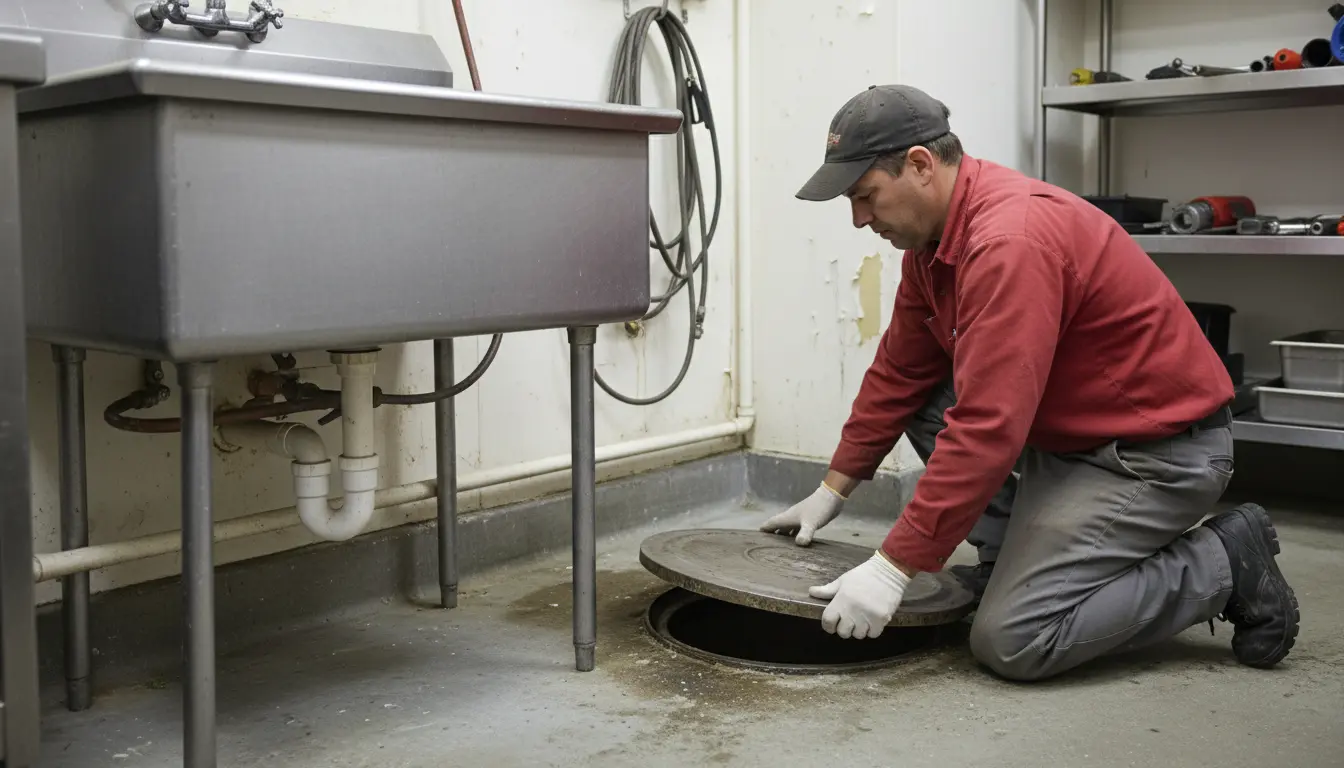
Find the Best Grease Trap Cleaning Companies for Your Business
No obligation • Fast responses • Nationwide coverage

Why you can trust Restaurant Waste Disposal
Restaurant Waste Disposal is a leading U.S. resource for comparing restaurant composting, food-waste recycling, grease trap cleaning, and used cooking oil collection services. Our editorial team researches providers, checks credentials, and organizes unbiased information so operators can make informed decisions. Companies cannot pay to change ratings or placement.
Search providers near you
Best Grease Trap Cleaning Companies in Indiana Ranked
For any restaurant, food truck, or commercial kitchen in Indiana, maintaining your grease trap or interceptor is a critical operational and legal responsibility. Proper grease trap cleaning prevents costly sewer backups, protects public infrastructure, and ensures compliance with local Fats, Oils, and Grease (FOG) regulations. Indiana's rules are based on a statewide standard but are enforced at the municipal level, meaning requirements can vary significantly from Indianapolis to Jeffersonville to Auburn. This guide outlines the essential regulations, best practices, and cost considerations for effective grease management in the Hoosier State.
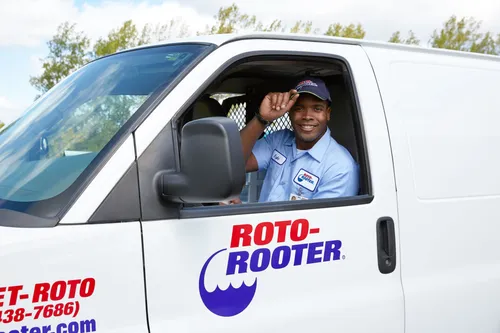
Roto-Rooter Plumbing & Water Cleanup
18 E Main St Ste 230, Greenfield, IN 46140
Roto-Rooter Plumbing & Water Cleanup provides comprehensive plumbing services in Indianapolis, IN, including sewer repairs, water heater installation, floodwater cleanup, and grease trap maintenance. They serve both residential and commercial clients, addressing common issues such as clogged drains, sewer line repairs, and mold remediation. The company is known for its expertise in hydro-jetting and trenchless sewer line restoration, offering minimally invasive pipe repairs. Established in 1935, Roto-Rooter has a long history of plumbing innovation and experience. They also provide 24/7 emergency plumbing services to handle urgent problems like burst pipes and sewage backups at any time.
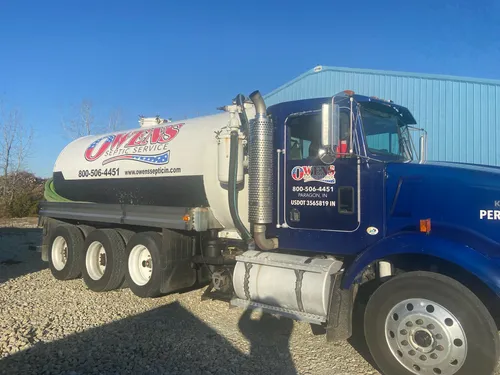
Owens Septic Service
8541 N 850 W, Fairland, IN 46126
Owens Septic Service offers septic tank and grease trap cleaning services in Indianapolis, IN. With over 30 years of experience, they provide comprehensive septic system inspections, lift station maintenance, pump upkeep, and septic riser installation to support efficient wastewater management. Their services include grease trap pumping for commercial kitchens to prevent buildup and maintain compliance with local regulations.
Roto-Rooter Plumbing & Water Cleanup
70 E Main St J, Greenwood, IN 46143
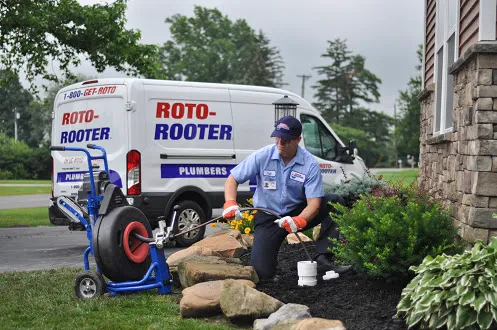
Roto-Rooter Plumbing & Water Cleanup offers a wide range of plumbing services in Indianapolis, IN, including residential and commercial plumbing, water damage mitigation, and grease trap cleaning. The company is equipped to handle local plumbing challenges such as hard water and aging infrastructure. Their commercial services include hydro-jetting and grease trap maintenance, supported by industry-grade equipment. With decades of experience dating back to the founder's invention of the spinning-blade drain snake in 1935, Roto-Rooter combines historical expertise with modern techniques. They provide 24/7 emergency plumbing services to address urgent issues like burst pipes and sewer backups without extra charges for after-hours work.
Roto-Rooter Plumbing & Water Cleanup
4105 IN-32 Ste B, Westfield, IN 46074
Roto-Rooter Plumbing & Water Cleanup offers a wide range of plumbing services in Carmel, IN, including floodwater cleanup, sewer and drain cleaning, water heater repair, and grease trap maintenance. They serve both residential and commercial clients, addressing common local challenges such as hard water and aging plumbing systems. The company provides advanced capabilities like hydro-jetting and trenchless sewer line repair. With a history dating back to the invention of the first motorized drain cleaning tool in 1935, Roto-Rooter combines experience with modern technology. They also offer 24/7 emergency plumbing services to handle urgent issues anytime.
Roto-Rooter Plumbing & Water Cleanup
6319 E US Hwy 36 Suite 209, Avon, IN 46123
Roto-Rooter Plumbing & Water Cleanup provides comprehensive plumbing and water cleanup services in Indianapolis, IN. They serve both residential and commercial clients, offering a wide range of services including drain cleaning, sewer line repair, grease trap inspection and repairs, water heater maintenance, and floodwater cleanup. The company is equipped to handle complex commercial plumbing systems and uses advanced techniques such as hydro-jetting and trenchless sewer repair. Established in 1935, Roto-Rooter also offers 24/7 emergency plumbing services to address urgent issues like burst pipes, sewer backups, and water damage.
Understanding Indiana's Grease Trap Regulations
Indiana's approach to grease management is designed to protect municipal sewer systems from blockages and overflows, which can lead to environmental damage and expensive public works repairs. The core rule across the state mandates that grease interceptors be cleaned when the combined layer of fats, oils, grease, and solids reaches 25% of the trap's total liquid depth 1 2. However, this measurement is coupled with a maximum time limit: cleaning must occur at least every 90 days, whichever condition comes first 3.
It is crucial to understand that this is a baseline. Individual cities and towns enforce their own specific FOG control programs with more stringent requirements. For instance:
- Indianapolis and surrounding areas have detailed codes enforced by local health and wastewater departments.
- Brownsburg requires food service establishments to have a formal Grease Trap Program, including permits and record-keeping.
- Auburn and Jeffersonville have ordinances specifying cleaning frequencies and waste handling procedures.
- Clinton and Newburgh have adopted codes that dictate interceptor design, maintenance, and inspection protocols.
Non-compliance can result in fines, permit revocation, or even forced business closure during a severe violation.
The Cleaning Process: What to Expect
A professional grease trap cleaning service involves more than just removing liquid. A thorough service ensures your system functions correctly and meets inspector standards. The standard process includes:
- Full Pump-Out: All contents-water, grease, oils, and food solids-are vacuumed out of the trap or interceptor.
- Scraping and Removal: The baffles, walls, and bottom of the tank are scraped clean to remove all adhered grease and sediment 4.
- Waste Disposal: The collected FOG waste is transported and disposed of at a licensed facility, often for recycling into biofuels.
- System Refill: The trap is refilled with clean water to restore proper operation and prevent the tank from shifting due to emptiness.
- Documentation: A detailed service report is provided, noting the date, volume removed, and the condition of the trap. This document is vital for your records.
For small, indoor grease traps (typically under 55 gallons), some jurisdictions may allow self-cleaning if the establishment can prove complete waste removal and proper disposal while maintaining detailed logs. However, for most businesses, using a licensed professional is the safest and most compliant option.
Permits, Paperwork, and Inspections
Staying compliant requires proactive administrative steps. The cornerstone of this is the FOG Discharge Permit. Most Indiana municipalities require food service establishments to obtain and renew this permit annually 5 6. The application process typically involves providing details about your establishment and grease control equipment.
Once permitted, your key ongoing duty is record-keeping. You must maintain a log, often on-site, that includes:
- Dates of all grease trap cleaning and maintenance.
- Volume of grease and solids removed each time.
- Name of the person or company performing the service.
- Disposal location for the waste.
These records must be available for review during routine inspections, which are conducted by local wastewater utility or health department officials. Inspectors will check the physical condition of your trap and review your paperwork to verify compliance.
Find the perfect grease trap cleaning companies for your needs
Get personalized recommendations and expert advice
Cost of Grease Trap Cleaning in Indiana
The cost for service depends on the size and location of your trap, the frequency of service, and whether it's a routine or emergency call. Prices can vary by provider and region, but general ranges for professional cleaning in Indiana are:
- Scheduled Indoor Trap Cleaning: For a standard under-sink or indoor grease trap, expect to pay between $250 and $400 per service visit.
- Outdoor Grease Interceptor Service: Larger in-ground interceptors require more labor and equipment, with costs ranging from $325 to over $1,000 per cleaning 7.
- Emergency Service: Responding to a clog or overflow outside of normal business hours is significantly more expensive, often costing between $800 and $1,200 or more 8.
Investing in regular scheduled maintenance is the most cost-effective strategy, preventing the higher costs of emergencies, potential fines, and reputational damage from a sanitation issue.
Creating a Compliant Maintenance Plan
A proactive plan keeps your kitchen running smoothly and in good standing with local authorities. Follow these steps:
- Check Your Local Ordinance: Your first action should be to contact your city's wastewater department or visit their website. Confirm the specific rules for your jurisdiction, including permit requirements, cleaning frequency, and inspection schedules 9.
- Secure Your Permit: If required, apply for your FOG Discharge Permit immediately. Keep the permit displayed or on file as instructed.
- Establish a Service Schedule: Based on your kitchen's volume and local rules, work with a licensed provider to set a routine cleaning schedule-commonly every 30, 60, or 90 days. Adhere to this schedule strictly.
- Maintain Impeccable Records: Use a dedicated logbook or digital file. Record every service detail immediately after it's performed. This log is your primary proof of compliance.
- Train Your Staff: Ensure kitchen staff understand best practices for minimizing FOG discharge, such as scraping plates into trash bins before washing and avoiding pouring grease down any drain.
By following these guidelines, Indiana food service operators can effectively manage their grease waste, avoid regulatory pitfalls, and contribute to the health of their community's infrastructure.
Frequently asked questions
Sources
Footnotes
-
Grease Trap Cleaning Indiana | Professional FOG Removal - https://tierra-environmental.com/grease-trap-cleaning/ ↩
-
grease traps and interceptors for food service establishments. - https://codelibrary.amlegal.com/codes/clintonin/latest/clinton_in/0-0-0-943 ↩
-
13.22.070 Grease traps and grease interceptors - Cleaning ... - https://auburn.municipal.codes/ACC/13.22.070 ↩
-
Indianapolis Grease Trap Maintenance: Essential Facility ... - Shyft - https://www.myshyft.com/blog/grease-trap-cleaning-indianapolis-indiana/ ↩
-
Grease Trap Program | Brownsburg, IN - https://www.brownsburg.org/273/Grease-Trap-Program ↩
-
§ 52.02 GREASE INTERCEPTORS; DESIGN OF ... - https://codelibrary.amlegal.com/codes/newburgh/latest/newburgh_in/0-0-0-2181 ↩
-
Grease Trap Pumping Cost vs. Grease Trap Maintenance Cost - https://www.stateindustrial.com/video/cost-comparison-pumping-v-chemicals-to-maintain-a-grease-trap/ ↩
-
Ultimate Grease Trap Pumping Cost Guide: Essential Money-Saving ... - https://www.texwaywastewater.com/grease-trap-pumping-cost/ ↩
-
Jeffersonville Restaurant Grease Trap Cleaner - https://moongreasetrapcleaning.com/jeffersonville-restaurant-grease-trap-cleaner/ ↩