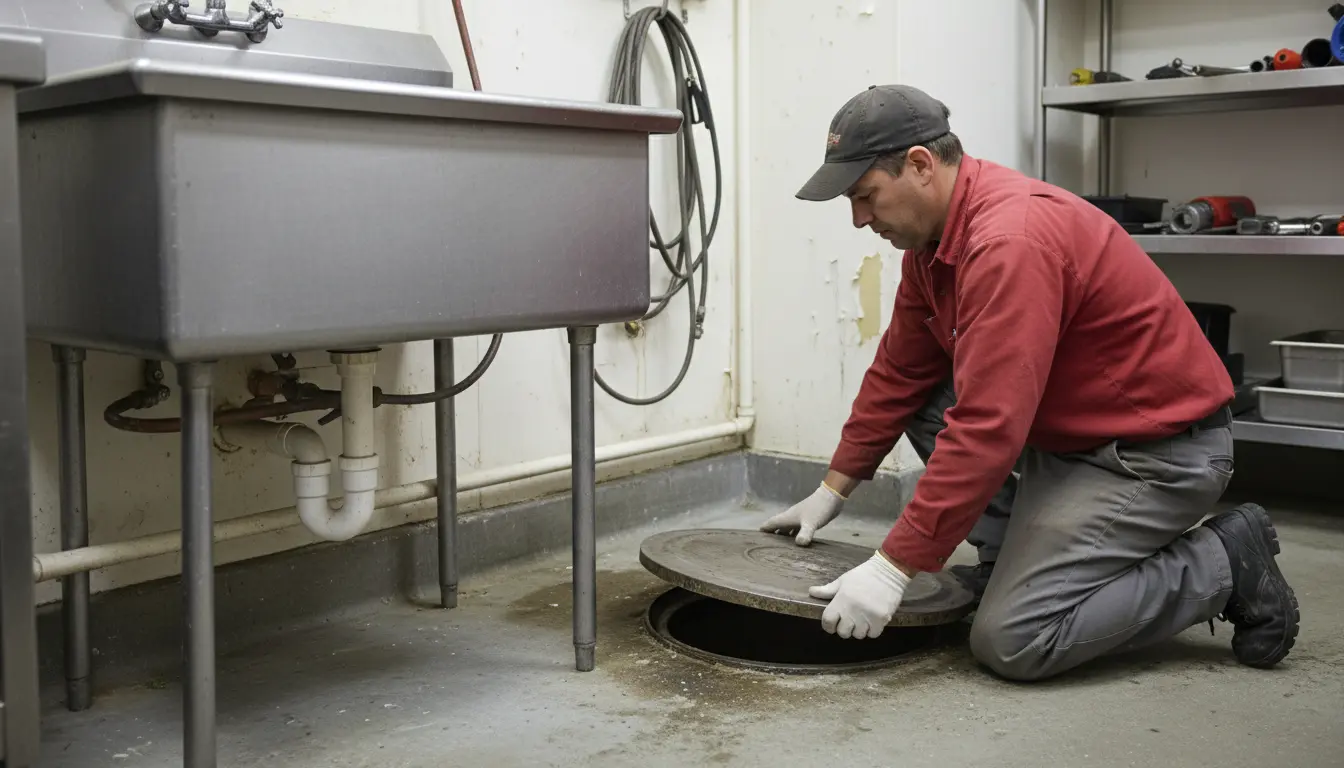
Find the Best Grease Trap Cleaning Companies for Your Business
No obligation • Fast responses • Nationwide coverage

Why you can trust Restaurant Waste Disposal
Restaurant Waste Disposal is a leading U.S. resource for comparing restaurant composting, food-waste recycling, grease trap cleaning, and used cooking oil collection services. Our editorial team researches providers, checks credentials, and organizes unbiased information so operators can make informed decisions. Companies cannot pay to change ratings or placement.
Search providers near you
Top Grease Trap Cleaning Companies in Roswell, Georgia Ranked
For restaurant owners and food service operators in Roswell, managing fats, oils, and grease (FOG) is a critical operational and legal responsibility. Effective grease trap maintenance is not just about preventing clogs; it's a mandated requirement under Georgia state law and local Fulton County ordinances. Compliance involves adhering to strict pumping schedules, maintaining detailed records, and preparing for regular inspections to avoid significant penalties and protect the local sewer infrastructure. This guide outlines the essential regulations, costs, and best practices for grease interceptor cleaning and maintenance specific to Roswell's food service establishments.
Roto-Rooter Plumbing & Water Cleanup
341 E Main St Ste 105, Canton, GA 30114
Roto-Rooter Plumbing & Water Cleanup provides comprehensive plumbing services in South Fulton, GA, specializing in both residential and commercial plumbing solutions. Their offerings include floodwater cleanup, sewer and drain cleaning, water heater repair and installation, grease trap cleaning, and mold remediation. The company is equipped to handle complex commercial plumbing needs such as high-pressure water jetting and industrial pipe restoration. With a commitment to local plumbing regulations and environmental concerns, Roto-Rooter serves a wide area including Canton and surrounding counties. They have extensive experience and offer 24/7 emergency plumbing services year-round to address urgent issues promptly.
Zoom Drain
8601 Dunwoody Pl, Sandy Springs, GA 30350
Zoom Drain is a specialist in sewer and drain cleaning services based in Sandy Springs, GA. They serve residential and commercial customers in Sandy Springs and nearby areas, offering expert solutions for clogged drains, sump pump replacements, and grease trap maintenance. The company is known for using safe and sustainable cleaning methods to extend the life of pipes and prevent damage from harsh chemicals. Zoom Drain also provides tailored maintenance plans and advanced technology to support property managers and contractors. Their services include grease trap installation and hydrojetting, addressing complex plumbing issues with experienced technicians.
Roto-Rooter Plumbing & Water Cleanup
3780 W County Line Rd # G, Douglasville, GA 30135
Roto-Rooter Plumbing & Water Cleanup provides comprehensive plumbing services in South Fulton, GA, including floodwater cleanup, sewer and drain cleaning, water heater repairs, and grease trap maintenance. Serving Douglasville and the greater Atlanta metro area, they handle both residential and commercial plumbing needs with specialized equipment such as high-pressure water jetting (hydro-jetting) and advanced sewer line repair techniques. Founded on a legacy dating back to 1935 with the invention of the motorized drain cleaner, Roto-Rooter combines decades of experience with modern technology. They offer 24/7 emergency plumbing services to address urgent issues like burst pipes, sewer backups, and water damage cleanup.
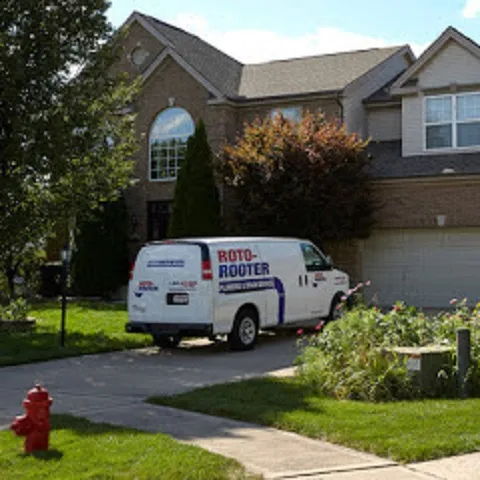
Roto-Rooter Plumbing & Water Cleanup
2805 Peachtree Industrial Blvd #110, Duluth, GA 30097
Roto-Rooter Plumbing & Water Cleanup provides a wide range of plumbing services in Sandy Springs, GA, including commercial plumbing, drain cleaning, sewer line services, water heater repairs, and grease trap cleaning. They use advanced techniques such as hydro-jetting and video camera sewer inspections to address complex plumbing issues. The company serves the Duluth metro area and offers 24/7 emergency plumbing services to handle urgent problems at any time.
Wind River Environmental
South Fulton, GA
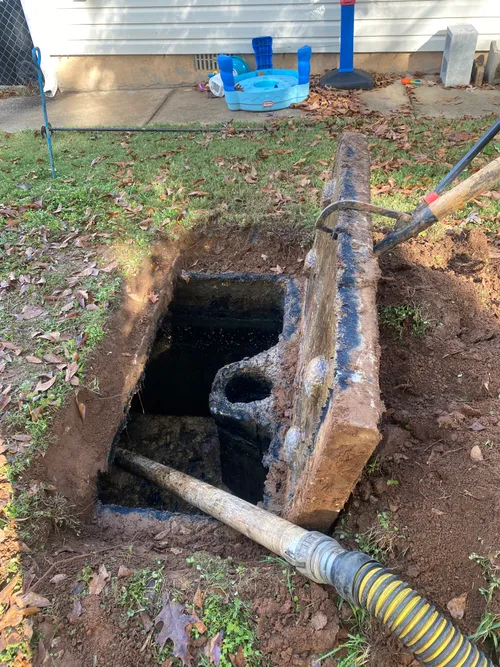
Wind River Environmental provides septic, grease trap, and drain cleaning services in South Fulton, GA. Serving residential, commercial, municipal, and industrial clients, the company offers comprehensive wastewater management solutions including septic pumping, plumbing, and system installation. With over 75 years of experience as part of the Wind River Environmental network, they ensure compliance with local regulations and environmental protection. The company also offers 24/7 emergency services to address urgent needs promptly.
Understanding Georgia and Roswell Grease Trap Regulations
The foundation for all grease trap requirements in Roswell is the Georgia State Plumbing Code, which is based on the International Plumbing Code (IPC)1. This code is enforced at the local level by Fulton County, which administers the FOG program for the city of Roswell 2. The core rule mandates that grease interceptors must be pumped out and cleaned when the accumulation of FOG and solids reaches 25% of the trap's capacity, or at a minimum of every 90 days, whichever comes first 2. This 90-day rule is a strict deadline that forms the basis of your maintenance schedule.
Local oversight requires food service establishments to obtain an annual Food Service Wastewater Discharge Permit from Fulton County/Roswell. The permit renewal period typically runs from January through March, and inspections are often tied to this renewal cycle. Facilities must also ensure their grease traps are designed with proper flow controls, venting, and are easily accessible for service technicians3. Understanding these design requirements is crucial for both new construction and when evaluating existing equipment.
The Inspection and Enforcement Process
Local authorities conduct regular inspections to ensure compliance with FOG ordinances. Inspectors will check for a valid permit, examine the physical condition and grease level in your interceptor, and most importantly, review your maintenance records. You are required to keep detailed, on-site logs of every pump-out and cleaning service. These records must include manifests or invoices from your certified waste hauler, which serve as proof of proper disposal.
Failure to comply can trigger a cascade of consequences. An initial violation often leads to a re-inspection, which may carry a fee of approximately $100 or more4 5. Continued non-compliance can result in substantial fines. While specific amounts can vary, penalties for grease trap violations in Georgia can be severe, with some jurisdictions having the authority to levy fines of up to $15,000 per day for serious infractions5. In extreme cases, persistent violations can lead to a disruption of sewer service or even business closure5. The goal of enforcement is to prevent FOG from entering the public sewer system, where it can cause costly blockages and environmental damage.
Costs of Grease Interceptor Maintenance
Budgeting for regular grease trap service is a necessary operational expense. For a standard scheduled pump-out and cleaning in the Roswell area, restaurants can typically expect costs to range from $250 to $400 or more per service. The final price depends on factors like the size and location of the trap, the volume of grease and solids to be removed, and the service provider.
It is vital to view this as a preventive cost. Emergency service calls for a severely clogged or overflowing trap are significantly more expensive, often ranging from $800 to $1,200 or higher 6. Annually, a restaurant adhering to the 90-day schedule should budget between $2,000 and $5,000 for routine grease trap maintenance, depending on their specific service needs6. This investment pales in comparison to the potential fines, repair costs for damaged plumbing, and lost business revenue resulting from a major sewer backup or enforcement action.
Find the perfect grease trap cleaning companies for your needs
Get personalized recommendations and expert advice
A Step-by-Step Compliance Plan for Roswell Restaurants
Staying compliant requires a proactive system. Follow this actionable plan to manage your grease trap obligations effectively:
- Secure Your Permit: Annually apply for or renew your Food Service Wastewater Discharge Permit with the local Fulton County/Roswell program before the deadline.
- Contract a Certified Hauler: Establish a service contract with a licensed and insured grease trap cleaning company. Schedule regular service intervals (every 1-3 months) based on your kitchen's volume and the 25% capacity rule7 8.
- Meticulously Maintain Records: Create a dedicated logbook or digital file for all grease interceptor maintenance. File every service manifest and invoice immediately after service. Keep these records readily available on-site for inspectors9 10.
- Implement Staff Training: Educate all kitchen staff on FOG best practices. This includes scraping plates into trash bins before washing, using sink strainers, and avoiding pouring grease down any drain.
- Conduct Visual Checks: Assign a manager to perform weekly visual inspections of the grease trap. Monitor the grease and solid levels to ensure they remain below the 25% threshold and to verify your service schedule is adequate11.
Best Practices Beyond Basic Pumping
While regular pumping is non-negotiable, optimizing your overall FOG management can improve efficiency and reduce costs. Consider installing a grease recovery device (GRD) in the kitchen to capture grease at the source before it enters the trap. Regularly inspect and clean kitchen drain lines and baffles. Furthermore, work with your service provider to analyze your waste manifests; trends in volume can indicate changes in kitchen operations or potential issues with staff practices. A holistic approach to grease management not only ensures compliance but also contributes to a smoother-running kitchen and a healthier local environment.
Frequently asked questions
Sources
Footnotes
-
Chapter 10 Traps, Interceptors and Separators: Georgia ... - UpCodes - https://up.codes/viewer/georgia/ipc-2012/chapter/10/traps-interceptors-and-separators ↩
-
Georgia FOG & Used Oil Rules: Permits, Fines, 90-Day Limit - https://greaseconnections.com/resources/compliance/ga/ ↩ ↩2
-
GAC - Subject 511-3-1 ON-SITE SEWAGE MANAGEMENT SYSTEMS - https://rules.sos.ga.gov/gac/511-3-1 ↩
-
Georgia Grease Ordinance: All County Fees & Deadlines - https://greaseconnections.com/georgia-grease-ordinance-fees-deadlines/ ↩
-
Understanding the Fines and Penalties for Grease Trap ... - https://www.southerngreen.com/blog/understanding-the-fines-and-penalties-for-grease-trap-violations ↩ ↩2 ↩3
-
Ultimate Grease Trap Pumping Cost Guide: Essential Money-Saving ... - https://www.texwaywastewater.com/grease-trap-pumping-cost/ ↩ ↩2
-
How to Clean a Grease Trap (and How Often You Should) - https://greaseconnections.com/how-to-clean-a-grease-trap-and-how-often-you-should/ ↩
-
Grease Trap Regulations and Compliance: What You Need to ... - https://www.texwaywastewater.com/grease-trap-regulations-and-compliance/ ↩
-
Complying with Grease Trap Codes: 5 Essential Tips - https://www.unitedsewerservice.com/complying-with-local-regulations-and-codes-for-grease-trap-maintenance/ ↩
-
§ 154-297.03. Maintenance and inspection requirements for new ... - http://atlanta.elaws.us/code/coor_ptii_ch154_artv_div4_sec154-297.03 ↩
-
The Ultimate Guide to Restaurant Grease Trap Cleaning - https://mokherplumbing.com/ultimate-guide-restaurant-grease-trap-cleaning/ ↩