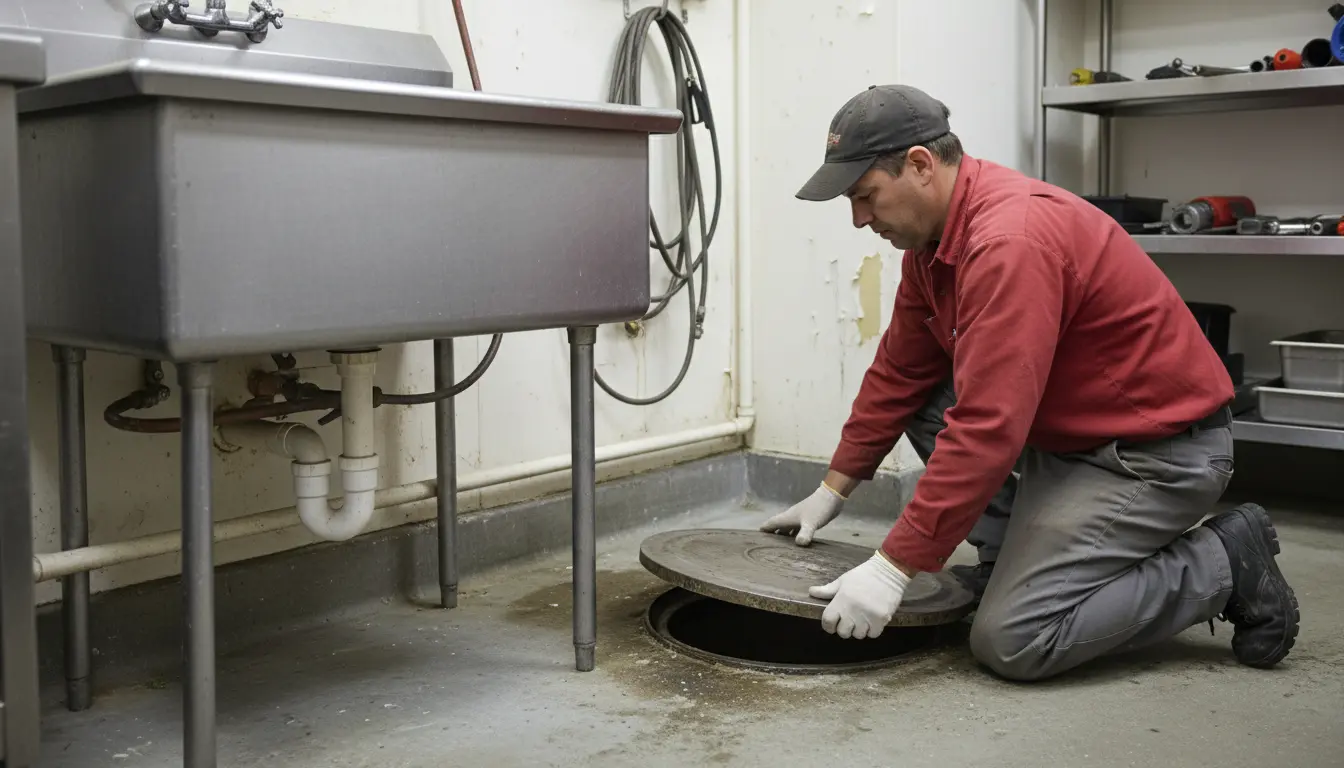
Find the Best Grease Trap Cleaning Companies for Your Business
No obligation • Fast responses • Nationwide coverage

Why you can trust Restaurant Waste Disposal
Restaurant Waste Disposal is a leading U.S. resource for comparing restaurant composting, food-waste recycling, grease trap cleaning, and used cooking oil collection services. Our editorial team researches providers, checks credentials, and organizes unbiased information so operators can make informed decisions. Companies cannot pay to change ratings or placement.
Search providers near you
Top Grease Trap Cleaning Companies in Marietta, Georgia Ranked
For restaurant owners and facility managers in Marietta, maintaining a compliant and efficient grease interceptor system is a critical, non-negotiable part of operations. The local regulations, enforced by both the City of Marietta and Cobb County, are designed to protect the public sewer system from costly and disruptive blockages caused by fats, oils, and grease (FOG). Adhering to a strict schedule for grease trap pumping and proper documentation isn't just about avoiding fines-it's essential for the smooth running of your business and the health of the community's infrastructure. This guide outlines the specific requirements, best practices, and potential costs for managing your grease recovery system in compliance with local codes.
Roto-Rooter Plumbing & Water Cleanup
341 E Main St Ste 105, Canton, GA 30114
Roto-Rooter Plumbing & Water Cleanup provides comprehensive plumbing services in South Fulton, GA, specializing in both residential and commercial plumbing solutions. Their offerings include floodwater cleanup, sewer and drain cleaning, water heater repair and installation, grease trap cleaning, and mold remediation. The company is equipped to handle complex commercial plumbing needs such as high-pressure water jetting and industrial pipe restoration. With a commitment to local plumbing regulations and environmental concerns, Roto-Rooter serves a wide area including Canton and surrounding counties. They have extensive experience and offer 24/7 emergency plumbing services year-round to address urgent issues promptly.
Zoom Drain
8601 Dunwoody Pl, Sandy Springs, GA 30350
Zoom Drain is a specialist in sewer and drain cleaning services based in Sandy Springs, GA. They serve residential and commercial customers in Sandy Springs and nearby areas, offering expert solutions for clogged drains, sump pump replacements, and grease trap maintenance. The company is known for using safe and sustainable cleaning methods to extend the life of pipes and prevent damage from harsh chemicals. Zoom Drain also provides tailored maintenance plans and advanced technology to support property managers and contractors. Their services include grease trap installation and hydrojetting, addressing complex plumbing issues with experienced technicians.
Roto-Rooter Plumbing & Water Cleanup
3780 W County Line Rd # G, Douglasville, GA 30135
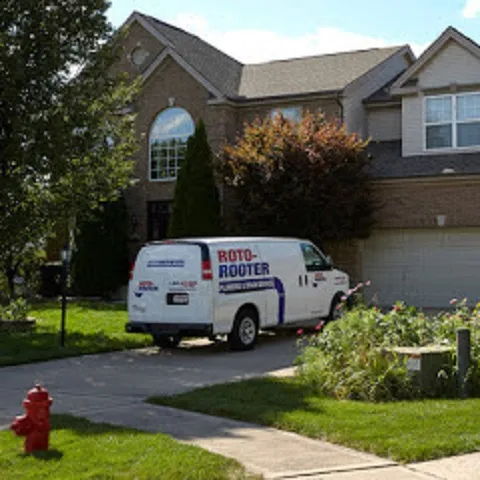
Roto-Rooter Plumbing & Water Cleanup provides comprehensive plumbing services in South Fulton, GA, including floodwater cleanup, sewer and drain cleaning, water heater repairs, and grease trap maintenance. Serving Douglasville and the greater Atlanta metro area, they handle both residential and commercial plumbing needs with specialized equipment such as high-pressure water jetting (hydro-jetting) and advanced sewer line repair techniques. Founded on a legacy dating back to 1935 with the invention of the motorized drain cleaner, Roto-Rooter combines decades of experience with modern technology. They offer 24/7 emergency plumbing services to address urgent issues like burst pipes, sewer backups, and water damage cleanup.
Roto-Rooter Plumbing & Water Cleanup
2805 Peachtree Industrial Blvd #110, Duluth, GA 30097
Roto-Rooter Plumbing & Water Cleanup provides a wide range of plumbing services in Sandy Springs, GA, including commercial plumbing, drain cleaning, sewer line services, water heater repairs, and grease trap cleaning. They use advanced techniques such as hydro-jetting and video camera sewer inspections to address complex plumbing issues. The company serves the Duluth metro area and offers 24/7 emergency plumbing services to handle urgent problems at any time.
Wind River Environmental
South Fulton, GA
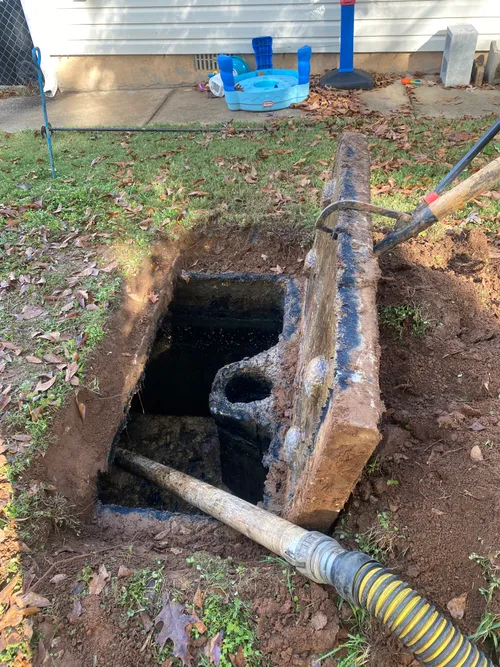
Wind River Environmental provides septic, grease trap, and drain cleaning services in South Fulton, GA. Serving residential, commercial, municipal, and industrial clients, the company offers comprehensive wastewater management solutions including septic pumping, plumbing, and system installation. With over 75 years of experience as part of the Wind River Environmental network, they ensure compliance with local regulations and environmental protection. The company also offers 24/7 emergency services to address urgent needs promptly.
Understanding Marietta and Cobb County FOG Regulations
Local ordinances mandate a proactive approach to grease management. The core principle is prevention: stopping FOG from entering the wastewater system before it can congeal and cause problems. The rules are explicit and leave little room for interpretation, making it crucial for food service establishments to understand their obligations.
Key Regulatory Bodies:
- City of Marietta: Provides specific guidelines for grease control within city limits.
- Cobb County Water System: Enforces regulations for the broader county, including mandates for manifest submission.
- Georgia Environmental Protection Division (EPD): Sets the statewide permitting standards for commercial waste haulers.
Mandatory Service Frequency and Pumping Requirements
The cornerstone of local compliance is a mandatory pumping schedule. Marietta and Cobb County require that grease interceptors be pumped out a minimum of once every three months (quarterly)1 2. However, this is a baseline. High-volume kitchens, such as those in large restaurants or institutional cafeterias, may find their traps fill much faster. In these cases, monthly or bi-monthly service may be necessary to prevent overflows and ensure compliance. The rule of thumb is that a trap should never be more than 25% full of FOG and solids.
The pumping itself must be performed "dry" and by a licensed professional. This means the entire contents of the trap-grease, scum, wastewater, and solids-are completely removed, not just the top layer of fat. Crucially, the service provider must be an EPD-permitted hauler. Using an unpermitted company for grease trap cleaning will not satisfy legal requirements, as they cannot provide the necessary documentation for the next critical step.
The Critical Importance of Manifest Submission
Pumping your trap is only half the job. Proof of service is equally important. Within 14 business days of a pumping service, a signed manifest from the hauler must be submitted to Cobb County at FOG@cobbcounty.gov. This document is your legal receipt, proving to inspectors that you have fulfilled your quarterly obligation.
Failure to submit this proof on time is a common violation. It effectively renders the service invisible in the eyes of the regulator, leaving you non-compliant despite having paid for the cleaning. Setting a calendar reminder for this 14-day window is a simple but vital administrative task.
What to Expect During an Inspection
Cobb County conducts unannounced inspections of food service establishments to verify compliance with FOG regulations. An inspector will typically:
- Check the physical condition of the grease interceptor.
- Review your maintenance records.
- Ask for copies of your submitted manifests.
If your trap is overfull, shows signs of bypass, or if you cannot produce manifests for the required periods, you will fail the inspection. This triggers a Notice of Violation (NOV). The NOV is a formal directive that requires immediate corrective action, usually within a very short timeframe (e.g., 24-72 hours). You must then schedule an emergency pumping, submit the new manifest as proof, and often pay a re-inspection fee. Repeated or uncorrected violations can lead to significant fines and, in extreme cases, a suspension of your water service or business operations.
Find the perfect grease trap cleaning companies for your needs
Get personalized recommendations and expert advice
Cost Considerations for Grease Interceptor Maintenance
The cost of grease trap maintenance in Marietta is directly tied to your diligence. Proactive, scheduled service is far more economical than reactive, emergency cleanings.
- Standard Quarterly Pumping: For a well-maintained trap that is pumped regularly, you can expect costs to range from $250 to $400 per service. This price typically covers the pumping, hauling, and proper disposal of the waste.
- Emergency or Neglected Trap Cleaning: If a trap is severely neglected-filled with hardened grease and solids-the job becomes exponentially more difficult. Service providers may need to use high-pressure jetting, manual scraping, or extended labor time. In these cases, costs can easily triple, reaching $800 to $1,200 or more3 4. Additionally, you will likely incur county re-inspection fees, which can be around $100 per trap5.
Investing in regular maintenance is the most effective way to control this operational expense.
Proactive Best Practices for Your Kitchen
Beyond hiring the right service provider, daily habits in your kitchen are your first line of defense.
- Staff Training: Every employee should be trained to scrape all food scraps into the trash bin before rinsing plates, pots, or pans6. "Dry-wiping" cookware before washing is also highly effective.
- Use Strainers: Install and maintain sink basket strainers to catch solid food particles.
- Avoid Additives: Do not use bacterial or enzymatic "grease digester" products as a substitute for physical pumping. While they can be used as a supplement between pumpings, they are not approved by Cobb County as an alternative to mechanical cleaning 7.
- Keep Records: Maintain an organized, on-site log of all pumping services and a file of submitted manifest confirmations. This makes inspection day smooth and stress-free.
The Risks of Non-Compliance
Ignoring grease trap regulations is a high-risk strategy. The consequences extend beyond a one-time fine. Chronic non-compliance can lead to:
- Repeated Re-inspection Fees: Each follow-up inspection costs money.
- Substantial Fines: Penalties can accumulate daily until the violation is corrected.
- Sewer Backups: A severely blocked building sewer line can lead to expensive, disruptive, and unsanitary backups in your own facility.
- Public Sewer Spills: If FOG from your establishment contributes to a public sewer line blockage (a "sanitary sewer overflow" or SSO), you can be held liable for the significant cleanup and environmental remediation costs.
- Operational Shutdown: In persistent cases, the county can take action to disconnect your water service, effectively forcing you to close until the issue is resolved8.
Frequently asked questions
Sources
Footnotes
-
Food Establishments | Cobb County Georgia - https://www.cobbcounty.gov/water-education/non-residential-industry-specific/food-establishments ↩
-
Grease Control | Marietta, GA - https://www.mariettaga.gov/558/Grease-Control ↩
-
Ultimate Grease Trap Pumping Cost Guide: Essential Money-Saving ... - https://www.texwaywastewater.com/grease-trap-pumping-cost/ ↩
-
How Much Does a Proper Grease Trap Cleaning Cost? - https://hulseyenvironmental.com/how-much-does-a-proper-grease-trap-cleaning-partner-cost/ ↩
-
Georgia Grease Ordinance: All County Fees & Deadlines - https://greaseconnections.com/georgia-grease-ordinance-fees-deadlines/ ↩
-
Grease Trap Restaurant: The Essential Guide - https://therestaurantwarehouse.com/blogs/restaurant-equipment/grease-trap-restaurant-guide ↩
-
Grease Recovery Systems - Amazon S3 - https://s3.us-west-2.amazonaws.com/cobbcounty.org.if-us-west-2/prod/2018-08/grease-recovery_eng_0.pdf ↩
-
Grease Trap Failed Atlanta Watershed Inspection? | Southern Green - https://www.southerngreen.com/blog/what-happens-when-a-grease-trap-fails-inspection-under-atlantas-watershed-rules ↩