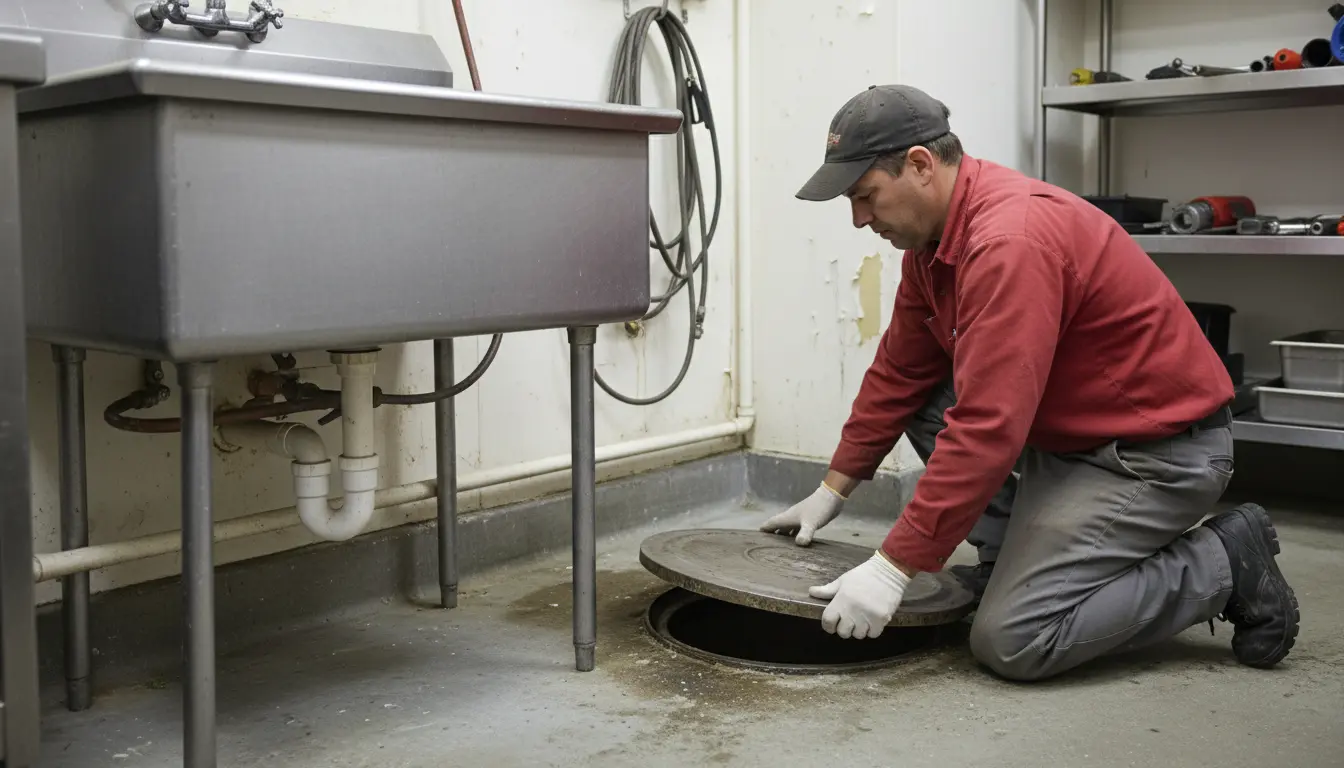
Find the Best Grease Trap Cleaning Companies for Your Business
No obligation • Fast responses • Nationwide coverage

Why you can trust Restaurant Waste Disposal
Restaurant Waste Disposal is a leading U.S. resource for comparing restaurant composting, food-waste recycling, grease trap cleaning, and used cooking oil collection services. Our editorial team researches providers, checks credentials, and organizes unbiased information so operators can make informed decisions. Companies cannot pay to change ratings or placement.
Search providers near you
Top Grease Trap Cleaning Companies in Dunwoody, Georgia Ranked
For restaurant owners and managers in Dunwoody, maintaining a compliant and efficient grease management system is a critical operational responsibility. The city, situated within Fulton and DeKalb counties, enforces specific regulations to prevent fats, oils, and grease (FOG) from entering the public sewer system, which can lead to costly blockages and environmental issues. Adhering to a regular cleaning schedule for your grease interceptor is not just about avoiding fines; it's essential for the smooth operation of your kitchen and the longevity of your plumbing. This guide outlines the local requirements, typical costs, and best practices for effective FOG control in Dunwoody food service establishments.
Roto-Rooter Plumbing & Water Cleanup
341 E Main St Ste 105, Canton, GA 30114
Roto-Rooter Plumbing & Water Cleanup provides comprehensive plumbing services in South Fulton, GA, specializing in both residential and commercial plumbing solutions. Their offerings include floodwater cleanup, sewer and drain cleaning, water heater repair and installation, grease trap cleaning, and mold remediation. The company is equipped to handle complex commercial plumbing needs such as high-pressure water jetting and industrial pipe restoration. With a commitment to local plumbing regulations and environmental concerns, Roto-Rooter serves a wide area including Canton and surrounding counties. They have extensive experience and offer 24/7 emergency plumbing services year-round to address urgent issues promptly.

Zoom Drain
8601 Dunwoody Pl, Sandy Springs, GA 30350
Zoom Drain is a specialist in sewer and drain cleaning services based in Sandy Springs, GA. They serve residential and commercial customers in Sandy Springs and nearby areas, offering expert solutions for clogged drains, sump pump replacements, and grease trap maintenance. The company is known for using safe and sustainable cleaning methods to extend the life of pipes and prevent damage from harsh chemicals. Zoom Drain also provides tailored maintenance plans and advanced technology to support property managers and contractors. Their services include grease trap installation and hydrojetting, addressing complex plumbing issues with experienced technicians.
Roto-Rooter Plumbing & Water Cleanup
3780 W County Line Rd # G, Douglasville, GA 30135
Roto-Rooter Plumbing & Water Cleanup provides comprehensive plumbing services in South Fulton, GA, including floodwater cleanup, sewer and drain cleaning, water heater repairs, and grease trap maintenance. Serving Douglasville and the greater Atlanta metro area, they handle both residential and commercial plumbing needs with specialized equipment such as high-pressure water jetting (hydro-jetting) and advanced sewer line repair techniques. Founded on a legacy dating back to 1935 with the invention of the motorized drain cleaner, Roto-Rooter combines decades of experience with modern technology. They offer 24/7 emergency plumbing services to address urgent issues like burst pipes, sewer backups, and water damage cleanup.
Roto-Rooter Plumbing & Water Cleanup
2805 Peachtree Industrial Blvd #110, Duluth, GA 30097
Roto-Rooter Plumbing & Water Cleanup provides a wide range of plumbing services in Sandy Springs, GA, including commercial plumbing, drain cleaning, sewer line services, water heater repairs, and grease trap cleaning. They use advanced techniques such as hydro-jetting and video camera sewer inspections to address complex plumbing issues. The company serves the Duluth metro area and offers 24/7 emergency plumbing services to handle urgent problems at any time.
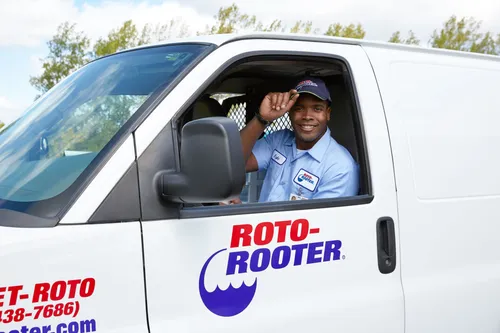
Roto-Rooter Plumbing & Water Cleanup
997 Commerce Dr SW Ste 300, Conyers, GA 30094
Roto-Rooter Plumbing & Water Cleanup provides a wide range of plumbing services in Stonecrest, GA, including residential and commercial plumbing, drain cleaning, sewer line repair, and grease trap cleaning. They offer specialized capabilities such as hydro-jetting and water damage cleanup. The company serves multiple counties around Conyers and has a strong local presence. Roto-Rooter is available 24/7 for emergency plumbing services, ensuring help is accessible anytime.
Understanding Local Grease Management Ordinances
Dunwoody restaurants must comply with a combination of local city codes and broader county-level regulations from Fulton or DeKalb. The primary goal of these rules is to protect the municipal wastewater infrastructure. A cornerstone of compliance is the proper installation and maintenance of a grease trap or grease interceptor sized appropriately for your kitchen's volume 1. Before opening or renovating, establishments are required to submit plumbing plans and obtain the necessary permits. An annual wastewater discharge permit is also typically mandatory, with fees often based on the number of traps at your location. Late applications for these permits can incur significant penalties, such as a 25% late fee on top of the standard cost.
Mandatory Cleaning Frequency and Documentation
How often you need to schedule grease trap pumping is dictated by your specific operation and local code. General guidance for Georgia suggests cleaning every 1 to 3 months, with a common standard being quarterly (every 90 days). However, high-volume kitchens-such as those operating 24/7, using solid fuels, or with particularly high grease output-will likely be required to clean their traps monthly. The key metric is the "25% rule": a trap should be serviced once the combined FOG and solids accumulate to 25% of the unit's volume.
Crucially, you must keep detailed records of every service. After each cleaning, your service provider should supply a report documenting the date, volume of waste removed, and the condition of the trap. These logs are not just for your files; they are often required for annual permit renewals and will be inspected during city or county compliance checks.
Inspection Schedules, Enforcement, and Penalties
Local authorities conduct regular inspections to ensure compliance with FOG management programs. Failing an inspection can trigger a cascade of expenses and operational headaches. You will typically face a re-inspection fee, which can be approximately $100 or more per grease trap 2. More seriously, violations often carry minimum fines that can start at $1,000 or higher 2 3. For severe or repeat offenses, the city has the authority to suspend your wastewater discharge permit or even force a temporary closure until the issues are rectified 4. Proactive maintenance is far less costly than reacting to a violation notice.
Cost of Grease Trap Services in Dunwoody
The price for routine grease trap maintenance varies based on the size and location of your unit, as well as its condition. For a standard indoor grease trap, a routine pump-and-clean service in the Dunwoody area typically ranges from $175 to $475 per service visit 5 6. Larger outdoor grease interceptors, which handle higher volumes, cost more to service, with prices generally ranging from $325 to over $1,040 5 7.
It's important to understand that neglect directly impacts cost. A severely clogged or poorly maintained trap requires significantly more labor and time to clean, potentially tripling the standard service rate. When you factor in the potential for fines and re-inspection fees, investing in regular preventative maintenance is the most financially sound strategy.
Find the perfect grease trap cleaning companies for your needs
Get personalized recommendations and expert advice
The Risks of Chemical "Maintenance" vs. Physical Cleaning
Some products claim to dissolve grease, allowing it to pass through the trap. However, most local codes, including those affecting Dunwoody, require the physical removal of FOG. Chemicals may simply move the grease problem further down the line, where it can cool, solidify, and cause blockages in the public sewer-which you can be held liable for 8. Always ensure your service provider performs a complete physical pumping and cleaning of the trap, leaving it empty and ready for use, rather than relying on additives.
Choosing a Compliant Service Provider
Not all cleaning services are equal in the eyes of the inspector. To stay compliant, it's essential to hire a licensed, professional grease trap cleaning company. The right provider will:
- Be fully insured and licensed to handle and transport grease waste.
- Provide you with a detailed, professional service report after every cleaning for your records.
- Understand the specific nuances of Dunwoody, Fulton County, and DeKalb County codes.
- Offer guidance on optimal scheduling based on your kitchen's output.
Action Plan for Dunwoody Restaurant Operators
- Confirm Local Requirements: Your first step should be to contact the Dunwoody Public Works Department or the relevant county water authority to get the most current copy of the local grease control ordinance. Clarify your specific permit and inspection schedule.
- Audit Your Current System: Verify the size and location of your grease interceptor. Review your service logs to ensure you are meeting or exceeding the required cleaning frequency.
- Schedule Preventative Maintenance: Based on your volume, set up a recurring service schedule-monthly for high-use kitchens, quarterly for standard operations. Stick to this schedule religiously.
- Maintain Impeccable Records: Keep all permits, service reports, and inspection documents in an easily accessible file. This is your first line of defense during a compliance check.
By prioritizing a proactive grease management plan, you protect your business from unexpected costs, ensure your kitchen runs efficiently, and contribute to the health of Dunwoody's community infrastructure.
Frequently asked questions
Sources
Footnotes
-
Gwinnett County Grease Management Laws Explained - https://liquidrecover.com/gwinnett-county-grease-management-laws/ ↩
-
Georgia Grease Ordinance: All County Fees & Deadlines - https://greaseconnections.com/georgia-grease-ordinance-fees-deadlines/ ↩ ↩2
-
Professional Grease Trap Cleaning | Atlanta & Georgia - https://www.premiergrease.com/grease-trap-cleaning.html ↩
-
Grease Trap Cleaning Guide: 25% Rule, Schedule & Compliance - https://greaseconnections.com/how-to-clean-a-grease-trap-and-how-often-you-should/ ↩
-
How Much Does a Proper Grease Trap Cleaning Cost? - https://hulseyenvironmental.com/how-much-does-a-proper-grease-trap-cleaning-partner-cost/ ↩ ↩2
-
The Cost To Clean A Grease Trap For Restaurants - https://thegreasecompany.com/blog/greasetrapcleaningcost/ ↩
-
Restaurant Grease Trap & Interceptor Cleaning Cost - https://greasemanagement.org/pricing.html ↩
-
Grease Trap Pumping Cost vs. Grease Trap Maintenance Cost - https://www.stateindustrial.com/video/cost-comparison-pumping-v-chemicals-to-maintain-a-grease-trap/ ↩