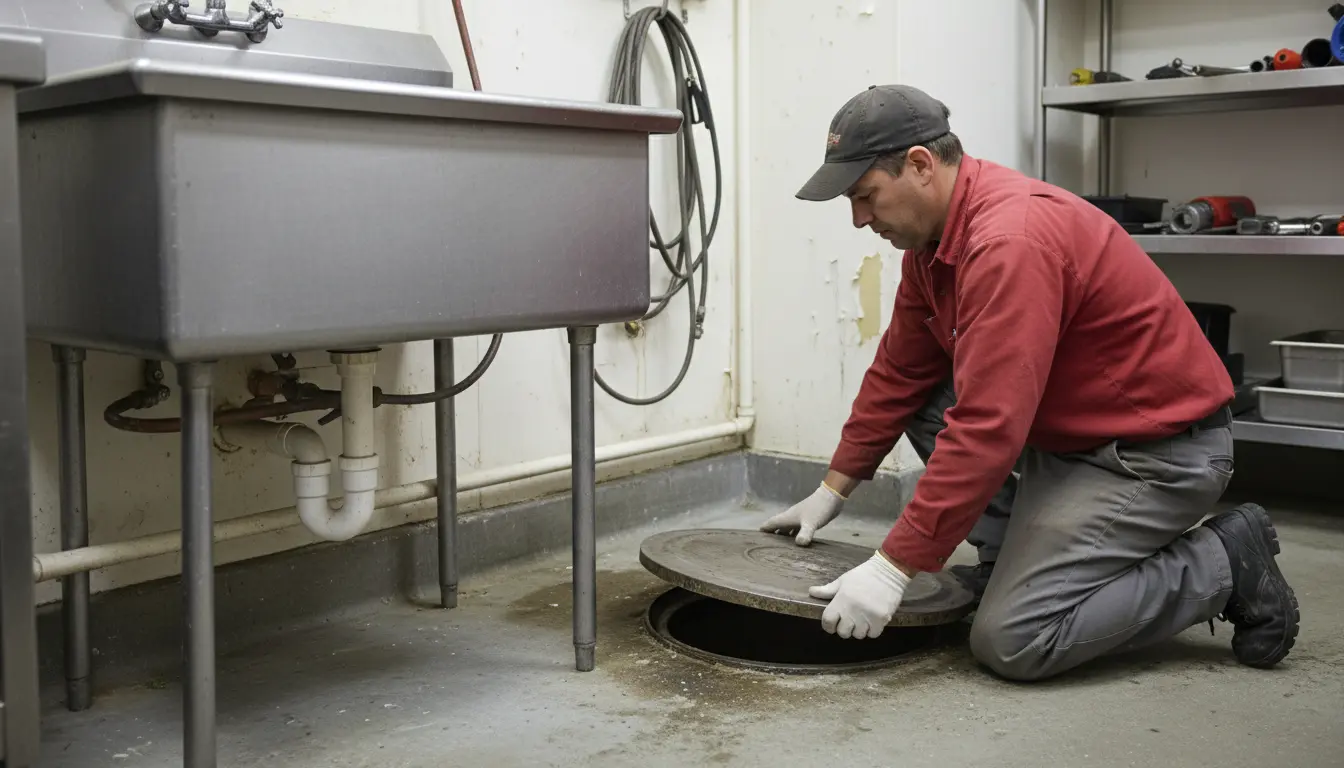
Find the Best Grease Trap Cleaning Companies for Your Business
No obligation • Fast responses • Nationwide coverage

Why you can trust Restaurant Waste Disposal
Restaurant Waste Disposal is a leading U.S. resource for comparing restaurant composting, food-waste recycling, grease trap cleaning, and used cooking oil collection services. Our editorial team researches providers, checks credentials, and organizes unbiased information so operators can make informed decisions. Companies cannot pay to change ratings or placement.
Search providers near you
Top Grease Trap Cleaning Companies in Waterbury, Connecticut Ranked
For any restaurant, food service establishment, or commercial kitchen in Waterbury, maintaining a clean and compliant grease trap (or grease interceptor) is a non-negotiable part of daily operations. These essential plumbing devices capture fats, oils, and grease (FOG) before they enter the municipal sewer system, protecting your property from costly clogs and backups while safeguarding the city's infrastructure. In Waterbury, adherence to specific local and state FOG regulations is mandatory, with strict requirements for cleaning frequency, record-keeping, and proper disposal. Proactive grease interceptor maintenance isn't just about avoiding fines; it's a critical practice for ensuring a safe, efficient, and odor-free kitchen environment.
Wind River Environmental
Danbury, CT
Wind River Environmental provides septic, plumbing, and grease trap services in Danbury, CT, serving residential, commercial, and municipal clients. The company offers comprehensive septic system maintenance, pumping, and repair, with expertise in local regulations to ensure compliance and environmental protection. Established in 1946, Wind River Environmental brings decades of experience and advanced technology to the community. They also provide 24/7 emergency service to address urgent wastewater issues promptly.
Roto-Rooter Plumbing & Water Cleanup
750 Main St Ste 321, Hartford, CT 06103
Roto-Rooter Plumbing & Water Cleanup offers comprehensive plumbing and water cleanup services in Hartford, CT. They serve both residential and commercial clients, providing solutions such as floodwater cleanup, sewer and drain cleaning, faucet and water heater repairs, grease trap cleaning, and mold remediation. Their commercial services include high-pressure water jetting (hydro-jetting), sewer line excavation, and grease trap maintenance. With a focus on the unique environmental factors of the Hartford area, Roto-Rooter also provides 24/7 emergency plumbing services to address urgent issues like burst pipes and sewer backups. They serve Hartford and surrounding communities including Avon, East Hartford, and West Hartford.
American Rooter
755 Thomaston Rd, Watertown, CT 06795
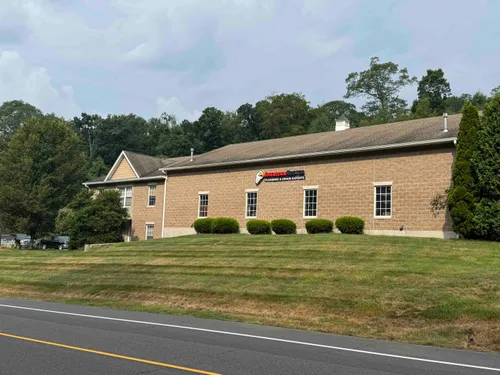
American Rooter is a family-owned plumbing and drain service company based in Waterbury, CT, serving residential, commercial, industrial, and municipal clients. Since 1980, they have provided a wide range of services including plumbing repairs, drain cleaning, grease trap cleaning, pipe lining, excavation, and hydro-excavation. Their capabilities include advanced trenchless pipe lining technologies such as Cured-in-Place-Pipelining (CIPP) and various pipe repair methods. They operate 24 hours a day, 365 days a year to address plumbing and drain emergencies promptly.
Pembroke Pumping Services
45 Beaver Brook Rd, Danbury, CT 06810
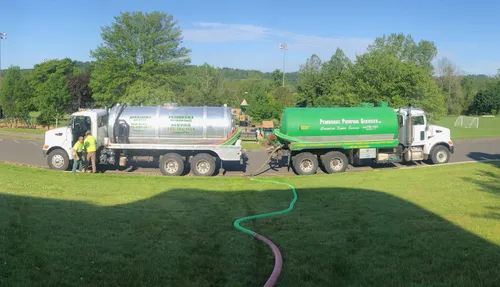
Pembroke Pumping Services is a family-owned and operated business based in Danbury, CT, with over 45 years of experience. They provide a range of services including grease trap cleaning, septic pumping and repairs, electric snaking, high pressure water jetting, and portable toilet rentals. Their service area covers Danbury and several surrounding towns. The company is licensed and insured, offering flexible scheduling and support.
Chipman Septic Services
Waterbury, CT
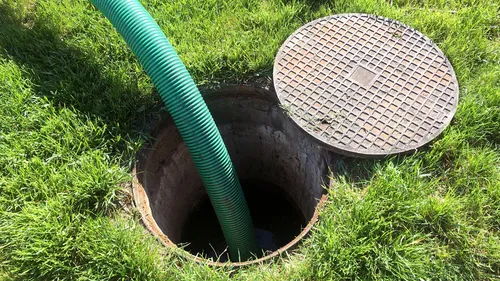
Chipman Septic Services is a locally owned and operated company based in Prospect, CT, serving Waterbury and surrounding areas including New Haven, Hartford, and Litchfield counties. They specialize in septic pumping, repair, installation, and inspection services, as well as grease trap cleaning for businesses. The team uses modern equipment and techniques to ensure thorough maintenance and precise septic system installations. Chipman Septic Services offers 24-hour availability and same-day service to address urgent needs and routine maintenance alike.
Understanding Waterbury's FOG Regulations
Compliance in Waterbury is governed by both city ordinances and the requirements of the Metropolitan District Commission (MDC), which manages wastewater for the region 1. The core rule is clear: grease traps and interceptors must be pumped and cleaned when the FOG and solids accumulation reaches 25% of the operating depth or at least every three months (quarterly), whichever comes first 1 2. This "25% rule" is a critical benchmark that requires regular internal inspection by the property owner or manager.
Beyond just cleaning, the regulations mandate detailed record-keeping. Establishments must maintain logs of all inspections, cleanings, and pump-outs. These records should include dates, the volume of waste removed, and the name of the service provider who performed the work. Having this documentation readily available is crucial for demonstrating compliance during inspections by the city or MDC. Furthermore, all collected FOG waste must be transported and disposed of at approved facilities, ensuring it does not simply create an environmental problem elsewhere.
Determining Your Cleaning Schedule
While the quarterly minimum is the standard, the optimal cleaning frequency for your specific operation often depends on your kitchen's volume. A high-volume restaurant or a facility with significant frying operations may find that its grease interceptor fills to the 25% threshold much faster, necessitating monthly or even bi-monthly service 3 4. Conversely, a lower-volume cafe might manage with strict quarterly maintenance.
Ignoring the schedule carries significant risk. Beyond the immediate plumbing nightmare of slow drains and backups, non-compliance can lead to enforcement actions. The City of Waterbury and the MDC can issue substantial fines for violations, especially if FOG discharges contribute to sewer line blockages or overflows 5. Proactive maintenance is always less expensive than emergency service calls, regulatory penalties, and potential reputational damage from a sewage incident.
Recognizing Signs You Need Service
Don't wait for an inspection notice or a complete blockage. Kitchen staff should be trained to identify the early warning signs that a grease trap requires attention:
- Slow Draining: Sinks and floor drains that drain sluggishly are often the first indicator of FOG buildup in the trap or downstream pipes.
- Foul Odors: Persistent, unpleasant smells emanating from drains are a classic sign of decomposing grease and food solids in the trap.
- Visible Grease: Seeing a greasy film in water or noticing grease accumulation around drain covers.
- Gurgling Sounds: Unusual noises from drains can indicate a partial blockage.
- Pest Issues: An improperly maintained trap can attract insects and rodents.
If you notice any of these signs, it's a strong indication that your current maintenance schedule may be insufficient and requires adjustment.
Cost Factors for Grease Interceptor Service
The cost for professional grease trap pumping and cleaning in Waterbury varies based on several key factors. Understanding these can help you budget effectively:
- Trap Size and Type: A small, indoor grease trap under a sink will cost significantly less to service ($175 - $475 on average) than a large, outdoor concrete grease interceptor, which can range from $325 to over $1,000 per cleaning 6 7 8.
- Accessibility: An easily accessible, outdoor interceptor is simpler and faster to service than one located in a cramped basement or requiring special equipment to reach.
- Accumulation Level: A regularly maintained trap that is pumped at the 25% threshold will generally cost less than one that is severely clogged and requires extensive labor to break up solidified grease.
- Service Frequency: Establishing a regular preventative maintenance contract can often be more cost-effective than scheduling one-off emergency services 9.
The most significant cost savings, however, come from kitchen best practices. Training staff to scrape plates thoroughly, use sink strainers, and minimize the pouring of oils and grease down the drain can dramatically reduce the rate of FOG accumulation in your trap, extending time between services and reducing long-term costs 10.
Find the perfect grease trap cleaning companies for your needs
Get personalized recommendations and expert advice
The Importance of Proper Documentation and Disposal
Maintaining a compliance binder is as important as the cleaning itself. Your records are your first line of defense in an inspection. A well-organized log should include:
- Inspection Dates & Findings: Document each internal quarterly inspection, noting the estimated FOG level (e.g., "15% full," "reached 25% threshold").
- Service Records: File all invoices and service reports from your grease trap cleaning provider. These should state the date, company name, trap location, volume of waste removed, and the disposal facility used.
- Employee Training Logs: Keep records of staff training on proper FOG disposal practices.
This documentation proves a good-faith effort to comply with local laws 11. Equally important is verifying that your service provider disposes of the collected FOG at an approved facility, such as a rendering plant or wastewater treatment facility equipped to handle it, completing the chain of custody responsibly.
Choosing a Service Provider in Waterbury
When selecting a company for grease interceptor maintenance, look for more than just the lowest price. A reputable provider will:
- Be fully licensed and insured to operate in Connecticut.
- Clearly explain their service process, from pumping to disposal.
- Provide detailed service reports that you can use for your compliance records.
- Offer guidance on optimal scheduling based on your trap size and kitchen output.
- Be available for emergency service if needed, though the goal is to avoid such situations.
Establishing a relationship with a reliable provider who understands Waterbury's specific regulations can simplify compliance and give you peace of mind.
Long-Term Benefits of Proactive Maintenance
Viewing grease trap cleaning as a strategic investment rather than a burdensome expense reveals its true value. Consistent, documented maintenance:
- Ensures Regulatory Compliance: This is the primary benefit, shielding your business from fines and legal complications.
- Prevents Costly Emergencies: Avoids the extreme expense and operational disruption of a sewer backup or line replacement.
- Extends Plumbing Lifespan: Reduces wear and tear on your entire drainage system.
- Promotes Kitchen Hygiene: Minimizes odors and pest attractants, contributing to a safer and more pleasant workspace.
- Protects Community Infrastructure: Helps maintain the broader sewer system, preventing blockages that can affect your neighborhood.
For Waterbury food service operators, a proactive approach to grease interceptor management is the cornerstone of responsible and sustainable business operation.
Frequently asked questions
Sources
Footnotes
-
Fats, Oils & Grease Program for Businesses - The MDC - https://themdc.org/environment-health-safety/fats-oils-grease-program-for-businesses/ ↩ ↩2
-
General Permit for the Discharge of Wastewater Associated with ... - https://www.waterburyct.org/filestorage/103431/108507/DEEP_FOG_General_Permit_Final.pdf ↩
-
Restaurant Grease Trap Maintenance: A Complete Guide for Kitchen Efficiency - https://boh.ai/blog-article/restaurant-grease-trap-maintenance-a-complete-guide-for-kitchen-efficiency ↩
-
Submit a form and we will contact you! - Superior Grease Traps - https://www.superiorgreasetraps.com/contact-grease-trap-services-near-me ↩
-
Grease Trap Regulations and Compliance: What You Need to ... - https://www.texwaywastewater.com/grease-trap-regulations-and-compliance/ ↩
-
How to Clean a Grease Trap (and How Often You Should) - https://greaseconnections.com/how-to-clean-a-grease-trap-and-how-often-you-should/ ↩
-
Ultimate Grease Trap Pumping Cost Guide: Essential Money-Saving ... - https://www.texwaywastewater.com/grease-trap-pumping-cost/ ↩
-
Grease Trap Pumping Cost vs. Grease Trap Maintenance Cost - https://www.stateindustrial.com/video/cost-comparison-pumping-v-chemicals-to-maintain-a-grease-trap/ ↩
-
How Much Does a Proper Grease Trap Cleaning Cost? - https://hulseyenvironmental.com/how-much-does-a-proper-grease-trap-cleaning-partner-cost/ ↩
-
Grease Trap Restaurant: The Essential Guide - https://therestaurantwarehouse.com/blogs/restaurant-equipment/grease-trap-restaurant-guide ↩
-
Restaurant Grease Trap Cleaning FAQs - Mahoney Environmental - https://www.mahoneyes.com/restaurant-grease-trap-cleaning-faqs/ ↩