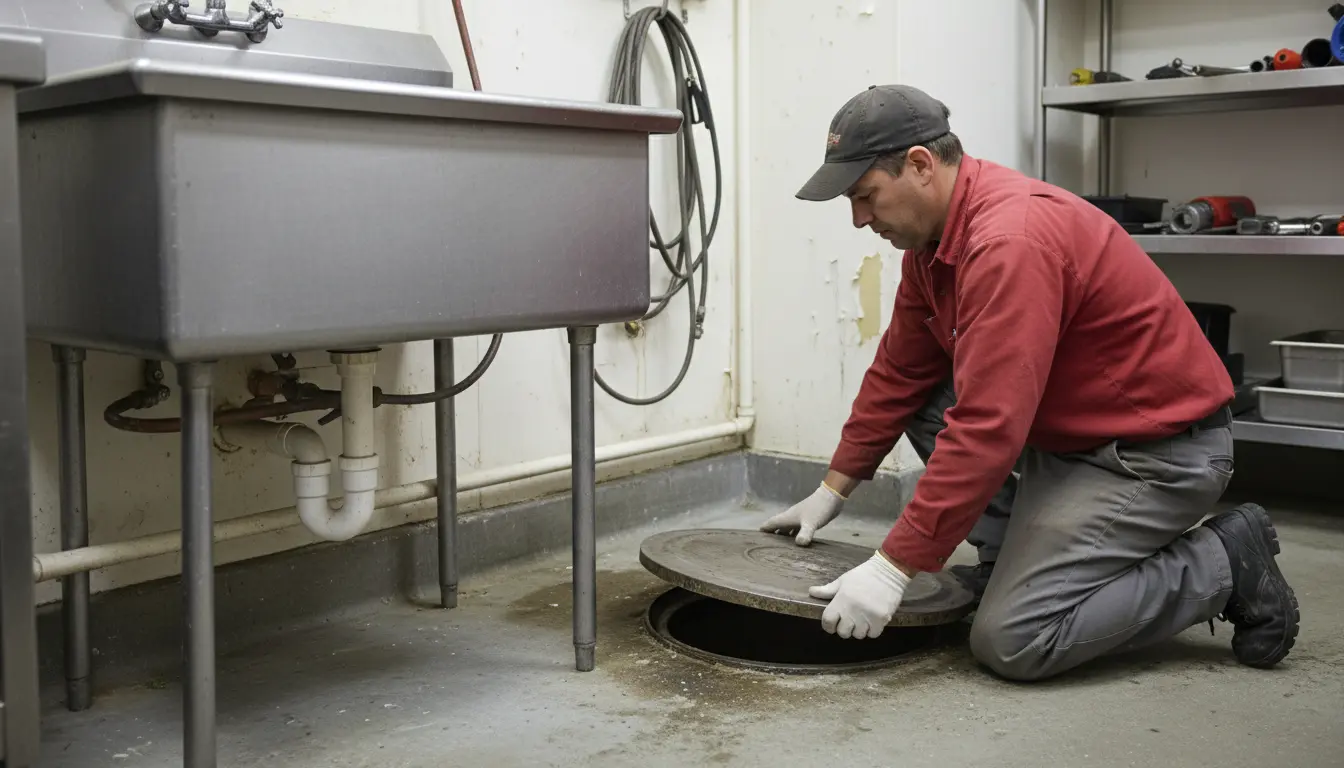
Find the Best Grease Trap Cleaning Companies for Your Business
No obligation • Fast responses • Nationwide coverage

Why you can trust Restaurant Waste Disposal
Restaurant Waste Disposal is a leading U.S. resource for comparing restaurant composting, food-waste recycling, grease trap cleaning, and used cooking oil collection services. Our editorial team researches providers, checks credentials, and organizes unbiased information so operators can make informed decisions. Companies cannot pay to change ratings or placement.
Search providers near you
Top Grease Trap Cleaning Companies in Hartford, Connecticut Ranked
For any food service establishment in Hartford, from bustling downtown diners to neighborhood cafes, managing fats, oils, and grease (FOG) is a critical operational and regulatory requirement. Proper grease trap and interceptor maintenance is not just about preventing kitchen clogs; it's a mandated part of protecting the city's sewer infrastructure from costly blockages and environmental damage. Hartford's regulations are administered by The Metropolitan District (MDC), which enforces a comprehensive FOG program requiring registration, regular cleaning, and detailed record-keeping for all food service businesses. Navigating these rules while ensuring your kitchen runs smoothly requires understanding local mandates, maintenance best practices, and the associated costs for reliable grease trap pumping service.
Skips Wastewater Services
21 Courtney Dr, Ellington, CT 06029
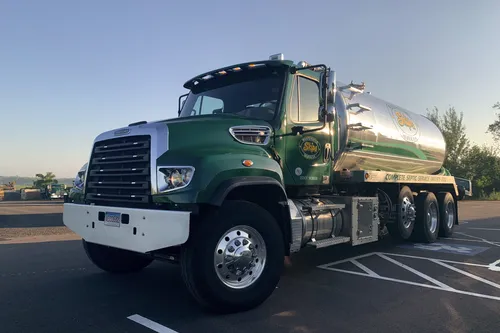
Skips Wastewater Services is a family-owned company providing septic and wastewater solutions in Hartford, CT, and surrounding counties. They offer residential and commercial services including grease trap cleaning, septic tank pumping, inspections, and installations. With a fleet of 11 pump trucks, they handle projects of all sizes and use advanced technology to ensure efficient service. Serving multiple counties in Connecticut, Skips has been delivering septic services for over 60 years. They also provide 24/7 emergency wastewater services to address backups and other urgent issues promptly.
Wind River Environmental
Danbury, CT
Wind River Environmental provides septic, plumbing, and grease trap services in Danbury, CT, serving residential, commercial, and municipal clients. The company offers comprehensive septic system maintenance, pumping, and repair, with expertise in local regulations to ensure compliance and environmental protection. Established in 1946, Wind River Environmental brings decades of experience and advanced technology to the community. They also provide 24/7 emergency service to address urgent wastewater issues promptly.
Roto-Rooter Plumbing & Water Cleanup
750 Main St Ste 321, Hartford, CT 06103
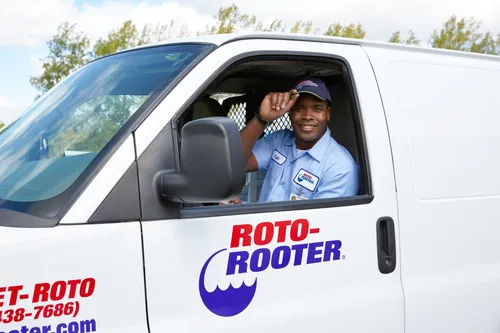
Roto-Rooter Plumbing & Water Cleanup offers comprehensive plumbing and water cleanup services in Hartford, CT. They serve both residential and commercial clients, providing solutions such as floodwater cleanup, sewer and drain cleaning, faucet and water heater repairs, grease trap cleaning, and mold remediation. Their commercial services include high-pressure water jetting (hydro-jetting), sewer line excavation, and grease trap maintenance. With a focus on the unique environmental factors of the Hartford area, Roto-Rooter also provides 24/7 emergency plumbing services to address urgent issues like burst pipes and sewer backups. They serve Hartford and surrounding communities including Avon, East Hartford, and West Hartford.
American Rooter
755 Thomaston Rd, Watertown, CT 06795
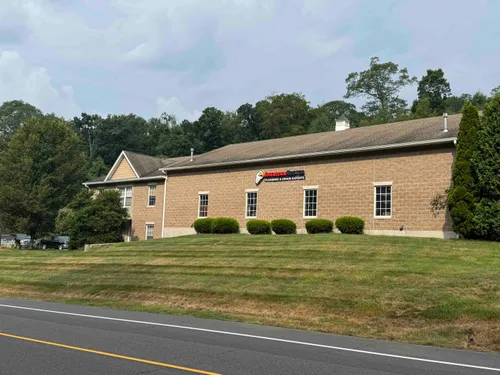
American Rooter is a family-owned plumbing and drain service company based in Waterbury, CT, serving residential, commercial, industrial, and municipal clients. Since 1980, they have provided a wide range of services including plumbing repairs, drain cleaning, grease trap cleaning, pipe lining, excavation, and hydro-excavation. Their capabilities include advanced trenchless pipe lining technologies such as Cured-in-Place-Pipelining (CIPP) and various pipe repair methods. They operate 24 hours a day, 365 days a year to address plumbing and drain emergencies promptly.
Roto-Rooter Plumbing & Water Cleanup
87 Carando Dr, Springfield, MA 01104
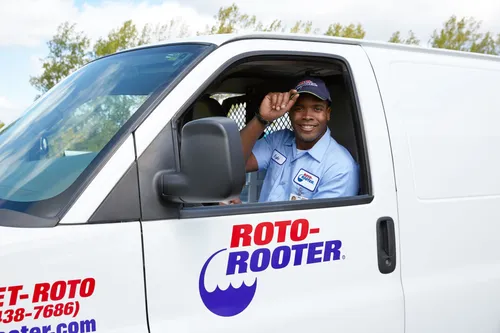
Roto-Rooter Plumbing & Water Cleanup provides comprehensive residential and commercial plumbing services in Springfield, MA. Their offerings include routine and emergency plumbing, sewer and drain cleaning, grease trap cleaning, water heater repair and installation, floodwater cleanup, mold remediation, and sewer line repair using both conventional and trenchless methods. The company is known for its expertise in handling local plumbing challenges such as tree root infiltration and nor'easter flooding. Roto-Rooter has a long-standing presence in the area and offers 24/7 emergency plumbing services to address urgent issues anytime. Serving Springfield and surrounding communities, Roto-Rooter uses advanced tools like hydro-jetting for drain cleaning and provides specialized commercial plumbing services including grease trap maintenance and gas line installation. Their team is equipped to manage complex plumbing systems for various industries, ensuring minimal downtime and effective solutions.
Understanding Hartford's FOG Program and Regulations
The cornerstone of grease management in Hartford is The Metropolitan District's Fats, Oils & Grease Program. This program is designed to prevent sewer overflows and blockages, which can lead to significant public health issues and expensive repairs. Compliance is not optional; it's a legal requirement for any Food Service Establishment (FSE) that discharges wastewater containing FOG into the public sewer system.
Key regulatory requirements include:
- Mandatory Registration: All applicable FSEs must register with the MDC and pay an annual fee, which covers program administration and inspections. This fee is typically around $150 per year 1 2.
- Proper Grease Interceptor Installation: Traps and interceptors must be correctly sized for the establishment's volume, equipped with flow control devices, and connected to all fixtures that discharge FOG, such as sinks, dishwashers, and floor drains 3.
- Regular Inspections: The MDC conducts inspections to verify compliance. These inspections check for proper equipment, maintenance logs, and any signs of illegal dumping or bypassing of the interceptor.
- Enforcement and Penalties: Non-compliance can result in warnings, significant fines, and even enforcement actions. The MDC takes violations seriously to protect the sewer system, emphasizing that prevention is far less costly than remediation 4.
Determining Your Grease Trap Cleaning Schedule
How often should you have your grease interceptor serviced? The answer depends on both regulatory mandates and your specific kitchen's output. Hartford's regulations often mandate a minimum cleaning frequency, such as quarterly (every 90 days), but the actual need is determined by the accumulation of FOG and solids.
A best practice is to base service on the "25% rule": a grease trap should be pumped and thoroughly cleaned once the combined FOG and solid waste reaches 25% of the liquid depth. For high-volume kitchens, such as those in large restaurants or banquet halls, this could mean monthly service is necessary. Relying on a fixed calendar schedule without monitoring can lead to overflows, odors, and compliance issues. Professional service providers can help you establish an optimal pumping frequency based on a visual inspection of your specific unit 5 6 7.
Essential Maintenance and Best Practices
Beyond scheduled pumping, proactive maintenance is key to trouble-free operation and passing MDC inspections.
- Meticulous Record Keeping: Maintain a detailed logbook or file for at least three years. This should include every service invoice with the date, company name, amount of waste removed, and the disposal method. Taking before-and-after photos during each service can provide excellent documentation.
- Comprehensive Staff Training: Educate all kitchen staff on proper FOG disposal. This means no grease down the drain. Scrape food scraps into trash or compost bins, use sink baskets to catch solids, and pour cooled fryer oil into dedicated collection containers, not into any drain.
- Monitor for Warning Signs: Be alert to symptoms of a full or failing grease trap. These include foul odors emanating from drains, water draining slowly from sinks, gurgling sounds from plumbing, or, in severe cases, sewage backups. These signs indicate an immediate need for service.
Find the perfect grease trap cleaning companies for your needs
Get personalized recommendations and expert advice
Cost Factors for Grease Trap Pumping in Hartford
The cost for professional grease interceptor cleaning in Hartford varies based on several factors. Understanding these can help you budget accurately and evaluate service quotes.
- Trap Size and Type: A small, indoor grease trap under a sink is less expensive to service than a large, underground concrete interceptor. Basic indoor trap cleaning typically ranges from $125 to $225 per service. Larger outdoor units (e.g., 1,000-1,500 gallons) can cost $225 to $315 or more per pumping 8 9 10.
- Accessibility and Location: Easily accessible traps in a kitchen mop sink area cost less. If the interceptor lid is buried, paved over, or located in a confined space, the job becomes more labor-intensive, increasing the price.
- Service Frequency and Contracts: Many providers offer discounted rates for establishments that sign up for regular, scheduled service contracts (e.g., quarterly or monthly). This not only manages costs but also ensures consistent compliance.
- Scope of Service: A full-service clean-out, which includes removing all contents, scraping walls, pumping the tank dry, and properly disposing of the waste, is more thorough-and often more costly-than a simple pump-out. Ensure you understand what is included in the quoted price 11 12.
The Consequences of Non-Compliance
Failing to adhere to Hartford's FOG regulations carries serious risks beyond a one-time fine. Chronic non-compliance can lead to escalated enforcement actions from the MDC. More directly, a neglected grease trap can cause catastrophic plumbing backups inside your establishment, leading to unsanitary conditions, business interruption, and expensive emergency plumbing repairs. Furthermore, FOG that escapes into the public sewer lines can solidify, creating massive "fatbergs" that block entire pipes, potentially resulting in sewer overflows into streets and rivers. The responsible business-and potentially the fines associated with such an event-can be traced back to the source 13.
Partnering with a knowledgeable and reliable grease trap service provider is an investment in your business's smooth operation and regulatory standing. A qualified professional will not only perform the necessary pumping but can also act as a guide, helping you maintain proper logs, optimize your service schedule, and stay ahead of Hartford's compliance requirements.
Frequently asked questions
Sources
Footnotes
-
Grease Trap Regulations and Compliance: What You Need to ... - https://www.texwaywastewater.com/grease-trap-regulations-and-compliance/ ↩
-
Fats, Oils & Grease Program for Businesses - The MDC - https://themdc.org/environment-health-safety/fats-oils-grease-program-for-businesses/ ↩
-
General Permit for the Discharge of Wastewater Associated ... - CT.gov - https://portal.ct.gov/-/media/DEEP/Permits_and_Licenses/Water_Discharge_General_Permits/foggppdf.pdf ↩
-
Grease Trap Cleaning & Pumping: Your Ultimate Commercial Guide - https://elvisservicecompany.com/news/the-ultimate-guide-to-grease-trap-cleaning-pumping-everything-your-business-needs-to-know/ ↩
-
How to Clean a Grease Trap (and How Often You Should) - https://greaseconnections.com/how-to-clean-a-grease-trap-and-how-often-you-should/ ↩
-
The Ultimate Guide to Restaurant Grease Trap Cleaning: Smart Solutions for Commercial Kitchens - Mokher Plumbing - https://mokherplumbing.com/ultimate-guide-restaurant-grease-trap-cleaning/ ↩
-
Grease Trap Cleaning in Hartford CT | Grease Interceptor Pumping - https://greasetrapcleaningvernon.com/hartford-ct.html ↩
-
1 Article V Regulation of Fats, Oils and Grease (FOG ... - Cromwell, CT - https://www.cromwellct.com/sewer/files/fog-article ↩
-
The Cost To Clean A Grease Trap For Restaurants - https://thegreasecompany.com/blog/greasetrapcleaningcost/ ↩
-
Grease Trap Cleaning Prices | Guide on the Industry Average - https://grease-cycle.com/grease-trap-pumping-cost/ ↩
-
How Much Does a Proper Grease Trap Cleaning Cost? - https://hulseyenvironmental.com/how-much-does-a-proper-grease-trap-cleaning-partner-cost/ ↩
-
How Much Does It Cost to Clean Your Grease Trap? - https://www.aquaprosolutions.com/resources/how-much-does-it-cost-to-clean-your-grease-trap/ ↩
-
Hartford CT Grease Trap Cleaning - 860-267-6102 - https://subsanserv.com/grease-trap-cleaning-in-hartford-ct ↩