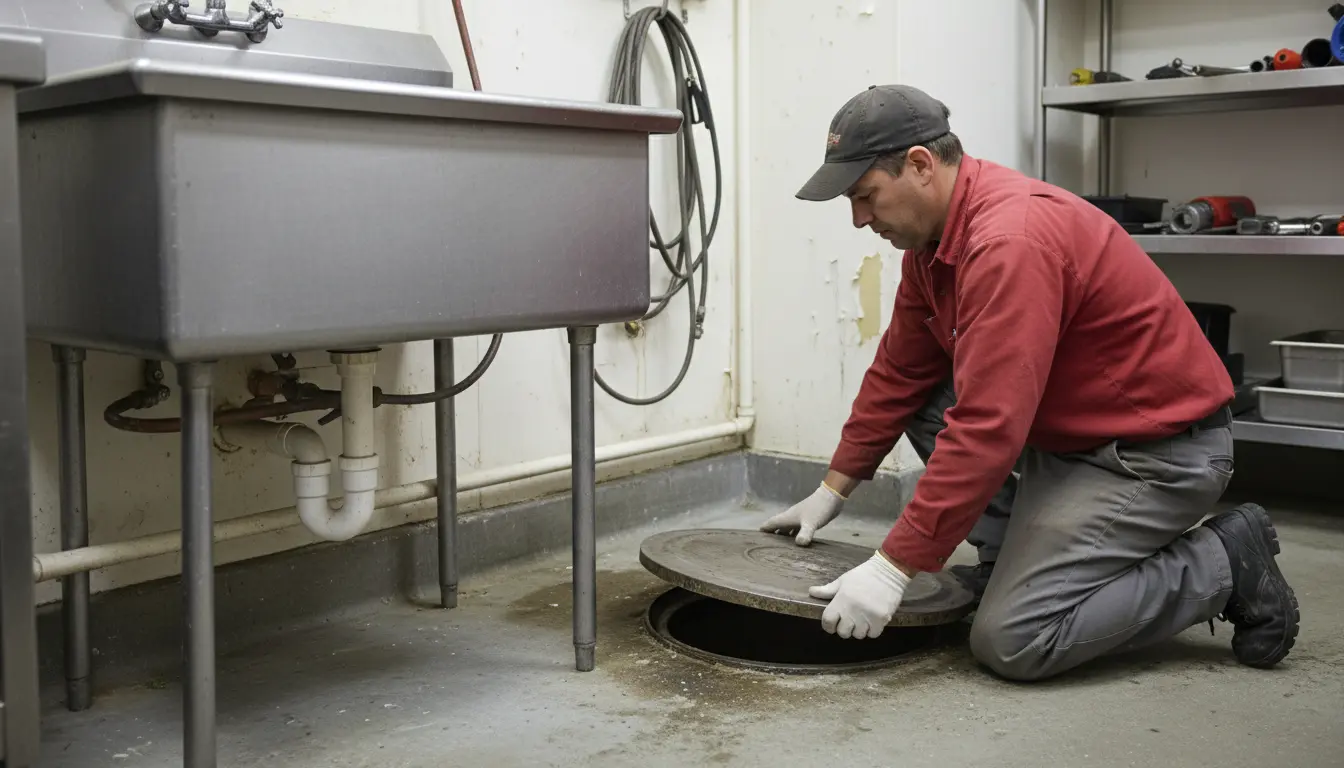
Find the Best Grease Trap Cleaning Companies for Your Business
No obligation • Fast responses • Nationwide coverage

Why you can trust Restaurant Waste Disposal
Restaurant Waste Disposal is a leading U.S. resource for comparing restaurant composting, food-waste recycling, grease trap cleaning, and used cooking oil collection services. Our editorial team researches providers, checks credentials, and organizes unbiased information so operators can make informed decisions. Companies cannot pay to change ratings or placement.
Search providers near you
Top Grease Trap Cleaning Companies in Greenwich, Connecticut Ranked
For restaurant owners and kitchen managers in Greenwich, maintaining a clean and compliant grease trap or interceptor is a critical, non-negotiable aspect of daily operations. The Greenwich Health Department enforces strict regulations on grease management to protect the local sewer infrastructure from costly blockages and environmental damage. Proactive maintenance, including scheduled cleaning and meticulous record-keeping, is not just a best practice-it's a shield against severe fines, disruptive shutdowns, and expensive emergency service calls. This guide outlines the local requirements, inspection protocols, and service considerations for effective grease trap management in Greenwich.
Envirogreen Solutions
New York, NY
Envirogreen Solutions provides grease trap cleaning and used cooking oil collection services in New York, NY, including the five boroughs and Nassau County. They help commercial kitchens comply with local environmental regulations by responsibly removing and recycling cooking oil and grease trap waste. Envirogreen is fully licensed and insured, offering compliance paperwork and stickers upon service completion. Their capabilities include grease trap cleaning, cooking oil recycling, and emergency grease trap waste collection. The company is known for maintaining grease traps to keep them flowing properly and offers prompt emergency services when needed.
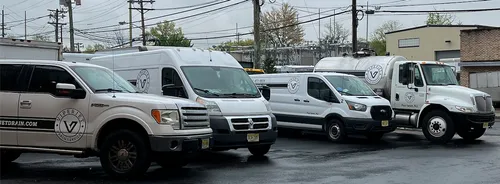
Viper Jet Drain Services
5-02 Banta Pl, Fair Lawn, NJ 07410
Viper Jet Drain Services provides drain, septic, and grease trap cleaning services in New York, NY, and New Jersey. They serve residential, commercial, and municipal clients with solutions ranging from household drain cleaning to large-scale sewer and stormwater management. Their licensed and insured technicians use advanced equipment such as hydro jetting and camera inspections to deliver reliable results. The family-owned company emphasizes expertise and customer care, offering emergency services and professional maintenance for grease traps and septic systems.
Affordable Cesspool Sewer & Drain | Septic & Grease Trap Service - Long Island
180 Blydenburgh Rd, Islandia, NY 11749
Affordable Cesspool Sewer & Drain | Septic & Grease Trap Service - Long Island provides grease trap cleaning and cesspool maintenance services in New York, NY. The company offers emergency service, including after-hours availability, and installs riser and cover systems to facilitate future cleanouts. Their technicians are knowledgeable and provide helpful maintenance advice to prevent future issues.
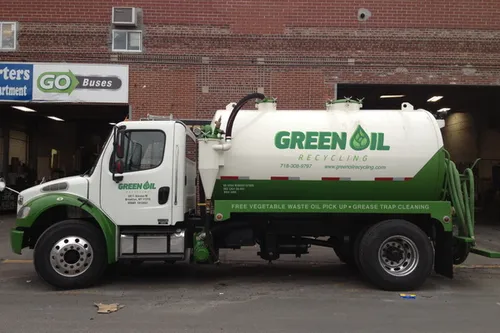
Green Oil Recycling
317 Liberty Ave, Brooklyn, NY 11207
Green Oil Recycling provides professional grease trap cleaning and used cooking oil collection services in New York, NY. They specialize in maintaining commercial kitchen grease traps, including passive hydro mechanical, large pre-cast concrete gravity traps, and auto-grease removal systems like Big Dipper. Their trained technicians thoroughly clean traps, scrape walls, and use bio-safe chemicals to break down waste oil, helping kitchens stay odorless and compliant with local regulations. Green Oil Recycling serves New York City, New Jersey, and Nassau County, ensuring all waste oil disposal meets BIC, DEC, and EPA standards. They also inspect gaskets and fittings to prevent violations and hazards, working closely with Done Right Hood & Fire Safety for comprehensive grease trap and kitchen exhaust maintenance.
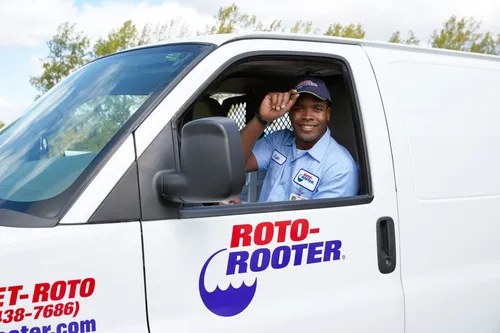
Roto-Rooter Plumbing & Water Cleanup
1011 Hope St, Stamford, CT 06907
Roto-Rooter Plumbing & Water Cleanup provides comprehensive plumbing and water cleanup services in Stamford, CT, and the surrounding metro area. They serve both residential and commercial clients with a wide range of solutions including sewer and drain cleaning, grease trap maintenance, water heater repair and installation, and emergency floodwater cleanup. Their commercial services also include hydro-jetting and grease trap repairs, addressing the specific needs of high-volume spaces such as kitchens and offices. Established in 1935, Roto-Rooter brings decades of expertise to the Stamford community. They offer 24/7 emergency plumbing and water removal services to handle urgent issues any time of day or night.
Understanding Greenwich Grease Trap Regulations
Local health codes mandate that all commercial kitchens generating fats, oils, and grease (FOG) must have a properly sized and installed grease interceptor. While specific Greenwich ordinances should always be verified with the Health Department, regulations typically follow patterns seen in similar municipalities. The core requirements generally focus on cleaning frequency, proper documentation, and staff practices.
Cleaning Frequency: A common standard is the quarterly cleaning schedule for indoor grease traps, meaning service every three months 1 2. For larger outdoor grease interceptors, cleaning is often required when FOG and solids accumulate to 25% of the unit's volume, or every three months, whichever comes first 3 4. Adhering to this schedule is the first line of defense during a health inspection.
Record-Keeping & Documentation: You must maintain a detailed log on-site. This includes service receipts, invoices, and logs that document every cleaning and maintenance event. Inspectors will ask to see these records to verify compliance with the mandated cleaning schedule. Incomplete logs can be grounds for a violation as serious as an uncleaned trap.
Staff Best Practices: Compliance extends beyond the trap itself. Training kitchen staff on proper FOG disposal-like scraping plates into trash bins before washing and avoiding pouring grease down any drain-is essential. Furthermore, avoid using enzyme treatments or harsh chemicals as a substitute for physical cleaning, as these can disrupt municipal wastewater treatment processes and may not satisfy regulatory requirements.
Health Department Inspections and Enforcement
Routine and unannounced inspections by Greenwich Health Department officials are a reality of restaurant operations. Understanding what inspectors look for can help you prepare and avoid penalties.
The Inspection Checklist: An inspector will typically 5:
- Request and review your grease trap service and maintenance records.
- Physically inspect the trap or interceptor for accessibility, proper labeling, and signs of neglect.
- Check for operational red flags like foul odors, slow-draining sinks, or any evidence of grease buildup in drain lines.
- Assess overall kitchen practices related to grease handling.
Consequences of Non-Compliance: Failing an inspection carries significant consequences. Initial violations usually result in fines, but repeated or severe non-compliance can lead to a business being shut down until the issue is rectified. Perhaps the most costly consequence is the need for emergency service. A severely clogged trap that causes backups is a health hazard and requires immediate, after-hours attention, which can cost thousands of dollars-far exceeding the price of routine, preventive maintenance.
Find the perfect grease trap cleaning companies for your needs
Get personalized recommendations and expert advice
Service Types and Cost Considerations
Grease trap cleaning is a specialized service. Costs in Greenwich vary based on the type and size of your equipment, its condition, and the service provider.
Indoor Grease Trap Cleaning: These smaller units, often located under sinks, require frequent attention. A basic cleaning service for an indoor trap typically ranges from $175 to over $300 per visit 6. Establishments with high-volume cooking may need monthly service, making a regular service contract a cost-effective choice.
Outdoor Grease Interceptor Pumping: Larger in-ground interceptors service the entire kitchen's waste stream. Cleaning these units is more involved, with costs often starting in the $400 to $600+ range for a standard pump-out 7 8. The final price can be higher if the unit is overly full, requires additional labor, or if there is hardened grease that needs removal.
The High Cost of Emergencies: It cannot be overstated: emergency service is exponentially more expensive. A service call for a clogged line or overflowing interceptor outside of normal business hours can easily run into the thousands of dollars, not including potential fines and lost revenue from an operational pause 9 10. Investing in routine cleaning is the most effective way to manage this essential cost of doing business.
Creating a Proactive Maintenance Plan
A reactive approach to grease trap maintenance is a financial and operational risk. A proactive plan ensures compliance, smooth operations, and cost predictability.
- Know Your System: Identify the type (indoor trap or outdoor interceptor), size, and location of your grease control equipment. Your service provider can help with this.
- Establish a Schedule: Based on Greenwich guidelines and your kitchen's volume, set a quarterly (or more frequent) cleaning schedule. Mark it on the calendar and arrange for a service contract with a reliable provider.
- Maintain Impeccable Records: Designate a binder or digital folder solely for grease interceptor records. File every service receipt and log all cleanings, including the date, service company, and any notes.
- Conduct Internal Audits: Periodically check your traps for foul smells or slow drainage. Review your logs before a scheduled inspection to ensure everything is in order.
- Partner with a Reputable Service Provider: Choose a licensed and insured provider familiar with Greenwich codes. They should offer detailed service reports that you can use for your official records.
By implementing these steps, you transform grease trap maintenance from a source of anxiety into a managed, routine part of your restaurant's success, protecting your business from unnecessary risk and expense 11.
Frequently asked questions
Sources
Footnotes
-
Grease Trap Regulations and Compliance: What You Need to ... - https://www.texwaywastewater.com/grease-trap-regulations-and-compliance/ ↩
-
The Ultimate Guide to Restaurant Grease Trap Cleaning: Smart Solutions for Commercial Kitchens - Mokher Plumbing - https://mokherplumbing.com/ultimate-guide-restaurant-grease-trap-cleaning/ ↩
-
Fats, Oils & Grease Program for Businesses - The MDC - https://themdc.org/environment-health-safety/fats-oils-grease-program-for-businesses/ ↩
-
Septic Pumping and Grease Traps in Restaurants - https://bhcameron.com/2024/07/septic-pumping-and-grease-traps-in-restaurants/ ↩
-
Restaurant Inspections: Grease Trap Requirements - http://foodgreasetrappers.com/2016/11/restaurant-inspections-grease-trap-requirements/ ↩
-
The Cost To Clean A Grease Trap For Restaurants - https://thegreasecompany.com/blog/greasetrapcleaningcost/ ↩
-
Ultimate Grease Trap Pumping Cost Guide: Essential Money-Saving ... - https://www.texwaywastewater.com/grease-trap-pumping-cost/ ↩
-
How Much Does It Cost to Clean Your Grease Trap? - Aqua Pro Solutions - https://www.aquaprosolutions.com/resources/how-much-does-it-cost-to-clean-your-grease-trap/ ↩
-
How to Clean a Grease Trap (and How Often You Should) - https://greaseconnections.com/how-to-clean-a-grease-trap-and-how-often-you-should/ ↩
-
Grease Traps for Restaurants: The Essential Guide - https://therestaurantwarehouse.com/blogs/restaurant-equipment/grease-trap-for-restaurant-guide ↩
-
Grease Trap Restaurant: The Essential Guide - https://therestaurantwarehouse.com/blogs/restaurant-equipment/grease-trap-restaurant-guide ↩