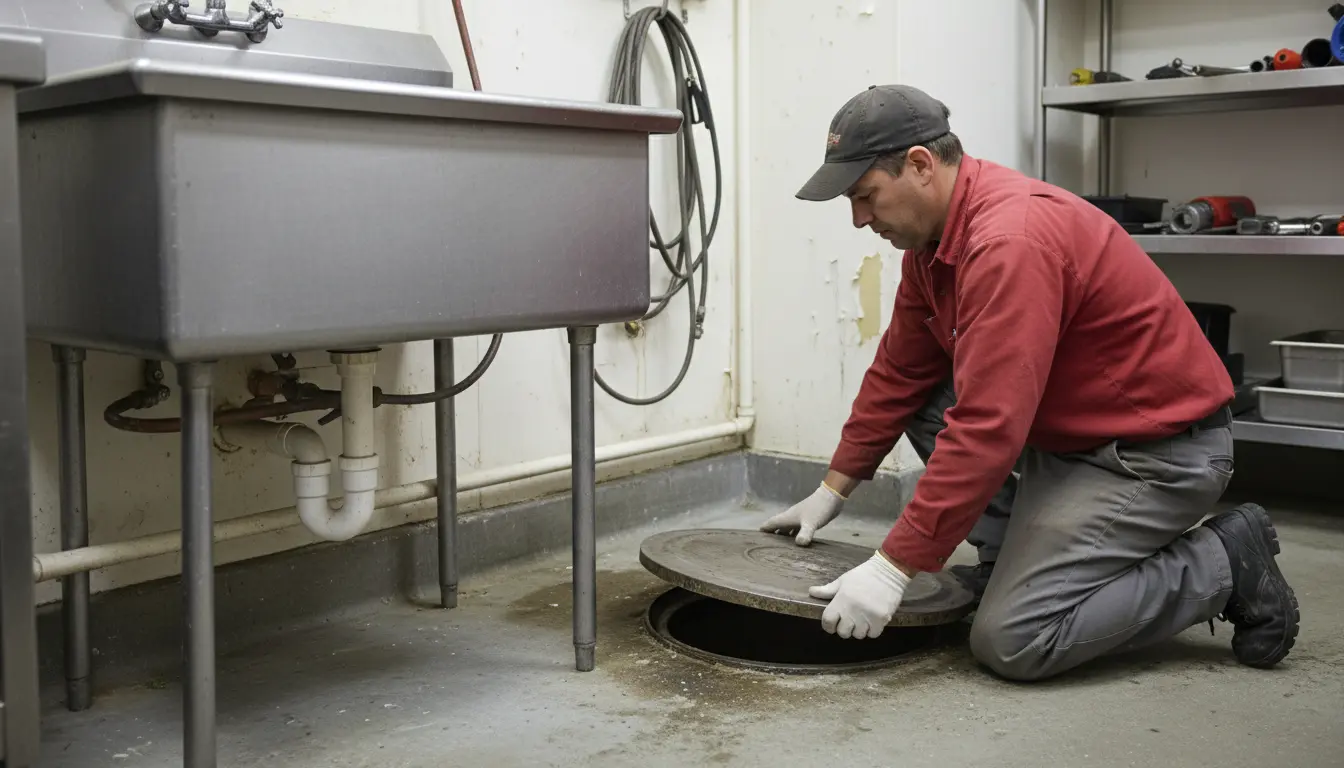
Find the Best Grease Trap Cleaning Companies for Your Business
No obligation • Fast responses • Nationwide coverage

Why you can trust Restaurant Waste Disposal
Restaurant Waste Disposal is a leading U.S. resource for comparing restaurant composting, food-waste recycling, grease trap cleaning, and used cooking oil collection services. Our editorial team researches providers, checks credentials, and organizes unbiased information so operators can make informed decisions. Companies cannot pay to change ratings or placement.
Search providers near you
Top Grease Trap Cleaning Companies in Stratford, Connecticut Ranked
For any restaurant, food service establishment, or commercial kitchen in Stratford, maintaining a properly functioning grease trap-also known as a grease interceptor or FOG (Fats, Oils, and Grease) device-is not just a matter of operational efficiency; it's a critical legal requirement. The Town of Stratford enforces strict local codes, aligned with Connecticut Department of Energy and Environmental Protection (CT DEEP) guidelines, to protect the municipal sewer system from blockages and costly overflows. Compliance involves regular pumping, meticulous record-keeping, and passing inspections to avoid severe penalties. This guide outlines the essential regulations, costs, and best practices for effective grease management in Stratford.
Local regulations mandate that both indoor and outdoor grease interceptors must be cleaned when the accumulation of FOG and solids reaches 25% of the operating depth or at least every three months, whichever condition occurs first 1 2 3. This "25% or quarterly" rule is the cornerstone of Stratford's FOG management program, administered by the Town's Water Pollution Control Authority (WPCA) 1 4. Proper maintenance requires the complete removal of all contents-floating FOG, wastewater, and settled sludge-during each service to ensure the device functions as intended 3.
Affordable Cesspool Sewer & Drain | Septic & Grease Trap Service - Long Island
180 Blydenburgh Rd, Islandia, NY 11749
Affordable Cesspool Sewer & Drain | Septic & Grease Trap Service - Long Island provides grease trap cleaning and cesspool maintenance services in New York, NY. The company offers emergency service, including after-hours availability, and installs riser and cover systems to facilitate future cleanouts. Their technicians are knowledgeable and provide helpful maintenance advice to prevent future issues.
Wind River Environmental
Danbury, CT
Wind River Environmental provides septic, plumbing, and grease trap services in Danbury, CT, serving residential, commercial, and municipal clients. The company offers comprehensive septic system maintenance, pumping, and repair, with expertise in local regulations to ensure compliance and environmental protection. Established in 1946, Wind River Environmental brings decades of experience and advanced technology to the community. They also provide 24/7 emergency service to address urgent wastewater issues promptly.
Roto-Rooter Plumbing & Water Cleanup
1011 Hope St, Stamford, CT 06907
Roto-Rooter Plumbing & Water Cleanup provides comprehensive plumbing and water cleanup services in Stamford, CT, and the surrounding metro area. They serve both residential and commercial clients with a wide range of solutions including sewer and drain cleaning, grease trap maintenance, water heater repair and installation, and emergency floodwater cleanup. Their commercial services also include hydro-jetting and grease trap repairs, addressing the specific needs of high-volume spaces such as kitchens and offices. Established in 1935, Roto-Rooter brings decades of expertise to the Stamford community. They offer 24/7 emergency plumbing and water removal services to handle urgent issues any time of day or night.
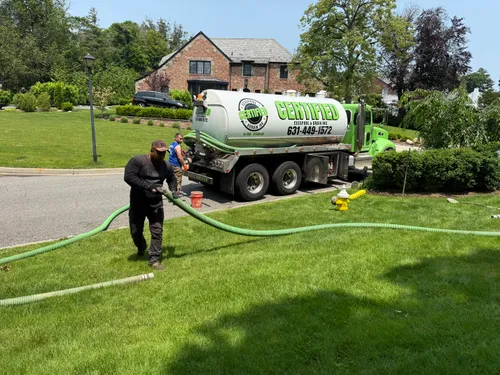
Certified Cesspool Service Suffolk County | Cesspool Pumping Suffolk NY
Greenwich, CT
Certified Cesspool Service Suffolk County | Cesspool Pumping Suffolk NY provides comprehensive septic and grease trap services in Greenwich, CT. They offer full septic system installation, grease trap cleaning, septic tank pumping, and emergency cesspool services. The company is known for 24/7 emergency availability and fast response times. Their capabilities include grease trap maintenance and sewer jetting. Certified Cesspool Service has built a reputation for thorough septic system maintenance and offers preventative care plans to avoid backups and issues.
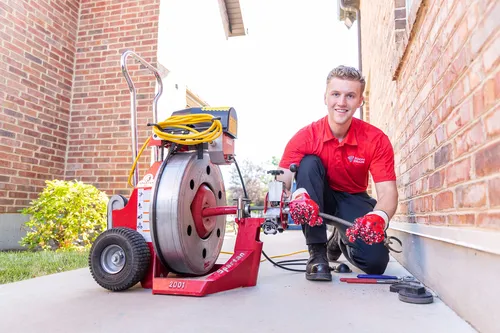
Zoom Drain
130 Lenox Ave, Stamford, CT 06906
Zoom Drain is a drain and sewer cleaning company based in Stamford, CT, serving both residential and commercial customers in Stamford and surrounding areas. They offer a range of services including drain cleaning, video inspections, sewer cleaning and repair, and commercial grease trap maintenance. Their technicians use advanced technology to quickly identify and resolve blockages, helping to maintain clear and functional drain systems. Zoom Drain also provides tailored maintenance plans for property managers and specialized services for the food and hospitality sectors. They are known for responding promptly to emergencies, including weekend and same-day service calls.
Understanding Stratford's FOG Regulations
The primary goal of Stratford's FOG pretreatment program is to prevent sewer line blockages and protect the infrastructure at the wastewater treatment plant. When grease escapes from a kitchen, it cools and solidifies inside sewer pipes, eventually creating massive blockages that can lead to sanitary sewer overflows (SSOs) into streets and local waterways. These incidents are environmentally damaging and extremely expensive for the town to remediate.
To combat this, the Stratford WPCA has established clear rules based on state guidance. As a food service establishment, you are responsible for:
- Installing and maintaining an appropriately sized grease interceptor.
- Ensuring it is pumped and cleaned according to the "25% or quarterly" schedule.
- Keeping detailed service records for a minimum of three years.
- Allowing inspections by the Health Department or an authorized WPCA agent.
Inspection and Enforcement: What to Expect
Compliance is actively monitored. The frequency of inspections can depend on your facility's classification and compliance history, with higher-risk establishments (like those with a history of violations or high-volume operations) potentially facing inspections 3-4 times per year. During an inspection, officials will check the physical condition of your interceptor, review your pumping and maintenance logs, and may take samples.
The consequences of non-compliance are serious and designed to be a strong deterrent. Enforcement actions can include 5 6:
- Substantial Fines: Penalties can escalate into the thousands of dollars per violation.
- Mandatory Operational Shutdowns: The health department can order your business to cease operations until the grease trap is serviced and brought into compliance.
- Criminal Charges: In cases of severe or repeated negligence, criminal prosecution is a possibility.
The town's emphasis is on prevention, making proactive maintenance the most cost-effective and low-risk strategy for your business.
Cost of Grease Interceptor Pumping in Stratford
The price for routine grease trap cleaning is an essential operational expense. In the Stratford area, you can generally expect to pay between $250 and $400+ for a scheduled pumping service for a standard-sized outdoor interceptor 7 8. However, this is a broad range, and your actual cost will be influenced by several key factors:
- Trap Size and Location: Larger, underground concrete interceptors cost more to pump than smaller, indoor grease traps. A small under-sink unit may cost $100-$200 for a monthly cleaning 9.
- Frequency of Service: Establishments that adhere to a strict, frequent pumping schedule often pay a lower per-service rate than those requiring emergency cleanouts after a blockage or violation notice.
- Volume of Waste: The amount of FOG and solids removed directly impacts disposal costs for the service provider.
- Service Type: A routine, scheduled maintenance visit is almost always less expensive than an emergency call-out, which may incur premium rates, especially after hours or on weekends.
While cost is a consideration, choosing a service provider based solely on the lowest price can be risky. Ensure the company is licensed, insured, and provides detailed documentation (waste manifests, invoices, photos) that you can present during an inspection.
Find the perfect grease trap cleaning companies for your needs
Get personalized recommendations and expert advice
Best Practices for Restaurant Grease Management
Beyond simply scheduling pump-outs, adopting comprehensive best practices can extend the time between services, reduce costs, and keep you in consistent compliance.
Train Your Staff: Educate every kitchen employee on what should never go down the drain. This includes:
- Liquid oils and grease (collect these in a separate container for used cooking oil recycling).
- Food scraps and solids.
- Coffee grounds.
- Chemical drain cleaners, which can damage interceptor bacteria and cause plumbing issues.
Implement Dry Wiping: Before washing, use a rubber scraper or paper towel to remove grease and food residues from pots, pans, and dishes. This simple step dramatically reduces the FOG load entering your trap.
Maintain Impeccable Records: Your service log is your first line of defense during an inspection. For every cleaning, document:
- Date and time of service.
- Company name and technician.
- Volume of waste removed (in gallons).
- Disposal method and manifest number.
- Condition of the trap before and after service (photos are highly recommended).
Schedule Regular Maintenance: Don't wait for a problem. Work with your service provider to establish a pumping schedule that aligns with your kitchen's volume and Stratford's quarterly minimum requirement. A provider can help you determine the optimal frequency.
Who to Contact for Official Guidance
Local codes can have specific nuances. The most authoritative source for information is the Town of Stratford itself. It is highly advisable to contact the following departments to obtain the official FOG management plan and clarify requirements for your specific establishment 10:
- Stratford Water Pollution Control Authority (WPCA): They oversee the sewer system and FOG pretreatment program.
- Stratford Health Department: They conduct inspections and enforce regulations related to food service establishments.
Proactively reaching out demonstrates a commitment to compliance and can help you avoid misunderstandings that could lead to violations.
The Risks of DIY and Improper Disposal
Attempting to clean a grease interceptor yourself is not only unpleasant and potentially hazardous but also likely to be insufficient. Professional pump trucks use powerful vacuums to remove the entire contents, including the water and sludge layer at the bottom, which is crucial for proper function. Improper disposal of grease trap waste, such as dumping it in a dumpster or on the ground, is illegal and can result in severe environmental fines from state agencies.
Partnering with a reputable, professional grease trap cleaning service ensures the job is done correctly, documented thoroughly, and the waste is disposed of at a licensed facility in accordance with all state and federal regulations.
Frequently asked questions
Sources
Footnotes
-
Town of Stratford, CT Fats, Oils and Grease Pretreatment - https://ecode360.com/32286933 ↩ ↩2
-
1 Article V Regulation of Fats, Oils and Grease (FOG ... - Cromwell, CT - https://www.cromwellct.com/sewer/files/fog-article ↩
-
Best Management Practice and Guidance Manual for Food ... - https://www.townofcantonct.org/filestorage/19342/19345/19948/19990/DEPfogbmp.pdf ↩ ↩2
-
Town of Stratford, CT Sewer Use - eCode360 - https://ecode360.com/8175957 ↩
-
Grease Trap Regulations and Compliance: What You Need to ... - https://www.texwaywastewater.com/grease-trap-regulations-and-compliance/ ↩
-
FOOD PREPARATION ESTABLISHMENT FATS, OILS, AND ... - https://www.cromwellct.com/sewer/files/sewer-programs-faq ↩
-
Ultimate Grease Trap Pumping Cost Guide: Essential Money-Saving ... - https://www.texwaywastewater.com/grease-trap-pumping-cost/ ↩
-
Grease Trap Cleaning Prices | Guide on the Industry Average - https://grease-cycle.com/grease-trap-pumping-cost/ ↩
-
How Much Does It Cost To Clean A Grease Trap? - https://www.greasecollection.com/blog/how-much-does-it-cost-to-clean-a-grease-trap/ ↩
-
Grease Traps for Restaurants: The Essential Guide - https://therestaurantwarehouse.com/blogs/restaurant-equipment/grease-trap-for-restaurant-guide ↩