
Find the Best Grease Trap Cleaning Companies for Your Business
No obligation • Fast responses • Nationwide coverage

Why you can trust Restaurant Waste Disposal
Restaurant Waste Disposal is a leading U.S. resource for comparing restaurant composting, food-waste recycling, grease trap cleaning, and used cooking oil collection services. Our editorial team researches providers, checks credentials, and organizes unbiased information so operators can make informed decisions. Companies cannot pay to change ratings or placement.
Search providers near you
Top Grease Trap Cleaning Companies in New Britain, Connecticut Ranked
For restaurant owners and food service operators in New Britain, effective grease trap and interceptor maintenance is not just a matter of kitchen hygiene-it's a critical regulatory requirement. The city falls under the jurisdiction of both the Connecticut Department of Energy and Environmental Protection (DEEP) and the Greater New Haven Water Pollution Control Authority (GNHWPCA), which enforce strict standards for managing fats, oils, and grease (FOG). Proactive, documented cleaning is the cornerstone of compliance, helping to prevent sewer blockages, avoid significant fines, and ensure the smooth operation of your establishment. Understanding the specific local codes and partnering with a knowledgeable service provider is essential for protecting your business from costly penalties and emergency disruptions.
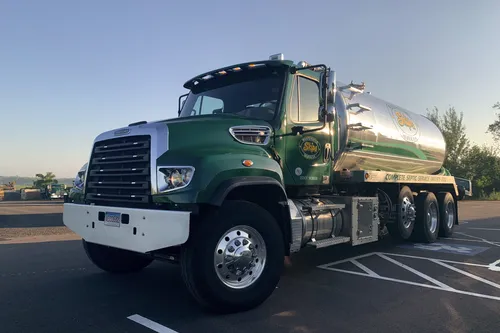
Skips Wastewater Services
21 Courtney Dr, Ellington, CT 06029
Skips Wastewater Services is a family-owned company providing septic and wastewater solutions in Hartford, CT, and surrounding counties. They offer residential and commercial services including grease trap cleaning, septic tank pumping, inspections, and installations. With a fleet of 11 pump trucks, they handle projects of all sizes and use advanced technology to ensure efficient service. Serving multiple counties in Connecticut, Skips has been delivering septic services for over 60 years. They also provide 24/7 emergency wastewater services to address backups and other urgent issues promptly.
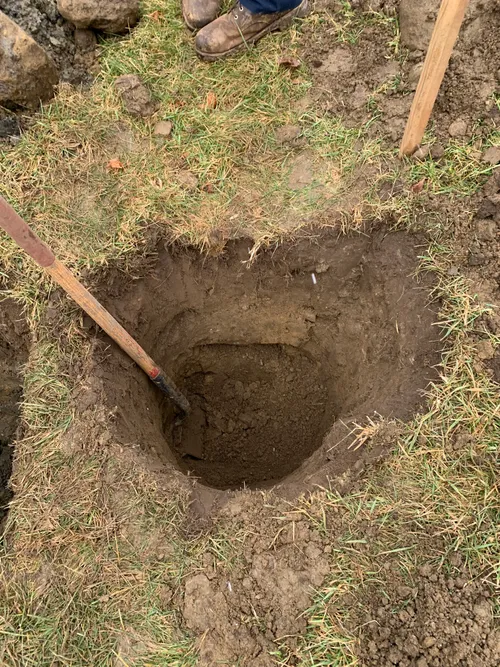
Wind River Environmental
Danbury, CT
Wind River Environmental provides septic, plumbing, and grease trap services in Danbury, CT, serving residential, commercial, and municipal clients. The company offers comprehensive septic system maintenance, pumping, and repair, with expertise in local regulations to ensure compliance and environmental protection. Established in 1946, Wind River Environmental brings decades of experience and advanced technology to the community. They also provide 24/7 emergency service to address urgent wastewater issues promptly.
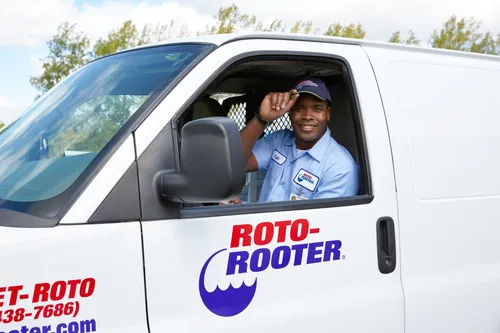
Roto-Rooter Plumbing & Water Cleanup
750 Main St Ste 321, Hartford, CT 06103
Roto-Rooter Plumbing & Water Cleanup offers comprehensive plumbing and water cleanup services in Hartford, CT. They serve both residential and commercial clients, providing solutions such as floodwater cleanup, sewer and drain cleaning, faucet and water heater repairs, grease trap cleaning, and mold remediation. Their commercial services include high-pressure water jetting (hydro-jetting), sewer line excavation, and grease trap maintenance. With a focus on the unique environmental factors of the Hartford area, Roto-Rooter also provides 24/7 emergency plumbing services to address urgent issues like burst pipes and sewer backups. They serve Hartford and surrounding communities including Avon, East Hartford, and West Hartford.
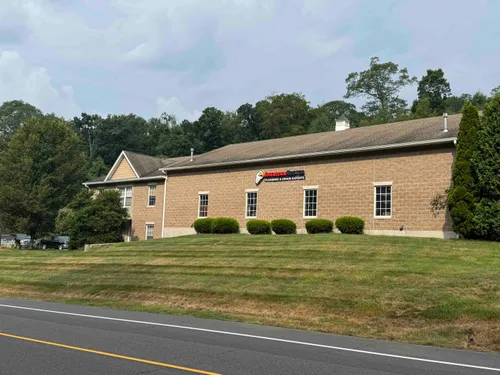
American Rooter
755 Thomaston Rd, Watertown, CT 06795
American Rooter is a family-owned plumbing and drain service company based in Waterbury, CT, serving residential, commercial, industrial, and municipal clients. Since 1980, they have provided a wide range of services including plumbing repairs, drain cleaning, grease trap cleaning, pipe lining, excavation, and hydro-excavation. Their capabilities include advanced trenchless pipe lining technologies such as Cured-in-Place-Pipelining (CIPP) and various pipe repair methods. They operate 24 hours a day, 365 days a year to address plumbing and drain emergencies promptly.
Chipman Septic Services
Waterbury, CT
Chipman Septic Services is a locally owned and operated company based in Prospect, CT, serving Waterbury and surrounding areas including New Haven, Hartford, and Litchfield counties. They specialize in septic pumping, repair, installation, and inspection services, as well as grease trap cleaning for businesses. The team uses modern equipment and techniques to ensure thorough maintenance and precise septic system installations. Chipman Septic Services offers 24-hour availability and same-day service to address urgent needs and routine maintenance alike.
Understanding Local Grease Interceptor Regulations
New Britain food service establishments, classified as Food Preparation Establishments (FPEs), must adhere to precise equipment and performance standards. The primary rule mandates a minimum 1,000-gallon outdoor passive interceptor or an approved Active Grease Recovery Unit (AGRU). This equipment must be designed to provide a minimum hydraulic retention time of 24 hours for wastewater, allowing FOG to adequately separate and solidify before the effluent is discharged to the public sewer system 1.
Installation must follow specific engineering standards, such as placing the interceptor on a stable bed of at least 8 inches of suitable material 2. More than just installing the right equipment, the law requires meticulous record-keeping. Businesses are obligated to maintain detailed service records and waste manifests for a minimum of three years, which are subject to review during routine health and environmental inspections. This documentation is your first line of defense in proving compliance.
The Critical Importance of Regular Maintenance
Scheduled grease interceptor cleaning is a non-negotiable aspect of restaurant operations in New Britain. Neglect leads to a cascade of problems: reduced interceptor efficiency, increased likelihood of sanitary sewer overflows, and severe regulatory consequences. Local and state health inspectors conduct regular checks and will request to see your maintenance logs. A lack of proper documentation can trigger immediate violations.
Beyond compliance, regular servicing protects your plumbing and the community infrastructure. A clogged or overflowing interceptor can cause backups in your own sinks and drains, leading to operational shutdowns, unpleasant odors, and potential health code violations. On a larger scale, FOG discharged into sewers cools and hardens, forming massive "fatbergs" that block municipal pipes, leading to expensive public works repairs and environmental harm. Proactive maintenance is a civic and business responsibility.
Cost Breakdown for Grease Trap Services
Investing in routine service is significantly more economical than reacting to an emergency. Costs in New Britain vary based on the type and size of your grease management system and the service frequency.
- Indoor Grease Trap Cleaning: For routine cleaning of smaller, under-sink or indoor grease traps, restaurants can expect costs ranging from $175 to $475 per service. The final price depends on the trap's capacity and accessibility.
- Scheduled Interceptor Pumping: For the essential, preventative pumping of large outdoor interceptors (like the required 1,000-gallon models), scheduled service typically costs between $250 and $400 or more per visit 3. This is the most common and cost-effective plan for compliance.
- Emergency Service: If an interceptor is neglected to the point of causing a backup or violation, emergency cleaning and pumping calls can cost anywhere from $800 to $1,200 or more 4 5. These services are far more expensive due to their urgent nature and the increased labor and disposal required.
Find the perfect grease trap cleaning companies for your needs
Get personalized recommendations and expert advice
Best Practices for In-House FOG Management
While professional cleaning handles the heavy lifting, daily best practices in your kitchen drastically reduce FOG accumulation and extend time between service calls. Implementing these steps is a hallmark of a well-managed establishment:
- Staff Training: Educate all kitchen staff on the importance of keeping FOG out of drains. This is your first and most effective line of defense.
- Dry Wiping: Scrape food scraps and grease from pots, pans, and dishes into the trash or compost bin before rinsing.
- Use Sink Strainers: Install and maintain strainers in all prep and dish sinks to catch solid food waste.
- Proper Disposal: Collect cooled grease and cooking oil in dedicated containers for recycling or proper disposal-never pour it down the drain 6.
- Temperature Control: Avoid sending water hotter than 140°F down drains connected to the grease interceptor, as it can re-liquefy trapped fats and carry them into the sewer lines.
Choosing a Compliant Service Provider in New Britain
Not all pumping services are equal. When selecting a partner for your grease interceptor maintenance, ensure they are fully licensed and have explicit knowledge of Connecticut's DEEP and GNHWPCA regulations 7. A qualified provider will:
- Offer scheduled service plans that meet or exceed the required frequency for your establishment's volume.
- Provide detailed, manifest-based documentation after every service for your compliance records.
- Properly dispose of or recycle the collected FOG at approved facilities.
- Advise on your specific system and any potential issues during routine visits.
Building a relationship with a reliable provider turns grease trap management from a regulatory headache into a seamless part of your business operations, safeguarding you from unexpected costs and enforcement actions.
Consequences of Non-Compliance
The risks of ignoring grease trap regulations are substantial. Enforcement actions can begin with hefty fines for documentation lapses or evidence of an overloaded interceptor 8 9. Continued non-compliance can escalate to more severe penalties, including mandatory equipment upgrades, and in extreme cases, a health department-ordered closure of your business until the violations are corrected 10 8. The financial impact of a forced shutdown, combined with emergency service fees and fines, far outweighs the predictable cost of a scheduled maintenance plan. Consistent, documented cleaning is the simplest and most effective strategy for long-term operational security.
Frequently asked questions
Sources
Footnotes
-
General Permit for the Discharge of Wastewater Associated ... - CT.gov - https://portal.ct.gov/-/media/DEEP/Permits_and_Licenses/Water_Discharge_General_Permits/foggppdf.pdf ↩
-
Total Grease Control - http://necommercialgreasetraps.com/total-grease-control/ ↩
-
Restaurant Grease Trap & Interceptor Cleaning Cost - https://greasemanagement.org/pricing.html ↩
-
Ultimate Grease Trap Pumping Cost Guide: Essential Money-Saving ... - https://www.texwaywastewater.com/grease-trap-pumping-cost/ ↩
-
How Much Does a Proper Grease Trap Cleaning Cost? - https://hulseyenvironmental.com/how-much-does-a-proper-grease-trap-cleaning-partner-cost/ ↩
-
Fats, Oils & Grease Program for Businesses - The MDC - https://themdc.org/environment-health-safety/fats-oils-grease-program-for-businesses/ ↩
-
Food Preparation Establishments - gnhwpca - https://gnhwpca.com/doing-business-with-gnhwpca/food-preparation-establishments/ ↩
-
Grease Trap Regulations and Compliance: What You Need to ... - https://www.texwaywastewater.com/grease-trap-regulations-and-compliance/ ↩ ↩2
-
Professional Grease Trap Cleaning - https://www.premiergrease.com/grease-trap-cleaning.html ↩
-
How to Clean a Grease Trap (and How Often You Should) - https://greaseconnections.com/how-to-clean-a-grease-trap-and-how-often-you-should/ ↩