Find the Best Grease Trap Cleaning Companies for Your Business
No obligation • Fast responses • Nationwide coverage

Why you can trust Restaurant Waste Disposal
Restaurant Waste Disposal is a leading U.S. resource for comparing restaurant composting, food-waste recycling, grease trap cleaning, and used cooking oil collection services. Our editorial team researches providers, checks credentials, and organizes unbiased information so operators can make informed decisions. Companies cannot pay to change ratings or placement.
Search providers near you
Top Grease Trap Cleaning Companies in Middletown, Connecticut Ranked
For restaurant owners and food service operators in Connecticut, managing fats, oils, and grease (FOG) is a critical operational and regulatory responsibility. Proper grease trap and interceptor maintenance is not just about preventing clogs; it's a state-mandated requirement to protect municipal sewer systems and the environment. Connecticut's Department of Energy and Environmental Protection (DEEP) has established a General Permit system, but local authorities enforce specific rules, making compliance a multi-layered process. Understanding the required cleaning schedules, record-keeping, and best practices is essential to avoid violations and costly emergency repairs.
Skips Wastewater Services
21 Courtney Dr, Ellington, CT 06029
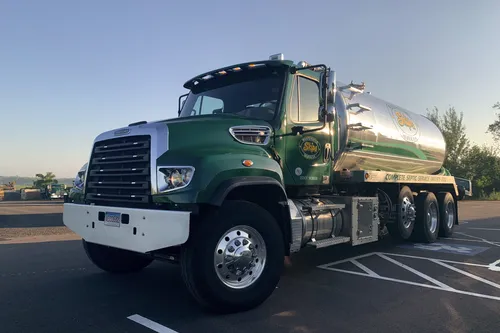
Skips Wastewater Services is a family-owned company providing septic and wastewater solutions in Hartford, CT, and surrounding counties. They offer residential and commercial services including grease trap cleaning, septic tank pumping, inspections, and installations. With a fleet of 11 pump trucks, they handle projects of all sizes and use advanced technology to ensure efficient service. Serving multiple counties in Connecticut, Skips has been delivering septic services for over 60 years. They also provide 24/7 emergency wastewater services to address backups and other urgent issues promptly.
Wind River Environmental
Danbury, CT
Wind River Environmental provides septic, plumbing, and grease trap services in Danbury, CT, serving residential, commercial, and municipal clients. The company offers comprehensive septic system maintenance, pumping, and repair, with expertise in local regulations to ensure compliance and environmental protection. Established in 1946, Wind River Environmental brings decades of experience and advanced technology to the community. They also provide 24/7 emergency service to address urgent wastewater issues promptly.
Roto-Rooter Plumbing & Water Cleanup
750 Main St Ste 321, Hartford, CT 06103
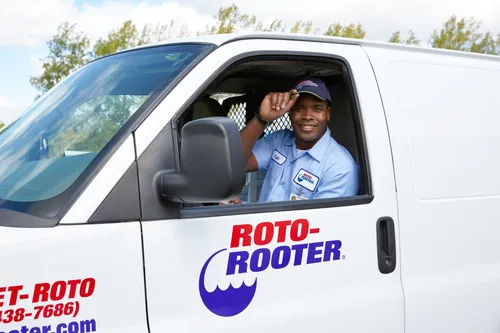
Roto-Rooter Plumbing & Water Cleanup offers comprehensive plumbing and water cleanup services in Hartford, CT. They serve both residential and commercial clients, providing solutions such as floodwater cleanup, sewer and drain cleaning, faucet and water heater repairs, grease trap cleaning, and mold remediation. Their commercial services include high-pressure water jetting (hydro-jetting), sewer line excavation, and grease trap maintenance. With a focus on the unique environmental factors of the Hartford area, Roto-Rooter also provides 24/7 emergency plumbing services to address urgent issues like burst pipes and sewer backups. They serve Hartford and surrounding communities including Avon, East Hartford, and West Hartford.
American Rooter
755 Thomaston Rd, Watertown, CT 06795
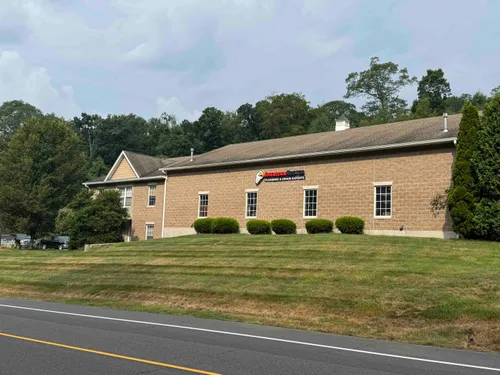
American Rooter is a family-owned plumbing and drain service company based in Waterbury, CT, serving residential, commercial, industrial, and municipal clients. Since 1980, they have provided a wide range of services including plumbing repairs, drain cleaning, grease trap cleaning, pipe lining, excavation, and hydro-excavation. Their capabilities include advanced trenchless pipe lining technologies such as Cured-in-Place-Pipelining (CIPP) and various pipe repair methods. They operate 24 hours a day, 365 days a year to address plumbing and drain emergencies promptly.
Country Septic Services LLC
150 Powdered Metal Dr, North Haven, CT 06473
Country Septic Services LLC is a sanitation service provider based in New Haven, CT, offering residential, commercial, and construction sanitation solutions. Their services include septic tank cleaning, pump out, maintenance, grease trap cleaning, and water jet cleaning to address blockages and grease buildup. The company has decades of experience serving Connecticut and holds the necessary permits for transporting and disposing of wastewater. They focus on providing cost-effective waste management services with an honest and experienced approach.
Connecticut's Regulatory Framework for FOG
Connecticut's approach to FOG management is structured under a state General Permit, which is then implemented and enforced by local municipalities or water pollution control authorities. This means that while the baseline rules come from the state, your specific obligations are dictated by your local town or city.
- State-Level Requirements: The CT DEEP General Permit for the Discharge of Wastewater Associated with Food Preparation Establishments applies to most restaurants, cafeterias, and other food service operations (classified as Class III and IV Food Preparation Establishments or FPEs). This permit mandates the use of approved grease control devices and establishes minimum maintenance standards.
- Local Enforcement: Municipalities like the Metropolitan District (MDC), the City of Meriden, and the Town of Middletown have their own FOG programs. They issue local permits, conduct inspections, and can impose stricter requirements than the state minimum. You must obtain a permit from your local authority, which often involves an annual fee.
- Required Equipment: The type of grease control device you need-whether an interior grease trap, an exterior grease interceptor, or an Automatic Grease Recovery Unit (AGRU)-depends on your facility's classification, size, and local code 1 2. Your local FOG program will specify the approved equipment for your establishment.
How Often Must You Clean Your Grease Trap in CT?
The standard cleaning frequency mandated across Connecticut is quarterly, or every three months 3. However, this is not a one-size-fits-all rule. The permit requires cleaning whenever the accumulated grease and solids fill 25% of the trap or interceptor's volume-whichever condition occurs first 3. For busy kitchens, reaching the 25% threshold may happen much more frequently than quarterly.
Your cleaning schedule can be adjusted based on performance data:
- Reduced Frequency: If you maintain detailed logs for a year that consistently show your grease trap is less than 25% full at quarterly inspections, you may apply to your local authority for a reduced cleaning schedule (e.g., every 6 months) 4 5.
- Increased Frequency: Authorities can require more frequent cleanings if your establishment is in an area with chronic sewer blockages or if you have a history of violations.
Record-Keeping and Best Management Practices (BMPs)
Compliance in Connecticut isn't just about cleaning; it's about proving you've cleaned. Meticulous documentation is non-negotiable.
Required Maintenance Logs: You must keep detailed records on-site for at least three years. These logs should include:
- Date of each cleaning/service
- Name of the servicing company/pumper
- Volume of grease and wastewater pumped out
- Pre- and post-cleaning grease depth measurements
- Disposal location (the facility that received the waste)
Proactive Best Management Practices: Implementing BMPs reduces the load on your grease trap, extends time between cleanings, and lowers costs. Key practices include 6:
- Scrape Food Waste: Scrape all plates and cookware into a compost or trash bin before washing. Food solids quickly fill traps.
- Avoid the Garbage Disposal: Do not put grease or food scraps down the drain. Use sink strainers.
- Dry Wipe: Wipe pots, pans, and griddles with a paper towel before washing.
- Train Staff: Ensure all kitchen staff understand and follow FOG reduction practices.
- Post Guidelines: Place reminder posters in dishwashing areas 7.
Find the perfect grease trap cleaning companies for your needs
Get personalized recommendations and expert advice
Understanding the Costs of Grease Trap Maintenance
The cost of grease trap service in Connecticut varies significantly based on the size and location of your trap, your geographic area, and the nature of the service.
- Routine Cleaning: A standard quarterly pump-out for a typical restaurant grease interceptor can range from a few hundred dollars. For example, service for a standard trap might be in the range of $300 to $500 per cleaning 8.
- Emergency Service: This is where costs escalate dramatically. An emergency call for a severely clogged trap or a sewer backup can easily cost thousands of dollars-one example cited was $4,500-not including the lost revenue from a potential health department closure or disrupted operations.
- Permit Fees: Local FOG permit fees are an additional annual cost, which can vary by municipality (e.g., around $120 per year in Middletown) 9.
The most significant cost-saving strategy is proactive, preventive maintenance. Adhering to the 25% rule, implementing BMPs, and keeping a regular service schedule is far less expensive than reacting to an emergency 10 11.
Consequences of Non-Compliance
Failing to maintain your grease trap properly has serious repercussions:
- Sewer Backups and Fines: FOG discharged into sewers cools and solidifies, causing blockages that can lead to sewage backups into your business or neighboring properties. You can be held financially responsible for cleanup and fines.
- Local Enforcement Actions: Municipal inspectors can issue violations, require immediate cleaning, mandate more frequent service, or levy significant fines.
- State-Level Enforcement: Persistent or severe violations can lead to action by the CT DEEP, including higher-level penalties.
- Health Code Issues: Grease trap overflows can create unsanitary conditions that violate health codes, potentially leading to temporary closure.
Staying compliant protects your business from these risks and contributes to the proper functioning of Connecticut's public infrastructure and waterways.
Frequently asked questions
Sources
Footnotes
-
City of Meriden Fats, Oils, and Grease Program - https://www.meridenct.gov/Customer-Content/www/CMS/files/Public_Utilities/Documents_New_Site_/FOG_Package_5-5_New_FPE.pdf ↩
-
Fats Oils and Grease FOG Model Program - https://portal.ct.gov/deep/municipal-wastewater/fats-oils-and-grease-fog-model-program ↩
-
General Permit for the Discharge of Wastewater Associated ... - CT.gov - https://portal.ct.gov/-/media/DEEP/Permits_and_Licenses/Water_Discharge_General_Permits/foggppdf.pdf ↩ ↩2
-
Fats, Oils & Grease Program for Businesses - The MDC - https://themdc.org/environment-health-safety/fats-oils-grease-program-for-businesses/ ↩
-
Town of Putnam, CT Fats, Oils and Grease Pretreatment - eCode360 - https://ecode360.com/29931371 ↩
-
Best Management Practice and Guidance Manual for Food ... - https://www.townofcantonct.org/filestorage/19342/19345/19948/19990/DEPfogbmp.pdf ↩
-
Grease Trap Cleaning How-To Guide for Commercial Kitchens (Free Posters) - https://www.fooddocs.com/food-safety-templates/grease-trap-cleaning ↩
-
Fresno Grease Trap Maintenance: Essential Facility Management Guide - myshyft.com - https://www.myshyft.com/blog/grease-trap-cleaning-fresno-california/ ↩
-
Fats, Oils and Grease (FOG) Program and Permits - https://www.middletownct.gov/1090/FOG-Permit ↩
-
Grease Trap Cleaning Guide: 25% Rule, Schedule & Compliance - https://greaseconnections.com/how-to-clean-a-grease-trap-and-how-often-you-should/ ↩
-
Restaurant Grease Trap Cleaning FAQs - Mahoney Environmental - https://www.mahoneyes.com/restaurant-grease-trap-cleaning-faqs/ ↩