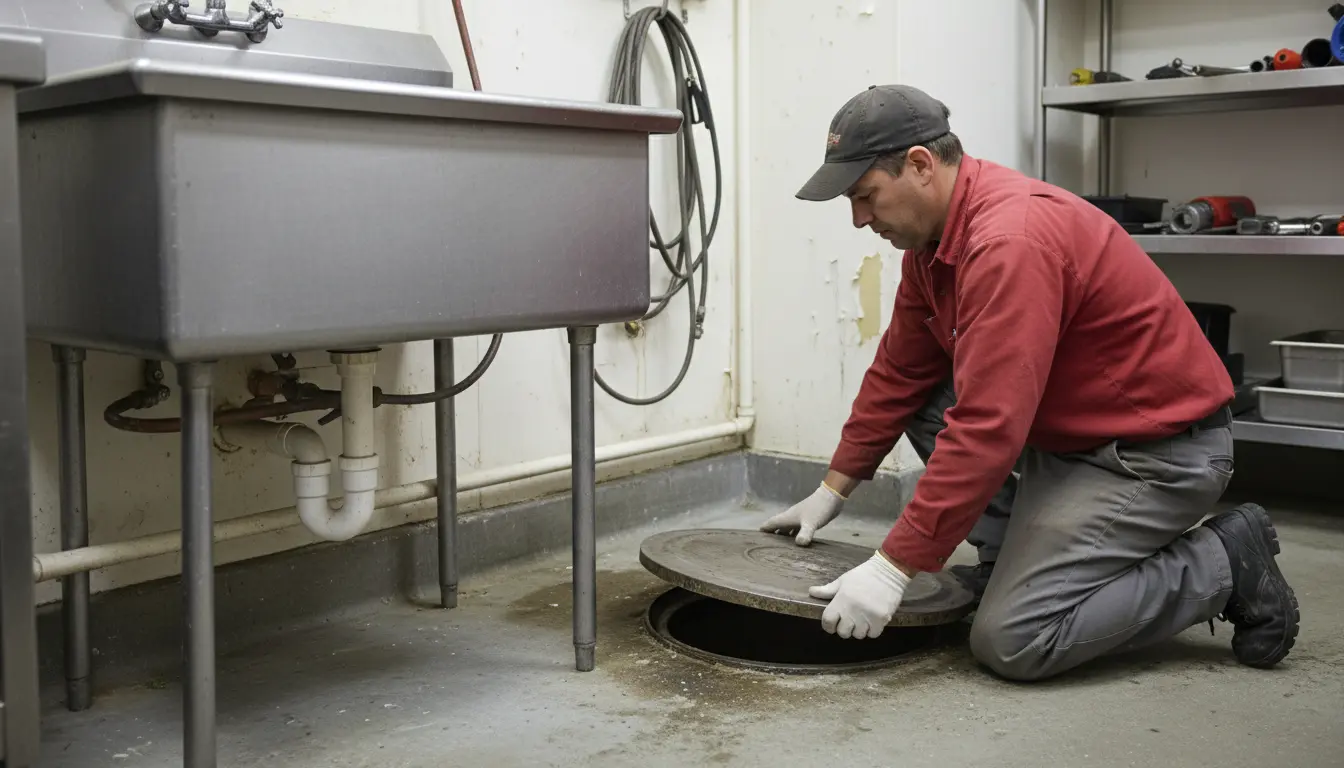
Find the Best Grease Trap Cleaning Companies for Your Business
No obligation • Fast responses • Nationwide coverage

Why you can trust Restaurant Waste Disposal
Restaurant Waste Disposal is a leading U.S. resource for comparing restaurant composting, food-waste recycling, grease trap cleaning, and used cooking oil collection services. Our editorial team researches providers, checks credentials, and organizes unbiased information so operators can make informed decisions. Companies cannot pay to change ratings or placement.
Search providers near you
Top Grease Trap Cleaning Companies in Hamden, Connecticut Ranked
For restaurant owners and food service operators in Hamden, managing fats, oils, and grease (FOG) is a critical operational and regulatory responsibility. Proper grease trap and interceptor maintenance is not just about avoiding clogs; it's a key requirement enforced by local authorities like the Greater New Haven Water Pollution Control Authority (GNHWPCA) to protect the municipal sewer system. Establishing a reliable schedule for grease trap pumping and cleaning is essential for compliance, preventing costly emergencies, and ensuring your kitchen runs smoothly. This guide outlines what you need to know about regulations, costs, and finding qualified service providers in the Hamden area.
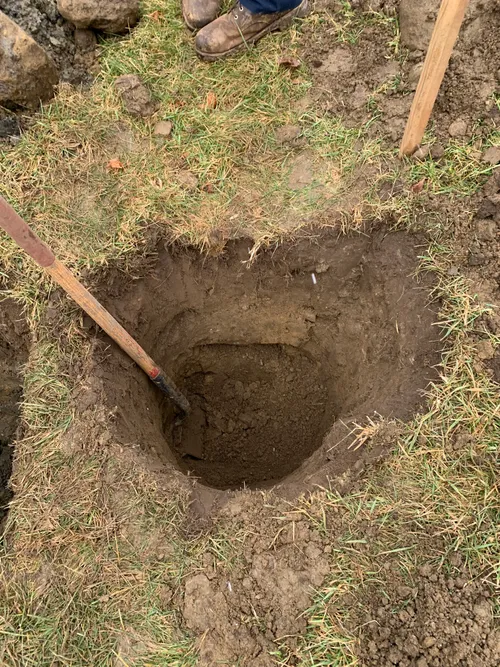
Wind River Environmental
Danbury, CT
Wind River Environmental provides septic, plumbing, and grease trap services in Danbury, CT, serving residential, commercial, and municipal clients. The company offers comprehensive septic system maintenance, pumping, and repair, with expertise in local regulations to ensure compliance and environmental protection. Established in 1946, Wind River Environmental brings decades of experience and advanced technology to the community. They also provide 24/7 emergency service to address urgent wastewater issues promptly.
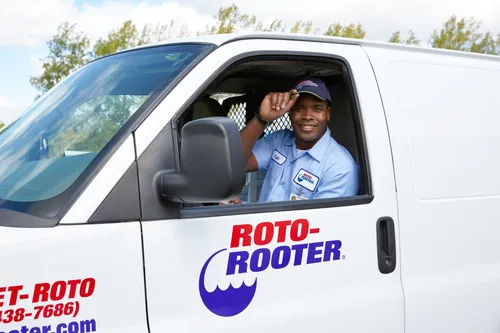
Roto-Rooter Plumbing & Water Cleanup
750 Main St Ste 321, Hartford, CT 06103
Roto-Rooter Plumbing & Water Cleanup offers comprehensive plumbing and water cleanup services in Hartford, CT. They serve both residential and commercial clients, providing solutions such as floodwater cleanup, sewer and drain cleaning, faucet and water heater repairs, grease trap cleaning, and mold remediation. Their commercial services include high-pressure water jetting (hydro-jetting), sewer line excavation, and grease trap maintenance. With a focus on the unique environmental factors of the Hartford area, Roto-Rooter also provides 24/7 emergency plumbing services to address urgent issues like burst pipes and sewer backups. They serve Hartford and surrounding communities including Avon, East Hartford, and West Hartford.
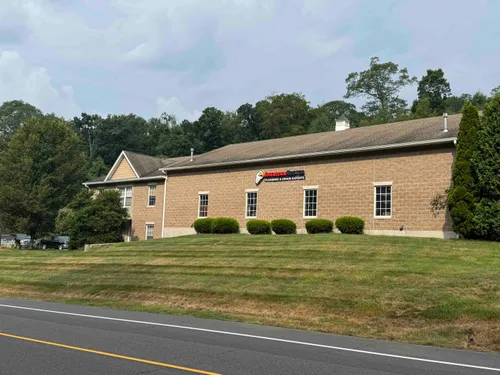
American Rooter
755 Thomaston Rd, Watertown, CT 06795
American Rooter is a family-owned plumbing and drain service company based in Waterbury, CT, serving residential, commercial, industrial, and municipal clients. Since 1980, they have provided a wide range of services including plumbing repairs, drain cleaning, grease trap cleaning, pipe lining, excavation, and hydro-excavation. Their capabilities include advanced trenchless pipe lining technologies such as Cured-in-Place-Pipelining (CIPP) and various pipe repair methods. They operate 24 hours a day, 365 days a year to address plumbing and drain emergencies promptly.
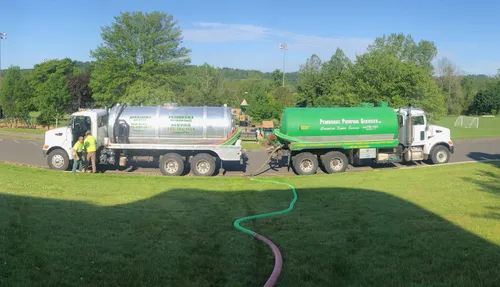
Pembroke Pumping Services
45 Beaver Brook Rd, Danbury, CT 06810
Pembroke Pumping Services is a family-owned and operated business based in Danbury, CT, with over 45 years of experience. They provide a range of services including grease trap cleaning, septic pumping and repairs, electric snaking, high pressure water jetting, and portable toilet rentals. Their service area covers Danbury and several surrounding towns. The company is licensed and insured, offering flexible scheduling and support.
Country Septic Services LLC
150 Powdered Metal Dr, North Haven, CT 06473
Country Septic Services LLC is a sanitation service provider based in New Haven, CT, offering residential, commercial, and construction sanitation solutions. Their services include septic tank cleaning, pump out, maintenance, grease trap cleaning, and water jet cleaning to address blockages and grease buildup. The company has decades of experience serving Connecticut and holds the necessary permits for transporting and disposing of wastewater. They focus on providing cost-effective waste management services with an honest and experienced approach.
Understanding Local FOG Regulations and Compliance
In Hamden, your establishment must adhere to state and local FOG control programs designed to prevent sewer blockages and environmental damage. The primary regulatory body for the Greater New Haven area, including Hamden, is the GNHWPCA. Their guidelines mandate that all food preparation establishments implement Best Management Practices (BMPs) for grease control.
Key compliance requirements include:
- Regular Maintenance: A minimum of quarterly (every three months) inspection and cleaning is a common standard for all grease interceptors, though frequency can increase based on your volume of business.
- Detailed Record Keeping: You are required to maintain detailed service logs for at least three years. These logs should include the date of service, the name of the service provider, and the volume of FOG removed. Health and sewer authority inspectors will request these records during routine checks.
- Proper Installation: Grease traps must be correctly sized for your kitchen's flow rate (e.g., 20-50 gallons per minute) and installed on a proper, stable bedding according to code 1.
- Enforcement: Non-compliance can lead to significant fines, enforcement actions, and even the potential for a business shutdown if severe blockages or repeat violations occur.
Determining Your Grease Interceptor Service Frequency
While quarterly service is a standard baseline, the ideal pumping schedule for your specific trap depends entirely on your establishment's operations. High-volume restaurants, particularly those serving greasy foods, may require monthly service to prevent overflows and maintain efficiency 2. A proactive approach involves monitoring your trap and working with your service provider to establish a custom schedule before problems arise.
Signs you may need more frequent cleaning include:
- Slow-draining sinks
- Foul odors emanating from drains
- Visible grease buildup in the trap or in downstream plumbing
- Notifications from your service provider that the trap is filling faster than expected
Beyond mechanical cleaning, an effective FOG program includes staff training. Educating kitchen staff to scrape food waste into trash bins before washing dishes and to avoid pouring grease down drains significantly reduces the load on your grease interceptor, extending time between pumps and reducing overall costs 3.
Cost Expectations for Grease Trap Pumping in Hamden
The cost for professional grease trap cleaning in Hamden varies based on several factors, but understanding the average ranges can help you budget effectively. Investing in routine maintenance is consistently more affordable than dealing with an emergency.
Typical Cost Ranges:
- Standard Preventative Cleaning: For a regularly maintained trap, you can expect costs to range from $175 to $475+ per service.
- Small or Indoor Traps: Smaller units may cost between $75 to $150+ for a monthly or quarterly pump 4.
- Large or Outdoor Interceptors: Larger capacity traps typically range from $250 to $400+ per cleaning session 5.
- Emergency Pumping: Responding to a clog or overflow is significantly more expensive, often costing between $800 to $1,200+ due to after-hours rates and the complexity of the cleanup 6.
The final price is influenced by the physical size (capacity) of your trap, its location (indoor accessibility vs. outdoor excavation), the amount of grease and solids to be removed, and the service level offered by the company. Proactive, scheduled maintenance can cost up to 70% less than emergency cleanups and prevents the massive disruption and lost revenue of a kitchen shutdown 7 8.
Find the perfect grease trap cleaning companies for your needs
Get personalized recommendations and expert advice
Selecting a Qualified Grease Trap Service Provider
Choosing the right partner for your FOG maintenance is crucial for staying compliant and avoiding headaches. Look for local companies that explicitly advertise familiarity with Connecticut and GNHWPCA regulations.
What to look for in a service provider:
- Compliance Focus: They should offer detailed service logs that meet inspector requirements and help you maintain your records.
- Scheduled Service Programs: Reliable companies provide automatic scheduling for quarterly or custom-interval cleanings.
- Emergency Availability: Ensure they offer 24/7 emergency response for those unexpected situations.
- Proper Disposal: Verify they haul collected grease and solids to approved rendering or disposal facilities.
- Local Presence: Companies based in or frequently serving the Greater New Haven area will be most familiar with local inspectors and requirements.
Examples of service providers found serving the Hamden area include firms like Nate The Snake, Sanitrol Septic, United Sewer & Drain Cleaning, and Unlimited Excavation and Construction, among others listed on local business directories 9 10. Always request quotes and confirm their understanding of local codes before engaging.
The Consequences of Neglect: Beyond a Clogged Drain
Failing to maintain your grease trap has consequences that ripple far beyond your kitchen. Accumulated FOG can solidify in your own plumbing, leading to backups that flood kitchen floors with unsanitary wastewater. More critically, when grease escapes into the public sewer, it cools and hardens, forming massive "fatbergs" that block municipal pipes. These blockages can cause sewage overflows into basements, streets, and local waterways like the Mill River, leading to environmental damage, public health risks, and substantial remediation costs borne by the community 11 12. By adhering to a strict maintenance schedule, your restaurant plays a vital role in protecting Hamden's infrastructure and environment.
Building a Proactive Grease Management Plan
A comprehensive plan goes beyond just hiring a pumper. It integrates technology, training, and partnership.
- Utilize Monitoring Technology: Some service providers offer sensors or can recommend simple dipstick tests to monitor grease levels between cleanings.
- Maintain a "Grease Log": Keep a binder on-site with all service reports, any internal inspection notes, and staff training acknowledgments. This makes inspections swift and demonstrates due diligence.
- Communicate with Your Provider: Give your service technician feedback about changes in your menu volume or special events. A good partner will adjust your schedule accordingly to prevent issues.
- Understand Your Trap: Know the capacity and location of your interceptor. This information is vital during emergencies and for planning any facility modifications.
Taking these steps transforms grease trap maintenance from a reactive cost into a managed, predictable part of your operational excellence, ensuring your Hamden restaurant remains in good standing and operates without interruption.
Frequently asked questions
Sources
Footnotes
-
Grease Traps - UpCodes - https://up.codes/s/grease-traps ↩
-
Grease Trap Regulations and Compliance: What You Need to ... - https://www.texwaywastewater.com/grease-trap-regulations-and-compliance/ ↩
-
How to Clean a Grease Trap (and How Often You Should) - https://greaseconnections.com/how-to-clean-a-grease-trap-and-how-often-you-should/ ↩
-
Ultimate Grease Trap Pumping Cost Guide: Essential Money ... - https://www.texwaywastewater.com/grease-trap-pumping-cost/ ↩
-
Grease Trap in Hamden, CT - Costs 12 / 2025 - Homeyou - https://www.homeyou.com/ct/grease-trap-hamden-costs ↩
-
How Much Does It Cost To Clean A Grease Trap? - https://www.greasecollection.com/blog/how-much-does-it-cost-to-clean-a-grease-trap/ ↩
-
The Cost To Clean A Grease Trap For Restaurants - https://thegreasecompany.com/blog/greasetrapcleaningcost/ ↩
-
How Much Does a Proper Grease Trap Cleaning Cost? - https://hulseyenvironmental.com/how-much-does-a-proper-grease-trap-cleaning-partner-cost/ ↩
-
TOP 10 BEST Grease Trap Cleaning in Hamden, CT - Yelp - https://m.yelp.com/search?find_desc=Grease+Trap+Cleaning&find_loc=Hamden%2C+CT ↩
-
TOP 10 BEST Grease Trap Pumping in Hamden, CT - Yelp - https://m.yelp.com/search?find_desc=Grease+Trap+Pumping&find_loc=Hamden%2C+CT ↩
-
Fats, Oils & Grease Program for Businesses - The MDC - https://themdc.org/environment-health-safety/fats-oils-grease-program-for-businesses/ ↩
-
Food Preparation Establishments - gnhwpca - https://gnhwpca.com/doing-business-with-gnhwpca/food-preparation-establishments/ ↩