
Find the Best Grease Trap Cleaning Companies for Your Business
No obligation • Fast responses • Nationwide coverage

Why you can trust Restaurant Waste Disposal
Restaurant Waste Disposal is a leading U.S. resource for comparing restaurant composting, food-waste recycling, grease trap cleaning, and used cooking oil collection services. Our editorial team researches providers, checks credentials, and organizes unbiased information so operators can make informed decisions. Companies cannot pay to change ratings or placement.
Search providers near you
Top Grease Trap Cleaning Companies in East Hartford, Connecticut Ranked
For restaurant owners and food service operators in East Hartford, managing fats, oils, and grease (FOG) is a critical operational and regulatory responsibility. Effective grease interceptor maintenance is not just about preventing clogs and foul odors in your own kitchen; it's a key component of the city's efforts to protect the public sewer system from blockages and costly overflows. The local regulations, enforced by the Metropolitan District Commission (MDC), set clear standards for cleaning frequency, documentation, and new installations. Staying compliant requires understanding these rules, partnering with a reliable service provider, and implementing best practices in your daily operations to control grease at the source.
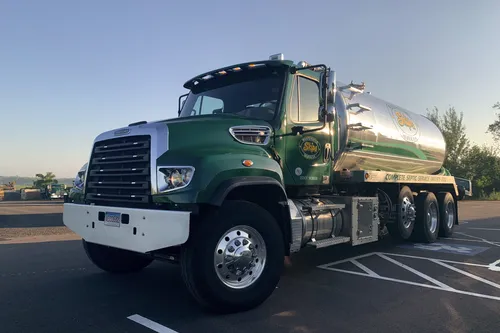
Skips Wastewater Services
21 Courtney Dr, Ellington, CT 06029
Skips Wastewater Services is a family-owned company providing septic and wastewater solutions in Hartford, CT, and surrounding counties. They offer residential and commercial services including grease trap cleaning, septic tank pumping, inspections, and installations. With a fleet of 11 pump trucks, they handle projects of all sizes and use advanced technology to ensure efficient service. Serving multiple counties in Connecticut, Skips has been delivering septic services for over 60 years. They also provide 24/7 emergency wastewater services to address backups and other urgent issues promptly.
Wind River Environmental
Danbury, CT
Wind River Environmental provides septic, plumbing, and grease trap services in Danbury, CT, serving residential, commercial, and municipal clients. The company offers comprehensive septic system maintenance, pumping, and repair, with expertise in local regulations to ensure compliance and environmental protection. Established in 1946, Wind River Environmental brings decades of experience and advanced technology to the community. They also provide 24/7 emergency service to address urgent wastewater issues promptly.
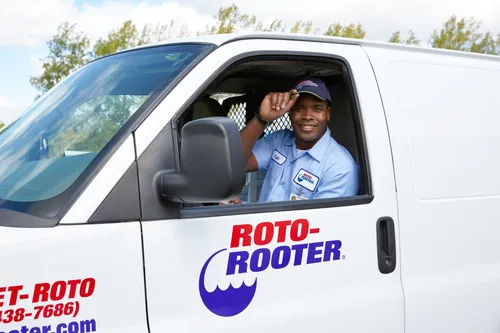
Roto-Rooter Plumbing & Water Cleanup
750 Main St Ste 321, Hartford, CT 06103
Roto-Rooter Plumbing & Water Cleanup offers comprehensive plumbing and water cleanup services in Hartford, CT. They serve both residential and commercial clients, providing solutions such as floodwater cleanup, sewer and drain cleaning, faucet and water heater repairs, grease trap cleaning, and mold remediation. Their commercial services include high-pressure water jetting (hydro-jetting), sewer line excavation, and grease trap maintenance. With a focus on the unique environmental factors of the Hartford area, Roto-Rooter also provides 24/7 emergency plumbing services to address urgent issues like burst pipes and sewer backups. They serve Hartford and surrounding communities including Avon, East Hartford, and West Hartford.
American Rooter
755 Thomaston Rd, Watertown, CT 06795
American Rooter is a family-owned plumbing and drain service company based in Waterbury, CT, serving residential, commercial, industrial, and municipal clients. Since 1980, they have provided a wide range of services including plumbing repairs, drain cleaning, grease trap cleaning, pipe lining, excavation, and hydro-excavation. Their capabilities include advanced trenchless pipe lining technologies such as Cured-in-Place-Pipelining (CIPP) and various pipe repair methods. They operate 24 hours a day, 365 days a year to address plumbing and drain emergencies promptly.
Roto-Rooter Plumbing & Water Cleanup
87 Carando Dr, Springfield, MA 01104
Roto-Rooter Plumbing & Water Cleanup provides comprehensive residential and commercial plumbing services in Springfield, MA. Their offerings include routine and emergency plumbing, sewer and drain cleaning, grease trap cleaning, water heater repair and installation, floodwater cleanup, mold remediation, and sewer line repair using both conventional and trenchless methods. The company is known for its expertise in handling local plumbing challenges such as tree root infiltration and nor'easter flooding. Roto-Rooter has a long-standing presence in the area and offers 24/7 emergency plumbing services to address urgent issues anytime. Serving Springfield and surrounding communities, Roto-Rooter uses advanced tools like hydro-jetting for drain cleaning and provides specialized commercial plumbing services including grease trap maintenance and gas line installation. Their team is equipped to manage complex plumbing systems for various industries, ensuring minimal downtime and effective solutions.
Understanding East Hartford's Grease Control Regulations
In East Hartford, grease trap compliance is governed by the MDC's Fats, Oils & Grease Program for Businesses. This program is designed to prevent sewer blockages and environmental damage by ensuring commercial kitchens properly contain and dispose of grease waste. The Town of East Hartford's Environmental Health division also references these requirements for food service facilities. Non-compliance isn't taken lightly, as it can lead to significant fines and operational disruptions for your business.
The specific rules differ based on the type of grease interceptor you have installed. It's essential to know which category your equipment falls under, as the cleaning schedule and documentation requirements are strictly defined.
Requirements for Indoor Grease Traps (SCGIs)
Indoor traps, often called Solid-Capped Grease Interceptors (SCGIs) or under-sink grease traps, have the most frequent mandated maintenance schedule. The MDC requires that these units be cleaned a minimum of once per quarter (four times a year). However, many high-volume kitchens find they need service monthly or even bi-weekly to prevent overflows and maintain efficiency. The waste removed from these traps must be logged and disposed of as "brown grease" waste.
Requirements for Outdoor Grease Interceptors
Larger outdoor grease interceptors, typically located in parking lots or behind buildings, follow a capacity-based rule. They must be pumped out at least every three months OR when the combined grease and solids layer reaches 25% of the liquid depth1 2. Some businesses may qualify for an extension on the quarterly schedule if they can consistently demonstrate their interceptor is less than 25% full at inspection times, but this requires approval from the MDC 1. Regardless of the schedule, detailed service records are mandatory.
Rules for New Installations and Equipment
If you're opening a new food service facility or renovating your kitchen in East Hartford, be aware of specific equipment mandates. The MDC typically requires new installations to use either an Automated Grease Recovery Unit (AGRU) or a large outdoor interceptor with a minimum capacity of 1,000 gallons. An AGRU automatically skims and collects grease, often reducing manual cleaning frequency. You may only be exempt from these requirements if you can prove to the MDC that your establishment will produce minimal amounts of FOG.
The Inspection Process and Maintaining Compliance
The MDC conducts inspections to ensure food service facilities are adhering to the FOG program rules. Being prepared for these inspections is crucial to avoid violations.
What Inspectors Look For
During an inspection, officials will review your grease trap cleaning logs and receipts from your service provider. They will check the physical condition of your interceptor to ensure it is functioning properly and not in a state of neglect. The goal is to verify that you are having the trap serviced at the required frequency and that the waste is being disposed of correctly.
Essential Documentation
Maintaining thorough records is your best defense against compliance issues. You must keep detailed service reports for a minimum of three years. Each report should include:
- Date of service
- Company name and technician details
- Type and size of the grease interceptor serviced
- Volume of grease/waste removed
- Disposal method and destination
- The technician's observations and recommendations
Having this paperwork organized and readily available streamlines the inspection process and proves your commitment to proper maintenance.
Consequences of Non-Compliance
Failing to meet the MDC's requirements can have serious consequences. Violations can result in substantial fines. In severe or repeat cases of non-compliance, the regulatory authority may take further action that could impact your business operations. Proactive maintenance and record-keeping are investments that protect you from these risks.
Find the perfect grease trap cleaning companies for your needs
Get personalized recommendations and expert advice
Cost Factors for Grease Trap Cleaning Services
The cost of professional grease interceptor maintenance in East Hartford is not a flat fee; it varies based on several key factors. Understanding these can help you budget accurately and evaluate service quotes.
Interceptor Size and Type: A small under-sink grease trap will cost significantly less to clean than a large, 1,500-gallon outdoor concrete interceptor. Automated units (AGRUs) may have different service cost structures focused on cartridge replacement or mechanical servicing.
Service Frequency and Accessibility: Regularly scheduled maintenance is almost always more affordable than emergency service calls for a clogged or overflowing trap. Furthermore, an interceptor that is easily accessible with clear space for the pump truck will cost less than one blocked by dumpsters or parked cars, which requires extra labor or equipment.
Scope of Service: A standard pump-out is a baseline cost. However, if the interceptor requires high-pressure jetting to remove hardened grease and solids, or if the baffles need to be cleaned or repaired, the price will increase. Always confirm what is included in a quoted price 3.
Estimated Price Ranges
While prices can fluctuate, here are general estimates based on industry standards for the region:
- Small Indoor Grease Trap (Monthly Service): Approximately $125 - $200 per cleaning 4.
- Large Outdoor Grease Interceptor (Quarterly Service): Typically ranges from $225 to $350 or more per pumping, depending on the factors listed above 5 6 7.
It's wise to obtain detailed quotes from several licensed providers to compare services and costs for your specific needs.
Best Practices for Kitchen Grease Management
Beyond scheduling regular professional cleanings, successful grease management starts with daily habits in your kitchen. Implementing these best practices can extend the time between service calls, reduce costs, and keep your operations running smoothly.
Source Control is Key: The first line of defense is preventing excess grease from entering the drain. Train all kitchen staff to scrape food scraps and grease into the trash, not the sink. Use strainers in all sink drains to catch solid particles. Wiping down greasy pots, pans, and dishes with a paper towel before washing can dramatically reduce the FOG load on your interceptor 8.
Choose a Certified and Reliable Provider: Not all waste haulers are experts in grease interceptor maintenance. Select a service provider that is familiar with East Hartford and MDC regulations, offers detailed documentation, and can provide references from other local food service businesses. A good partner will help you stay compliant, not just pump your trap.
Maintain Clear and Consistent Records: As emphasized, your service logs are legal documents. Designate a manager to be responsible for filing every service receipt immediately after the technician leaves. Use a logbook or digital folder to keep years of records organized for easy access during an inspection 9.
Frequently asked questions
Sources
Footnotes
-
Fats, Oils & Grease Program for Businesses - The MDC - https://themdc.org/environment-health-safety/fats-oils-grease-program-for-businesses/ ↩ ↩2
-
Food Service Facility Information | easthartfordct - https://www.easthartfordct.gov/environmental-health/pages/food-service-facility-information ↩
-
Grease Trap Cleaning in East Hartford CT - https://greasetrapcleaningnewington.com/east-hartford-ct.html ↩
-
The Cost To Clean A Grease Trap For Restaurants - https://thegreasecompany.com/blog/greasetrapcleaningcost/ ↩
-
How Much Does a Proper Grease Trap Cleaning Cost? - https://hulseyenvironmental.com/how-much-does-a-proper-grease-trap-cleaning-partner-cost/ ↩
-
Grease Trap Cleaning Prices | Guide on the Industry Average - https://grease-cycle.com/grease-trap-pumping-cost/ ↩
-
How Much Does It Cost to Clean Your Grease Trap? - https://www.aquaprosolutions.com/resources/how-much-does-it-cost-to-clean-your-grease-trap/ ↩
-
How to Clean a Grease Trap (and How Often You Should) - https://greaseconnections.com/how-to-clean-a-grease-trap-and-how-often-you-should/ ↩
-
Grease Trap Regulations and Compliance: What You Need to ... - https://www.texwaywastewater.com/grease-trap-regulations-and-compliance/ ↩