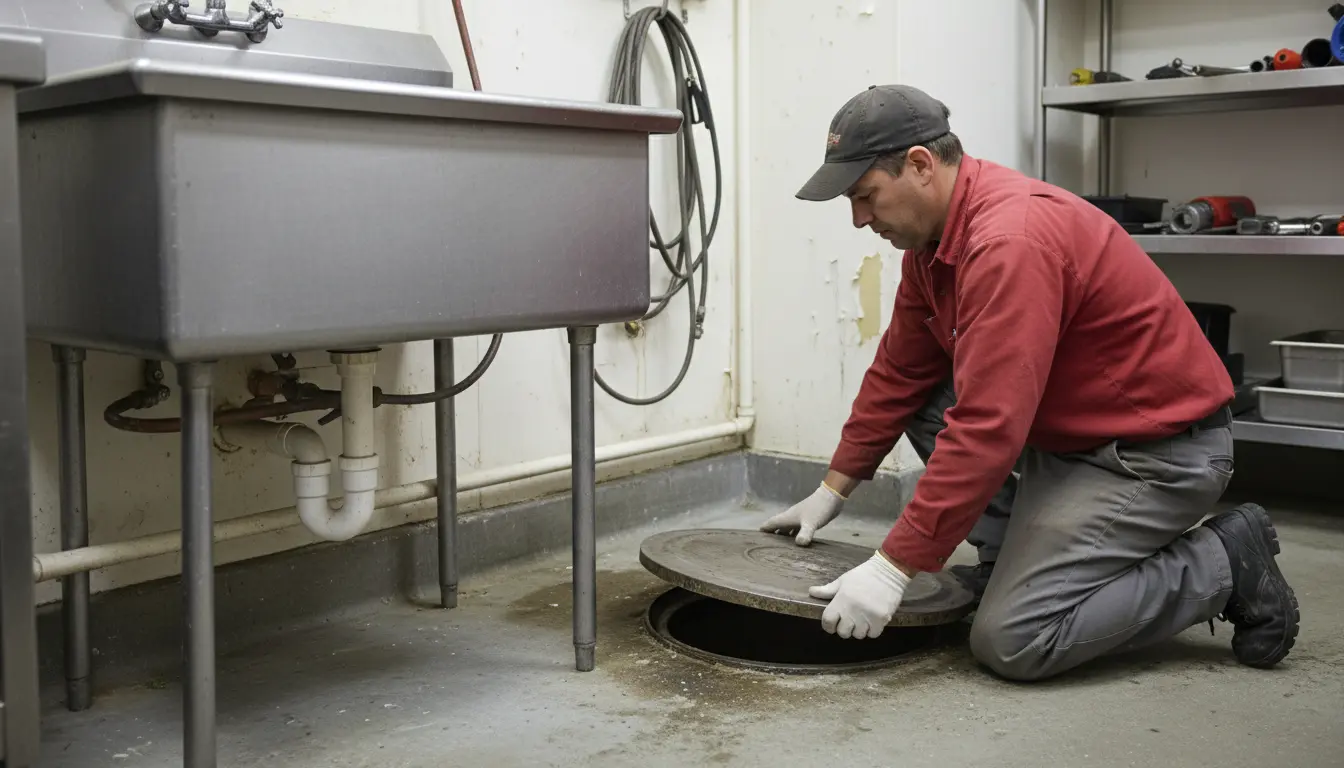
Find the Best Grease Trap Cleaning Companies for Your Business
No obligation • Fast responses • Nationwide coverage

Why you can trust Restaurant Waste Disposal
Restaurant Waste Disposal is a leading U.S. resource for comparing restaurant composting, food-waste recycling, grease trap cleaning, and used cooking oil collection services. Our editorial team researches providers, checks credentials, and organizes unbiased information so operators can make informed decisions. Companies cannot pay to change ratings or placement.
Search providers near you
Top Grease Trap Cleaning Companies in Bridgeport, Connecticut Ranked
For any restaurant or food service establishment in Bridgeport, managing Fats, Oils, and Grease (FOG) is not just a matter of kitchen maintenance-it's a critical regulatory requirement. The city's sewer system and local waterways are protected by strict state and local codes that mandate the installation, regular servicing, and meticulous record-keeping for grease interceptors. Failure to comply can lead to severe consequences, including costly fines, operational shutdowns, and damaging sewage backups. This guide outlines the essential knowledge for Bridgeport food service operators to maintain compliance, ensure smooth operations, and protect their business from preventable disruptions.
Affordable Cesspool Sewer & Drain | Septic & Grease Trap Service - Long Island
180 Blydenburgh Rd, Islandia, NY 11749
Affordable Cesspool Sewer & Drain | Septic & Grease Trap Service - Long Island provides grease trap cleaning and cesspool maintenance services in New York, NY. The company offers emergency service, including after-hours availability, and installs riser and cover systems to facilitate future cleanouts. Their technicians are knowledgeable and provide helpful maintenance advice to prevent future issues.
Wind River Environmental
Danbury, CT
Wind River Environmental provides septic, plumbing, and grease trap services in Danbury, CT, serving residential, commercial, and municipal clients. The company offers comprehensive septic system maintenance, pumping, and repair, with expertise in local regulations to ensure compliance and environmental protection. Established in 1946, Wind River Environmental brings decades of experience and advanced technology to the community. They also provide 24/7 emergency service to address urgent wastewater issues promptly.
Roto-Rooter Plumbing & Water Cleanup
1011 Hope St, Stamford, CT 06907
Roto-Rooter Plumbing & Water Cleanup provides comprehensive plumbing and water cleanup services in Stamford, CT, and the surrounding metro area. They serve both residential and commercial clients with a wide range of solutions including sewer and drain cleaning, grease trap maintenance, water heater repair and installation, and emergency floodwater cleanup. Their commercial services also include hydro-jetting and grease trap repairs, addressing the specific needs of high-volume spaces such as kitchens and offices. Established in 1935, Roto-Rooter brings decades of expertise to the Stamford community. They offer 24/7 emergency plumbing and water removal services to handle urgent issues any time of day or night.
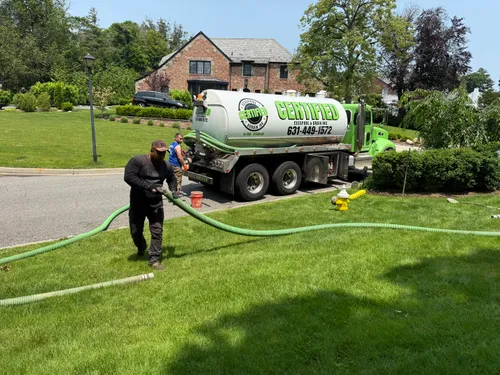
Certified Cesspool Service Suffolk County | Cesspool Pumping Suffolk NY
Greenwich, CT
Certified Cesspool Service Suffolk County | Cesspool Pumping Suffolk NY provides comprehensive septic and grease trap services in Greenwich, CT. They offer full septic system installation, grease trap cleaning, septic tank pumping, and emergency cesspool services. The company is known for 24/7 emergency availability and fast response times. Their capabilities include grease trap maintenance and sewer jetting. Certified Cesspool Service has built a reputation for thorough septic system maintenance and offers preventative care plans to avoid backups and issues.
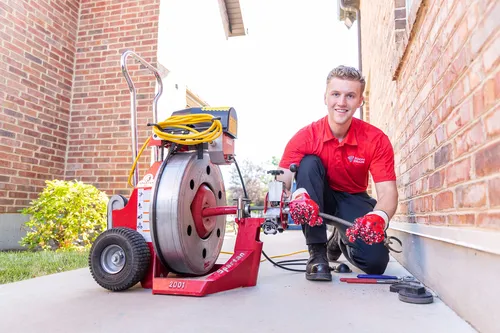
Zoom Drain
130 Lenox Ave, Stamford, CT 06906
Zoom Drain is a drain and sewer cleaning company based in Stamford, CT, serving both residential and commercial customers in Stamford and surrounding areas. They offer a range of services including drain cleaning, video inspections, sewer cleaning and repair, and commercial grease trap maintenance. Their technicians use advanced technology to quickly identify and resolve blockages, helping to maintain clear and functional drain systems. Zoom Drain also provides tailored maintenance plans for property managers and specialized services for the food and hospitality sectors. They are known for responding promptly to emergencies, including weekend and same-day service calls.
Understanding FOG Regulations in Connecticut
Bridgeport establishments are governed by a dual layer of regulation: the Connecticut Department of Energy and Environmental Protection (DEEP) and local health or sewer authorities. The state operates under a General Permit for the Discharge of Wastewater Associated with Food Preparation Establishments, which sets the baseline rules for all commercial kitchens. Locally, the Bridgeport Health Department and sewer district enforce these rules and may have additional requirements.
The core purpose of these regulations is to prevent FOG from entering the public sewer system. When grease cools, it solidifies and adheres to pipe walls, eventually causing complete blockages. These blockages can lead to sanitary sewer overflows (SSOs), which are environmental hazards and public health concerns. Your grease interceptor is the first and most important line of defense.
Grease Interceptor Sizing and Installation Requirements
Not all grease traps are created equal. For most food service facilities in Bridgeport, a simple under-sink "grease trap" is insufficient. Regulations typically require a larger, in-ground grease interceptor. The minimum size is often 1,000 gallons for standard food service establishments, designed to provide a 24-hour retention time for wastewater 1. This allows FOG to cool, solidify, and float to the top of the tank before the water exits into the sewer line.
The specific size and type (such as a Gravity Grease Interceptor or Hydromechanical Grease Interceptor) required for your facility depend on your kitchen's flow rate, the number of meals served, and the type of food prepared. A Class IV establishment (like a large banquet hall or high-volume restaurant) will have significantly different requirements than a Class I facility (like a coffee shop) 2. It is crucial to consult with a licensed professional and your local sewer authority during the planning stages to ensure your interceptor meets all code requirements.
The Critical Importance of Regular Maintenance
An interceptor is only effective if it is properly maintained. The universal rule enforced by inspectors is the "25% rule": a grease interceptor must be cleaned before the combined FOG and settled solids accumulate to exceed 25% of the tank's liquid depth 3 4. Waiting until the trap is full or nearly full defeats its purpose, as grease will simply flow through into the sewer lines.
For high-volume kitchens with Super Capacity Gravity Interceptors (SCGIs), cleaning is often required on a quarterly schedule, if not more frequently 5. The frequency of service is not arbitrary; it is determined by your establishment's grease production. A professional service provider can help you establish an appropriate pumping schedule based on your specific operations to ensure you remain in compliance between cleanings.
Find the perfect grease trap cleaning companies for your needs
Get personalized recommendations and expert advice
What to Expect During a Professional Cleaning Service
A thorough, professional grease interceptor service involves more than just pumping out liquid. A proper cleaning includes:
- Complete Evacuation: Removing all contents-water, grease (brown grease), and settled food solids-from the interceptor.
- High-Pressure Jetting: Using pressurized water to scour the interior walls, baffles, and inlet/outlet pipes to remove adhered grease and debris.
- Visual Inspection: Checking the structural integrity of the tank, the condition of lids and baffles, and ensuring all components are functioning correctly.
- Proper Waste Disposal: Transporting the captured FOG waste to an approved facility, such as a rendering plant or wastewater treatment plant, for proper recycling or disposal 6.
This comprehensive process ensures your interceptor is returned to like-new condition and operating at peak efficiency.
Navigating Inspections and Record-Keeping
Inspections by the Health Department or local Water Pollution Control Authority (WPCA) are a fact of life for Bridgeport restaurants. These visits are often unscheduled and can occur 3-4 times per year for high-volume facilities 7. The inspector will typically:
- Open the interceptor to visually assess the accumulation level against the 25% rule.
- Request to see your maintenance log.
- Observe kitchen practices to ensure staff are not pouring grease down drains.
This is why meticulous record-keeping is non-negotiable. You must maintain a detailed log on-site that includes the date of each service, the name of the servicing company, the volume of waste removed, and the disposal method. Invoices and service reports from your provider should be kept with this log. In the event of an inspection, organized and complete records are your best evidence of compliance.
Cost Factors for Grease Interceptor Pumping in Bridgeport
The cost for professional grease trap cleaning in Bridgeport varies based on several key factors. On average, businesses can expect to pay between $120 and $866 per service, with many typical services falling in the $350 to $504 range 8.
- Interceptor Size & Capacity: A small, under-sink trap (30-200 gallons) may cost $125-$240 to pump, while a large, in-ground 1,000+ gallon interceptor will cost significantly more due to the increased labor, time, and waste volume 9 10.
- Accessibility: Easy access with clear lid placement lowers cost. Difficult access requiring special equipment or extensive labor will increase it.
- Service Frequency: Establishing a regular, preventative maintenance schedule with a provider is often more cost-effective than emergency "as-needed" calls.
- Waste Disposal Fees: A substantial portion of the cost is for the proper transportation and disposal of the collected brown grease, which can add $150-$450 or more to the total bill depending on volume 11 12.
Best Practices for Daily Kitchen Operations
Professional cleaning is essential, but daily preventative measures are what keep your interceptor functioning properly and reduce service frequency.
- Scrape, Don't Rinse: Train staff to scrape all food scraps and grease from plates, pots, and pans into a trash bin before washing.
- Use Strainers: Install and maintain sink strainers to catch solid particles.
- Never Pour Grease Down the Drain: Designate containers for collecting used fryer oil and pan grease. This "yellow grease" can often be collected for recycling by a separate service.
- Avoid Garbage Disposals: If possible, avoid using garbage disposals, as they send emulsified fats and food solids directly into your interceptor, filling it faster.
Consequences of Non-Compliance
Ignoring grease interceptor maintenance is a high-risk gamble. The consequences extend far beyond a simple fine:
- Financial Penalties: Municipalities can levy significant fines for each violation discovered during an inspection.
- Operational Shutdown: In severe cases, particularly for repeat offenders or those causing a sewer blockage, the Health Department can issue a cease-and-desist order, shutting down your kitchen until the issue is resolved and proven compliant.
- Sewage Backups: The most direct and damaging result is a backup in your own establishment. A blocked sewer line can lead to raw sewage flooding your kitchen, basement, or dining area, resulting in massive cleanup costs, lost inventory, and extended business interruption.
- Environmental Liability: If your FOG discharge contributes to a public sewer overflow, your business could be held responsible for cleanup costs and environmental remediation.
Frequently asked questions
Sources
Footnotes
-
FOOD PREPARATION ESTABLISHMENT FATS, OILS, AND ... - https://www.cromwellct.com/sewer/files/sewer-programs-faq ↩
-
APPENDIX A Grease Trap and Interceptor Requirements Definitions - https://fcwsd.org/documents/728/Appendix_A_Grease_Trap_Requirements.pdf ↩
-
The Ultimate Guide to Restaurant Grease Trap Cleaning: Smart Solutions for Commercial Kitchens - Mokher Plumbing - https://mokherplumbing.com/ultimate-guide-restaurant-grease-trap-cleaning/ ↩
-
General Permit for the Discharge of Wastewater Associated ... - CT.gov - https://portal.ct.gov/-/media/DEEP/Permits_and_Licenses/Water_Discharge_General_Permits/foggppdf.pdf ↩
-
Grease Interceptors for Connecticut - Schier Products - https://schierproducts.com/connecticut ↩
-
Fats, Oils & Grease Program for Businesses - The MDC - https://themdc.org/environment-health-safety/fats-oils-grease-program-for-businesses/ ↩
-
Grease Trap Restaurant: The Essential Guide - https://therestaurantwarehouse.com/blogs/restaurant-equipment/grease-trap-restaurant-guide ↩
-
How Much Does it Cost to Clean a Grease Trap Professionally? - https://www.jsewerandplumbing.com/how-much-does-it-cost-to-clean-a-grease-trap-professionally/ ↩
-
Grease Trap Cleaning in Bridgeport, CT - Costs 09 / 2025 - Homeyou - https://www.homeyou.com/ct/grease-trap-cleaning-bridgeport-costs ↩
-
Ultimate Grease Trap Pumping Cost Guide: Essential Money-Saving ... - https://www.texwaywastewater.com/grease-trap-pumping-cost/ ↩
-
How Much Does a Proper Grease Trap Cleaning Cost? - https://hulseyenvironmental.com/how-much-does-a-proper-grease-trap-cleaning-partner-cost/ ↩
-
Grease Trap Cleaning Prices | Guide on the Industry Average - https://grease-cycle.com/grease-trap-pumping-cost/ ↩