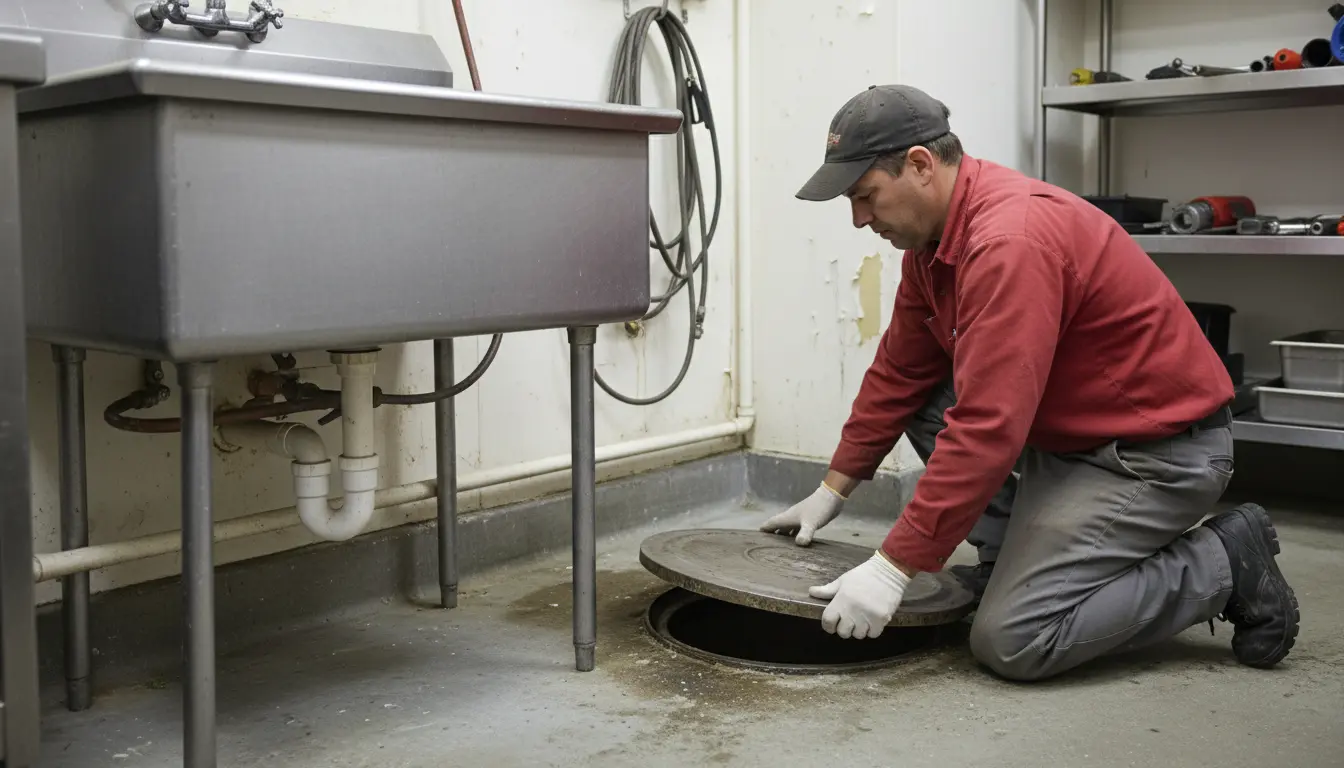
Find the Best Grease Trap Cleaning Companies for Your Business
No obligation • Fast responses • Nationwide coverage

Why you can trust Restaurant Waste Disposal
Restaurant Waste Disposal is a leading U.S. resource for comparing restaurant composting, food-waste recycling, grease trap cleaning, and used cooking oil collection services. Our editorial team researches providers, checks credentials, and organizes unbiased information so operators can make informed decisions. Companies cannot pay to change ratings or placement.
Search providers near you
Top Grease Trap Cleaning Companies in Tucson, Arizona Ranked
For any food service establishment in Tucson, from bustling downtown eateries to neighborhood cafes, managing fats, oils, and grease (FOG) is a critical operational and legal responsibility. Effective grease trap and interceptor maintenance is not just about preventing clogs; it's a mandatory component of local plumbing and health codes designed to protect the city's sewer infrastructure. Non-compliance can lead to severe fines, operational shutdowns, and costly emergency repairs. This guide outlines the specific requirements, best practices, and cost considerations for keeping your Tucson restaurant compliant and running smoothly.
Proper FOG management starts with understanding the local regulations. Tucson adheres to amendments of the International Plumbing Code (IPC), which set forth clear specifications for grease interceptor design and maintenance. These rules are enforced by county health inspectors and city officials during routine health and safety inspections, sales of a business, or audits. The cornerstone of compliance is a proactive maintenance schedule paired with meticulous record-keeping, which serves as your first line of defense during an inspection.
Roto-Rooter Plumbing & Drain Services
1120 N Anita Ave, Tucson, AZ 85705
Roto-Rooter Plumbing & Drain Services provides comprehensive plumbing solutions for residential and commercial properties in Tucson, AZ. Their services include leak detection, drain cleaning, water heater repairs, sewer line maintenance, grease trap cleaning, and emergency flood cleanup. The company uses advanced tools such as video camera inspections and hydro-jetting to address plumbing challenges specific to the Tucson area. Roto-Rooter has a strong local presence and offers 24/7 emergency plumbing services to handle urgent repairs at any time.
Old Pueblo Septic & Drain Service
6955 N Camino Martin Suite 106, Tucson, AZ 85741
Old Pueblo Septic & Drain Service is a licensed and insured company providing septic tank and drain services in Tucson, AZ. They serve Southern Arizona, including Pima, Pinal, Cochise, Maricopa, and Santa Cruz Counties. Their services include residential and commercial septic pumping, grease trap cleaning, lift station pumping, root removal, septic tank repairs, electronic locating of septic systems, filter cleaning, and CCLS bacteria treatment. The company offers 24/7 emergency service and emphasizes regular septic tank maintenance to help avoid tank failures.
Avra-Marana Pumping Service
10501 N Maybrook Ave, Marana, AZ 85653
Avra-Marana Pumping Service is a grease trap cleaning company based in Tucson, AZ. They specialize in grease trap maintenance and cleaning services for commercial and industrial clients in the Tucson area.

Goldstar Pumping
7771 Reuse Pl, Tucson, AZ 85756
Goldstar Pumping provides grease trap cleaning and maintenance services in Tucson, AZ. They specialize in cleaning commercial grease traps, interceptors, and septic systems, along with preventative care for drain lines and plumbing. Their capabilities include hydro-jetting and pipe video inspections to help clients comply with wastewater regulations while adhering to high recycling standards.
Tucson Tallow Co
3928 N Fairview Ave, Tucson, AZ 85705
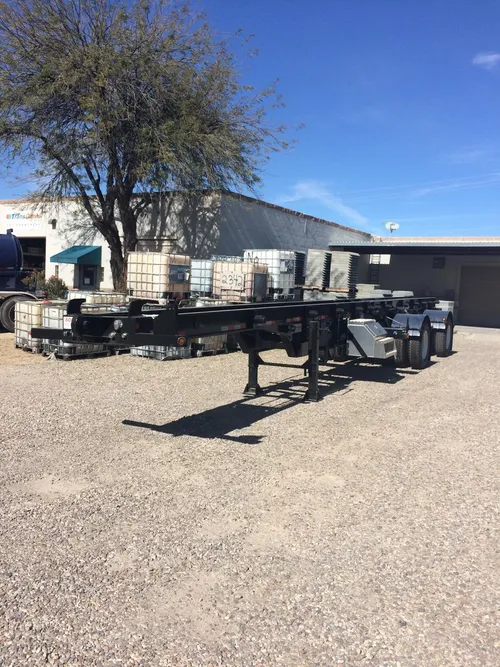
Tucson Tallow Co provides grease recycling, used cooking oil removal, grease trap cleaning, septic pumping, and hydro jetting services in Tucson, AZ. Serving restaurants, senior living centers, and other industries, they focus on maintaining compliance with local regulations and prioritize grease recycling to protect sewage systems. Established in 1938, Tucson Tallow Co has nearly a century of experience and strong relationships with inspectors and government agencies. Their team offers 24/7 availability to handle grease and wastewater needs without interrupting clients' routines.
Understanding Tucson's Grease Interceptor Regulations
Tucson's code amendments specify precise construction requirements for grease traps and interceptors. Key design mandates include having a minimum of two compartments and being equipped with two manways, each at least 20 inches in diameter for proper access. The system must also be correctly vented according to plumbing code and have adequate cleanouts installed. These design standards are in place to ensure that interceptors can be effectively serviced and maintained.
The legal obligation for a restaurant owner or manager is to keep these devices "free of caked-on FOG" and to document every cleaning and pumping service 1. All collected FOG waste must be disposed of properly by a licensed service provider; it is illegal to pour it down any drain or sewer line. The goal of these regulations is to prevent FOG from entering the public sewer system, where it can cool, solidify, and create massive blockages leading to sanitary sewer overflows (SSOs).
Inspection and Enforcement: What to Expect
Inspections can be conducted by several entities, including Pima County health department inspectors, private third-party inspectors, and City of Tucson officials. These inspections often occur during routine health and safety checks, but they can also be triggered by the sale of a business, a complaint, or a follow-up audit.
Enforcement for violations can be stringent. Establishments found to be non-compliant may face fines, which can range from hundreds to thousands of dollars per day until the issue is corrected 2. In serious cases, a business may face permit issues or even be forced to cease operations until the grease interceptor system is brought up to code. This makes understanding and adhering to the rules not just an operational concern, but a financial imperative.
Creating an Effective Maintenance Schedule
A reactive approach to grease trap cleaning is a recipe for trouble. Instead, developing a robust, proactive maintenance schedule is essential. The frequency of service depends entirely on your establishment's volume: a high-volume restaurant or one serving particularly greasy foods will require more frequent pumping than a low-volume cafe.
A critical rule of thumb is to schedule cleaning before the interceptor becomes too full. Many experts recommend servicing when the FOG and solids accumulate to about 25% of the trap's capacity 3 4. Waiting longer allows grease to harden and cake onto the walls and baffles, making cleaning more difficult, less effective, and more expensive. Regular, scheduled pumping helps maintain the unit's efficiency and prevents foul odors from backing up into your kitchen.
Find the perfect grease trap cleaning companies for your needs
Get personalized recommendations and expert advice
Best Practices for FOG Prevention and Trap Longevity
While professional pumping is necessary, daily kitchen practices significantly impact how quickly your interceptor fills and how well it functions.
- Scrape and Segregate: Train staff to scrape all food scraps from plates, pots, and pans into trash or compost bins before washing. Food solids rapidly fill interceptors.
- Use Sink Strainers: Install and consistently use strainers in all prep and dishwashing sinks to catch solids.
- Never Pour Grease Down Drains: This is the cardinal sin of FOG management. Collect all used fryer oil, pan drippings, and greasy liquids in a dedicated container for proper recycling or disposal.
- Avoid Garbage Disposals: If possible, do not use garbage disposals in kitchen sinks. They emulsify fats and send solid particles into the interceptor, accelerating buildup.
- Document Everything: Maintain a detailed logbook or digital file of every service. Record the date, company name, amount of waste removed, and any observations. This log is your proof of compliance during inspections 5 6.
Recognizing Signs You Need Service Immediately
Even with a good schedule, be vigilant for signs that your interceptor needs immediate attention:
- Slow Draining: Sinks or floor drains that are slow to empty can indicate a blockage from grease.
- Foul Odors: Persistent sewer or rotten egg smells coming from drains are a classic sign of a full or failing trap.
- Visual Buildup: During routine visual checks (if safely accessible), look for a thick layer of grease or solids.
- Gurgling Sounds: Unusual gurgling from drains when water is running can signal a ventilation problem or blockage.
If you notice any of these signs, contact a professional service provider promptly to prevent a more serious backup.
Cost Considerations for Grease Trap Pumping in Tucson
The cost of service in Tucson is typically aligned with national averages, influenced by the size of your interceptor, its accessibility, and how well it has been maintained. For a routine, scheduled pumping of a well-maintained trap, restaurants can expect an average cost ranging from $250 to $400 per service.
However, costs can escalate quickly for emergency services or neglected traps. An emergency call-out, especially after hours or on weekends, can cost between $800 and $1,200 7. Furthermore, if heavy caking is present, the service becomes more labor-intensive, potentially requiring more time or specialized equipment, which increases the price. The most cost-effective strategy is clear: adhere to a regular maintenance schedule to avoid premium emergency rates and potential fines.
The Importance of Professional Service and Proper Disposal
Hiring a licensed, reputable grease trap cleaning service is crucial. Professionals have the equipment, expertise, and permits to pump out the full contents of your interceptor safely and efficiently. More importantly, they ensure the FOG waste is transported and disposed of or recycled at approved facilities, providing you with documentation (a "manifest" or receipt) for your records. This documentation completes the chain of custody and is a key part of your compliance paperwork, proving you did not illegally discharge the waste 8.
Frequently asked questions
Sources
Footnotes
-
Exhibit F to Ordinance - IPC (A0216517).DOCX - City of Tucson - https://www.tucsonaz.gov/files/sharedassets/public/pdsd/documents/building-code/2018_-_ipc_amendments.pdf ↩
-
Restaurant Inspections: Grease Trap Requirements - http://foodgreasetrappers.com/2016/11/restaurant-inspections-grease-trap-requirements/ ↩
-
The Ultimate Guide to Restaurant Grease Trap Cleaning - https://mokherplumbing.com/ultimate-guide-restaurant-grease-trap-cleaning/ ↩
-
Grease Trap Cleaning & Pumping: Your Ultimate Commercial Guide - https://elvisservicecompany.com/news/the-ultimate-guide-to-grease-trap-cleaning-pumping-everything-your-business-needs-to-know/ ↩
-
Essential Grease Trap Maintenance Guide For Mesa Facilities - https://www.myshyft.com/blog/grease-trap-cleaning-mesa-arizona/ ↩
-
Developing a Robust Grease Trap Maintenance Schedule - https://evergreengrease.com/posts/grease-trap-maintenance-schedule ↩
-
Ultimate Grease Trap Pumping Cost Guide: Essential Money-Saving ... - https://www.texwaywastewater.com/grease-trap-pumping-cost/ ↩
-
APPENDIX A Grease Trap and Interceptor Requirements Definitions - https://fcwsd.org/documents/728/Appendix_A_Grease_Trap_Requirements.pdf ↩