Find the Best Grease Trap Cleaning Companies for Your Business
No obligation • Fast responses • Nationwide coverage

Why you can trust Restaurant Waste Disposal
Restaurant Waste Disposal is a leading U.S. resource for comparing restaurant composting, food-waste recycling, grease trap cleaning, and used cooking oil collection services. Our editorial team researches providers, checks credentials, and organizes unbiased information so operators can make informed decisions. Companies cannot pay to change ratings or placement.
Search providers near you
Top Grease Trap Cleaning Companies in Goodyear, Arizona Ranked
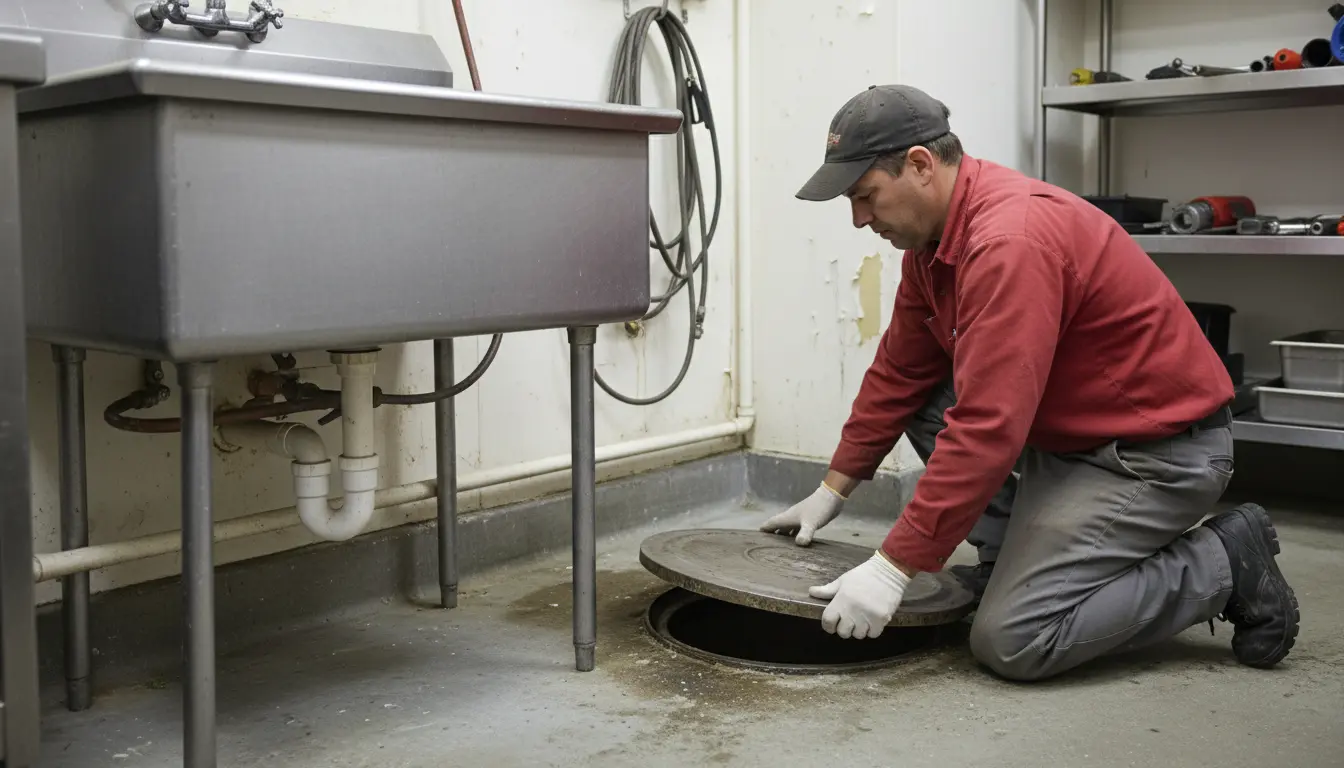
For any restaurant, food truck, or commercial kitchen in Goodyear, managing fats, oils, and grease (FOG) is a critical operational and legal responsibility. Proper grease trap and interceptor maintenance is not just about avoiding unpleasant odors or slow drains; it's a mandated requirement to protect the city's sewer infrastructure from costly blockages and environmental damage. The City of Goodyear has specific codes governing the installation, accessibility, and cleaning frequency of these essential systems. Non-compliance can lead to significant fines, business disruptions, and expensive emergency service calls. This guide outlines the local regulations, best practices, and service considerations for effective FOG management, helping Goodyear food service establishments maintain compliance, control costs, and operate smoothly.
Local ordinances are designed to prevent FOG from entering the public sewer system, where it can solidify and cause major blockages, leading to sanitary sewer overflows (SSOs). These overflows are serious environmental hazards and can result in substantial penalties for the city and the responsible businesses. By adhering to a disciplined maintenance schedule, restaurant owners not only fulfill their legal obligations but also protect their own plumbing from backups that can halt kitchen operations.
Roto-Rooter Plumbing & Water Cleanup
12133 W Bell Rd #104, Surprise, AZ 85378
Roto-Rooter Plumbing & Water Cleanup provides comprehensive plumbing and water damage cleanup services in Phoenix, AZ. They serve both residential and commercial clients with expertise in grease trap cleaning, sewer and drain cleaning, water heater repair and installation, and floodwater cleanup. Their team is equipped to handle complex plumbing systems including commercial grease traps and offers hydro-jetting services to clear stubborn clogs. Roto-Rooter has a local presence in the Phoenix area and offers 24/7 emergency plumbing services to address urgent issues like sewer backups and water damage remediation.
Zoom Drain Tempe
1705 W University Dr, Tempe, AZ 85281
Zoom Drain Tempe specializes in drain and sewer services for residential and commercial properties in Phoenix, AZ. They focus exclusively on drain and sewer systems, offering cleaning, inspections, repairs, and pump replacements. The company uses advanced rooter equipment to clear blockages caused by tree roots and debris, adapting their methods to local soil and climate conditions. They provide 24/7 emergency response to address urgent drain and sewer issues promptly. Zoom Drain Tempe understands the unique challenges of the Phoenix area, including mineral-rich water and clay-heavy soil, and tailors their services to meet these needs.
Roto-Rooter Plumbing & Water Cleanup
1729 W Greentree Dr #107, Tempe, AZ 85284
Roto-Rooter Plumbing & Water Cleanup provides comprehensive residential and commercial plumbing services in Phoenix, AZ, and the surrounding areas. Their offerings include drain and sewer cleaning, grease trap maintenance, water heater repair and installation, sump pump services, and emergency flood response. The company is equipped to handle complex commercial plumbing systems and uses advanced techniques such as hydro-jetting and trenchless sewer repair. Established in 1935, Roto-Rooter offers 24/7 emergency plumbing services to address urgent issues like burst pipes and sewer backups.
Roto-Rooter Plumbing & Water Cleanup
12630 N 103rd Ave # 112, Sun City, AZ 85351
Roto-Rooter Plumbing & Water Cleanup provides comprehensive plumbing and water cleanup services in Phoenix, AZ. They serve both residential and commercial clients with expertise in plumbing repairs, drain and sewer cleaning, water heater services, and grease trap cleaning. The company is equipped with advanced tools like hydro-jetting for effective drain maintenance and sewer line cleaning. Roto-Rooter offers 24/7 emergency plumbing services to address urgent issues such as leaks, backups, and water damage. They also provide mold remediation and floodwater cleanup. Serving the Phoenix area and surrounding communities, Roto-Rooter is a licensed and insured provider known for managing complex plumbing systems in various industries.
Zoom Drain Phoenix
2425 E Camelback Rd, Phoenix, AZ 85016
Zoom Drain Phoenix specializes in drain and sewer services for both residential and commercial properties in Phoenix, AZ. They provide focused expertise in drain cleaning, sewer line repair, inspections, pump replacement, and grease trap maintenance. The company uses advanced rooter equipment tailored to local soil and pipe conditions to clear blockages effectively. With a strong understanding of Phoenix's unique climate and plumbing challenges, Zoom Drain offers 24/7 emergency response to handle urgent drain and sewer issues promptly and in compliance with local regulations.
Understanding Goodyear's Grease Trap Regulations
The cornerstone of compliance in Goodyear is Section 12A-3-2 of the City Code, which outlines additional pretreatment measures for commercial establishments. The city's approach is proactive, focusing on prevention rather than reaction to problems.
Key Code Requirements:
- Accessibility: All grease interceptors and traps must be easily accessible for inspection, cleaning, and maintenance by both city officials and service providers. This means they cannot be buried under equipment or obstructed by stored items.
- Cleaning Frequency: The code mandates that grease traps be pumped out completely at least every 180 days (6 months). However, the City Director or Water Services department has the authority to require more frequent pumping based on the volume of FOG your establishment produces. High-volume kitchens may need monthly or quarterly service.
- Flow Restriction: A properly vented flow restriction valve must be installed upstream of the grease interceptor to control the rate of wastewater flow, allowing adequate time for FOG to separate and solidify.
- Record Keeping: While explicitly stated in broader best practices, maintaining detailed logs of every cleaning service-including date, company, volume of waste removed, and disposal receipts-is essential for demonstrating compliance during a city inspection 1.
The Cost of Compliance vs. Non-Compliance
Investing in regular grease trap maintenance is far more economical than facing the consequences of neglect. Costs can be broken down into planned maintenance and unexpected penalties.
Scheduled Maintenance Costs: For a typical restaurant in the Goodyear area, the price for a standard grease trap pumping service varies based on several factors:
- Trap Size & Location: A small, indoor grease trap (common under sinks) may cost between $175 to $400 per cleaning. Larger, in-ground commercial interceptors can range from $400 to $2,500+ per service 2 3 4.
- Service Frequency: Contracting for regular service (e.g., quarterly) often comes at a better rate than one-off emergency calls.
- Waste Volume: The amount of grease and solids removed directly impacts the disposal cost and therefore the service price.
The High Price of Violations: Failing to adhere to Goodyear's codes can trigger a cascade of expensive problems:
- City Fines: The city can levy fines for violations, which escalate if issues are not promptly corrected 5.
- Emergency Service Premiums: A severely clogged trap that causes a backup requires immediate, after-hours service, which can cost two to three times the price of a scheduled cleaning.
- Business Disruption: A kitchen shutdown due to a plumbing emergency means lost revenue and potentially damaged customer relationships.
- System Damage: Chronic neglect can lead to permanent damage to the trap or interceptor itself, necessitating a full replacement-a major capital expense.
Find the perfect grease trap cleaning companies for your needs
Get personalized recommendations and expert advice
Best Practices for Grease Trap Management
Beyond mere compliance, adopting these operational habits will extend the life of your equipment and improve efficiency.
1. Establish a Proactive Pumping Schedule Don't wait for the 6-month legal minimum. Most service providers recommend pumping based on the "1/4 Rule": when the combined FOG and solids layer reaches 25% of the trap's depth, it's time to clean. For busy kitchens, this often translates to monthly or quarterly service. A reliable provider can help you determine the optimal frequency during your first service.
2. Implement Kitchen Best Practices Reduce the load on your grease trap by training staff on proper disposal:
- Use sink strainers to catch food solids before they enter the drain 6.
- Scrape all plates, pots, and pans into a trash or compost bin before rinsing.
- Never pour grease from fryers or griddles down the drain. Collect it in sealed containers for proper recycling or disposal.
- Avoid using garbage disposals excessively, as they send emulsified fats and fine solids into the trap, making them harder to separate and remove.
3. Maintain Detailed Records Keep a dedicated logbook or digital file for all grease-related services. This should include:
- Pumping and cleaning service reports.
- Used cooking oil collection receipts.
- Any inspection reports from the city.
- Repair or maintenance work on the interceptor.
This documentation is your first line of defense during a city inspection, proving a history of diligent maintenance 7.
Choosing a Service Provider in Goodyear
Selecting the right partner for grease trap cleaning and used oil collection is crucial. Look for a licensed, insured, and reputable company familiar with Goodyear's specific municipal codes.
What to Ask a Potential Provider:
- Are you licensed and insured to handle grease waste and used cooking oil in Maricopa County?
- Can you provide documentation (waste manifests) proving proper disposal at a licensed facility?
- Do you offer service contracts for regular maintenance at a predictable cost?
- Are you available for emergency service, and what are those rates?
- Can you assist with documentation for city compliance inspections?
A good provider acts as a consultant, helping you optimize your schedule and avoid compliance pitfalls.
Inspection and Enforcement: What to Expect
The City of Goodyear's Water Services department is responsible for enforcing FOG regulations. Inspections may be scheduled or unannounced and typically focus on:
- Accessibility and physical condition of the grease interceptor.
- Review of pumping and maintenance records for the past 1-3 years.
- Checking for proper installation of flow control devices.
- Sampling wastewater discharge, if necessary, to check for excessive FOG levels 8 9.
If violations are found, the process usually starts with a notice of violation and a corrective action plan with a deadline. Failure to comply can result in fines, mandatory more frequent pumping schedules, and in severe cases, a suspension of sewer service or business closure 10 11. Cooperation and prompt action are key to resolving issues efficiently.
Staying ahead of grease trap maintenance is a fundamental aspect of responsible restaurant ownership in Goodyear. By understanding the local codes, implementing proactive kitchen practices, and partnering with a qualified service provider, you can ensure your business runs smoothly, remains in good standing with the city, and contributes to the health of the local environment and infrastructure.
Frequently asked questions
Sources
Footnotes
-
The Ultimate Guide to Restaurant Grease Trap Cleaning - https://mokherplumbing.com/ultimate-guide-restaurant-grease-trap-cleaning/ ↩
-
Ultimate Grease Trap Pumping Cost Guide: Essential Money-Saving ... - https://www.texwaywastewater.com/grease-trap-pumping-cost/ ↩
-
The Cost To Clean A Grease Trap For Restaurants - https://thegreasecompany.com/blog/greasetrapcleaningcost/ ↩
-
Grease Trap Cleaning Prices | Guide on the Industry Average - https://grease-cycle.com/grease-trap-pumping-cost/ ↩
-
Grease Trap Cleaning from Santa Clarita to San Diego - https://phoenixpumping.com/grease-trap-maintenance/ ↩
-
Grease Trap Repair & Install | Arizona Restaurant Plumbing - https://asapplumbingaz.com/grease-traps/ ↩
-
Grease Trap Regulations and Compliance: What You Need to Know - https://www.texwaywastewater.com/grease-trap-regulations-and-compliance/ ↩
-
Chapter 13.13 FATS, OILS, AND GREASE CONTROL - General Code - https://www.codepublishing.com/AZ/Winslow/html/Winslow13/Winslow1313.html ↩
-
APPENDIX A Grease Trap and Interceptor Requirements Definitions - https://fcwsd.org/documents/728/Appendix_A_Grease_Trap_Requirements.pdf ↩
-
12A-3-2 Additional pretreatment measures - https://goodyear.municipal.codes/Code/12A-3-2 ↩
-
Restaurant Grease Trap Maintenance: Best Practices & Step ... - https://boh.ai/blog-article/restaurant-grease-trap-maintenance-a-complete-guide-for-kitchen-efficiency ↩