Find the Best Grease Trap Cleaning Companies for Your Business
No obligation • Fast responses • Nationwide coverage

Why you can trust Restaurant Waste Disposal
Restaurant Waste Disposal is a leading U.S. resource for comparing restaurant composting, food-waste recycling, grease trap cleaning, and used cooking oil collection services. Our editorial team researches providers, checks credentials, and organizes unbiased information so operators can make informed decisions. Companies cannot pay to change ratings or placement.
Search providers near you
Top Grease Trap Cleaning Companies in Phoenix, Arizona Ranked
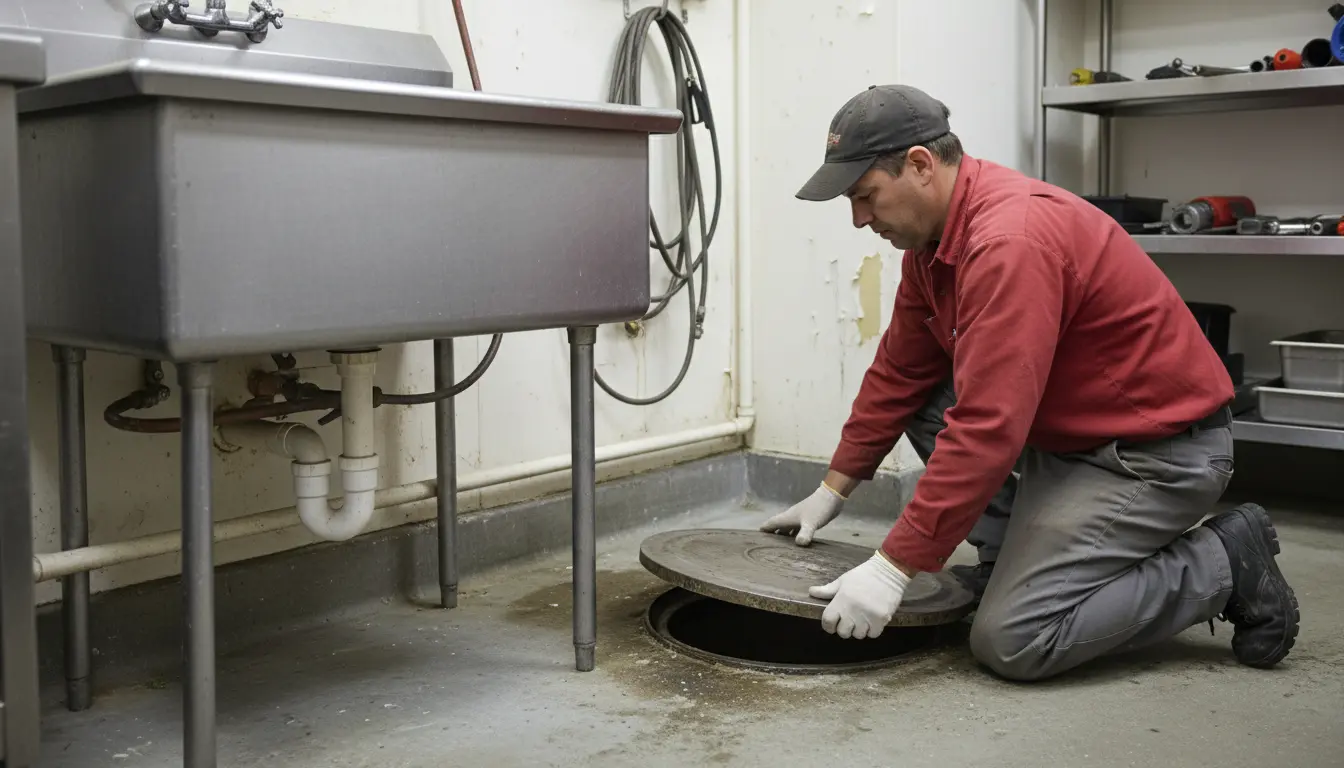
Maintaining a compliant and efficient grease interceptor system is a critical operational requirement for every food service establishment (FSE) in Phoenix. The city enforces strict regulations to prevent Fats, Oils, and Greases (FOG) from entering the public sewer system, which can cause costly blockages and environmental damage. For restaurant owners and managers, this means adhering to mandated maintenance schedules, implementing best practices, and keeping detailed service records. Professional grease trap cleaning and pumping services are not just a recommendation; they are a legal necessity to avoid significant fines and ensure your business runs smoothly.
Roto-Rooter Plumbing & Water Cleanup
12133 W Bell Rd #104, Surprise, AZ 85378
Roto-Rooter Plumbing & Water Cleanup provides comprehensive plumbing and water damage cleanup services in Phoenix, AZ. They serve both residential and commercial clients with expertise in grease trap cleaning, sewer and drain cleaning, water heater repair and installation, and floodwater cleanup. Their team is equipped to handle complex plumbing systems including commercial grease traps and offers hydro-jetting services to clear stubborn clogs. Roto-Rooter has a local presence in the Phoenix area and offers 24/7 emergency plumbing services to address urgent issues like sewer backups and water damage remediation.
Zoom Drain Tempe
1705 W University Dr, Tempe, AZ 85281
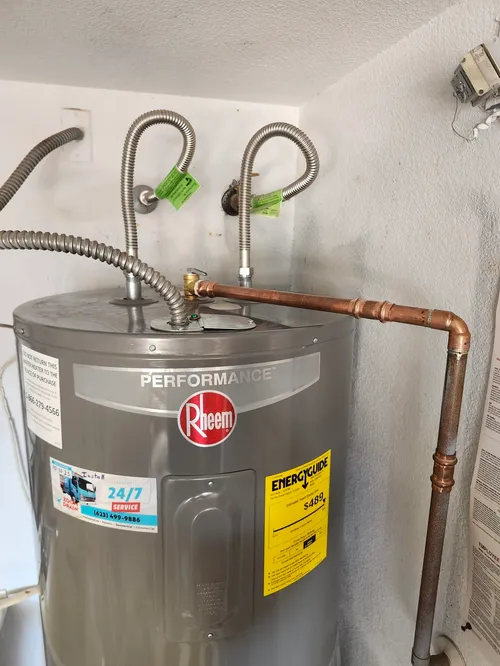
Zoom Drain Tempe specializes in drain and sewer services for residential and commercial properties in Phoenix, AZ. They focus exclusively on drain and sewer systems, offering cleaning, inspections, repairs, and pump replacements. The company uses advanced rooter equipment to clear blockages caused by tree roots and debris, adapting their methods to local soil and climate conditions. They provide 24/7 emergency response to address urgent drain and sewer issues promptly. Zoom Drain Tempe understands the unique challenges of the Phoenix area, including mineral-rich water and clay-heavy soil, and tailors their services to meet these needs.
Roto-Rooter Plumbing & Water Cleanup
1729 W Greentree Dr #107, Tempe, AZ 85284
Roto-Rooter Plumbing & Water Cleanup provides comprehensive residential and commercial plumbing services in Phoenix, AZ, and the surrounding areas. Their offerings include drain and sewer cleaning, grease trap maintenance, water heater repair and installation, sump pump services, and emergency flood response. The company is equipped to handle complex commercial plumbing systems and uses advanced techniques such as hydro-jetting and trenchless sewer repair. Established in 1935, Roto-Rooter offers 24/7 emergency plumbing services to address urgent issues like burst pipes and sewer backups.
Roto-Rooter Plumbing & Water Cleanup
7227 E Baseline Rd Ste 104 Office 101, Mesa, AZ 85209
Roto-Rooter Plumbing & Water Cleanup provides comprehensive plumbing and water cleanup services in Phoenix, AZ. They serve both residential and commercial clients, offering solutions such as drain and sewer cleaning, grease trap maintenance, water heater repair and installation, and emergency plumbing services. The company is equipped to handle complex commercial plumbing systems and uses advanced techniques like hydro-jetting and trenchless sewer line repair. Established in 1935, Roto-Rooter is available 24/7 for emergency plumbing needs, including water damage cleanup and mold remediation.
Roto-Rooter Plumbing & Water Cleanup
333 N Dobson Rd suite 5-139, Chandler, AZ 85224
Roto-Rooter Plumbing & Water Cleanup provides comprehensive plumbing, drain cleaning, and water damage cleanup services in Phoenix, AZ. Serving both residential and commercial clients, they handle a wide range of issues including grease trap maintenance, sewer line repair, water heater installation, and mold remediation. The company offers 24/7 emergency plumbing services to address urgent problems such as sewer backups, burst pipes, and flood damage. With expertise in hydro-jetting and trenchless sewer line repair, Roto-Rooter has been a trusted name in plumbing since 1935. Their technicians are available around the clock to support properties throughout the Phoenix metro area.
Understanding Phoenix's Grease Interceptor Regulations
Phoenix City Code mandates that all FSEs install and maintain an approved grease interceptor. The type of interceptor you have directly dictates your legal maintenance obligations.
- Hydromechanical Grease Traps (Indoors): These are typically smaller units located inside, often under sinks or in kitchen prep areas. They are designed for a limited flow, usually serving up to four fixtures. Phoenix law requires these indoor traps to be pumped out and cleaned at a minimum of every 30 days, and no less than every 90 days, unless a specific variance is granted by the city 1. It is crucial to note that garbage disposals and automatic dishwashers should never be connected to an indoor hydromechanical trap, as they overwhelm the system 2.
- Gravity Grease Interceptors (Outdoors): These are larger, in-ground tanks usually located outside the building. They can handle higher volumes and are often required for establishments with dishwashers or disposals. While the cleaning frequency for gravity interceptors is more variable and based on usage and capacity, regular inspection and pumping are mandatory to prevent overflows and compliance issues.
The core goal of these regulations is FOG source control. By properly maintaining your grease interceptor, you protect the city's wastewater infrastructure and avoid contributing to sewer line blockages, which can lead to sanitary sewer overflows (SSOs).
The Phoenix Inspection and Compliance Process
The Phoenix Water Services Department conducts regular inspections of FSEs to ensure compliance with the FOG control program. Being prepared for an inspection is key to avoiding violations.
Inspectors will check for:
- Proper Documentation: You must have detailed, up-to-date records of all grease interceptor maintenance and pumping services. This includes invoices or service reports from your licensed provider that show the date, volume of waste removed, and the company's information.
- Adherence to Best Management Practices (BMPs): Inspectors look for evidence that your staff is following FOG prevention techniques. This includes the use of sink strainers, proper scraping of dishes into trash bins (not sinks), and the correct storage and disposal of used cooking oil.
- Physical Condition of Interceptor: The inspector will verify that interceptors are accessible, not overflowing, and have been serviced adequately.
Non-compliance can result in formal notices, mandatory corrective actions, and significant fines. Consistent, documented professional maintenance is your best defense during an inspection.
Cost Factors for Grease Trap Services in Phoenix
The cost for professional grease interceptor cleaning in Phoenix is not a flat fee; it varies based on several key factors. Understanding these can help you budget effectively.
- Type and Size of Interceptor: Pumping a small indoor hydromechanical trap is generally less expensive than servicing a large, buried gravity interceptor, which requires more labor, equipment, and waste disposal 3.
- Frequency of Service: Establishments on a scheduled monthly maintenance plan for indoor traps typically pay a lower per-service rate compared to those calling for one-time or emergency cleanings.
- Level of Buildup and Condition: A trap that has been neglected will require more intensive labor to clean, potentially increasing the cost. Regular service prevents severe buildup.
- Emergency vs. Scheduled Service: This is one of the largest cost differentiators. An emergency call-out for a clogged or overflowing trap, especially after hours or on a weekend, can cost two to three times more than a scheduled appointment 4.
Typical Cost Ranges: For a standard scheduled cleaning of an indoor hydromechanical grease trap, Phoenix restaurants can often expect costs in the range of $150 to $400 per service 5 6. For larger gravity interceptors or one-time emergency pump-outs, costs can easily start at $500 and exceed $800 or more depending on the severity 7 8. Enrolling in a scheduled maintenance plan is universally recognized as the most cost-effective strategy, preventing higher emergency fees and potential city fines 6.
Find the perfect grease trap cleaning companies for your needs
Get personalized recommendations and expert advice
Developing a Proactive Maintenance Strategy
Beyond just scheduling pump-outs, a comprehensive FOG management plan involves your entire operation. Proactive measures reduce the load on your interceptor, extend time between services, and ensure compliance.
- Staff Training: Educate every kitchen employee on FOG best practices. Emphasize scraping all food scraps into trash bins before washing, using sink strainers, and never pouring grease down any drain.
- Proper Oil Disposal: Set up a dedicated system for collecting used fryer oil. Partner with a reputable used cooking oil (UCO) collection service-this waste stream is separate from your grease trap waste and has recycling value.
- Keep Detailed Logs: Maintain a dedicated binder or digital folder for all grease-related service documents. This should include pumping invoices, oil collection receipts, and any internal inspection notes. This logbook is your first line of defense during a city inspection 9.
- Partner with a Licensed Professional: Always use a licensed, insured, and reputable service provider. They will not only perform the physical cleaning but also provide the necessary documentation and can often advise on compliance questions specific to Phoenix codes.
Consequences of Neglect: More Than Just a Fine
Failing to maintain your grease trap has cascading consequences that impact your business, the community, and the environment.
- Sewer Backups and Foul Odors: A clogged interceptor can cause slow drains, backups in your own kitchen sinks, and release persistent, unpleasant odors that affect the dining experience 10.
- Costly Emergency Repairs: Severe FOG blockages can damage plumbing lines both on your property and in the public sewer, leading to extremely expensive repairs for which your business may be liable 11.
- Environmental Harm: When FOG escapes into the sewer system, it can combine with other materials to form massive "fatbergs" that block municipal lines, leading to SSOs that pollute local waterways and ecosystems 12.
- Business Disruption: An emergency grease trap failure or a city-ordered closure for non-compliance can halt your kitchen operations, leading to lost revenue and customer trust.
By viewing grease interceptor maintenance as an essential, non-negotiable part of your restaurant's operational hygiene, you protect your investment and contribute to the proper functioning of Phoenix's infrastructure.
Frequently asked questions
Sources
Footnotes
-
28-15 Interceptors-Maintenance | Phoenix City Code - https://phoenix.municipal.codes/CC/28-15 ↩
-
Chapter 13.13 FATS, OILS, AND GREASE CONTROL - https://www.codepublishing.com/AZ/Winslow/html/Winslow13/Winslow1313.html ↩
-
Grease Trap Cleaning Prices | Guide on the Industry Average - https://grease-cycle.com/grease-trap-pumping-cost/ ↩
-
How Often Should Restaurants Clean Their Grease Traps? A ... - https://scjetting.com/how-often-should-restaurants-clean-their-grease-traps-a-complete-maintenance-guide/ ↩
-
Grease Trap Maintenance Tempe, AZ 85282 | Emergency Services - https://www.draincleaningtempe.com/grease-trap-maintenance/ ↩
-
Ultimate Grease Trap Pumping Cost Guide: Essential Money-Saving ... - https://www.texwaywastewater.com/grease-trap-pumping-cost/ ↩ ↩2
-
Phoenix Grease Trap Services | Grease Trap Cleaning ... - https://phoenixgrease.com/ ↩
-
Grease Trap Regulations and Compliance: What You Need to Know - https://www.texwaywastewater.com/grease-trap-regulations-and-compliance/ ↩
-
Developing a Robust Grease Trap Maintenance Schedule - https://evergreengrease.com/posts/grease-trap-maintenance-schedule ↩
-
Grease Trap Restaurant: The Essential Guide - https://therestaurantwarehouse.com/blogs/restaurant-equipment/grease-trap-restaurant-guide ↩
-
Grease Trap Cleaning & Pumping: Your Ultimate Commercial Guide - https://elvisservicecompany.com/news/the-ultimate-guide-to-grease-trap-cleaning-pumping-everything-your-business-needs-to-know/ ↩
-
FATS, OILS AND GREASES (FOG) BEST MANAGEMENT ... - https://www.phoenix.gov/content/dam/phoenix/waterservicessite/documents/fog_bmp_manual_%204-2022.pdf ↩