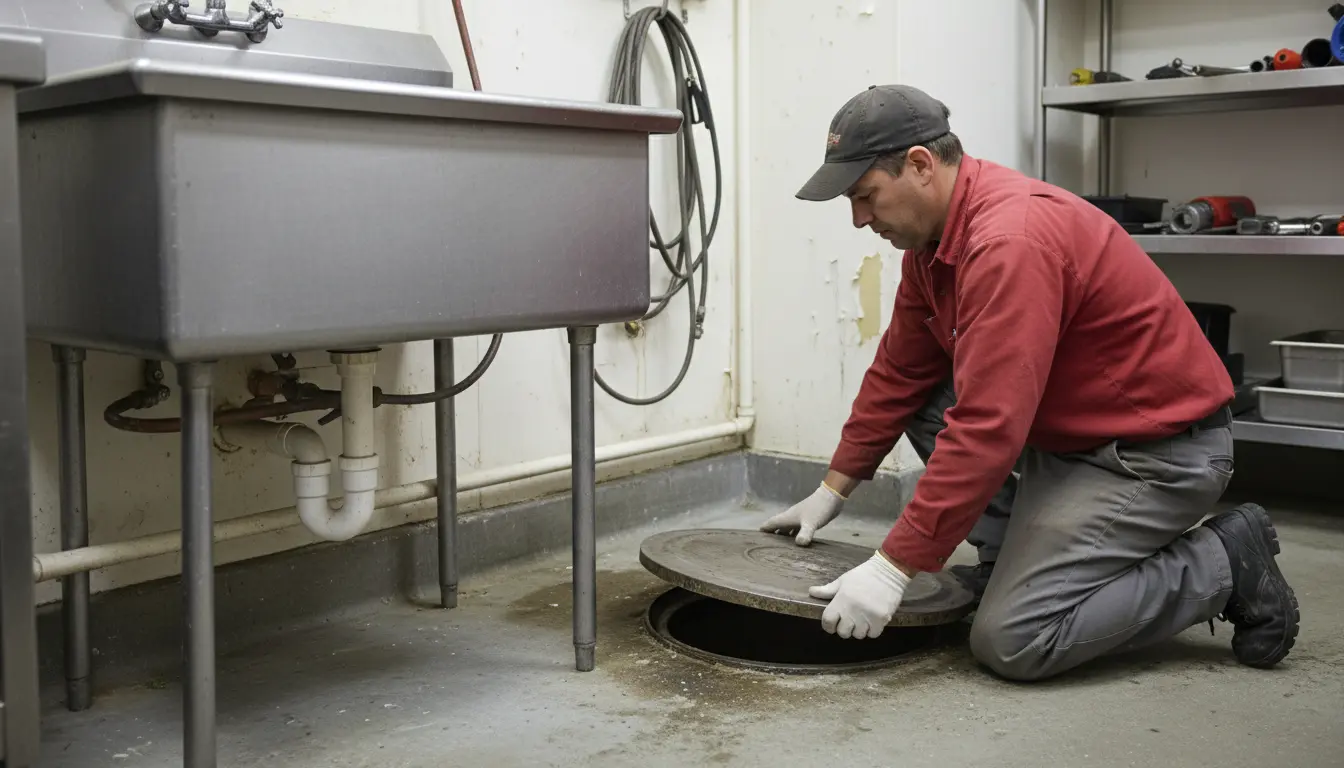
Find the Best Grease Trap Cleaning Companies for Your Business
No obligation • Fast responses • Nationwide coverage

Why you can trust Restaurant Waste Disposal
Restaurant Waste Disposal is a leading U.S. resource for comparing restaurant composting, food-waste recycling, grease trap cleaning, and used cooking oil collection services. Our editorial team researches providers, checks credentials, and organizes unbiased information so operators can make informed decisions. Companies cannot pay to change ratings or placement.
Search providers near you
Best Grease Trap Cleaning Companies in Arizona Ranked
For restaurant owners and facility managers in Arizona, maintaining a grease trap or interceptor isn't just a maintenance task-it's a critical regulatory requirement. Local municipal programs across the state enforce strict rules to prevent fats, oils, and grease (FOG) from entering and clogging the public sewer system. Compliance involves regular pumping by licensed haulers, meticulous record-keeping, and adherence to specific operational bans. Understanding and following your city's FOG program is essential to avoid significant fines, prevent costly sewer backups, and keep your business running smoothly.
Roto-Rooter Plumbing & Water Cleanup
12133 W Bell Rd #104, Surprise, AZ 85378
Roto-Rooter Plumbing & Water Cleanup provides comprehensive plumbing and water damage cleanup services in Phoenix, AZ. They serve both residential and commercial clients with expertise in grease trap cleaning, sewer and drain cleaning, water heater repair and installation, and floodwater cleanup. Their team is equipped to handle complex plumbing systems including commercial grease traps and offers hydro-jetting services to clear stubborn clogs. Roto-Rooter has a local presence in the Phoenix area and offers 24/7 emergency plumbing services to address urgent issues like sewer backups and water damage remediation.
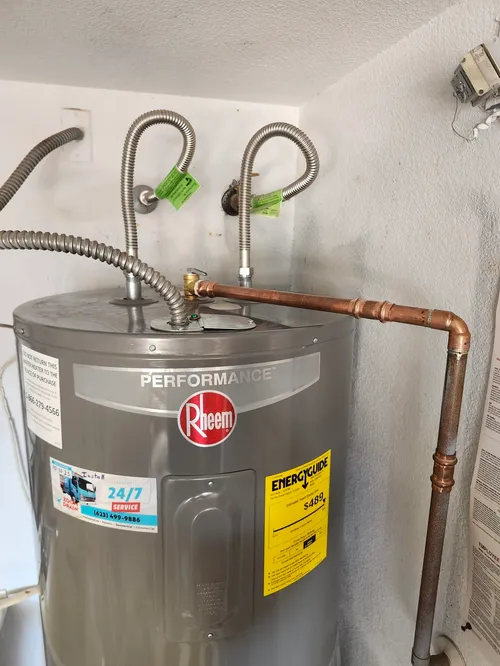
Zoom Drain Tempe
1705 W University Dr, Tempe, AZ 85281
Zoom Drain Tempe specializes in drain and sewer services for residential and commercial properties in Phoenix, AZ. They focus exclusively on drain and sewer systems, offering cleaning, inspections, repairs, and pump replacements. The company uses advanced rooter equipment to clear blockages caused by tree roots and debris, adapting their methods to local soil and climate conditions. They provide 24/7 emergency response to address urgent drain and sewer issues promptly. Zoom Drain Tempe understands the unique challenges of the Phoenix area, including mineral-rich water and clay-heavy soil, and tailors their services to meet these needs.
Roto-Rooter Plumbing & Water Cleanup
1729 W Greentree Dr #107, Tempe, AZ 85284
Roto-Rooter Plumbing & Water Cleanup provides comprehensive residential and commercial plumbing services in Phoenix, AZ, and the surrounding areas. Their offerings include drain and sewer cleaning, grease trap maintenance, water heater repair and installation, sump pump services, and emergency flood response. The company is equipped to handle complex commercial plumbing systems and uses advanced techniques such as hydro-jetting and trenchless sewer repair. Established in 1935, Roto-Rooter offers 24/7 emergency plumbing services to address urgent issues like burst pipes and sewer backups.
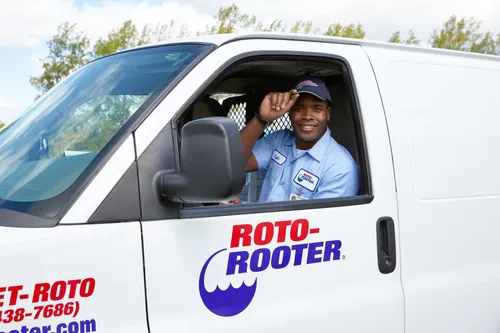
Roto-Rooter Plumbing & Water Cleanup
7227 E Baseline Rd Ste 104 Office 101, Mesa, AZ 85209
Roto-Rooter Plumbing & Water Cleanup provides comprehensive plumbing and water cleanup services in Phoenix, AZ. They serve both residential and commercial clients, offering solutions such as drain and sewer cleaning, grease trap maintenance, water heater repair and installation, and emergency plumbing services. The company is equipped to handle complex commercial plumbing systems and uses advanced techniques like hydro-jetting and trenchless sewer line repair. Established in 1935, Roto-Rooter is available 24/7 for emergency plumbing needs, including water damage cleanup and mold remediation.
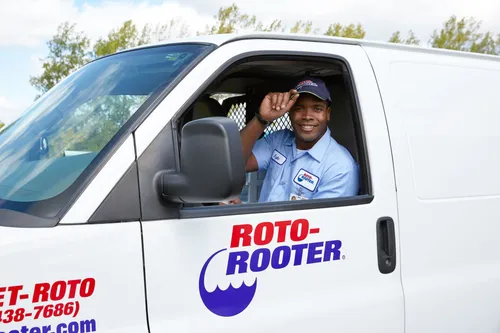
Roto-Rooter Plumbing & Water Cleanup
333 N Dobson Rd suite 5-139, Chandler, AZ 85224
Roto-Rooter Plumbing & Water Cleanup provides comprehensive plumbing, drain cleaning, and water damage cleanup services in Phoenix, AZ. Serving both residential and commercial clients, they handle a wide range of issues including grease trap maintenance, sewer line repair, water heater installation, and mold remediation. The company offers 24/7 emergency plumbing services to address urgent problems such as sewer backups, burst pipes, and flood damage. With expertise in hydro-jetting and trenchless sewer line repair, Roto-Rooter has been a trusted name in plumbing since 1935. Their technicians are available around the clock to support properties throughout the Phoenix metro area.
Understanding Arizona's Grease Trap Regulations
Unlike some states with uniform rules, grease trap compliance in Arizona is managed at the city or local jurisdiction level. Major municipalities like Phoenix, Tempe, Chandler, and Mesa each administer their own Fats, Oils, and Grease (FOG) programs. While details can vary, the core principles are consistent: prevent FOG from causing blockages and overflows in the public wastewater system.
Key regulatory themes across Arizona localities include:
- Mandatory Installation: Grease control devices are typically required for all Food Service Establishments (FSEs), especially those with more than four plumbing fixtures or commercial dishwashers.
- Licensed Service Providers: Pumping and cleaning must be performed by a licensed, approved hauler. Using an unlicensed provider can result in non-compliance.
- Detailed Record-Keeping: Facilities must maintain cleaning and maintenance records on-site for a minimum of three years. These logs are subject to inspection by local authorities.
- Accessibility: Grease interceptors must be readily accessible for inspection, cleaning, and maintenance at all times.
Types of Grease Control Devices
Choosing the right equipment depends on your kitchen's volume and layout. The two primary types used in Arizona are:
Hydromechanical Grease Traps (Indoor): These are smaller units, usually installed under sinks or in kitchen lines. They are designed for lower flow rates and require more frequent cleaning-often weekly or monthly-depending on usage. They work by slowing wastewater flow, allowing FOG to cool, solidify, and separate.
Gravity Grease Interceptors (Outdoor): These are large, in-ground tanks that handle the wastewater flow from high-volume kitchens. They use gravity and retention time to separate FOG and solids. Due to their larger capacity, they are pumped less frequently, typically on a quarterly or semi-annual schedule, but must be monitored closely.
Required Cleaning Frequency and the "25% Rule"
Determining when to clean is a cornerstone of compliance. Most Arizona programs reference two key standards:
- The 25% Rule: This is a common benchmark. Your trap or interceptor must be fully pumped out before the combined FOG and solids layer reaches 25% of the unit's liquid depth 1.
- Fixed Schedules: Many cities set a maximum interval. For example, Tempe requires cleaning at least quarterly (every 3 months), while Marana sets a limit of every 6 months.
High-volume establishments like large restaurants or cafeterias may need service monthly or even bi-weekly to stay within the 25% rule 2. The only reliable way to know is through regular inspection, either by your staff (for indoor traps) or during professional service visits.
Prohibited Practices and Proper Maintenance
To protect sewer infrastructure, Arizona FOG programs explicitly ban certain practices:
- Chemical and Enzyme "Treatments": Pouring emulsifiers or digesters down the drain is generally prohibited. These products may liquefy grease in your trap, but it simply re-solidifies further down the sewer line, causing blockages. Only mechanical removal (pumping) is considered compliant cleaning.
- Garbage Disposals: Most local codes prohibit the use of garbage disposals in commercial food service kitchens. Grinding food waste increases the solid load and can overwhelm grease interceptors 3.
Proper maintenance extends beyond pumping. It includes:
- Scraping plates and cookware into the trash before washing.
- Using sink strainers to catch food particles.
- Training all staff on best practices for FOG prevention.
Find the perfect grease trap cleaning companies for your needs
Get personalized recommendations and expert advice
Cost of Grease Trap Cleaning in Arizona
Service costs are not regulated and vary based on several factors. Understanding these can help you budget effectively and avoid emergency premiums.
Primary Cost Factors:
- Device Type and Size: Pumping a small indoor grease trap is less labor-intensive than a large, buried interceptor.
- Service Frequency: Regular, scheduled service is almost always less expensive than an emergency call.
- Location and Accessibility: Easy access translates to lower cost. Difficult or confined spaces may incur additional charges.
- Hauler Pricing: Rates differ between licensed service providers.
Estimated Cost Ranges: Based on industry data, typical pumping services in Arizona can fall within these ranges 4 5:
- Regular Indoor Trap Pumping: $250 - $400 per service
- Large Outdoor Interceptor Pumping: $325 - $1,040+ per service
- Emergency or After-Hours Service: $800 - $1,200+
Investing in routine, preventive maintenance is a proven cost-saving strategy. It prevents violations, avoids the high cost of emergency blockages or sewer spills, and extends the life of your equipment.
Navigating Local City Programs
Staying compliant means knowing your local rules. Here's a snapshot of requirements in some major Arizona jurisdictions:
- City of Phoenix: The FOG program requires permits for grease control devices, mandates best management practices, and emphasizes preventive maintenance. Detailed records must be available for inspection 6.
- City of Tempe: Requires grease interceptors to be pumped at least quarterly (every 3 months) and for all waste to be removed by a licensed hauler. Facilities must keep waste manifests on file 7.
- City of Chandler: Explicitly requires the use of a licensed pumper for complete pump-outs and prohibits the use of chemicals that emulsify grease. Maintenance logs must be retained for three years 8.
- Town of Marana: Regulations state interceptors must be cleaned when FOG/solids reach 25% of capacity or at least every six months, whichever comes first 9.
Always check with your city's Public Works or Water Services department for the most current ordinance and permit requirements.
Consequences of Non-Compliance
Failing to adhere to local grease trap regulations can lead to serious consequences for your business:
- Fines and Penalties: Cities can levy significant fines for violations, which often increase for repeat offenses.
- Operational Shutdown: In cases of severe blockages or repeated non-compliance, health or public works departments can issue orders to cease operations until the issue is resolved and brought into compliance.
- Costly Repairs: Sewer backups caused by FOG can damage your own plumbing and property, leading to expensive clean-up and repair bills.
- Environmental Impact: Sewer overflows (SSOs) caused by grease blockages can harm local waterways and result in additional regulatory penalties.
The path to compliance is straightforward: partner with a licensed hauler, establish a regular pumping schedule based on your city's rules and the 25% rule, maintain impeccable records, and train your staff. This proactive approach protects your business, your community's infrastructure, and the local environment.
Frequently asked questions
Sources
Footnotes
-
Pretreatment - Salt River Pima-Maricopa Indian Community - https://srpmic-nsn.gov/government/public-works/pretreatment/ ↩
-
Essential Grease Trap Maintenance Guide For Mesa Facilities - https://www.myshyft.com/blog/grease-trap-cleaning-mesa-arizona/ ↩
-
Grease Trap Repair & Install | Arizona Restaurant Plumbing - https://asapplumbingaz.com/grease-traps/ ↩
-
Ultimate Grease Trap Pumping Cost Guide: Essential Money-Saving ... - https://www.texwaywastewater.com/grease-trap-pumping-cost/ ↩
-
Grease Trap Pumping Cost vs. Grease Trap Maintenance Cost - https://www.stateindustrial.com/video/cost-comparison-pumping-v-chemicals-to-maintain-a-grease-trap/ ↩
-
FATS, OILS AND GREASES (FOG) BEST MANAGEMENT ... - https://www.phoenix.gov/content/dam/phoenix/waterservicessite/documents/fog_bmp_manual_%204-2022.pdf ↩
-
FOG Program | City of Tempe, AZ - https://www.tempe.gov/government/public-works/water/pretreatment-pollution-prevention/fog-program ↩
-
Food Service Establishments | City of Chandler - https://www.chandleraz.gov/residents/water/water-quality/industrial-pretreatment-program/food-service-establishments ↩
-
14-10-30 Grease management program - https://codelibrary.amlegal.com/codes/maranaaz/latest/marana_az/0-0-0-5430 ↩