Find the Best Grease Trap Cleaning Companies for Your Business
No obligation • Fast responses • Nationwide coverage

Why you can trust Restaurant Waste Disposal
Restaurant Waste Disposal is a leading U.S. resource for comparing restaurant composting, food-waste recycling, grease trap cleaning, and used cooking oil collection services. Our editorial team researches providers, checks credentials, and organizes unbiased information so operators can make informed decisions. Companies cannot pay to change ratings or placement.
Search providers near you
Top Grease Trap Cleaning Companies in Tempe, Arizona Ranked
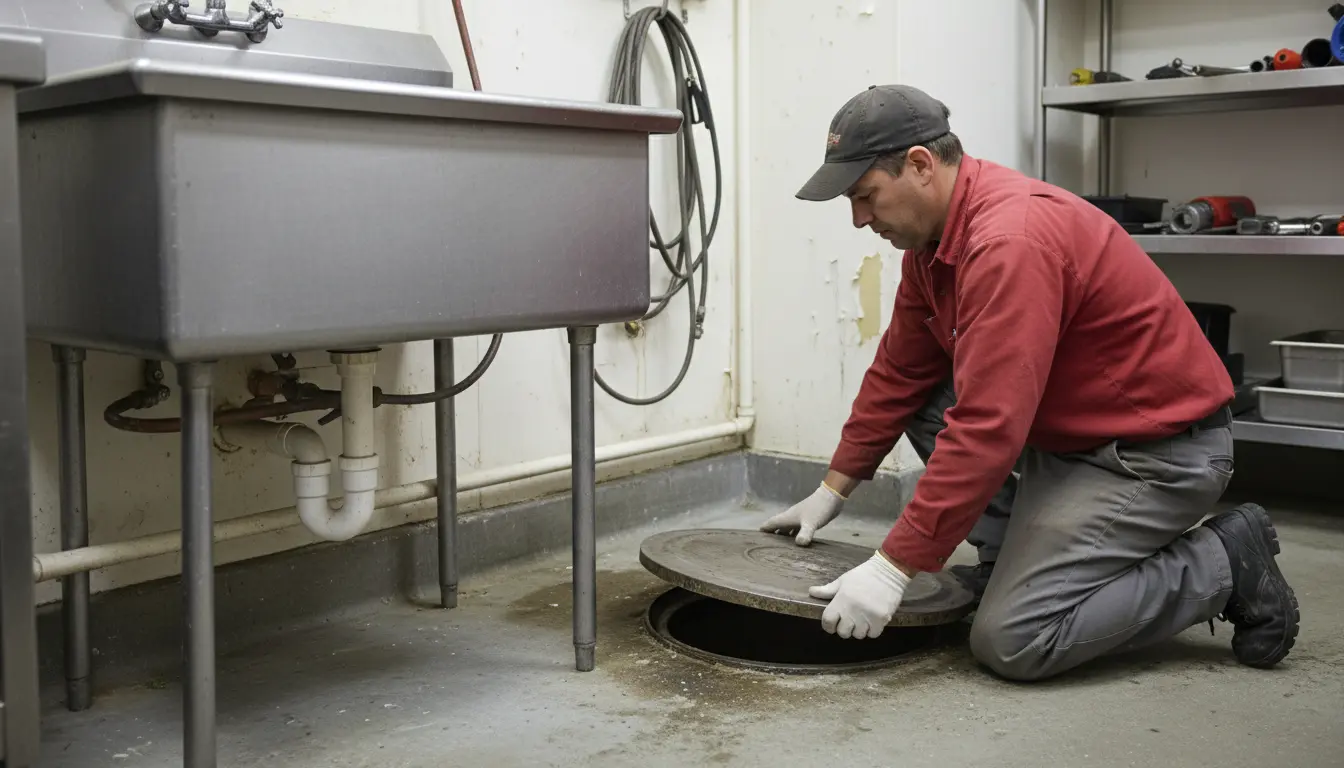
For any restaurant, food truck, or commercial kitchen in Tempe, managing fats, oils, and grease (FOG) is not just a matter of kitchen hygiene-it's a legal requirement with significant financial implications. The City of Tempe mandates that all Food Service Establishments (FSEs) install and maintain grease interceptors or traps to prevent these substances from entering the public sewer system, where they can cause costly blockages and environmental damage. Navigating these regulations can be complex, but proactive grease trap maintenance is the key to compliance, avoiding severe fines, and preventing disruptive-and expensive-plumbing emergencies. This guide outlines everything you need to know about FOG control, from Tempe's specific rules to finding reliable, cost-effective service.
Roto-Rooter Plumbing & Water Cleanup
12133 W Bell Rd #104, Surprise, AZ 85378
Roto-Rooter Plumbing & Water Cleanup provides comprehensive plumbing and water damage cleanup services in Phoenix, AZ. They serve both residential and commercial clients with expertise in grease trap cleaning, sewer and drain cleaning, water heater repair and installation, and floodwater cleanup. Their team is equipped to handle complex plumbing systems including commercial grease traps and offers hydro-jetting services to clear stubborn clogs. Roto-Rooter has a local presence in the Phoenix area and offers 24/7 emergency plumbing services to address urgent issues like sewer backups and water damage remediation.
Zoom Drain Tempe
1705 W University Dr, Tempe, AZ 85281
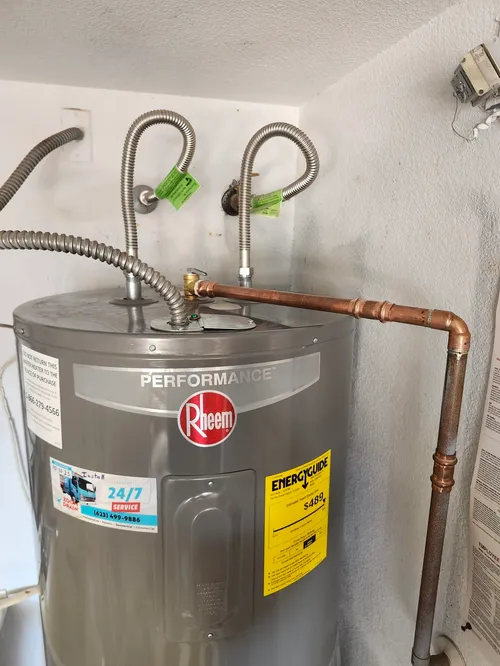
Zoom Drain Tempe specializes in drain and sewer services for residential and commercial properties in Phoenix, AZ. They focus exclusively on drain and sewer systems, offering cleaning, inspections, repairs, and pump replacements. The company uses advanced rooter equipment to clear blockages caused by tree roots and debris, adapting their methods to local soil and climate conditions. They provide 24/7 emergency response to address urgent drain and sewer issues promptly. Zoom Drain Tempe understands the unique challenges of the Phoenix area, including mineral-rich water and clay-heavy soil, and tailors their services to meet these needs.
Roto-Rooter Plumbing & Water Cleanup
1729 W Greentree Dr #107, Tempe, AZ 85284
Roto-Rooter Plumbing & Water Cleanup provides comprehensive residential and commercial plumbing services in Phoenix, AZ, and the surrounding areas. Their offerings include drain and sewer cleaning, grease trap maintenance, water heater repair and installation, sump pump services, and emergency flood response. The company is equipped to handle complex commercial plumbing systems and uses advanced techniques such as hydro-jetting and trenchless sewer repair. Established in 1935, Roto-Rooter offers 24/7 emergency plumbing services to address urgent issues like burst pipes and sewer backups.
Roto-Rooter Plumbing & Water Cleanup
7227 E Baseline Rd Ste 104 Office 101, Mesa, AZ 85209
Roto-Rooter Plumbing & Water Cleanup provides comprehensive plumbing and water cleanup services in Phoenix, AZ. They serve both residential and commercial clients, offering solutions such as drain and sewer cleaning, grease trap maintenance, water heater repair and installation, and emergency plumbing services. The company is equipped to handle complex commercial plumbing systems and uses advanced techniques like hydro-jetting and trenchless sewer line repair. Established in 1935, Roto-Rooter is available 24/7 for emergency plumbing needs, including water damage cleanup and mold remediation.
Roto-Rooter Plumbing & Water Cleanup
333 N Dobson Rd suite 5-139, Chandler, AZ 85224
Roto-Rooter Plumbing & Water Cleanup provides comprehensive plumbing, drain cleaning, and water damage cleanup services in Phoenix, AZ. Serving both residential and commercial clients, they handle a wide range of issues including grease trap maintenance, sewer line repair, water heater installation, and mold remediation. The company offers 24/7 emergency plumbing services to address urgent problems such as sewer backups, burst pipes, and flood damage. With expertise in hydro-jetting and trenchless sewer line repair, Roto-Rooter has been a trusted name in plumbing since 1935. Their technicians are available around the clock to support properties throughout the Phoenix metro area.
Understanding Tempe's FOG Control Regulations
Tempe's Fats, Oils, and Grease (FOG) Program is designed to protect the city's wastewater infrastructure. Compliance is not optional; it's a condition of doing business for any establishment that prepares or serves food.
Who Needs a Grease Interceptor? Installation of a grease control device is mandatory for any Food Service Establishment (FSE) with four or more fixtures connected to the grease waste line or that uses a commercial dishwasher. The type and size of the interceptor (often a large underground grease trap or an above-ground grease interceptor) are determined by your kitchen's water usage and flow rate to ensure it has adequate capacity 1.
The 25% Rule and Mandatory Cleaning Frequency The cornerstone of Tempe's maintenance rule is the "25% rule." While quarterly servicing by a licensed hauler is the standard schedule, the law requires that your grease interceptor be cleaned whenever the combined volume of FOG and settled solids reaches 25% of the unit's capacity2 3. Waiting until it's fuller significantly reduces its effectiveness and increases the risk of a sewer line violation. Regular inspections are essential to monitor this level.
Documentation is Your Proof of Compliance Simply having the service performed isn't enough. FSEs must perform and document all required maintenance. Keep detailed records of every pump-out and cleaning, including the date, service provider, volume of waste removed, and the hauler's license number. These logs are your first line of defense during a city inspection.
The Tempe Grease Cooperative: Your Partner in Compliance
To help local businesses meet these requirements efficiently and affordably, the City of Tempe operates the Tempe Grease Cooperative (TGC). This innovative program is more than just a rulebook; it's a supportive resource.
How the TGC Benefits Your Business The TGC acts as a collective bargaining group, negotiating city-wide contracts with licensed Non-Hazardous Liquid Waste Haulers (NHLWH). This means member businesses gain access to competitive, pre-negotiated pricing and consistent service standards. The cooperative also provides education and aims for proactive compliance, focusing on helping restaurants succeed rather than just penalizing violations. By using a TGC-vetted provider, you ensure the service meets city quality controls, giving you peace of mind.
What Inspectors Look For Whether from the city or your hauler, inspections will focus on several key areas to ensure your interceptor is functioning properly 4:
- Capacity & Accumulation: Is the FOG/solids level below 25%?
- Flow Control: Is the flow regulator device installed and working?
- Structural Integrity: Is the unit watertight with intact baffles?
- Overall Operation: Are there signs of bypass or blockage?
Find the perfect grease trap cleaning companies for your needs
Get personalized recommendations and expert advice
Costs of Grease Trap Cleaning and Maintenance in Tempe
Understanding the cost structure helps in budgeting and underscores the value of preventative care. Prices can vary based on the size of your interceptor, the amount of buildup, and your service frequency.
Standard Preventative Maintenance Costs For a routine, scheduled cleaning service in Tempe, restaurants can typically expect to pay between $150 and $500+ per service5. The final price depends on factors like the tank's gallon capacity and how much waste must be pumped out. Investing in regular quarterly service within this range is the most cost-effective strategy.
The High Price of Neglect: Emergency Services Deferring maintenance until you have a clog or a city violation notice turns a routine service into an emergency. Emergency grease trap pumping or cleaning can cost $800 or more, not including any repairs to damaged plumbing or fines from the city 6. The business disruption-a closed kitchen or dining area-represents an even greater hidden cost.
Long-Term Savings of Compliance Adhering to the 25% rule and using the Tempe Grease Cooperative can lead to substantial yearly savings. Preventative maintenance can save a business over $2,000 annually compared to reacting to emergencies 7 8. More importantly, it protects you from non-compliance fines and preserves your establishment's reputation.
Best Practices for Grease Trap Management
Proper maintenance extends beyond just hiring a pump-out service. Effective in-house practices reduce the load on your interceptor, leading to less frequent cleanings and lower costs.
- Dry-Wipe Before Washing: The single most effective practice is to dry-wipe all pots, pans, plates, and utensils into the trash before they enter the sink or dishwasher 9. This minimizes the amount of FOG entering the trap in the first place.
- Train Your Staff: Ensure every kitchen employee understands the importance of FOG control and is trained on proper scraping and disposal techniques.
- Schedule Regular Service: Don't guess. Work with your licensed hauler to establish a quarterly service schedule based on your volume, and inspect the trap monthly to check accumulation levels.
- Use the Tempe Grease Cooperative: Leverage the city's program to secure reliable service at competitive rates and stay updated on any regulatory changes 10.
- Keep Impeccable Records: Maintain a dedicated logbook or digital file for all service reports and inspections. This organized approach is crucial for demonstrating compliance.
By integrating these practices and understanding Tempe's specific regulatory framework, food service operators can transform grease trap maintenance from a dreaded chore into a manageable, routine part of a successful and compliant business.
Frequently asked questions
Sources
Footnotes
-
FATS, OILS AND GREASES (FOG) BEST MANAGEMENT ... - https://www.phoenix.gov/content/dam/phoenix/waterservicessite/documents/fog_bmp_manual_%204-2022.pdf ↩
-
FOG Program | City of Tempe, AZ - https://www.tempe.gov/government/public-works/water/pretreatment-pollution-prevention/fog-program ↩
-
Chapter 13.13 FATS, OILS, AND GREASE CONTROL - https://www.codepublishing.com/AZ/Winslow/html/Winslow13/Winslow1313.html ↩
-
Grease Trap Inspection - InterNACHI® - https://www.nachi.org/grease-trap-inspection.htm ↩
-
Tempe Grease Cooperative | City of Tempe, AZ - https://www.tempe.gov/businesses/tempe-grease-cooperative ↩
-
Ultimate Grease Trap Pumping Cost Guide: Essential Money-Saving ... - https://www.texwaywastewater.com/grease-trap-pumping-cost/ ↩
-
Expert Grease Trap Maintenance Services in Tempe, AZ - https://www.draincleaningtempe.com/grease-trap-maintenance/ ↩
-
Essential Grease Trap Maintenance Guide For Mesa Facilities - https://www.myshyft.com/blog/grease-trap-cleaning-mesa-arizona/ ↩
-
Grease Trap Restaurant: The Essential Guide - https://therestaurantwarehouse.com/blogs/restaurant-equipment/grease-trap-restaurant-guide ↩
-
Grease Interceptor Cleaning Tempe, AZ | Call: +1(480) 591-9691 - https://www.draincleaningtempe.com/grease-interceptor-cleaning/ ↩