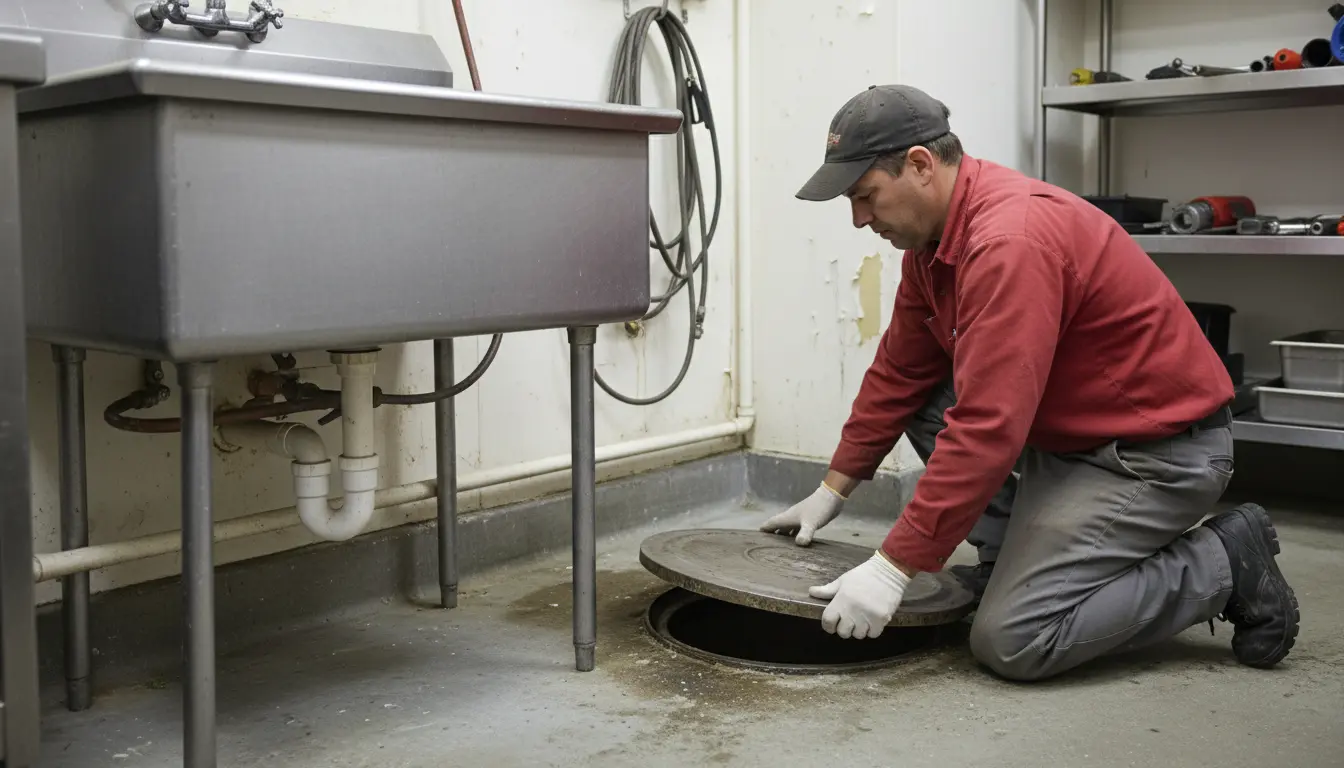
Find the Best Grease Trap Cleaning Companies for Your Business
No obligation • Fast responses • Nationwide coverage

Why you can trust Restaurant Waste Disposal
Restaurant Waste Disposal is a leading U.S. resource for comparing restaurant composting, food-waste recycling, grease trap cleaning, and used cooking oil collection services. Our editorial team researches providers, checks credentials, and organizes unbiased information so operators can make informed decisions. Companies cannot pay to change ratings or placement.
Search providers near you
Top Grease Trap Cleaning Companies in Surprise, Arizona Ranked
For any food service establishment in Surprise, managing fats, oils, and grease (FOG) is not just a matter of kitchen maintenance-it's a legal requirement with significant consequences for non-compliance. The city's Commercial Pretreatment program enforces strict rules on grease interceptor maintenance to protect the municipal sewer system from costly blockages and environmental damage. Proper grease trap cleaning and pumping are essential services that ensure your business operates smoothly, avoids hefty fines, and contributes to a healthier community infrastructure. This guide outlines what Surprise restaurant owners need to know about regulations, costs, and best practices for effective FOG management.
Roto-Rooter Plumbing & Water Cleanup
12133 W Bell Rd #104, Surprise, AZ 85378
Roto-Rooter Plumbing & Water Cleanup provides comprehensive plumbing and water damage cleanup services in Phoenix, AZ. They serve both residential and commercial clients with expertise in grease trap cleaning, sewer and drain cleaning, water heater repair and installation, and floodwater cleanup. Their team is equipped to handle complex plumbing systems including commercial grease traps and offers hydro-jetting services to clear stubborn clogs. Roto-Rooter has a local presence in the Phoenix area and offers 24/7 emergency plumbing services to address urgent issues like sewer backups and water damage remediation.
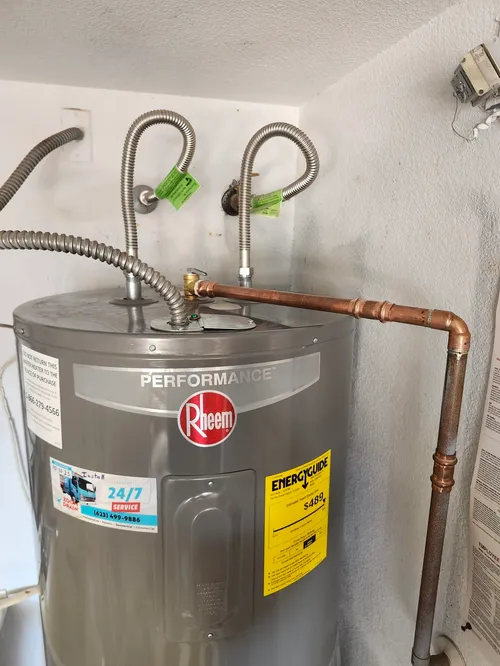
Zoom Drain Tempe
1705 W University Dr, Tempe, AZ 85281
Zoom Drain Tempe specializes in drain and sewer services for residential and commercial properties in Phoenix, AZ. They focus exclusively on drain and sewer systems, offering cleaning, inspections, repairs, and pump replacements. The company uses advanced rooter equipment to clear blockages caused by tree roots and debris, adapting their methods to local soil and climate conditions. They provide 24/7 emergency response to address urgent drain and sewer issues promptly. Zoom Drain Tempe understands the unique challenges of the Phoenix area, including mineral-rich water and clay-heavy soil, and tailors their services to meet these needs.
Roto-Rooter Plumbing & Water Cleanup
12630 N 103rd Ave # 112, Sun City, AZ 85351
Roto-Rooter Plumbing & Water Cleanup provides comprehensive plumbing and water cleanup services in Phoenix, AZ. They serve both residential and commercial clients with expertise in plumbing repairs, drain and sewer cleaning, water heater services, and grease trap cleaning. The company is equipped with advanced tools like hydro-jetting for effective drain maintenance and sewer line cleaning. Roto-Rooter offers 24/7 emergency plumbing services to address urgent issues such as leaks, backups, and water damage. They also provide mold remediation and floodwater cleanup. Serving the Phoenix area and surrounding communities, Roto-Rooter is a licensed and insured provider known for managing complex plumbing systems in various industries.
Zoom Drain Phoenix
2425 E Camelback Rd, Phoenix, AZ 85016
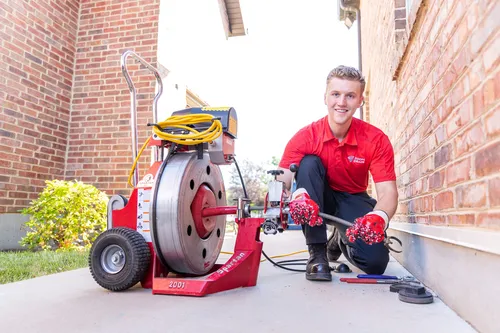
Zoom Drain Phoenix specializes in drain and sewer services for both residential and commercial properties in Phoenix, AZ. They provide focused expertise in drain cleaning, sewer line repair, inspections, pump replacement, and grease trap maintenance. The company uses advanced rooter equipment tailored to local soil and pipe conditions to clear blockages effectively. With a strong understanding of Phoenix's unique climate and plumbing challenges, Zoom Drain offers 24/7 emergency response to handle urgent drain and sewer issues promptly and in compliance with local regulations.
Roto-Rooter Plumbing & Water Cleanup
7250 W Frier Dr #105, Glendale, AZ 85303
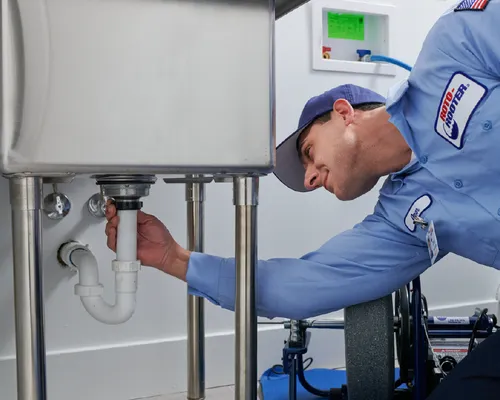
Roto-Rooter Plumbing & Water Cleanup provides comprehensive plumbing, drain cleaning, and water damage cleanup services in Phoenix, AZ. They serve both residential and commercial clients, addressing issues such as clogged drains, sewer line repair, water heater installation, and grease trap maintenance. The company offers specialized capabilities like hydro-jetting and trenchless sewer line replacement. Roto-Rooter is available 24/7 for emergency plumbing services, including burst pipes and sewer backups. They serve Glendale and the greater Phoenix area, including Maricopa and Pinal counties.
Understanding Surprise's Grease Interceptor Regulations
The City of Surprise mandates that any business discharging wastewater with high levels of pollutants like FOG must install and maintain an approved grease control device. These regulations are designed to prevent sewer overflows, which can lead to environmental hazards and expensive public works repairs.
Key Compliance Rules:
- Pumping Threshold: Interceptors must be pumped and cleaned when fats, oils, and solids accumulate to 25% of the unit's capacity1 2. Waiting until it's full is a violation.
- Licensed Service Required: Cleaning must be performed by a licensed waste hauler. They are required to provide a detailed manifest documenting the waste volume and its approved disposal destination.
- Proper Cleaning Methods: The device must be fully pumped out, with all solids and FOG removed. The interior, including walls and baffles, must be scraped and cleaned, and the unit refilled with clean water. Simply skimming the surface or using chemical emulsifiers to dissolve grease is prohibited.
- City Inspections & Enforcement: The city conducts inspections and may require periodic wastewater sampling. Non-compliance can result in significant fines and even suspension of your business license.
Types of Grease Traps and Interceptors
Knowing your equipment is the first step to proper maintenance. The type and size of your unit directly impact service frequency and cost.
- Indoor Grease Traps: These are smaller units, often located under sinks or in kitchen prep areas. They handle grease from a single fixture, like a pot sink or dishwashing station. Due to their smaller capacity, they typically require more frequent servicing-sometimes as often as every two weeks to a month for a busy kitchen.
- Outdoor Grease Interceptors: These are large, in-ground tanks that handle FOG from the entire facility's plumbing system. They are measured in gallons (e.g., 750-gallon, 1,500-gallon, or larger) and are the primary defense for most restaurants. The city has specific standards for their size and construction, often requiring multiple units or multi-compartment designs for larger operations 3.
The Real Cost of Grease Trap Pumping in Surprise
The price for a professional grease interceptor cleaning varies based on several factors. Investing in regular maintenance is always far less expensive than dealing with an emergency or a city violation.
Standard Service Pricing:
- Indoor Grease Trap Cleaning: For a regularly maintained unit, costs typically range from $175 to $475+ per service4 5. The final price depends on the trap's accessibility and the amount of waste removed.
- Outdoor Grease Interceptor Pumping: Cleaning a standard, well-maintained outdoor interceptor generally falls between $325 and $1,040+ per service6 7. Larger systems or those requiring more labor will be on the higher end.
Factors That Increase Cost:
- Neglect and Emergency Service: If a trap is severely clogged or has not been pumped on schedule, the cleaning becomes a major project. Costs can triple or more, as technicians may need to manually excavate hardened grease and solids 8.
- System Size and Complexity: A 3,000-gallon interceptor will cost more to pump than a 1,000-gallon one. Systems with multiple compartments or difficult access points also increase labor time and price.
- Disposal Fees: Licensed haulers include disposal costs at approved facilities in their quote, but fluctuations in waste processing fees can affect the overall price.
Find the perfect grease trap cleaning companies for your needs
Get personalized recommendations and expert advice
Best Management Practices for Restaurant Kitchens
Professional cleaning is only one part of the equation. Implementing daily kitchen practices can drastically reduce FOG entering your traps, extending service intervals and saving you money.
- Scrape and Wipe: The most effective step is to scrape all food scraps and grease from dishes, pots, and pans into the trash before they ever touch the sink.
- Use Sink Strainers: Install and consistently use strainer baskets in all prep and dish sinks to catch solid food particles.
- Proper Oil Disposal: Never pour used fryer oil or cooking grease down the drain. Collect it in sealed containers for recycling by a licensed used cooking oil collector9.
- Train Your Staff: Every kitchen employee should be trained on these FOG best practices. Their daily actions have a direct impact on your maintenance costs and compliance status10.
Creating a Proactive Maintenance Schedule
Reactive cleaning leads to problems; proactive maintenance ensures peace of mind. Work with your licensed service provider to establish a schedule based on your specific volume of business, menu items (high-grease foods require more frequent service), and the size of your interceptor.
Many providers offer service contracts that include regular inspections, pumping, and detailed documentation for city records. This not only helps you stay compliant but also provides a predictable budget line for this necessary expense. Keeping a maintenance log on-site is also a smart practice for both internal management and any surprise city inspections 11.
Consequences of Non-Compliance
Ignoring grease interceptor maintenance is a risky business decision for a Surprise restaurant. Beyond the immediate cost of an emergency pump-out, the city's enforcement actions can be severe12 13. This includes substantial fines for each violation and the potential for repeat offenders to have their business license suspended. Furthermore, a severe grease blockage can cause backups in your own plumbing, leading to costly repairs, health code violations, and even temporary closure. Protecting your investment means prioritizing this essential aspect of food service operations.
Frequently asked questions
Sources
Footnotes
-
Commercial Pretreatment - Grease Interceptors - Surprise, AZ - https://surpriseaz.gov/712/Commercial-Pretreatment ↩
-
FATS, OILS AND GREASES (FOG) BEST MANAGEMENT ... - https://www.phoenix.gov/content/dam/phoenix/waterservicessite/documents/fog_bmp_manual_%204-2022.pdf ↩
-
Standards & Applications | Surprise, AZ - Official Website - https://surpriseaz.gov/821/Standards-Applications ↩
-
How Much Does a Proper Grease Trap Cleaning Cost? - https://hulseyenvironmental.com/how-much-does-a-proper-grease-trap-cleaning-partner-cost/ ↩
-
Grease Trap Cleaning Prices | Guide on the Industry Average - https://grease-cycle.com/grease-trap-pumping-cost/ ↩
-
Ultimate Grease Trap Pumping Cost Guide: Essential Money-Saving ... - https://www.texwaywastewater.com/grease-trap-pumping-cost/ ↩
-
Grease Trap Pumping Cost vs. Grease Trap Maintenance Cost - https://www.stateindustrial.com/video/cost-comparison-pumping-v-chemicals-to-maintain-a-grease-trap/ ↩
-
The Cost To Clean A Grease Trap For Restaurants - https://thegreasecompany.com/blog/greasetrapcleaningcost/ ↩
-
Grease Trap Cleaning in Surprise AZ - https://greasetrapcleaninglaveen.com/surprise-az.html ↩
-
Grease Trap Cleaning & Pumping: Your Ultimate Commercial Guide - https://elvisservicecompany.com/news/the-ultimate-guide-to-grease-trap-cleaning-pumping-everything-your-business-needs-to-know/ ↩
-
Grease Trap Inspection - CCPIA - https://ccpia.org/grease-trap-inspection/ ↩
-
Chapter 13.13 FATS, OILS, AND GREASE CONTROL - General Code - https://www.codepublishing.com/AZ/Winslow/html/Winslow13/Winslow1313.html ↩
-
Grease Trap Restaurant: The Essential Guide - https://therestaurantwarehouse.com/blogs/restaurant-equipment/grease-trap-restaurant-guide ↩