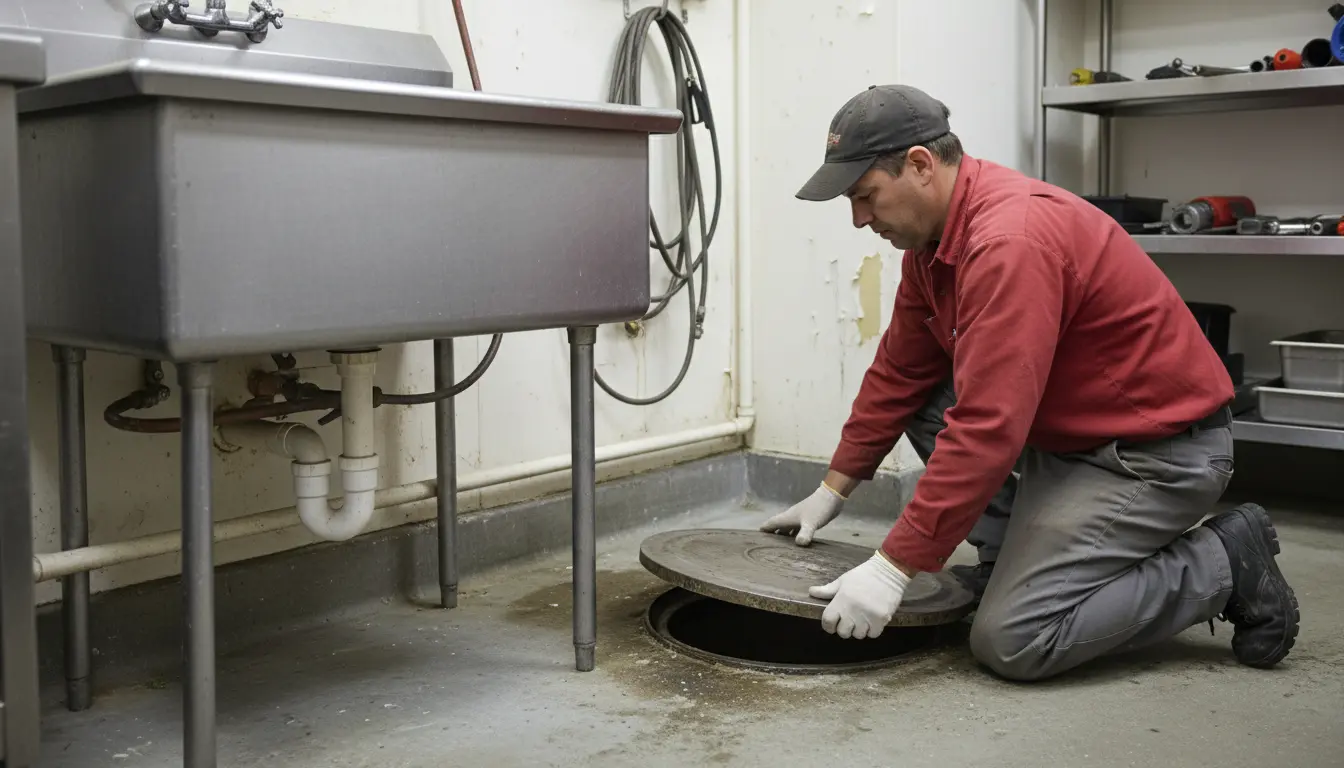
Find the Best Grease Trap Cleaning Companies for Your Business
No obligation • Fast responses • Nationwide coverage

Why you can trust Restaurant Waste Disposal
Restaurant Waste Disposal is a leading U.S. resource for comparing restaurant composting, food-waste recycling, grease trap cleaning, and used cooking oil collection services. Our editorial team researches providers, checks credentials, and organizes unbiased information so operators can make informed decisions. Companies cannot pay to change ratings or placement.
Search providers near you
Top Grease Trap Cleaning Companies in Prescott, Arizona Ranked
For any restaurant, food truck, or commercial kitchen in Prescott, managing Fats, Oils, and Grease (FOG) is a critical operational and legal requirement. Effective grease trap cleaning and maintenance is not just about avoiding unpleasant odors or clogs; it's a mandated practice to protect the city's sewer infrastructure from costly blockages and environmental damage. Prescott, like other Arizona municipalities, enforces specific codes governing grease interceptor installation, cleaning schedules, and record-keeping. Navigating these regulations while keeping your kitchen running smoothly requires a clear understanding of local rules and reliable service partners. This guide outlines the essentials of FOG control for Prescott food service establishments, from compliance basics to practical maintenance insights.
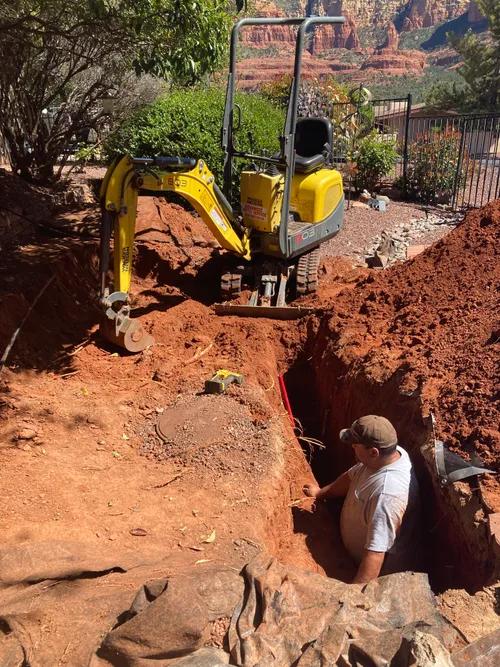
Understanding Prescott's FOG Control Regulations
Prescott's approach to Fats, Oils, and Grease control aligns with state and federal Environmental Protection Agency (EPA) guidelines designed to prevent sewer system overflows. The core principle is simple: prevent grease from entering the public wastewater system. To achieve this, the city mandates that food service establishments install and maintain properly sized grease interceptors or traps. These devices are engineered with baffles to capture and separate FOG from wastewater before it leaves your property 1. Compliance isn't optional; it's a condition of operating your business, enforced through local health and public works departments.
Key regulatory components include trap accessibility for service and inspection, proper sizing based on your kitchen's volume and equipment, and meticulous documentation. You are required to keep detailed records of every grease interceptor cleaning and maintenance service for a minimum of three years 2. These logs are typically the first thing an inspector will request to verify your compliance with the mandated cleaning frequency.
The 25% Rule and Cleaning Frequency
One of the most critical regulations for Prescott kitchens is commonly known as the "25% Rule." While specific municipal codes should always be verified, many Arizona jurisdictions, including likely Prescott, enforce a standard where grease interceptors must be cleaned when the combined FOG and solids accumulation reaches 25% of the trap's liquid capacity 3 4. Furthermore, cleaning is required at a minimum of every 90 days, regardless of the accumulation level 3 5. This means you must schedule service at least quarterly, or more often if your trap fills to the 25% threshold faster.
High-volume establishments with significant frying or meat preparation may find their traps reaching capacity well before the 90-day mark, necessitating monthly or bi-monthly service. The only way to determine your optimal schedule is through consistent monitoring and working with a knowledgeable service provider. Adhering to this rule is the most effective way to ensure your interceptor functions correctly and to avoid violations during routine inspections by the City of Prescott Water Services or the County Health Department.
Consequences of Non-Compliance
Failing to maintain your grease trap according to Prescott's codes carries serious repercussions. Enforcement agencies have the authority to issue substantial fines for violations related to inadequate maintenance, missing records, or dysfunctional interceptors 6. In severe cases, particularly where repeated negligence leads to sewer line blockages or environmental contamination, a business can face operational shutdowns until the issue is rectified and brought into full compliance.
Beyond regulatory penalties, neglect leads to operational headaches. A full or malfunctioning grease trap can cause slow drains, backups in your kitchen sinks, and foul odors that affect both staff and customers. Ultimately, emergency cleanings are far more expensive than regularly scheduled maintenance and come with the added stress of potential downtime during a critical service interruption.
Cost of Grease Trap Services in Prescott
Investing in regular grease interceptor maintenance is a predictable operational cost that pales in comparison to fines or emergency repairs. Pricing in Prescott varies based on the size, location, and accessibility of your trap, as well as whether you're on a recurring service plan.
- Basic Recurring Cleaning: For a standard, accessible indoor grease trap common in many smaller restaurants, costs typically range from $125 to $250 per service when on a quarterly or monthly contract.
- Larger Systems & One-Time Service: Larger indoor traps or single, non-contract cleanings can range from $300 to $400 or more 7 8. Outdoor grease interceptors, which are much larger, involve more complex pumping and can cost $400 to $2,500+ per service depending on their size and condition 7 9.
- Value of Maintenance Contracts: The most cost-effective approach is a scheduled maintenance plan. Providers often offer better rates for contracted services, and this proactive strategy ensures you never accidentally exceed the 25% rule, keeping you compliant and avoiding premium emergency service charges.
Find the perfect grease trap cleaning companies for your needs
Get personalized recommendations and expert advice
Choosing a Local Service Provider
Selecting a reliable grease trap cleaning company in Prescott is a key business decision. A qualified provider does more than just pump out grease; they are a partner in your compliance strategy. Look for a licensed, insured, and experienced company familiar with Prescott's specific municipal codes. They should provide detailed service reports after each cleaning, which serve as the official documentation you are legally required to keep on file.
Local providers, such as Grease Trap Cleaning Prescott, understand the regional requirements and can offer tailored advice on scheduling and trap performance. When evaluating companies, ask about their disposal methods to ensure they adhere to environmental regulations, inquire about emergency service availability, and request references from other local food service businesses.
Best Practices for Kitchen FOG Management
While professional cleaning is mandatory, kitchen staff play a vital role in extending the time between services and improving interceptor efficiency. Implementing simple best practices can significantly reduce the FOG load entering your trap:
- Scrape, Don't Rinse: Thoroughly scrape food scraps from plates, pots, and pans into trash or compost bins before washing.
- Use Drain Screens: Install and regularly clean strainers in all sink drains to catch solid particles.
- Collect Cooking Oil: Never pour used fryer oil down the drain. Store it in dedicated containers for collection by a used cooking oil (UCO) recycling service.
- Dry Wipe Greasy Pans: Wipe down greasy cookware with a paper towel before washing.
- Educate Your Team: Train all staff on the importance of these practices for kitchen functionality and regulatory compliance.
Verification and Proactive Compliance
The most responsible step you can take is to proactively confirm the exact requirements for your Prescott establishment. Regulations can be updated, and interpretations may vary. Contact the City of Prescott Water Services or the Yavapai County Health Department directly to get clarification on local codes, inspection schedules, and any recent updates to FOG control ordinances 10. Providing your business address can help them give you the most accurate information. Keeping an open line of communication with regulators and your service provider is the best strategy for seamless, uninterrupted operation.
Frequently asked questions
Sources
Footnotes
-
APPENDIX A Grease Trap and Interceptor Requirements Definitions - https://fcwsd.org/documents/728/Appendix_A_Grease_Trap_Requirements.pdf ↩
-
Grease Trap Repair & Install | Arizona Restaurant Plumbing - https://asapplumbingaz.com/grease-traps/ ↩
-
Chapter 13.13 FATS, OILS, AND GREASE CONTROL - General Code - https://www.codepublishing.com/AZ/Winslow/html/Winslow13/Winslow1313.html ↩ ↩2
-
How to Clean a Grease Trap (and How Often You Should) - https://greaseconnections.com/how-to-clean-a-grease-trap-and-how-often-you-should/ ↩
-
Grease Trap Cleaning from Santa Clarita to San Diego - https://phoenixpumping.com/grease-trap-maintenance/ ↩
-
Grease Trap Restaurant: The Essential Guide - https://therestaurantwarehouse.com/blogs/restaurant-equipment/grease-trap-restaurant-guide ↩
-
Cost of Cleaning Restaurant Grease Trap - Grease Interceptors - https://thegreasecompany.com/blog/greasetrapcleaningcost/ ↩ ↩2
-
Ultimate Grease Trap Pumping Cost Guide: Essential Money-Saving ... - https://www.texwaywastewater.com/grease-trap-pumping-cost/ ↩
-
Grease Trap Cleaning Prices | Guide on the Industry Average - https://grease-cycle.com/grease-trap-pumping-cost/ ↩
-
Grease Trap Cleaning in Prescott AZ | Grease Interceptor Pumping - https://greasetrapcleaningprescott.com/ ↩