Find the Best Grease Trap Cleaning Companies for Your Business
No obligation • Fast responses • Nationwide coverage

Why you can trust Restaurant Waste Disposal
Restaurant Waste Disposal is a leading U.S. resource for comparing restaurant composting, food-waste recycling, grease trap cleaning, and used cooking oil collection services. Our editorial team researches providers, checks credentials, and organizes unbiased information so operators can make informed decisions. Companies cannot pay to change ratings or placement.
Search providers near you
Top Grease Trap Cleaning Companies in Peoria, Arizona Ranked
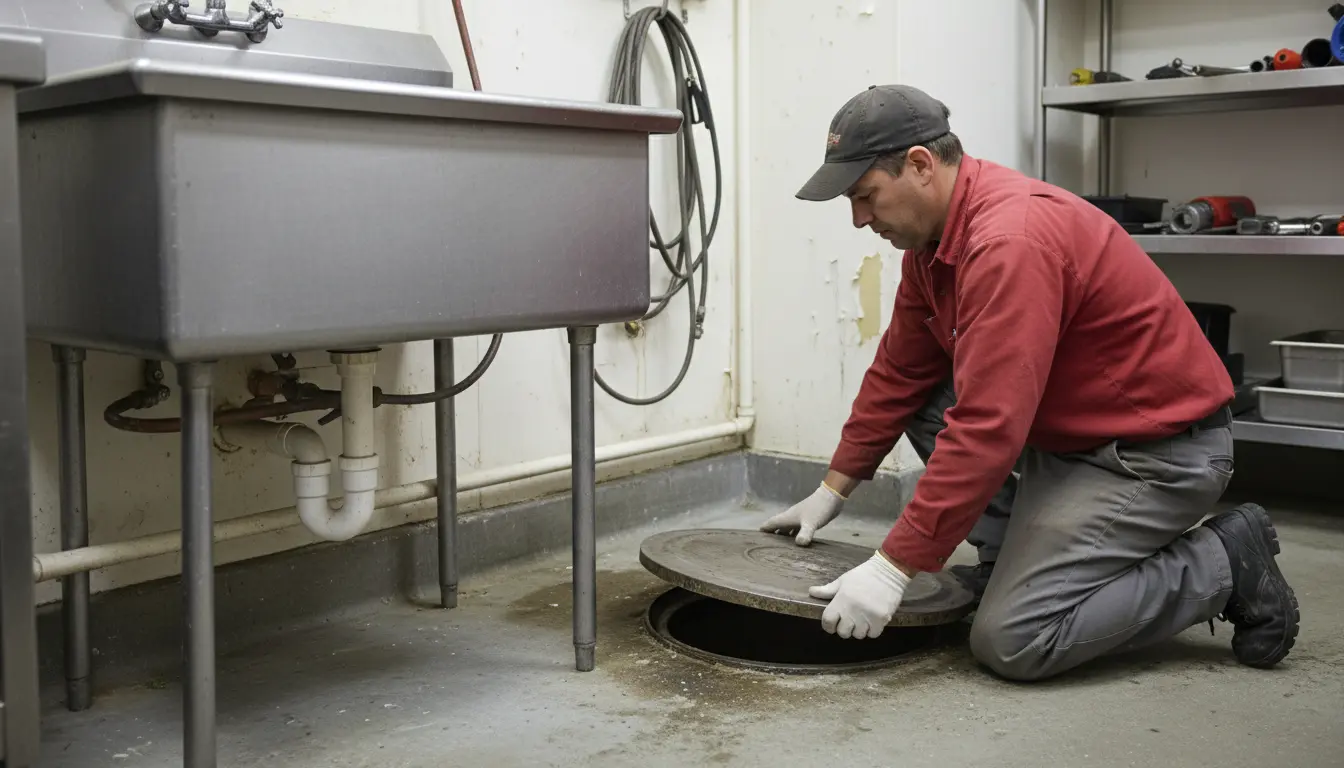
For restaurant owners and food service operators in Peoria, maintaining a clean and compliant grease trap or interceptor is a critical, non-negotiable part of daily operations. The city enforces strict local codes to protect the municipal sewer system from blockages and environmental damage, with significant consequences for non-compliance. Understanding the specific maintenance requirements, inspection protocols, and associated costs for grease interceptor pumping is essential for avoiding hefty fines and ensuring your business runs smoothly. Proactive, documented service is not just a recommendation-it's a key component of responsible and cost-effective restaurant management in the Valley.
Roto-Rooter Plumbing & Water Cleanup
12133 W Bell Rd #104, Surprise, AZ 85378
Roto-Rooter Plumbing & Water Cleanup provides comprehensive plumbing and water damage cleanup services in Phoenix, AZ. They serve both residential and commercial clients with expertise in grease trap cleaning, sewer and drain cleaning, water heater repair and installation, and floodwater cleanup. Their team is equipped to handle complex plumbing systems including commercial grease traps and offers hydro-jetting services to clear stubborn clogs. Roto-Rooter has a local presence in the Phoenix area and offers 24/7 emergency plumbing services to address urgent issues like sewer backups and water damage remediation.
Zoom Drain Tempe
1705 W University Dr, Tempe, AZ 85281
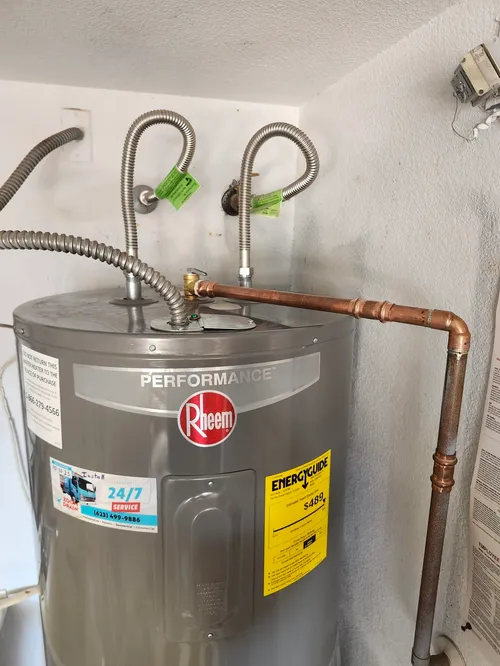
Zoom Drain Tempe specializes in drain and sewer services for residential and commercial properties in Phoenix, AZ. They focus exclusively on drain and sewer systems, offering cleaning, inspections, repairs, and pump replacements. The company uses advanced rooter equipment to clear blockages caused by tree roots and debris, adapting their methods to local soil and climate conditions. They provide 24/7 emergency response to address urgent drain and sewer issues promptly. Zoom Drain Tempe understands the unique challenges of the Phoenix area, including mineral-rich water and clay-heavy soil, and tailors their services to meet these needs.
Roto-Rooter Plumbing & Water Cleanup
1729 W Greentree Dr #107, Tempe, AZ 85284
Roto-Rooter Plumbing & Water Cleanup provides comprehensive residential and commercial plumbing services in Phoenix, AZ, and the surrounding areas. Their offerings include drain and sewer cleaning, grease trap maintenance, water heater repair and installation, sump pump services, and emergency flood response. The company is equipped to handle complex commercial plumbing systems and uses advanced techniques such as hydro-jetting and trenchless sewer repair. Established in 1935, Roto-Rooter offers 24/7 emergency plumbing services to address urgent issues like burst pipes and sewer backups.
Roto-Rooter Plumbing & Water Cleanup
333 N Dobson Rd suite 5-139, Chandler, AZ 85224
Roto-Rooter Plumbing & Water Cleanup provides comprehensive plumbing, drain cleaning, and water damage cleanup services in Phoenix, AZ. Serving both residential and commercial clients, they handle a wide range of issues including grease trap maintenance, sewer line repair, water heater installation, and mold remediation. The company offers 24/7 emergency plumbing services to address urgent problems such as sewer backups, burst pipes, and flood damage. With expertise in hydro-jetting and trenchless sewer line repair, Roto-Rooter has been a trusted name in plumbing since 1935. Their technicians are available around the clock to support properties throughout the Phoenix metro area.
Roto-Rooter Plumbing & Water Cleanup
12630 N 103rd Ave # 112, Sun City, AZ 85351
Roto-Rooter Plumbing & Water Cleanup provides comprehensive plumbing and water cleanup services in Phoenix, AZ. They serve both residential and commercial clients with expertise in plumbing repairs, drain and sewer cleaning, water heater services, and grease trap cleaning. The company is equipped with advanced tools like hydro-jetting for effective drain maintenance and sewer line cleaning. Roto-Rooter offers 24/7 emergency plumbing services to address urgent issues such as leaks, backups, and water damage. They also provide mold remediation and floodwater cleanup. Serving the Phoenix area and surrounding communities, Roto-Rooter is a licensed and insured provider known for managing complex plumbing systems in various industries.
Understanding Peoria's Grease Interceptor Regulations
Peoria's municipal code provides clear, enforceable rules for the maintenance of grease control devices. At the core of these regulations is the mandate that all grease interceptors and traps must be pumped and cleaned at a minimum of every 90 days 1. However, the City Director (or a designated official) holds the authority to require more frequent pumping based on inspections or the specific operational volume of your establishment 1 2. This means a busy restaurant could be legally required to service its trap monthly. The goal is to prevent fats, oils, and grease (FOG) from entering and clogging the public sewer lines, which can lead to costly backups and environmental issues.
The code is very specific about what constitutes proper cleaning: it requires the complete removal of all contents, including solids, liquids, and accumulated grease. Simply skimming the surface or using hot water to flush grease deeper into the system is a violation. Furthermore, a crucial rule prohibits the use of enzymes, chemicals, or bacterial additives as a substitute for physical pumping and cleaning 3. While some approved additives may be used to supplement maintenance between pump-outs, they cannot replace the mandatory mechanical removal of FOG. All maintenance must be performed at the owner's expense, ensuring the interceptor remains in efficient working order.
The Inspection and Enforcement Process
Compliance is actively monitored by Peoria city officials. The City Director or an authorized inspector can conduct regular checks to verify that maintenance logs are up-to-date and that interceptors are being serviced according to the required schedule. These inspections are not merely formalities; they are a proactive measure to identify potential problems before they cause sewer system issues.
The penalties for failing to adhere to the grease interceptor maintenance code are severe and designed to be a strong deterrent. Non-compliance can result in substantial fines that far exceed the cost of regular, scheduled cleaning services 4. In extreme or repeated cases of violation, the city has the authority to take actions that could disrupt your business operations. Investing in consistent, documented grease trap maintenance is the most effective strategy to avoid these financial and operational risks, protecting your business from unexpected and burdensome penalties.
Cost Factors for Grease Trap Pumping Services
The price for professional grease interceptor cleaning in Peoria varies widely based on several key factors. Understanding these can help you budget accurately and avoid surprise charges.
- Trap Size and Type: This is the primary cost driver. A small, indoor grease trap (often 20-50 gallons) under a sink may cost between $175 and $225 for a standard pump-out 5 6. A typical commercial-grade interceptor (around 1,000 gallons) often services a single restaurant and may cost approximately $400 per service 5. Large-capacity systems (3,000 gallons or more), which might serve a high-volume facility or a shared complex, can cost $2,500 or more per cleaning 5 7.
- Accessibility and Location: Is the trap easily accessible in a parking lot, or is it buried under concrete or landscaping? Does the service truck have clear access? Difficult access can increase labor time and cost. Indoor traps may also present logistical challenges.
- Condition and Frequency: A well-maintained trap cleaned on a regular schedule (e.g., quarterly) is quicker and easier to service. A severely neglected interceptor that is completely full of solidified grease and solids requires significantly more labor, specialized equipment, and potentially multiple trips, leading to a much higher bill. Consistent service is ultimately the most cost-effective approach.
- Service Provider and Contract: Many providers offer discounted rates for customers who sign up for scheduled maintenance contracts, which also help ensure you never miss a mandatory cleaning date.
Find the perfect grease trap cleaning companies for your needs
Get personalized recommendations and expert advice
The Risks of Neglect: Beyond the Fine
While avoiding city fines is a major incentive, the consequences of poor grease trap maintenance extend further. A clogged interceptor can cause slow-draining sinks and dish pits, creating unsanitary conditions and slowing down kitchen operations. In the worst-case scenario, a severe backup can lead to wastewater overflowing onto your property or even inside your restaurant, resulting in health hazards, temporary closure, and massive cleanup and repair costs. The expense of an emergency pump-out and repair after a backup is invariably multiples higher than the cost of preventative maintenance 8.
Creating a Compliant Maintenance Plan
To stay in compliance and protect your investment, a systematic approach is best.
- Know Your Equipment: Identify the type, size, and location of all grease interceptors on your property. Your original plumbing plans or a consultation with a service provider can clarify this.
- Establish a Schedule: Based on the Peoria code (minimum 90 days) and your kitchen's volume, determine your required pumping frequency. A reputable service company can often recommend an optimal schedule.
- Choose a Licensed Provider: Work with a licensed, insured, and experienced grease trap cleaning service familiar with Peoria's local codes. They should provide detailed service reports after each cleaning.
- Maintain Detailed Records: Keep a logbook or digital file of every service receipt and report. This documentation is your primary proof of compliance during a city inspection.
- Train Your Staff: Educate kitchen staff on best practices for grease disposal. Scraping plates into a trash bin before washing and using sink baskets can significantly reduce the load on your interceptor, potentially extending time between services.
Frequently asked questions
Sources
Footnotes
-
Sec. 25-174. Interceptors - Maintenance. - https://codelibrary.amlegal.com/codes/peoriaaz/latest/peoria_az/0-0-0-46330 ↩ ↩2
-
Grease Trap Cleaning from Santa Clarita to San Diego - https://phoenixpumping.com/grease-trap-maintenance/ ↩
-
APPENDIX A: GREASE INTERCEPTOR AND GREASE TRAP SIZING - https://codelibrary.amlegal.com/codes/newburgh/latest/newburgh_in/0-0-0-2311 ↩
-
Grease Trap Regulations and Compliance: What You Need to Know - https://www.texwaywastewater.com/grease-trap-regulations-and-compliance/ ↩
-
Ultimate Grease Trap Pumping Cost Guide: Essential Money-Saving ... - https://www.texwaywastewater.com/grease-trap-pumping-cost/ ↩ ↩2 ↩3
-
The Cost To Clean A Grease Trap For Restaurants - https://thegreasecompany.com/blog/greasetrapcleaningcost/ ↩
-
Grease Trap Cleaning Prices | Guide on the Industry Average - https://grease-cycle.com/grease-trap-pumping-cost/ ↩
-
Grease Traps for Restaurants: The Essential Guide - https://therestaurantwarehouse.com/blogs/restaurant-equipment/grease-trap-for-restaurant-guide ↩