Find the Best Grease Trap Cleaning Companies for Your Business
No obligation • Fast responses • Nationwide coverage

Why you can trust Restaurant Waste Disposal
Restaurant Waste Disposal is a leading U.S. resource for comparing restaurant composting, food-waste recycling, grease trap cleaning, and used cooking oil collection services. Our editorial team researches providers, checks credentials, and organizes unbiased information so operators can make informed decisions. Companies cannot pay to change ratings or placement.
Search providers near you
Top Grease Trap Cleaning Companies in Casa Grande, Arizona Ranked
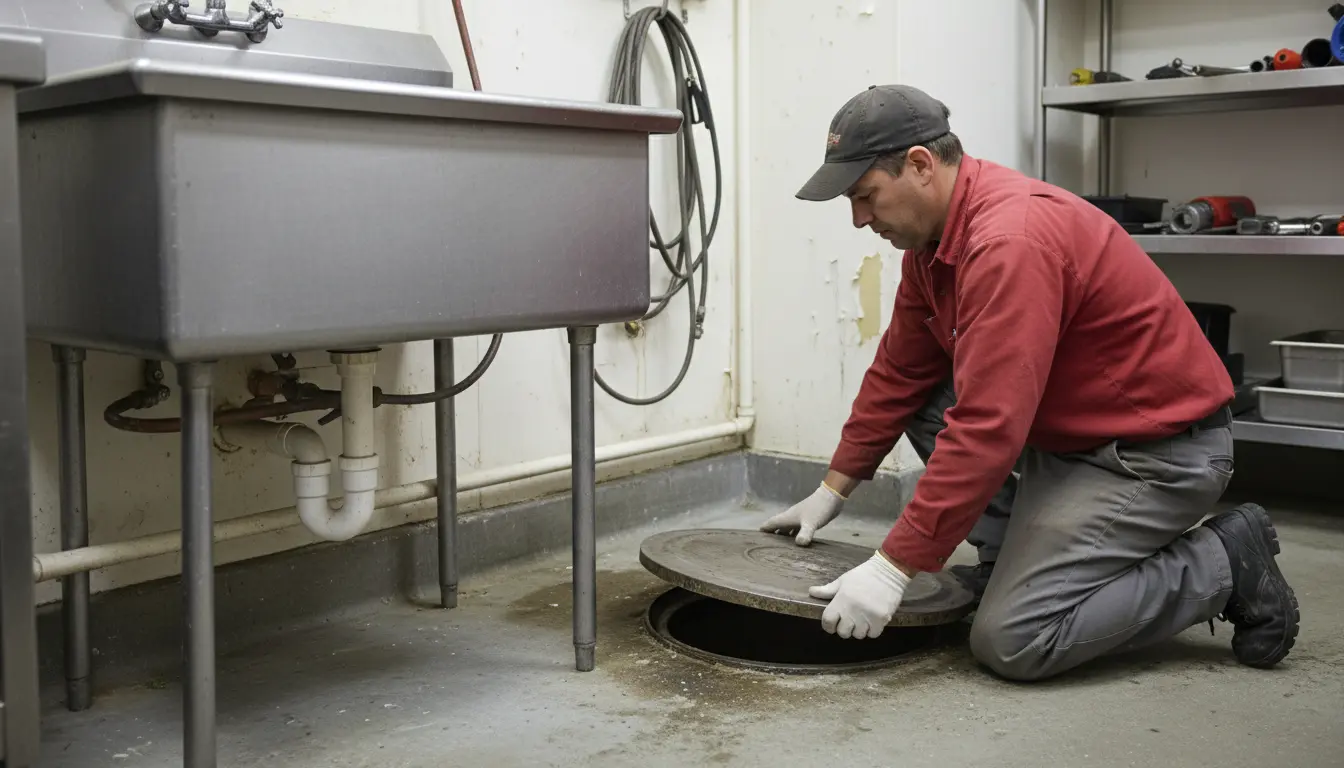
For any restaurant, food truck, or commercial kitchen in Casa Grande, managing fats, oils, and grease (FOG) is a critical operational and legal requirement. Proper grease interceptor maintenance is not just about preventing clogs; it's a mandated part of local health and safety codes designed to protect the city's sewer infrastructure. Neglecting this duty can lead to severe consequences, including costly fines, disruptive sewer backups, and even temporary closure of your establishment. This guide provides a detailed overview of what Casa Grande food service operators need to know about grease trap cleaning, compliance, and best practices to keep their kitchens running smoothly and legally.
Understanding Local Grease Trap Regulations
While specific municipal codes should always be confirmed with Casa Grande Public Works or the local health department, regulations generally follow state and federal guidelines aimed at controlling FOG. Compliance is non-negotiable for any establishment that produces grease-laden wastewater.
Key requirements typically include:
- Mandatory Installation: All food service establishments must have a properly sized and functioning grease trap or interceptor.
- Proper Sizing: The interceptor must be correctly sized based on the kitchen's volume and flow rate to be effective.
- Accessibility & Integrity: The unit must be easily accessible for service and inspection, with all baffles functioning correctly. Bypass connections are strictly prohibited.
The Critical Role of Documentation and Inspections
One of the most overlooked aspects of grease trap compliance is record-keeping. In Casa Grande, as elsewhere, maintaining detailed service logs is as important as the cleaning itself. Health and code inspectors will routinely request these records during inspections.
What your records should include:
- Date of each pump-out or cleaning service.
- Name of the servicing company.
- Volume of waste removed.
- Disposal method or manifest number.
- Any repairs or maintenance performed on the interceptor.
Experts recommend retaining these service records for a minimum of three years 1. This documentation is your first line of defense during an inspection, proving proactive compliance and due diligence. Failure to provide records can result in penalties just as severe as those for a poorly maintained trap 2.
Determining Your Cleaning Schedule
How often should you have your grease interceptor serviced? There is no one-size-fits-all answer, as frequency depends entirely on your kitchen's volume. A common rule of thumb is to schedule service every 1 to 3 months3 4 5. Many regulations specify that traps should be cleaned before the combined FOG and solids accumulate to 25% of the unit's capacity.
Factors influencing your schedule:
- Kitchen Output: High-volume restaurants (e.g., busy diners, large-scale caterers) will need more frequent service than a small café.
- Menu Items: Establishments that fry foods or prepare greasy dishes generate more FOG.
- Trap Size: A correctly sized but smaller trap will fill faster than a larger one.
Proactive, scheduled cleaning is always more cost-effective than emergency service. A neglected trap can lead to complete blockages, sewer overflows, and exorbitant emergency repair bills6.
Find the perfect grease trap cleaning companies for your needs
Get personalized recommendations and expert advice
What to Expect from Professional Service
Hiring a professional grease trap cleaning service in Casa Grande ensures the job is done thoroughly, safely, and in compliance with disposal regulations. A standard service involves more than just pumping out liquid.
A comprehensive service typically includes:
- Pumping: Removing all liquid contents, including water, grease, and oils.
- Scraping & Removal: Manually scraping and removing solidified grease and solids (the "grease cap" and "sludge layer") from the walls and baffles.
- High-Pressure Washing: Jet-washing the interior walls, baffles, and inlet/outlet pipes to remove residual buildup.
- Inspection: Checking the structural integrity of the tank, lid, and baffles for any damage or needed repairs.
- Proper Disposal: Transporting the collected FOG to an approved facility for recycling or disposal, with documentation provided to you.
Cost Considerations for Grease Interceptor Maintenance
The cost for grease trap pumping in Casa Grande varies based on several factors. While prices can fluctuate, general estimates for Arizona provide a useful framework for budgeting.
Price ranges are typically influenced by:
- Interceptor Size: A small, under-sink grease trap will cost significantly less to service than a large, in-ground concrete interceptor.
- Service Frequency: Regularly scheduled maintenance often comes at a lower per-service cost compared to one-time or emergency calls.
- Accessibility: Easily accessible traps are quicker to service. Units located in tight spaces or requiring special equipment may incur higher charges.
- Condition: Severely neglected traps that require extra labor for scraping and unclogging will be more expensive.
For routine cleaning of a standard small-to-medium trap, costs often range from approximately $175 to $400 per service7 8 9. Larger systems or complex emergencies can cost from $400 to over $2,5007 9. The most reliable way to budget is to obtain quotes from several licensed local service providers based on your specific setup.
Proactive Maintenance and Best Practices
Beyond professional cleanings, kitchen staff can adopt daily practices to extend the life of your grease trap and improve its efficiency.
In-Kitchen Best Practices:
- Scrape, Don't Rinse: Scrape all food scraps and grease from plates, pots, and pans into the trash before washing.
- Use Strainers: Install and regularly clean sink strainers to catch solid food particles.
- Avoid Grease Down the Drain: Never pour used cooking oil, grease, or dairy products down any sink or drain. Collect these in dedicated containers for proper disposal or recycling.
- Educate Staff: Ensure all employees understand the importance of these practices and the high cost of non-compliance.
Taking the Next Steps in Casa Grande
To ensure full compliance and avoid operational disruptions, Casa Grande food service operators should take the following actions:
- Confirm Local Codes: Contact the Casa Grande Public Works Department or the relevant health authority to obtain the exact city ordinances regarding grease interceptor maintenance and reporting.
- Schedule an Assessment: Contact a reputable local service provider to assess your current trap's condition, size adequacy, and recommend a cleaning schedule.
- Implement a System: Set up a contract for regular maintenance and establish an internal log for tracking all service visits and in-kitchen practices.
- Train Your Team: Educate kitchen staff on proper waste disposal habits to minimize FOG entering the system between professional cleanings.
Frequently asked questions
Sources
Footnotes
-
Grease Trap Repair & Install | Arizona Restaurant Plumbing - https://asapplumbingaz.com/grease-traps/ ↩
-
Grease Trap Cleaning from Santa Clarita to San Diego - https://phoenixpumping.com/grease-trap-maintenance/ ↩
-
Chapter 13.13 FATS, OILS, AND GREASE CONTROL - General Code - https://www.codepublishing.com/AZ/Winslow/html/Winslow13/Winslow1313.html ↩
-
Complying with Grease Trap Codes: 5 Essential Tips | Business Name - https://www.unitedsewerservice.com/complying-with-local-regulations-and-codes-for-grease-trap-maintenance/ ↩
-
Restaurant Grease Trap Cleaning FAQs - Mahoney Environmental - https://www.mahoneyes.com/restaurant-grease-trap-cleaning-faqs/ ↩
-
How to Clean a Grease Trap (and How Often You Should) - https://greaseconnections.com/how-to-clean-a-grease-trap-and-how-often-you-should/ ↩
-
Ultimate Grease Trap Pumping Cost Guide: Essential Money-Saving ... - https://www.texwaywastewater.com/grease-trap-pumping-cost/ ↩ ↩2
-
The Cost To Clean A Grease Trap For Restaurants - https://thegreasecompany.com/blog/greasetrapcleaningcost/ ↩
-
Grease Trap Cleaning Prices | Guide on the Industry Average - https://grease-cycle.com/grease-trap-pumping-cost/ ↩ ↩2