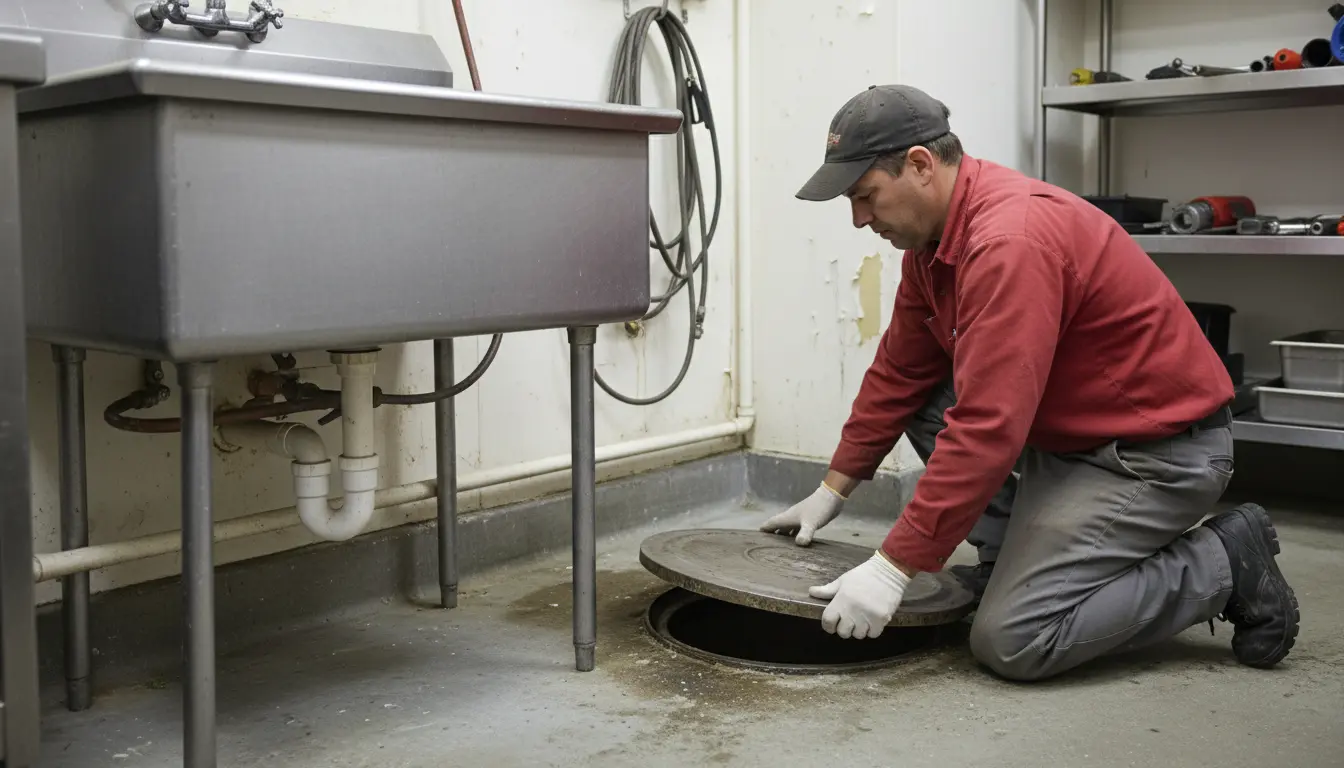
Find the Best Grease Trap Cleaning Companies for Your Business
No obligation • Fast responses • Nationwide coverage

Why you can trust Restaurant Waste Disposal
Restaurant Waste Disposal is a leading U.S. resource for comparing restaurant composting, food-waste recycling, grease trap cleaning, and used cooking oil collection services. Our editorial team researches providers, checks credentials, and organizes unbiased information so operators can make informed decisions. Companies cannot pay to change ratings or placement.
Search providers near you
Top Grease Trap Cleaning Companies in Buckeye, Arizona Ranked
For any restaurant or food service establishment (FSE) in Buckeye, managing fats, oils, and grease (FOG) is a critical operational and legal requirement. Proper grease trap and interceptor maintenance is not just about preventing clogs; it's a mandated part of the city's environmental compliance program designed to protect the local sewer system and water quality. Regular, professional cleaning of these systems helps Buckeye businesses avoid costly fines, pass health inspections, and ensure their kitchens run smoothly without the risk of disruptive and expensive backups. Understanding the specific regulations, recommended service schedules, and associated costs is essential for every food service operator in the area.
Roto-Rooter Plumbing & Water Cleanup
12133 W Bell Rd #104, Surprise, AZ 85378
Roto-Rooter Plumbing & Water Cleanup provides comprehensive plumbing and water damage cleanup services in Phoenix, AZ. They serve both residential and commercial clients with expertise in grease trap cleaning, sewer and drain cleaning, water heater repair and installation, and floodwater cleanup. Their team is equipped to handle complex plumbing systems including commercial grease traps and offers hydro-jetting services to clear stubborn clogs. Roto-Rooter has a local presence in the Phoenix area and offers 24/7 emergency plumbing services to address urgent issues like sewer backups and water damage remediation.
Roto-Rooter Plumbing & Water Cleanup
12630 N 103rd Ave # 112, Sun City, AZ 85351
Roto-Rooter Plumbing & Water Cleanup provides comprehensive plumbing and water cleanup services in Phoenix, AZ. They serve both residential and commercial clients with expertise in plumbing repairs, drain and sewer cleaning, water heater services, and grease trap cleaning. The company is equipped with advanced tools like hydro-jetting for effective drain maintenance and sewer line cleaning. Roto-Rooter offers 24/7 emergency plumbing services to address urgent issues such as leaks, backups, and water damage. They also provide mold remediation and floodwater cleanup. Serving the Phoenix area and surrounding communities, Roto-Rooter is a licensed and insured provider known for managing complex plumbing systems in various industries.
Roto-Rooter Plumbing & Water Cleanup
7250 W Frier Dr #105, Glendale, AZ 85303
Roto-Rooter Plumbing & Water Cleanup provides comprehensive plumbing, drain cleaning, and water damage cleanup services in Phoenix, AZ. They serve both residential and commercial clients, addressing issues such as clogged drains, sewer line repair, water heater installation, and grease trap maintenance. The company offers specialized capabilities like hydro-jetting and trenchless sewer line replacement. Roto-Rooter is available 24/7 for emergency plumbing services, including burst pipes and sewer backups. They serve Glendale and the greater Phoenix area, including Maricopa and Pinal counties.
Quality Septic
10720 N 36th Ave, Phoenix, AZ 85029
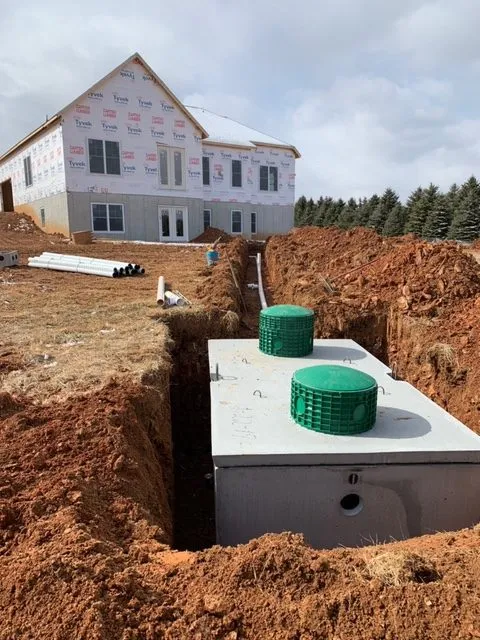
Quality Septic is a family-owned business based in Phoenix, AZ, specializing in septic tank and grease trap cleaning services. They provide residential and commercial pumping, including septic pumping, state-certified septic tank inspections, car wash grit trap pumping, and restaurant grease trap pumping. The company focuses on delivering safe and efficient service with an emphasis on honesty, integrity, and respect.
Ducks Septic Pump & Install
826 Monroe Ave #2908, Buckeye, AZ 85326
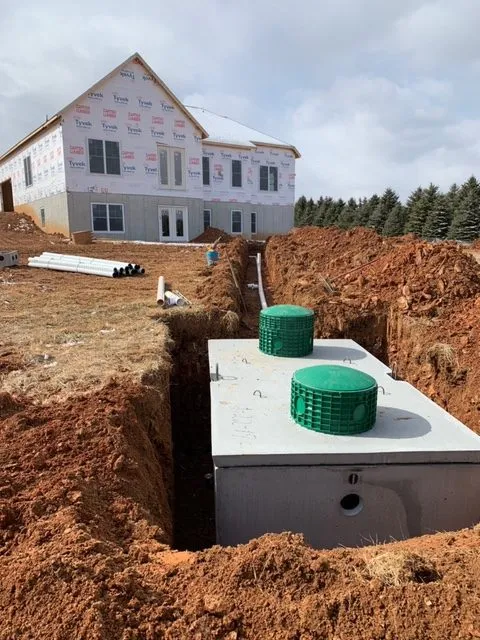
Ducks Septic Pump & Install is a service provider in Phoenix, AZ, specializing in septic system pumping, installation, and maintenance. They handle a variety of pumping needs including septic tanks, grease traps, sewer plants, and other water collection points. The company offers new septic system design and installation, repairs, inspections, and sewer tie-ins. Waste is disposed of at approved treatment facilities to ensure proper handling.
Understanding Buckeye's FOG Control Requirements
The City of Buckeye, like many municipalities, has established clear guidelines for FOG control to prevent sewer blockages and overflows. Facilities that discharge significant amounts of FOG are required to install and maintain an approved grease interceptor or trap 1 2. Compliance isn't optional; it's a condition of doing business, and inspections by health and water officials are a standard part of enforcement 3. The goal is to stop grease from entering the public wastewater system, where it can solidify, cause major blockages, and lead to environmental hazards and significant repair costs for the city.
There are two primary types of grease containment systems:
- Grease Traps: Typically smaller, indoor units located near sinks or dishwashers. These require frequent manual cleaning by kitchen staff-often daily or weekly-to remove accumulated grease and solids.
- Grease Interceptors: Larger, outdoor underground tanks that handle the wastewater volume for an entire facility. These cannot be serviced by staff and must be pumped and cleaned by a licensed professional on a regular schedule 4.
Maintenance and Compliance: Your Responsibilities
Staying compliant involves more than just scheduling an occasional pump-out. Buckeye food service operators have several key responsibilities to meet local codes.
Documentation is Critical. You are required to maintain detailed service records for a minimum of three years. Every professional cleaning, pump-out, and inspection should be documented with a receipt or log sheet from the service provider. Inspectors can and will ask to see these records during routine visits to verify compliance.
Ensure Accessibility and Proper Disposal. Your grease interceptor must be easily accessible for service and inspection. Furthermore, the waste removed-known as grease trap sludge-must be disposed of properly by your service provider in accordance with environmental regulations. It should never be poured down a drain, into a storm sewer, or into dumpsters 5 6.
Train Your Staff. A significant amount of FOG control happens daily in the kitchen. Employees should be trained on best practices like scraping food scraps into trash bins (not sinks), using sink strainers, and avoiding pouring any oils or grease down the drain 7. Proper kitchen habits extend the time between professional cleanings and improve the overall efficiency of your grease management system.
Recommended Cleaning Frequency and Inspection Schedules
How often you need professional grease interceptor pumping depends on your specific operation, but general guidelines are clear. For most busy restaurants in Buckeye, quarterly (every 3 months) service is a common standard. However, high-volume establishments or those with particularly greasy waste streams may require monthly service. The City of Buckeye's environmental compliance resources emphasize that proper maintenance is required for all FSEs, and the frequency should be based on the rate of accumulation to prevent overflows.
Indoor grease traps under sinks require vigilant daily or weekly maintenance by your staff to remove floating grease and solids. Neglecting this leads to rapid clogs in your own plumbing. Health department and water utility inspections are not scheduled annually; they can occur at any time. Being able to immediately produce up-to-date service logs is the best way to demonstrate compliance and avoid violations during these unannounced visits.
Find the perfect grease trap cleaning companies for your needs
Get personalized recommendations and expert advice
Cost of Grease Trap and Interceptor Services in Buckeye
The price for professional grease trap cleaning in Buckeye varies based on the size and type of your system, its condition, and how often you schedule service. Investing in regular maintenance is almost always less expensive than dealing with an emergency blockage or a compliance fine.
Standard Pumping Costs:
- Indoor Grease Trap Cleaning: For smaller, under-sink units that require professional attention, costs typically range from $175 to $475 per service 8.
- Outdoor Grease Interceptor Pumping: This is the most common service for restaurants. Prices are largely determined by tank capacity:
- 500-gallon tank: $200 - $400 per pump-out
- 1,000-gallon tank: $300 - $600 per pump-out
- 2,000+ gallon tank: $600 - $1,000 or more per pump-out
Factors Influencing Price: Several elements can affect the final cost of service:
- FOG Levels and Sludge Depth: Heavily neglected interceptors with thick, caked-on grease and solids require more labor and time to clean, increasing the price.
- Accessibility: Interceptors that are difficult to access (e.g., blocked by landscaping, parked cars, or equipment) may incur additional charges.
- Service Frequency: Establishing a regular service contract often comes with discounted rates compared to one-time emergency calls.
- Emergency Service: A reactive call for a clogged or overflowing interceptor can cost a 50% to 100% premium over standard scheduled service.
Additional Services and Savings: Many providers offer complementary services. A visual inspection during a pump-out might cost an extra $50-$150, while bio-remediation treatments (which use bacteria to break down grease between pump-outs) can add $100-$300 9 10. The most effective way to manage costs is to establish a preventive maintenance contract with a reliable provider. These contracts often provide a 10-20% discount on scheduled services, ensure you never miss a required cleaning, and usually grant you priority status if an emergency does arise 9 11.
Consequences of Non-Compliance
Failing to maintain your grease control system has serious repercussions. The most immediate is a violation notice from a city inspector, which comes with fines that can escalate for repeat offenses. Beyond fines, a severely neglected interceptor can fail, causing raw sewage and grease to back up into your kitchen or overflow onto your property-a severe health hazard that will force you to close for cleanup and repairs. This emergency situation results in lost revenue, massive cleanup bills, and potential damage to your establishment's reputation. Proactive, documented maintenance is the simplest and most cost-effective strategy to avoid these risks entirely.
Choosing a Service Provider in Buckeye
When selecting a company for grease interceptor pumping, look for licensed, insured professionals with experience serving Buckeye restaurants. They should be familiar with local codes and provide detailed service reports after every visit, which are crucial for your compliance records. Ask about their waste disposal practices to ensure they are environmentally responsible. A reputable provider will be willing to assess your specific needs, recommend an appropriate service frequency, and explain all costs upfront.
Frequently asked questions
Sources
Footnotes
-
Environmental Compliance | City of Buckeye - https://www.buckeyeaz.gov/community/residents/water-resources/environmental-compliance ↩
-
Chapter 13.13 FATS, OILS, AND GREASE CONTROL - https://www.codepublishing.com/AZ/Winslow/html/Winslow13/Winslow1313.html ↩
-
How to Clean a Grease Trap (and How Often You Should) - https://greaseconnections.com/how-to-clean-a-grease-trap-and-how-often-you-should/ ↩
-
APPENDIX A Grease Trap and Interceptor Requirements Definitions - https://fcwsd.org/documents/728/Appendix_A_Grease_Trap_Requirements.pdf ↩
-
Grease Trap Regulations and Compliance: What You Need to Know - https://www.texwaywastewater.com/grease-trap-regulations-and-compliance/ ↩
-
Grease Trap Cleaning in Buckeye AZ | Grease Interceptor Pumping - https://greasetrapcleaningavondale.com/buckeye-az.html ↩
-
Grease Trap Repair & Install | Arizona Restaurant Plumbing - https://asapplumbingaz.com/grease-traps/ ↩
-
The Ultimate Guide to Restaurant Grease Trap Cleaning - https://mokherplumbing.com/ultimate-guide-restaurant-grease-trap-cleaning/ ↩
-
Ultimate Grease Trap Pumping Cost Guide: Essential Money ... - https://www.texwaywastewater.com/grease-trap-pumping-cost/ ↩ ↩2
-
Restaurant Grease Trap & Interceptor Cleaning Cost - https://greasemanagement.org/pricing.html ↩
-
The Cost To Clean A Grease Trap For Restaurants - https://thegreasecompany.com/blog/greasetrapcleaningcost/ ↩