
Find the Best Composting & Food Waste Companies for Your Business
No obligation • Fast responses • Nationwide coverage

Why you can trust Restaurant Waste Disposal
Restaurant Waste Disposal is a leading U.S. resource for comparing restaurant composting, food-waste recycling, grease trap cleaning, and used cooking oil collection services. Our editorial team researches providers, checks credentials, and organizes unbiased information so operators can make informed decisions. Companies cannot pay to change ratings or placement.
Search providers near you
Top Composting & Food Waste Companies in West Orange, New Jersey Ranked
For restaurant owners and food service operators in West Orange, managing food scraps isn't just about cleanliness-it's a state-mandated responsibility. New Jersey's Food Waste Recycling Law requires large generators to divert organic material from landfills, a regulation that directly impacts many local eateries. While the township manages residential waste, commercial food waste management is a self-directed process, requiring businesses to partner with private hauling services. Navigating this system effectively can lead to compliance, potential cost savings on traditional waste removal, and a significant positive environmental impact for the community.
Understanding the regulations and implementing a streamlined organics diversion program is key to turning a regulatory requirement into an operational advantage.
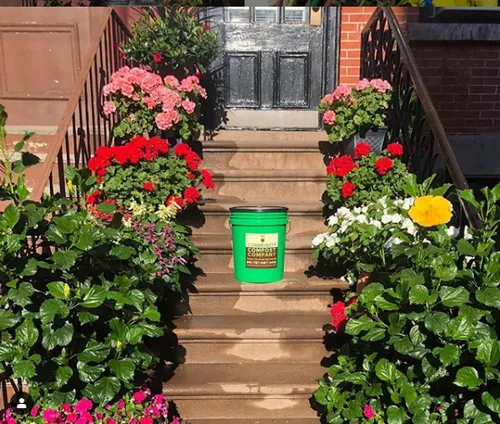
Community Compost Company
1501 Madison St, Hoboken, NJ 07030
Community Compost Company provides food waste collection and composting services for restaurants and residents in New York, NY. They offer a simple system where customers collect food scraps in provided buckets for weekly pickup. The company recycles all types of food waste, including meats and dairy, transforming it into nutrient-rich compost that supports soil health and reduces landfill waste. Community Compost Company is committed to environmental education and making composting accessible to everyone.

Green Bucket Compost
Woodbridge, NJ
Green Bucket Compost is a food waste and composting service based in Woodbridge, NJ, focused on diverting food waste from landfills through sustainable methods. They work with anaerobic digestion facilities like Trenton Renewables to process all types of food waste, including packaging, turning it into renewable energy and compost. Their services cover residential pickups, commercial food waste management for restaurants, hotels, and schools, as well as municipal drop-off and curbside collection programs across several New Jersey counties and towns. Founded by Isaiah Green, the company emphasizes scalable and efficient waste diversion solutions to support community sustainability goals.
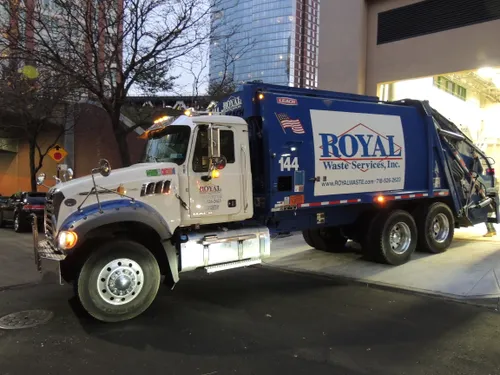
Royal Waste Services
187-40 Hollis Ave, Jamaica, NY 11423
Royal Waste Services provides comprehensive waste management solutions in New York, NY, specializing in food waste composting, trash pickup, single stream recycling, dumpster rentals, and bulk waste removal. Serving Manhattan, Bronx, Brooklyn, and Queens, they operate 24/7 to support businesses with sustainable waste diversion strategies. With over 25 years of experience, Royal Waste owns and operates in-house recycling facilities to ensure environmentally responsible disposal and compliance with NYC commercial recycling laws.
Understanding New Jersey's Mandate for Restaurants
The cornerstone of food scrap management in West Orange is state law, not a local municipal program. The New Jersey Department of Environmental Protection (NJDEP) mandates that large food waste generators-defined as those producing 52 or more tons per year-must recycle their food scraps. This threshold applies to many full-service restaurants, hotels, supermarkets, and institutional cafeterias. The law's primary goal is to reduce methane emissions from landfills and put organic nutrients to beneficial use, such as in composting or anaerobic digestion facilities. It's crucial for business owners to first assess their annual output to determine if they fall under this mandatory category, though even smaller generators are encouraged to participate voluntarily.
Setting Up Commercial Food Scrap Collection
Since West Orange does not offer a municipal commercial organics collection service, the essential first step is contracting with a private waste hauler licensed to handle food waste. This is a similar process to arranging for standard trash or recycling service.
- Finding a Provider: Seek out haulers that specifically advertise commercial food waste or organics recycling services. National providers like Waste Management and Republic Services often offer these programs, and there may be regional or local specialists serving Essex County.
- Service Negotiation: You will work directly with the hauler to determine the service level. Key negotiation points include the volume of waste, the frequency of pickup (daily, weekly, or bi-weekly), and the type of collection container needed.
- Container Logistics: For exterior collection, haulers typically provide wheeled carts ranging from 32 to 96 gallons or larger dumpsters, often equipped with locking lids to deter pests. The hauler owns and maintains this exterior container.
Best Practices for Kitchen-Side Separation
A successful program hinges on easy, clear separation at the source-in the kitchen and dish room. Contamination (non-compostable items mixed in) is the most common reason for rejected loads and can incur additional fees.
- Use Designated Bins: Place small, sealable bins (1 to 5 gallons) at every prep station, the dishwashing area, and anywhere food scraps are generated. These should be clearly labeled.
- Compostable Liners Are Key: Line these kitchen bins only with certified compostable bags. Standard plastic bags are a major contaminant and will disrupt the composting process. Your hauler can often recommend approved brands.
- Educate Your Team: Consistent staff training is vital. Use simple signage with pictures showing what goes in (food scraps only) and what stays out (plastic, glass, metal, packaging).
What Can and Cannot Go In Your Food Scrap Bin
Adhering to strict contamination guidelines is non-negotiable for a functioning organics recycling stream 1.
Accepted Food Scraps Include:
- Fruit and vegetable scraps (peels, pits, rinds)
- Meat, fish, and bones
- Dairy products and eggshells
- Bread, pasta, grains, and baked goods
- Coffee grounds and filters, tea bags (staples removed)
- Plate scrapings and spoiled food
Strictly Prohibited Items:
- Plastics: This includes plastic bags, utensils, wrappers, and Styrofoam.
- Liquids: Oils, grease, and beverages must be kept out unless absorbed by paper or food.
- Non-Organic Materials: Glass, metal, rubber, and chemicals.
- Soiled Paper: While some composters accept uncoated paper towels or napkins, it's critical to verify what your specific hauler and their processing facility accepts.
Find the perfect composting & food waste companies for your needs
Get personalized recommendations and expert advice
Managing Grease and Cooking Oil
While separate from solid food waste, used cooking oil (UCO) and grease trap waste are critical components of a restaurant's overall waste management. These materials are highly recyclable into biofuels and other products.
- Used Cooking Oil Collection: Many food waste haulers also offer UCO collection services, or you can contract with a dedicated provider. They supply sealed collection containers (often drums or tanks) and schedule regular pickups. Proper management prevents drain clogs and can even provide a small revenue stream.
- Grease Trap Maintenance: Regular grease trap pumping is a health code necessity. Schedule frequent service with a licensed grease hauler to prevent backups and overflows. This waste is typically diverted to rendering facilities.
Analyzing Costs and Potential Savings
The cost for commercial food scrap collection is variable and depends on your hauler, pickup frequency, and volume 2. You can expect a monthly service fee, which may be structured as a cost per pickup or a flat container rate.
It's important to view this as part of your overall waste management budget. As you divert heavy, wet food scraps from your standard trash dumpster, you may be able to:
- Reduce the size of your garbage container.
- Decrease the frequency of trash pickups.
- Lower your overall trash hauling costs, potentially offsetting the new cost of organics recycling.
Steps to Launch Your Program
- Conduct a Waste Audit: Track your food scrap output for a week to estimate annual volume and determine your mandatory or voluntary status.
- Research and Contact Haulers: Get quotes from at least three licensed providers specializing in commercial organics. Ask about their contamination policies, accepted materials, and processing destinations.
- Design Your Internal System: Order certified compostable bags and interior bins. Create training materials and signage for your staff.
- Implement and Train: Roll out the program with a team meeting. Emphasize the "why" (environmental impact, compliance) and the "how" (what goes where).
- Monitor and Adjust: Check bins for contamination initially and provide feedback. Adjust container placement or pickup frequency as needed.
Taking proactive steps to manage food waste responsibly positions your West Orange restaurant as a community leader in sustainability while ensuring compliance with state regulations.
Frequently asked questions
Sources
Footnotes
-
Residential Refuse & Bulk Collection | West Orange, NJ - Official Website - https://westorange.org/141/Residential-Refuse-Bulk-Collection ↩
-
NJDEP| Division of Sustainable Waste Management | Food Waste Recycling rules - https://dep.nj.gov/dshw/swpl/fw/food-waste-recycling-rules/ ↩