Find the Best Composting & Food Waste Companies for Your Business
No obligation • Fast responses • Nationwide coverage

Why you can trust Restaurant Waste Disposal
Restaurant Waste Disposal is a leading U.S. resource for comparing restaurant composting, food-waste recycling, grease trap cleaning, and used cooking oil collection services. Our editorial team researches providers, checks credentials, and organizes unbiased information so operators can make informed decisions. Companies cannot pay to change ratings or placement.
Search providers near you
Top Composting & Food Waste Companies in Gloucester, New Jersey Ranked
For restaurant owners and food service operators in Gloucester, managing organic waste is both an environmental responsibility and a business decision shaped by state regulations. New Jersey has established clear mandates for large-scale generators of food waste, requiring diversion from landfills to composting or anaerobic digestion facilities. While Gloucester itself may not offer a municipal commercial composting program, local businesses have access to private haulers who can provide tailored collection services, helping establishments comply with the law, reduce their environmental footprint, and potentially streamline their waste management costs. Understanding your obligations and options is the first step toward an effective organics recycling strategy.
Bennett Compost
5650 Rising Sun Ave, Philadelphia, PA 19120
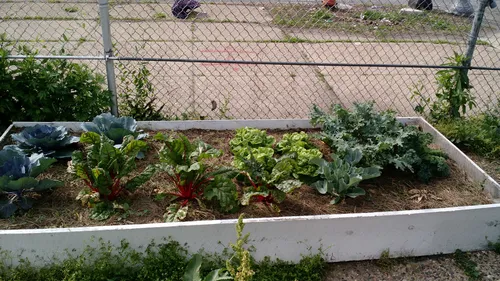
Bennett Compost provides food waste and composting services for restaurants and residents in Philadelphia, PA. The company offers weekly pickups of food scraps and other compostable materials, helping to reduce landfill waste by diverting organic material into nutrient-rich compost. Bennett Compost serves a variety of clients including coffee shops, breweries, florists, offices, and residential buildings, tailoring solutions to different compostable volumes. Founded in 2009 by Tim Bennett and now co-owned with Jennifer Mastalerz, the company diverts over 150 tons of waste each month and supports more than 6,000 households and businesses. Their service includes delivering clean compost bins and premium compost products during pickups.
Community Compost Company
5941 US-209, Kerhonkson, NY 12446
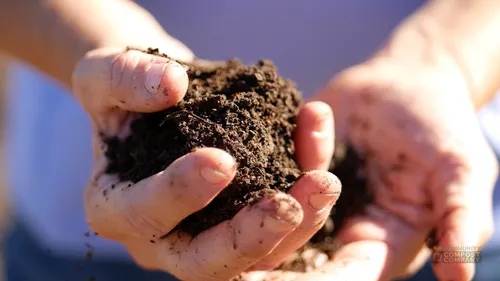
Community Compost Company provides food waste and composting services for restaurants and other clients in Gloucester, NJ. They offer convenient pick-up services for food scraps, transforming organic waste into nutrient-rich compost that supports soil health and reduces landfill waste. The company is dedicated to environmental education and making composting accessible to all. Their efforts have resulted in significant environmental impact, including millions of pounds of food scraps composted and substantial reductions in CO2 emissions.
Giordanos Recycling
110 N Mill Rd, Vineland, NJ 08360
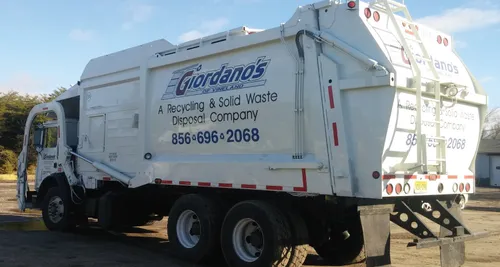
Giordanos Recycling is based in Vineland, NJ, providing food waste and composting services primarily for restaurants. They serve multiple counties in New Jersey including Cumberland, Gloucester, Camden, Burlington, Salem, Atlantic, and Cape May, as well as areas in Pennsylvania and Delaware. Their services include roll off dumpster rentals, front load and rear loader container services, and food waste recycling programs designed for beneficial use of clean food byproducts. Giordanos also offers equipment rentals and installation for compactors and balers, and manages recycling brokerage and national accounts.
Understanding New Jersey's Food Waste Recycling Rules
New Jersey's approach to organic waste is driven by state law (N.J.S.A. 7:26K), which sets specific requirements for commercial entities. The cornerstone of this regulation is the mandate for "large food waste generators." These are businesses, including restaurants, supermarkets, and food processors, that generate 52 tons or more of food waste per year. If such a generator is located within 25 road miles of an authorized organics recycling facility, they are legally required to separate their food scraps and ensure they are recycled.
It's important to note that New Jersey also has a universal mandatory recycling act that applies to all businesses, not just large generators1. This framework encourages all commercial operations, including smaller restaurants in Gloucester, to divert recyclables and organics from the trash. Proactively implementing a food scrap recycling program can position your business ahead of potential future regulatory changes and demonstrates a commitment to sustainability.
Who is Considered a Large Generator?
Estimating your annual food waste output is crucial. Fifty-two tons annually breaks down to roughly one ton per week. High-volume establishments like large full-service restaurants, cafeterias, or venues hosting significant events should carefully audit their waste streams. The state provides resources and guidance to help businesses determine their status and comply with the rules.
Commercial Collection Services for Gloucester Restaurants
Since a dedicated municipal commercial composting service isn't widely advertised for Gloucester, partnering with a private hauler is the standard path for compliance and responsible disposal. These companies specialize in organic waste logistics, from container supply to final processing.
Private Hauler Services: Companies like Java's Compost offer commercial pickup services specifically designed for businesses like restaurants. They handle the entire process: providing appropriate collection containers, establishing a pickup schedule based on your volume, and transporting the waste to permitted composting or anaerobic digestion facilities. This turnkey solution removes the operational burden from your staff.
Choosing a Provider: When researching haulers, it's advisable to get quotes from several providers. In addition to regional specialists, major national waste management companies operating in New Jersey may also offer organics recycling programs. Key factors to compare include cost, pickup frequency, container sizes offered, and the types of materials they accept 2.
Find the perfect composting & food waste companies for your needs
Get personalized recommendations and expert advice
Setting Up Your Kitchen for Food Scrap Separation
Successful organics recycling hinges on an efficient and clear separation system within your kitchen. Contamination-when non-compostable items end up in the food waste stream-can disrupt the composting process and may lead to rejected loads or additional fees from your hauler.
Container Strategy: Work with your chosen hauler to select the right bins. For kitchen prep areas, small, lidded countertop pails are ideal for collecting scraps during food preparation. These can be lined with certified compostable bags for easy transfer. For back-of-house collection, haulers typically supply larger wheeled carts, such as 32, 64, or 96-gallon models, or even dumpsters for very high-volume operations 3.
Clear Guidelines for Staff: Training is essential. Create simple signage (using both text and pictures) above collection bins to indicate what goes where.
- DO Compost: Fruit and vegetable scraps, coffee grounds and filters, tea bags (without staples), eggshells, baked goods, and plain paper products like napkins or uncoated paper plates that have come into contact with food.
- DO NOT Compost (Typical Exclusions): Plastic of any kind (unless it is certified compostable), glass, metal, liquids, fats/oils/grease, and often meat, bones, and dairy products. Always confirm the specific acceptance guidelines with your hauler, as some facilities can process proteins 4.
Financial Considerations: Costs and Potential Savings
Implementing a food waste diversion program involves an investment, but it can also lead to offsetting savings.
Service Costs: Pricing from private haulers is typically volume-based. Factors include the size and number of containers you need and how often they require pickup (e.g., daily, twice weekly, weekly)5. Requesting a detailed quote based on your waste audit will give you a clear picture of this new line item.
Offsetting Savings: The primary financial benefit comes from reducing the volume of your regular trash. Landfill tipping fees are a significant cost in waste management. By diverting heavy, wet organic material out of your garbage dumpster, you may be able to reduce the size of your trash container or decrease the frequency of trash pickups, leading to lower overall waste management expenses6. Furthermore, sustainable practices can enhance your brand's reputation and appeal to a growing segment of eco-conscious customers.
Grease Trap and Used Cooking Oil Management
A comprehensive food waste strategy also addresses byproducts like grease and used cooking oil. These materials require separate, specialized handling and are often collected by different service providers.
- Grease Trap Cleaning: Regular maintenance of grease interceptors is not only a best practice for plumbing health but is often mandated by local sewer authorities to prevent blockages and environmental harm. Professional pump-out services should be scheduled on a regular basis.
- Used Cooking Oil (UCO) Collection: Recyclers will collect UCO for conversion into biodiesel or other products. This service is usually provided free of charge or may even generate a small rebate, as the collected oil has commercial value. Ensuring proper storage and collection prevents spills and pests.
Integrating these services with your food scrap composting creates a holistic waste reduction program for your restaurant.
First Steps for Gloucester Food Service Businesses
Ready to start or improve your organics recycling program? Follow this actionable checklist:
- Conduct a Waste Audit: Spend a week tracking how much food waste you generate in both prep and post-consumer settings. This will help you determine if you approach the 52-ton threshold and is critical for sizing service with a hauler.
- Research and Contact Haulers: Reach out to local and regional providers like Java's Compost, as well as your current waste management company, to inquire about organics recycling services, request quotes, and clarify acceptance policies.
- Consult Local Authorities: Verify with Gloucester City or Township offices if there are any local ordinances or resources related to commercial food waste recycling that you should be aware of.
- Design Your Internal System: Based on the hauler's container options, plan where collection bins will be placed in your front and back-of-house areas. Order compostable bin liners and educational signage.
- Train Your Team: Hold a staff meeting to roll out the new program. Explain the "why" behind it and provide clear, hands-on training for what goes in each bin. Consistent follow-up is key to success.
By taking these steps, your Gloucester restaurant can effectively manage its organic waste, comply with state regulations, and contribute to a more sustainable local environment.
Frequently asked questions
Sources
Footnotes
-
Sustainability | Recycling Resources - NJDEP - https://dep.nj.gov/sustainability/outreach-and-education/recycling-resources/ ↩
-
General 6 - Foodprint Group - https://www.foodprintgroup.com/hauler-analysis ↩
-
Garbage collection guidelines and schedule - Somerville, NJ - https://www.somervillenj.org/garbage-collection-guidelines-and-schedule/ ↩
-
NJDEP| Division of Sustainable Waste Management | Food Waste Recycling rules - https://dep.nj.gov/dshw/swpl/fw/food-waste-recycling-rules/ ↩
-
Commercial Compost Pickup Service - https://www.javascompost.com/commercial-pickup ↩
-
Organic waste management in New Jersey: Reducing food waste and ... - https://bloustein.rutgers.edu/organic-waste-management-in-new-jersey-reducing-food-waste-and-improving-food-equity/ ↩