Find the Best Composting & Food Waste Companies for Your Business
No obligation • Fast responses • Nationwide coverage

Why you can trust Restaurant Waste Disposal
Restaurant Waste Disposal is a leading U.S. resource for comparing restaurant composting, food-waste recycling, grease trap cleaning, and used cooking oil collection services. Our editorial team researches providers, checks credentials, and organizes unbiased information so operators can make informed decisions. Companies cannot pay to change ratings or placement.
Search providers near you
Top Composting & Food Waste Companies in Trenton, New Jersey Ranked
For restaurants and food service businesses in Trenton, managing organic waste is more than an environmental choice-it's a regulated component of operations. New Jersey state law mandates that large generators of food waste must separate and recycle these organics, directly impacting many establishments in the city. While Trenton's municipal services handle general waste and recycling, compliance with food waste recycling rules requires partnering with specialized private haulers. Navigating these requirements involves understanding state mandates, selecting approved service providers, and implementing proper on-site separation and container protocols to avoid contamination and potential fines.
Bennett Compost
5650 Rising Sun Ave, Philadelphia, PA 19120
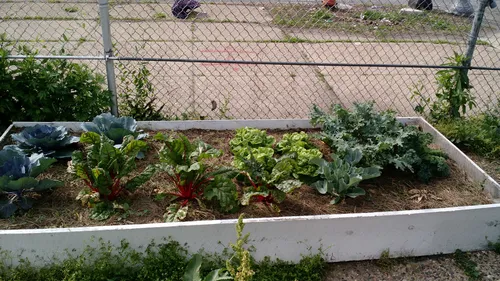
Bennett Compost provides food waste and composting services for restaurants and residents in Philadelphia, PA. The company offers weekly pickups of food scraps and other compostable materials, helping to reduce landfill waste by diverting organic material into nutrient-rich compost. Bennett Compost serves a variety of clients including coffee shops, breweries, florists, offices, and residential buildings, tailoring solutions to different compostable volumes. Founded in 2009 by Tim Bennett and now co-owned with Jennifer Mastalerz, the company diverts over 150 tons of waste each month and supports more than 6,000 households and businesses. Their service includes delivering clean compost bins and premium compost products during pickups.
Trenton Renewables
1600 Lamberton Rd, Trenton, NJ 08611
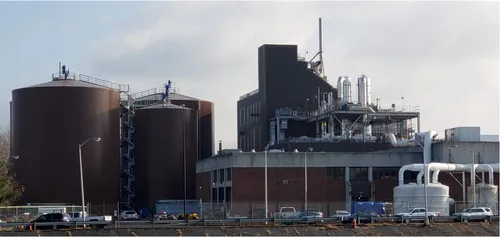
Trenton Renewables is a food waste recycling and renewable energy company based in Trenton, NJ. They serve restaurants and other organizations by managing food waste through anaerobic digestion, converting it into renewable energy, premium compost, and recaptured packaging. The company operates as a Class I Renewable Energy Facility and is qualified under New Jersey's Food Waste Law. Their process helps reduce landfill waste and CO2 emissions while supporting environmental sustainability.
Understanding New Jersey's Food Waste Recycling Mandate
The foundation of commercial organics recycling in Trenton is New Jersey Department of Environmental Protection (NJDEP) rules. These regulations require businesses that generate 52 tons or more of food waste per year-approximately one ton per week-to source-separate this material for recycling, provided they are located within 25 road miles of an approved recycling facility 1. This threshold applies to many mid-to-large-sized restaurants, hotels, hospitals, and educational institutions. The law is designed to divert significant volumes of organic material from landfills, reducing methane emissions and creating valuable compost or renewable energy.
Key Points for Trenton Businesses:
- Eligibility Check: The first step is to estimate your annual food waste output. High-volume kitchens, banquet halls, and cafeterias are most likely to meet or exceed the 52-ton threshold.
- Proximity Rule: Nearly all of Trenton and the surrounding Mercer County area falls within the 25-mile radius of approved composting or anaerobic digestion facilities, meaning the location-based exemption is unlikely to apply.
- Mandatory Separation: If your business qualifies, you are legally required to separate food scraps, spoiled inventory, and prep waste from the general trash stream and arrange for proper recycling.
Trenton's Municipal Role vs. Private Hauler Services
It's crucial to distinguish between city services and the private market for organics recycling. The City of Trenton's Division of Solid Waste Management provides guidelines and collection for residential and some commercial municipal solid waste and traditional recycling (paper, cardboard, plastics, metals). Their regulations cover approved containers and, for certain commercial entities, may require daily trash pickup to maintain public health standards.
However, for the specialized collection of source-separated organic waste, Trenton restaurants must contract with private, NJDEP-licensed organic waste recycling haulers 2. The city does not offer a municipal composting pickup service for commercial food waste. This means compliance is the responsibility of the business owner, who must research, contract, and manage a relationship with a private service provider.
Selecting a Commercial Food Waste Hauler in Trenton
Finding the right hauler is a critical step. Providers such as national companies like Waste Management or Republic Services, as well as regional and local haulers, may offer services in the Trenton area. When evaluating providers, consider the following:
- NJDEP Approval: Verify the hauler is listed as an approved Organic Waste Recycling Hauler by the NJDEP.
- Service Scope: Confirm they service your specific location in Trenton and can handle the volume and type of food waste you generate.
- End Destination: Ask where the collected waste is taken. It should be an NJDEP-permitted composting facility, anaerobic digester, or animal feed operation.
- Customer Support: Choose a provider that offers clear onboarding, training for your staff, and responsive customer service.
Getting multiple quotes is recommended, as services and fees can vary significantly.
On-Site Implementation: Containers and Best Practices
Successful food waste recycling depends on proper internal handling. Contamination with plastics, glass, or liquids can result in rejected loads and extra fees. Haulers will provide specific guidelines, but general best practices include:
Container Requirements:
- Use dedicated, leak-proof bins with tight-fitting lids to contain odors and prevent pests.
- Container size (e.g., 32-gallon carts, 64-gallon wheeled bins, or larger dumpsters) will depend on your volume and pickup frequency.
- Clearly label bins for "Food Waste Only" to avoid employee confusion.
Separation Protocols:
- Acceptable Materials: Fruit and vegetable scraps, meat and bones, dairy, bread, coffee grounds with filters, tea bags, and soiled paper napkins.
- Unacceptable Materials: Plastic bags, Styrofoam, service ware (even if labeled "compostable" unless explicitly approved by your hauler), rubber gloves, and liquids 3.
- Liquid Management: Food waste must be well-drained. Grease and cooking oils are a separate waste stream often handled by specialized used oil collection services.
Many haulers recommend or require the use of certified compostable liner bags to keep containers clean and simplify collection. Always check with your specific provider for their approved materials list.
Scheduling, Logistics, and Cost Considerations
For restaurants, daily pickup of food waste is common to manage odor and sanitation, especially in a compact urban environment like Trenton 4. Your hauler will work with you to determine the optimal schedule and container size based on your production volume.
Find the perfect composting & food waste companies for your needs
Get personalized recommendations and expert advice
Cost structures vary but typically involve a monthly service fee. This fee is based on:
- The size and number of containers provided.
- The frequency of pickup (e.g., daily, 3x/week).
- The total weight or volume of material collected.
While adding a food waste recycling service represents an additional line item, it can lead to cost savings by reducing the volume-and therefore the cost-of your general trash disposal. Furthermore, demonstrating compliance with state environmental regulations and a commitment to sustainability can enhance your brand's reputation with customers and the community.
Steps to Get Started with Food Waste Recycling
- Conduct a Waste Audit: Estimate your weekly food waste generation. Track prep waste, plate scrapings, and spoiled food for a week to see if you approach the one-ton-per-week threshold.
- Consult the NJDEP: Visit the NJDEP website to review the official rules and access the list of approved facilities and haulers 5.
- Research and Contact Haulers: Reach out to 2-3 licensed haulers that service Trenton. Request a site visit and a detailed quote, including all containers, pickup schedules, and fees.
- Develop an Internal Plan: Designate collection stations in your kitchen and prep areas. Order appropriate indoor collection pails and signs. Plan staff training sessions to ensure proper separation from day one.
- Execute the Contract and Launch: Once you select a hauler, finalize the contract, receive your containers, and begin separating. Monitor the process closely during the first few weeks to address any issues and reinforce training.
Beyond Compliance: The Broader Impact
Participating in organics recycling extends benefits far beyond regulatory compliance. Diverting food waste from landfills reduces greenhouse gas emissions. The recycled material is transformed into compost, which enriches soil and supports local agriculture, or into biogas, a source of renewable energy. For Trenton's restaurant community, embracing food waste management is a tangible step toward a more circular and sustainable local economy.
Frequently asked questions
Sources
Footnotes
-
Organic waste management in New Jersey: Reducing food waste and ... - https://bloustein.rutgers.edu/organic-waste-management-in-new-jersey-reducing-food-waste-and-improving-food-equity/ ↩
-
Division of Solid Waste Management | Trenton, NJ - https://www.trentonnj.org/272/Division-of-Solid-Waste-Management ↩
-
Commercial Food Waste - Western Compost - https://www.westerncompost.com.au/commercial-food-waste/ ↩
-
City of Trenton, NJ Garbage Collection - eCode360 - https://ecode360.com/9132703 ↩
-
Food Waste Recycling rules - https://dep.nj.gov/dshw/swpl/fw/food-waste-recycling-rules/ ↩