
Find the Best Composting & Food Waste Companies for Your Business
No obligation • Fast responses • Nationwide coverage

Why you can trust Restaurant Waste Disposal
Restaurant Waste Disposal is a leading U.S. resource for comparing restaurant composting, food-waste recycling, grease trap cleaning, and used cooking oil collection services. Our editorial team researches providers, checks credentials, and organizes unbiased information so operators can make informed decisions. Companies cannot pay to change ratings or placement.
Search providers near you
Top Composting & Food Waste Companies in West New York, New Jersey Ranked
Managing organic waste is a critical component of sustainability for any community, and West New York, New Jersey, offers specific pathways for both residents and businesses to participate. For restaurants and other food service establishments, navigating the requirements for food scrap recycling involves understanding state mandates, local ordinances, and the network of private service providers. While the town provides a convenient free drop-off program for residents, commercial entities must engage with private haulers to comply with New Jersey's regulations for large waste generators. This system aims to divert organic material from landfills, reduce greenhouse gas emissions, and contribute to a circular economy where food waste is transformed into compost or renewable energy.
Successfully implementing an organics recycling program requires knowledge of container specifications, pickup schedules, and strict contamination guidelines to avoid penalties and ensure the waste stream is processed correctly. Costs for commercial services are variable and depend on volume and hauler, but the environmental benefits and potential reduction in standard trash disposal fees can make it a worthwhile investment.
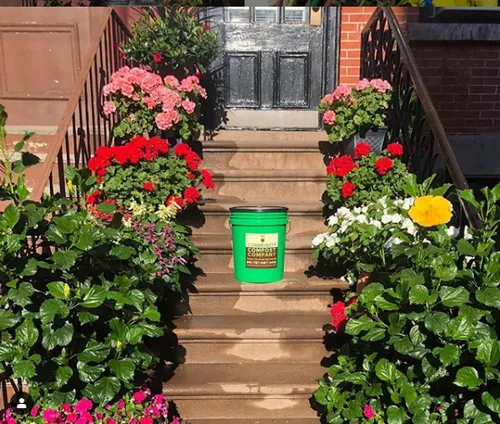
Community Compost Company
1501 Madison St, Hoboken, NJ 07030
Community Compost Company provides food waste collection and composting services for restaurants and residents in New York, NY. They offer a simple system where customers collect food scraps in provided buckets for weekly pickup. The company recycles all types of food waste, including meats and dairy, transforming it into nutrient-rich compost that supports soil health and reduces landfill waste. Community Compost Company is committed to environmental education and making composting accessible to everyone.

Green Bucket Compost
Woodbridge, NJ
Green Bucket Compost is a food waste and composting service based in Woodbridge, NJ, focused on diverting food waste from landfills through sustainable methods. They work with anaerobic digestion facilities like Trenton Renewables to process all types of food waste, including packaging, turning it into renewable energy and compost. Their services cover residential pickups, commercial food waste management for restaurants, hotels, and schools, as well as municipal drop-off and curbside collection programs across several New Jersey counties and towns. Founded by Isaiah Green, the company emphasizes scalable and efficient waste diversion solutions to support community sustainability goals.
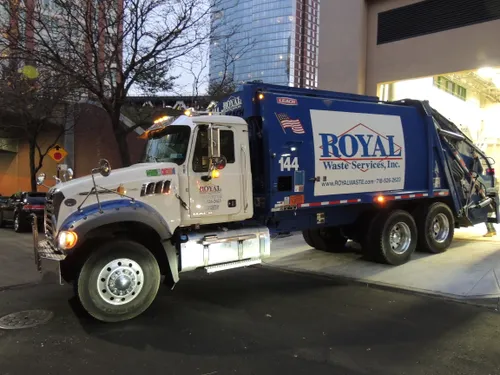
Royal Waste Services
187-40 Hollis Ave, Jamaica, NY 11423
Royal Waste Services provides comprehensive waste management solutions in New York, NY, specializing in food waste composting, trash pickup, single stream recycling, dumpster rentals, and bulk waste removal. Serving Manhattan, Bronx, Brooklyn, and Queens, they operate 24/7 to support businesses with sustainable waste diversion strategies. With over 25 years of experience, Royal Waste owns and operates in-house recycling facilities to ensure environmentally responsible disposal and compliance with NYC commercial recycling laws.
Understanding New Jersey's Mandate for Food Waste
In 2020, New Jersey enacted a law designed to significantly reduce the amount of food waste sent to landfills. This regulation specifically targets large food waste generators, defined as entities that produce more than 52 tons of organic waste per year. This category includes many supermarkets, food processors, hospitals, universities, and large restaurants or hospitality groups. The law mandates that these generators separate their food waste from the general trash stream and ensure it is recycled through composting, anaerobic digestion, or other approved methods.
For a restaurant in West New York, the first step is to conduct a waste audit to estimate annual output. If you exceed the 52-ton threshold, compliance is not optional; you must register with the New Jersey Department of Environmental Protection (NJDEP) and arrange for proper recycling 1. Even if your establishment falls below this state-mandated threshold, participating in organics recycling demonstrates environmental leadership, can reduce your trash hauling costs, and aligns with growing consumer expectations for sustainable business practices.
Commercial Organics Recycling: How It Works in West New York
Unlike the residential drop-off program run by the town, commercial food scrap recycling in West New York operates through the private market. Businesses must contract directly with a waste hauler that offers commercial organics collection services. Several national and regional providers, such as Waste Management and Republic Services, operate in the area, along with potential local specialists.
The process typically involves several key steps:
- Service Agreement: You will sign a contract with a hauler specifying service frequency (e.g., daily, weekly), container sizes, and pricing.
- Container Provision: The hauler will supply you with specialized, secure containers. These are often latching or locking bins designed to prevent pests and contain odors, meeting both the hauler's and the processing facility's specifications.
- Scheduled Pickup: Collection for commercial establishments in West New York is governed by a local ordinance that requires pickup to occur between the hours of 12:00 AM (midnight) and 7:00 AM. This schedule helps manage traffic and noise in the densely populated town.
- Transport and Processing: The hauler transports your separated food waste to a NJDEP-approved facility. These facilities might be composting sites that turn the waste into soil amendment or anaerobic digesters that capture methane gas to produce renewable energy.
What Can and Cannot Go in the Organics Bin
Contamination-placing non-compostable items in the organics stream-is one of the biggest challenges for successful recycling. Contamination can ruin entire loads of material, leading to rejection at the processing facility and potential fines. The specific guidelines are ultimately set by the facility that receives the waste, but they align with common best practices 2.
Generally Accepted Food Scraps:
- Fruit and vegetable peels, scraps, and pits
- Meat, poultry, fish, and bones
- Dairy products and eggshells
- Bread, pasta, rice, and other grains
- Coffee grounds and paper filters
- Tea bags (without staples)
- Soiled, non-recyclable paper like napkins, paper towels, and pizza boxes (check with your hauler)
Common Contaminants to Avoid:
- Plastics: Bags, utensils, packaging, and wrappers.
- Liquids: Oils, grease, soups, and beverages.
- Glass, Metal, or Foil: Bottles, cans, and foil wrappers.
- Biodegradable/Compostable Plastics: Unless explicitly accepted by your hauler and their processor, as many industrial facilities cannot process these items.
- Non-Food Waste: Yard waste, wood, or any other non-food material.
Clear signage and consistent staff training are essential to maintaining a clean, valuable organics stream. Your contracted hauler is a resource and can provide specific guidance and educational materials for your team.
Find the perfect composting & food waste companies for your needs
Get personalized recommendations and expert advice
Analyzing Costs and Potential Savings
For restaurant owners, the financial aspect of organics recycling is a primary consideration. Pricing is not standardized and varies based on several factors:
- Volume of Waste: The amount of food scraps you generate weekly.
- Collection Frequency: How often the hauler needs to service your location (daily, three times a week, etc.).
- Container Size and Quantity: The number and size of bins provided.
- Hauler and Market Rates: Different service providers have different fee structures.
You can expect a monthly service fee, which may include rental of the containers. While this is a new line item, it's important to view it alongside your existing waste disposal costs. By diverting heavy, wet food waste from your standard trash dumpster, you may be able to:
- Reduce the size of your general waste container.
- Decrease the frequency of trash pickups.
- Lower your overall waste management expenses.
Some businesses find that the savings on their trash service offset a significant portion of the new organics recycling cost. Furthermore, there are intangible benefits like enhanced brand reputation, alignment with municipal sustainability goals, and contributing to local environmental health 3.
Getting Your West New York Restaurant Started
Implementing a compliant and efficient organics program requires a structured approach. Follow this step-by-step guide to begin the process:
- Conduct a Waste Assessment: Work with your staff or a consultant to estimate your annual food waste production. Determine if you exceed the 52-ton state threshold.
- Research and Select a Hauler: Contact private waste haulers that service Hudson County and offer commercial organics collection. Obtain quotes from multiple providers to compare services, container options, and costs 4.
- Understand Local Rules: Review West New York's Ordinance #18/20, which mandates the early morning (12-7 AM) pickup window for commercial waste collection, including organics 5.
- Procure Proper Equipment: Once you select a hauler, they will deliver the appropriate secure, latching bins. Place them conveniently in your kitchen and prep areas 6.
- Train Your Team Thoroughly: Hold training sessions for all kitchen and service staff. Use clear signage (often available from your hauler) above bins to list accepted and prohibited items. Emphasize the importance of avoiding contamination.
- Monitor and Adjust: Regularly check the contents of your organics bin for contamination. Adjust training as needed and communicate with your hauler if you have questions about what is being accepted.
For businesses below the state mandate, the process is similar but voluntary. You can still contract with a hauler to responsibly manage your food scraps, reaping the environmental and potential economic benefits.
The Broader Impact of Food Waste Diversion
When restaurants in West New York participate in organics recycling, the positive effects extend far beyond their own balance sheets. Diverting food waste from landfills reduces the production of methane, a potent greenhouse gas that contributes to climate change. Instead, the waste becomes a resource.
At composting facilities, food scraps decompose aerobically into nutrient-rich compost, which can be used to enrich soil in parks, gardens, and farms. At anaerobic digestion facilities, microorganisms break down the waste in an oxygen-free environment, producing biogas that can be used to generate electricity or renewable natural gas, and a digestate that can also be used as fertilizer. By closing the loop, your restaurant's food scraps help build healthier local soils and contribute to New Jersey's renewable energy portfolio, creating a tangible local benefit from a material that was once simply thrown away.
Frequently asked questions
Sources
Footnotes
-
NJDEP| Division of Sustainable Waste Management | Food Waste Recycling rules - https://dep.nj.gov/dshw/swpl/fw/food-waste-recycling-rules/ ↩
-
Town of West New York, NJ Recycling - eCode360 - https://ecode360.com/7057930 ↩
-
Organic waste management in New Jersey: Reducing food waste and ... - https://bloustein.rutgers.edu/organic-waste-management-in-new-jersey-reducing-food-waste-and-improving-food-equity/ ↩
-
What is Restaurant Composting? - Benefits & How It Works - https://www.webstaurantstore.com/article/60/restaurant-composting.html ↩
-
Ordinance #18/20 - The Town of West New York - https://westnewyorknj.org/wp-content/uploads/2023/11/Ord18-20.pdf ↩
-
Commercial Organics Requirements - DSNY - NYC.gov - https://www.nyc.gov/site/dsny/businesses/materials-handling/commercial-organics-requirements.page ↩