Find the Best Composting & Food Waste Companies for Your Business
No obligation • Fast responses • Nationwide coverage

Why you can trust Restaurant Waste Disposal
Restaurant Waste Disposal is a leading U.S. resource for comparing restaurant composting, food-waste recycling, grease trap cleaning, and used cooking oil collection services. Our editorial team researches providers, checks credentials, and organizes unbiased information so operators can make informed decisions. Companies cannot pay to change ratings or placement.
Search providers near you
Top Composting & Food Waste Companies in South Brunswick, New Jersey Ranked
For restaurants and food service businesses in South Brunswick, managing organic waste is no longer just an environmental consideration-it's a strategic operational decision. New Jersey's progressive regulations and a growing focus on sustainability mean that effective food scrap recycling is essential for compliance, cost management, and community reputation. While state mandates target the largest generators, every establishment can benefit from partnering with a professional organic waste recycling service to divert material from landfills, potentially reduce disposal costs, and contribute to a circular economy. This guide outlines the practical steps, rules, and local service landscape for implementing a successful commercial food waste diversion program in South Brunswick.

Green Bucket Compost
Woodbridge, NJ
Green Bucket Compost is a food waste and composting service based in Woodbridge, NJ, focused on diverting food waste from landfills through sustainable methods. They work with anaerobic digestion facilities like Trenton Renewables to process all types of food waste, including packaging, turning it into renewable energy and compost. Their services cover residential pickups, commercial food waste management for restaurants, hotels, and schools, as well as municipal drop-off and curbside collection programs across several New Jersey counties and towns. Founded by Isaiah Green, the company emphasizes scalable and efficient waste diversion solutions to support community sustainability goals.
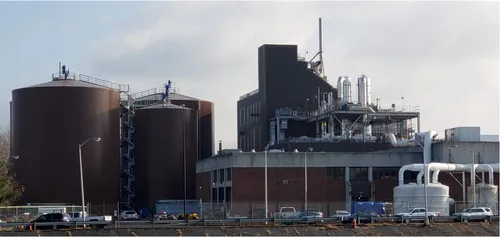
Trenton Renewables
1600 Lamberton Rd, Trenton, NJ 08611
Trenton Renewables is a food waste recycling and renewable energy company based in Trenton, NJ. They serve restaurants and other organizations by managing food waste through anaerobic digestion, converting it into renewable energy, premium compost, and recaptured packaging. The company operates as a Class I Renewable Energy Facility and is qualified under New Jersey's Food Waste Law. Their process helps reduce landfill waste and CO2 emissions while supporting environmental sustainability.
Understanding New Jersey's Food Waste Recycling Mandate
A key driver for commercial organics recycling in South Brunswick is New Jersey state law. The New Jersey Department of Environmental Protection (NJDEP) mandates that businesses generating 52 or more tons of food waste per year, located within 25 road miles of an authorized organics recycling facility, must separate and recycle their food waste 1. This regulation, under N.J.A.C. 7:26K, is designed to significantly reduce the volume of organic material sent to landfills and incinerators.
Who is affected? This typically includes large food processors, supermarkets, stadiums, and very high-volume restaurants or institutional cafeterias. If your establishment falls under this category, partnering with a licensed hauler is not optional-it's a compliance requirement. However, even if your business generates less than this threshold, voluntary participation is strongly encouraged and can offer tangible benefits. The state's definitions around solid waste and recycling provide the framework for these rules 2.
Local Services and Hauler Partnerships
South Brunswick Township's municipal waste collection primarily serves residents. For commercial entities, including restaurants, organic waste recycling is handled through private waste haulers 3. This means you will need to contract directly with a service provider that offers commercial food scrap collection.
One regional provider active in the area is Java's Compost, which offers tailored commercial pickup services for restaurants, cafes, grocery stores, and other food-related businesses. When evaluating providers, look for those specializing in organic waste recycling or commercial composting. Key service aspects to discuss include container provision, pickup frequency, and destination-ensuring your waste goes to a permitted composting facility or anaerobic digester.
Setting Up Your Kitchen for Success
Implementing a seamless organics recycling system requires planning and staff training. The first step is a waste audit: estimate how much food waste (pre-consumer prep scraps and post-consumer plate waste) your kitchen produces daily. This will help determine the size and number of collection containers you need.
Service providers typically supply the exterior collection bins, often 64-gallon carts with locking, sealed lids to control odor and pests. For inside the kitchen, you may receive smaller countertop pails or can use your own containers lined with certified compostable bags. Clear, multilingual signage above collection stations is crucial for proper sorting by busy kitchen and front-of-house staff.
Find the perfect composting & food waste companies for your needs
Get personalized recommendations and expert advice
What Goes In (and What Stays Out): Contamination Guidelines
Contamination is the biggest challenge for successful composting. Placing non-compostable items in the organics bin can ruin an entire load, leading to potential rejection and fees. Adhering to strict guidelines is non-negotiable.
ACCEPTABLE Food Waste & Materials:
- All food scraps: fruits, vegetables, meat, fish, dairy, bones, bread, and grains.
- Plate scrapings and leftover cooked food.
- Coffee grounds and filters, tea bags (staples removed).
- Food-soiled paper products: uncoated paper napkins, paper towels, and pizza boxes (only if contaminated by grease/food, with all plastic liners, cheese packets, and uneaten crusts removed) 4.
- Approved, certified compostable serviceware and bags (look for BPI or ASTM D6400 certification).
MAJOR CONTAMINANTS to EXCLUDE:
- Plastic bags (unless they are certified compostable) 5.
- Liquids, oils, and grease (these must be managed separately, often through grease trap services and used cooking oil collection).
- Traditional plastic, glass, metal, and Styrofoam packaging.
- Rubber bands, twist ties, and non-paper packaging.
- Sanitary products, diapers, or animal waste.
Scheduling, Logistics, and Cost Considerations
Your pickup schedule will be customized with your hauler based on your waste volume, kitchen space, and local regulations. Many restaurants start with weekly or bi-weekly service and adjust as needed. Ensure your staff knows the placement location for outdoor bins and the pickup day to avoid missed collections.
Participation costs are variable and depend on the frequency of service and the volume of organic waste collected. Most haulers charge a monthly service fee. A critical financial consideration is the potential for cost savings on your traditional trash disposal. By diverting heavy, wet food waste from your standard dumpster, you may be able to reduce the size of your trash container or the frequency of trash pickups, offsetting the cost of the composting service. Always request a detailed quote that compares your current total waste management costs against a proposed scenario with organics recycling.
Steps to Launch Your Program
- Assess and Measure: Track your food waste for a week to understand your generation patterns.
- Research and Contact: Reach out to local commercial organic waste haulers like Java's Compost for service details, pricing, and to confirm they service South Brunswick 6.
- Plan and Equip: Work with your chosen provider to select appropriate indoor and outdoor containers. Designate a clear, convenient collection area in your kitchen.
- Train and Communicate: Conduct thorough training for all staff. Use visual guides and hold brief refresher sessions. Make organics recycling part of your standard operating procedures.
- Monitor and Adapt: Check bins periodically for contamination. Provide feedback to staff and adjust your system as needed for efficiency.
By taking these steps, South Brunswick restaurants can effectively manage their organic waste, meet regulatory expectations, and demonstrate a commitment to sustainable business practices that resonate with the community and customers alike.
Frequently asked questions
Sources
Footnotes
-
Food Waste Recycling rules - https://dep.nj.gov/dshw/swpl/fw/food-waste-recycling-rules/ ↩
-
New Jersey Revised Statutes Section 13:1E-3 (2024) - Definitions. - https://law.justia.com/codes/new-jersey/title-13/section-13-1e-3/ ↩
-
Garbage Preparation - SouthBrunswick - https://southbrunswicknj.gov/public-works-home/garbage-recycling-division/garbage-preparation/ ↩
-
FAQs • Are cardboard pizza boxes recyclable? - Ridgewood, NJ - https://www.ridgewoodnj.net/FAQ.aspx?QID=120 ↩
-
This is a list of what we do not recycle in our container bins: http://wallnj ... - https://www.wallnj.gov/DocumentCenter/View/8845/5-How-and-Where-to-Recycle ↩
-
Commercial Compost Pickup Service - https://www.javascompost.com/commercial-pickup ↩