Find the Best Composting & Food Waste Companies for Your Business
No obligation • Fast responses • Nationwide coverage

Why you can trust Restaurant Waste Disposal
Restaurant Waste Disposal is a leading U.S. resource for comparing restaurant composting, food-waste recycling, grease trap cleaning, and used cooking oil collection services. Our editorial team researches providers, checks credentials, and organizes unbiased information so operators can make informed decisions. Companies cannot pay to change ratings or placement.
Search providers near you
Top Composting & Food Waste Companies in Sayreville, New Jersey Ranked
For restaurants in Sayreville, managing food scraps and organic waste is not just an environmental choice-it's increasingly a legal requirement. New Jersey's statewide Organic Waste Ban mandates that large-scale generators, including many restaurants, divert food waste from landfills to approved processing facilities. This means establishing a reliable system for food waste recycling is essential for compliance and sustainability. Sayreville's proximity to processing facilities places local businesses squarely under these regulations, making it crucial to understand the available collection options, container types, and best practices for separating organic material.
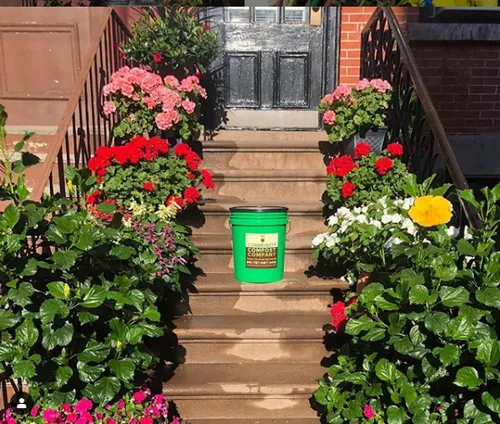
Community Compost Company
1501 Madison St, Hoboken, NJ 07030
Community Compost Company provides food waste collection and composting services for restaurants and residents in New York, NY. They offer a simple system where customers collect food scraps in provided buckets for weekly pickup. The company recycles all types of food waste, including meats and dairy, transforming it into nutrient-rich compost that supports soil health and reduces landfill waste. Community Compost Company is committed to environmental education and making composting accessible to everyone.

Green Bucket Compost
Woodbridge, NJ
Green Bucket Compost is a food waste and composting service based in Woodbridge, NJ, focused on diverting food waste from landfills through sustainable methods. They work with anaerobic digestion facilities like Trenton Renewables to process all types of food waste, including packaging, turning it into renewable energy and compost. Their services cover residential pickups, commercial food waste management for restaurants, hotels, and schools, as well as municipal drop-off and curbside collection programs across several New Jersey counties and towns. Founded by Isaiah Green, the company emphasizes scalable and efficient waste diversion solutions to support community sustainability goals.
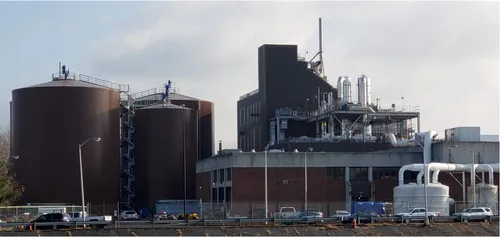
Trenton Renewables
1600 Lamberton Rd, Trenton, NJ 08611
Trenton Renewables is a food waste recycling and renewable energy company based in Trenton, NJ. They serve restaurants and other organizations by managing food waste through anaerobic digestion, converting it into renewable energy, premium compost, and recaptured packaging. The company operates as a Class I Renewable Energy Facility and is qualified under New Jersey's Food Waste Law. Their process helps reduce landfill waste and CO2 emissions while supporting environmental sustainability.
Understanding New Jersey's Organic Waste Ban
The cornerstone of commercial food scrap diversion in Sayreville is N.J.S.A. 7:26K, commonly known as the Organic Waste Ban. This regulation requires businesses that generate more than 52 tons of food waste per year (approximately one ton per week) to ensure it is recycled rather than sent to a landfill. Given that Sayreville is within 25 miles of authorized composting or anaerobic digestion facilities, this law is fully in effect for qualifying establishments. The first step for any restaurant owner is to conduct a waste audit to estimate annual output and determine if they meet the threshold for mandatory compliance.
Commercial Collection Services and Providers
Since Sayreville does not operate a municipal commercial organics collection program, restaurants must contract with private waste haulers. These providers offer dedicated bins and regular pickup schedules tailored to a business's volume.
- Major Service Providers: National companies like Waste Management and Republic Services, as well as regional operators, service the Sayreville area. These haulers are familiar with NJDEP guidelines and can facilitate the transport of organic waste to approved facilities.
- Getting a Quote: Costs are not standardized and vary based on several factors. You will need to contact providers directly for a tailored quote. Be prepared to discuss your estimated weekly volume, desired pickup frequency, and any specific container needs.
Container Types and On-Site Management
Proper on-site containment is critical for hygiene, odor control, and efficient collection. Haulers typically supply the necessary equipment.
- Standard Options: Most restaurants utilize wheeled carts, such as 64-gallon or 96-gallon models, which are easy to maneuver and have secure lids. For higher-volume establishments, dedicated dumpsters or compactors may be provided1.
- Kitchen Collection: To facilitate easy sorting for staff, many kitchens use smaller, lidded pails (often 5-10 gallons) lined with certified compostable bags. These are then emptied into the larger outdoor carts or dumpsters.
- Liners and Labels: Using hauler-approved compostable bag liners can keep containers clean. Clear labeling on all bins-for both front and back-of-house staff-helps prevent contamination.
Pickup Schedules and Logistics
Collection frequency is negotiated with your hauler and is based on your waste generation rate and storage capacity.
- Typical Frequency: Most restaurants with moderate organic waste output schedule weekly or bi-weekly pickups. High-volume establishments like large banquet halls may require more frequent service.
- Scheduling: Pickups are often scheduled for early morning to avoid peak business hours. It's important to ensure your containers are accessible and not blocked on your scheduled service day.
Strict Contamination Guidelines
Maintaining a clean stream of organic material is paramount. Contaminated loads can be rejected by processors, resulting in additional fees from your hauler.
- What's ACCEPTABLE: All food scraps, including meat, bones, dairy, fruits, vegetables, and bread. Soiled paper products like napkins, paper towels, and uncoated pizza boxes are also acceptable. Food-soiled containers are only allowed if they are certified compostable.
- What's NOT ACCEPTABLE (NO Exceptions): Plastics (including so-called "bioplastic" utensils unless certified), metals, glass, rubber, and liquids. Even a small amount of plastic wrap or a soda can render a load contaminated.
Find the perfect composting & food waste companies for your needs
Get personalized recommendations and expert advice
Estimating Costs and Potential Savings
Pricing for commercial food waste collection is highly variable. Understanding the cost structure can help in budgeting and identifying potential savings.
- Cost Factors: Your final price will depend on the volume of waste, pickup frequency, type of container provided, and the hauler's specific rates. Distance to the processing facility also plays a role.
- Sample Cost Ranges: For a smaller restaurant, base service fees might start in the range of $100 to $300 per month. Costs can also be volume-based, such as $50 to $100+ per cubic yard collected2.
- Offsetting Expenses: Diverting organics can reduce the volume and weight of your general trash, potentially lowering your standard waste disposal costs. The tipping fees for organic waste are often lower than those for landfill-bound trash, creating an opportunity for net savings when programs are run efficiently.
Action Plan for Sayreville Restaurants
Taking the first steps toward compliance and sustainability is straightforward.
- Conduct a Waste Audit: Track your food waste for a week to estimate your annual tonnage. This will clarify your legal requirements and service needs.
- Research Approved Haulers: Contact several private waste collection companies that service Sayreville and offer commercial organics recycling. The NJDEP website maintains a list of approved food waste processors, which can guide you to compliant haulers.
- Request Detailed Proposals: When getting quotes, ask specific questions about container options, pickup schedules, contamination policies, and all associated fees.
- Implement Staff Training: The success of your program depends on proper sorting. Create simple guides and conduct training sessions for all employees to ensure clean, uncontaminated organics are collected.
Frequently asked questions
Sources
Footnotes
-
Garbage collection guidelines and schedule - Somerville, NJ - https://www.somervillenj.org/garbage-collection-guidelines-and-schedule/ ↩
-
NJDEP| Division of Sustainable Waste Management | Food Waste Recycling rules - https://dep.nj.gov/dshw/swpl/fw/food-waste-recycling-rules/ ↩