
Find the Best Composting & Food Waste Companies for Your Business
No obligation • Fast responses • Nationwide coverage

Why you can trust Restaurant Waste Disposal
Restaurant Waste Disposal is a leading U.S. resource for comparing restaurant composting, food-waste recycling, grease trap cleaning, and used cooking oil collection services. Our editorial team researches providers, checks credentials, and organizes unbiased information so operators can make informed decisions. Companies cannot pay to change ratings or placement.
Search providers near you
Top Composting & Food Waste Companies in Plainfield, New Jersey Ranked
For restaurants in Plainfield, managing food scraps and organic waste is a critical component of both operational efficiency and environmental responsibility. While the Village of Plainfield does not operate a universal municipal food scrap program for commercial entities, local businesses have access to robust private-sector solutions for diverting waste from landfills. Implementing a food waste recycling program can reduce trash volumes, potentially lower disposal costs, and demonstrate a commitment to sustainability that resonates with the community. This guide outlines the pathways, requirements, and best practices for establishing a successful organics diversion system for your restaurant.
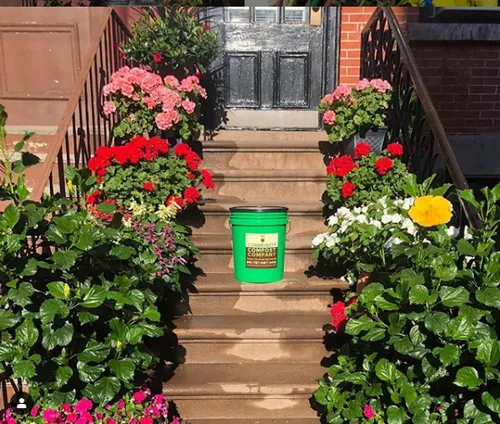
Community Compost Company
1501 Madison St, Hoboken, NJ 07030
Community Compost Company provides food waste collection and composting services for restaurants and residents in New York, NY. They offer a simple system where customers collect food scraps in provided buckets for weekly pickup. The company recycles all types of food waste, including meats and dairy, transforming it into nutrient-rich compost that supports soil health and reduces landfill waste. Community Compost Company is committed to environmental education and making composting accessible to everyone.

Green Bucket Compost
Woodbridge, NJ
Green Bucket Compost is a food waste and composting service based in Woodbridge, NJ, focused on diverting food waste from landfills through sustainable methods. They work with anaerobic digestion facilities like Trenton Renewables to process all types of food waste, including packaging, turning it into renewable energy and compost. Their services cover residential pickups, commercial food waste management for restaurants, hotels, and schools, as well as municipal drop-off and curbside collection programs across several New Jersey counties and towns. Founded by Isaiah Green, the company emphasizes scalable and efficient waste diversion solutions to support community sustainability goals.
Understanding Your Commercial Options
The primary route for Plainfield restaurants to handle food waste is through private waste and recycling haulers. National providers like Waste Management and Republic Services, as well as regional companies, offer commercial organics collection services. This model requires businesses to contract directly with a hauler, tailoring service levels to their specific waste generation volume and frequency needs. It's important to note that these services are separate from any residential composting initiatives and are structured as a dedicated commercial offering, often with distinct pricing and container systems.
Engaging a private hauler provides flexibility. You can start with a pilot program for kitchen prep waste and scale up to include post-consumer food scraps and certified compostable serviceware. The first step is to review your current waste disposal bill or contact your existing provider to inquire about adding organics collection. Many haulers can integrate food waste pickup with your regular trash and recycling schedule, streamlining logistics for your staff.
Program Setup and Container Logistics
Eligibility for these programs is straightforward: any restaurant generating food waste can participate by signing a service agreement with a hauler. The setup process involves an assessment of your waste stream to determine the appropriate container size and collection frequency.
Common Container Types:
- 64-Gallon or 96-Gallon Wheeled Carts: These are the standard for many restaurants with moderate food scrap volume. They are maneuverable, have locking lids to deter pests, and are provided by the hauler.
- Larger Dumpsters or Roll-Off Containers: For high-volume establishments like large banquet halls or very busy kitchens, a dedicated dumpster for organics may be necessary.
A crucial component of setup is the use of compostable bin liners. Haulers and processing facilities typically require liners certified compostable (e.g., PLA-lined) to keep containers clean and, most importantly, to prevent contamination of the finished compost. Never use conventional plastic bags, as they are a major contaminant.
Mastering Contamination Guidelines
The success of any commercial composting program hinges on preventing contamination. Contaminated loads can be rejected by processors, leading to wasted effort and potential fees. Clear signage and staff training are essential.
What CAN Be Composted:
- All food scraps: fruits, vegetables, meat, bones, dairy, and grains.
- Coffee grounds and paper filters.
- Soiled, non-recyclable paper products like napkins, paper towels, and uncoated cardboard food boats.
- Certified compostable packaging and serviceware (look for logos like BPI).
What CANNOT Be Composted (Common Contaminants):
- Plastic bags, wrap, or containers (even if labeled "biodegradable").
- Glass, metal, or styrofoam.
- Liquids (oil, broth, soda)-these should be drained separately.
- Traditional plastic utensils or straws.
- Rubber bands or twist ties.
Establishing separate, clearly labeled collection stations in the kitchen and dishwashing area is the most effective way to ensure clean separation from the start 1.
Find the perfect composting & food waste companies for your needs
Get personalized recommendations and expert advice
Scheduling and Operational Workflow
Pickup schedules are highly variable and are set based on your business's needs and the hauler's route logistics. A common schedule for a mid-sized restaurant might be 3 to 5 times per week to prevent odor and pest issues. When discussing service, consider:
- Peak generation times: Do you need pickup after weekend rushes or large catering events?
- Storage space: How many containers can you store on-site between pickups?
- Seasonality: Volume may fluctuate; some contracts allow for seasonal schedule adjustments.
Integrating the new workflow is key. Designate a staff member to be the "organics champion" to monitor the bins and educate new hires. The goal is to make separating food waste as habitual as separating recyclables.
Analyzing Costs and Potential Savings
Participation costs for commercial food waste composting vary widely based on several factors. You can typically expect a monthly fee structured in one of two ways:
- Per-Pickup or Per-Yard Fee: A charge each time the container is serviced or based on the volume (in cubic yards) collected.
- Bundled Service Discount: Some haulers offer a reduced rate if you bundle organics collection with your trash and recycling services, as it streamlines their collection route.
While there is an added cost for the separate organics stream, many restaurants find an overall cost neutral or savings because their general trash volume-and associated disposal fees-decreases significantly. Removing heavy, wet food waste from the trash can also reduce the weight of your garbage, which is another factor in pricing. Expect potential monthly fees to range broadly, from $50 to $200 or more, depending entirely on your specific volume and service agreement 2.
Local Resources and Next Steps
While the Village of Plainfield may not run a collection program, it is a valuable resource for information on sustainability initiatives. Checking the Village website or contacting the Plainfield Chamber of Commerce can provide connections to local waste reduction programs or bulk-purchasing cooperatives for compostable supplies 3.
Your Action Plan:
- Audit Your Waste: Spend a week tracking how much food waste you generate to inform your service needs.
- Contact Your Hauler: Call your current waste provider first to ask about organics add-ons and pricing.
- Get Competitive Quotes: Reach out to other regional haulers like Republic Services or 121 Disposal for comparative service proposals 4.
- Train Your Team: Before the first pickup, hold a training session with clear "DOs and DON'Ts."
- Promote Your Efforts: Let your customers know you compost! It's a powerful marketing message that aligns with growing consumer values around sustainability.
Frequently asked questions
Sources
Footnotes
-
Composting - USDA - https://www.usda.gov/about-usda/general-information/initiatives-and-highlighted-programs/peoples-garden/food-access-food-waste/composting ↩
-
Compostable Waste Collections - https://epa.illinois.gov/topics/waste-management/materials-management/composting/compostable-waste-collections.html ↩
-
Village of Plainfield - https://www.plainfieldfpd.org/wp-content/uploads/2025/08/New-WM-Brochure-2023.pdf ↩
-
Waste Disposal for Restaurants | 121 Disposal | Commercial Waste - https://121disposal.com/2025/04/29/commercial-waste-waste-disposal-for-restaurants/ ↩