Find the Best Composting & Food Waste Companies for Your Business
No obligation • Fast responses • Nationwide coverage

Why you can trust Restaurant Waste Disposal
Restaurant Waste Disposal is a leading U.S. resource for comparing restaurant composting, food-waste recycling, grease trap cleaning, and used cooking oil collection services. Our editorial team researches providers, checks credentials, and organizes unbiased information so operators can make informed decisions. Companies cannot pay to change ratings or placement.
Search providers near you
Top Composting & Food Waste Companies in Piscataway, New Jersey Ranked
For restaurant owners and food service operators in Piscataway, managing organic waste is no longer just an environmental consideration-it's a regulatory and operational necessity. New Jersey's progressive food waste recycling laws require many commercial establishments to separate and divert their organic material from landfills. While Piscataway Township provides robust residential recycling services, commercial food scrap collection for restaurants typically falls to private waste haulers. Navigating this landscape involves understanding state mandates, selecting the right service provider, and implementing effective internal separation practices to ensure compliance, potentially reduce disposal costs, and contribute to the state's sustainability goals. This guide breaks down the essential steps and considerations for establishing a successful food waste diversion program in your Piscataway establishment.
Community Compost Company
1501 Madison St, Hoboken, NJ 07030
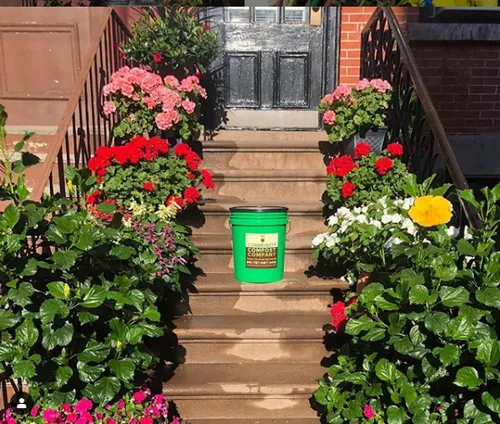
Community Compost Company provides food waste collection and composting services for restaurants and residents in New York, NY. They offer a simple system where customers collect food scraps in provided buckets for weekly pickup. The company recycles all types of food waste, including meats and dairy, transforming it into nutrient-rich compost that supports soil health and reduces landfill waste. Community Compost Company is committed to environmental education and making composting accessible to everyone.

Green Bucket Compost
Woodbridge, NJ
Green Bucket Compost is a food waste and composting service based in Woodbridge, NJ, focused on diverting food waste from landfills through sustainable methods. They work with anaerobic digestion facilities like Trenton Renewables to process all types of food waste, including packaging, turning it into renewable energy and compost. Their services cover residential pickups, commercial food waste management for restaurants, hotels, and schools, as well as municipal drop-off and curbside collection programs across several New Jersey counties and towns. Founded by Isaiah Green, the company emphasizes scalable and efficient waste diversion solutions to support community sustainability goals.
Trenton Renewables
1600 Lamberton Rd, Trenton, NJ 08611
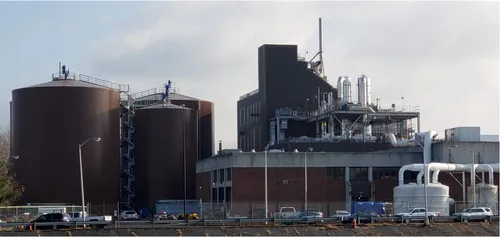
Trenton Renewables is a food waste recycling and renewable energy company based in Trenton, NJ. They serve restaurants and other organizations by managing food waste through anaerobic digestion, converting it into renewable energy, premium compost, and recaptured packaging. The company operates as a Class I Renewable Energy Facility and is qualified under New Jersey's Food Waste Law. Their process helps reduce landfill waste and CO2 emissions while supporting environmental sustainability.
Understanding New Jersey's Food Waste Recycling Law
The cornerstone of commercial organics recycling in Piscataway is the New Jersey Food Waste Recycling Law, enacted in 2020. This regulation mandates that large generators of food waste must source-separate their organic material if they are located within 25 road miles of an authorized food waste recycling facility. A "large generator" is defined as any commercial entity that produces an estimated 52 or more tons of food waste per year. For context, this threshold often applies to large restaurants, supermarkets, food processors, and institutional cafeterias.
The law is designed to significantly reduce the volume of organic material entering landfills, where it decomposes and produces methane, a potent greenhouse gas. By diverting this stream to composting facilities or anaerobic digesters, the state aims to create renewable energy and nutrient-rich soil amendments. It's crucial for Piscataway restaurant operators to assess their annual waste output. If you meet or exceed the 52-ton threshold, implementing a source separation program is not optional-it's a legal requirement enforced by the New Jersey Department of Environmental Protection (NJDEP).
Commercial Recycling Requirements for All Businesses
Beyond the specific food waste law, New Jersey has long required all businesses, including every restaurant and food service establishment in Piscataway, to recycle. The state's mandatory commercial recycling regulations mean you cannot simply throw all your waste into a single dumpster bound for the landfill. Your business is obligated to recycle designated materials like cardboard, paper, glass, and metals.
Increasingly, local enforcement and waste audits are treating food scraps as a key recyclable stream. Even if your restaurant generates slightly less than 52 tons annually, proactively instituting an organics recycling program demonstrates compliance with the broader spirit of the law, can improve your sustainability profile, and may prepare you for future regulatory changes that could lower the mandatory threshold. Developing a formal Commercial Recycling Plan that includes food waste is a responsible step for any food service business.
Service Options: Municipal vs. Private Haulers
Piscataway Township's Department of Public Works provides comprehensive recycling and solid waste services for residents. However, for commercial entities like restaurants, the township does not explicitly list municipal food waste collection as a standard service. This means the primary avenue for restaurant owners is to contract with a private waste and recycling hauler.
Private haulers are equipped to handle the specific needs of commercial food waste. Major national providers like Waste Management and Republic Services operate in the area, along with potential regional or local waste companies. These providers offer tailored commercial organics recycling services, including the supply of appropriate containers, establishment of pickup schedules, and transportation of the material to permitted composting or anaerobic digestion facilities. Your first action step should be to contact several haulers to request quotes and service details tailored to your establishment's size and output.
Setting Up Your System: Containers and Contamination
Once you've selected a hauler, they will typically provide the specialized containers needed for food scrap collection. These are often 32-gallon to 96-gallon wheeled carts with tight-sealing lids to control odors and pests, or even larger dumpsters for high-volume producers. It's critical to place these containers in a practical location for your kitchen staff, such as near food prep areas and dish pits.
The single most important rule for a successful program is avoiding contamination. Contaminated loads can be rejected by processing facilities, resulting in disposal fees and wasted effort. Only acceptable materials should go into the food waste bin:
- Food scraps (vegetable peels, meat trimmings, plate scrapings, spoiled inventory)
- Coffee grounds and filters
- Tea bags (without staples)
- Approved compostable bags or liners (verify brand with your hauler)
STRICTLY PROHIBITED items include:
- Plastic bags (unless certified compostable)
- Packaging of any kind
- Glass, metal, or plastic
- Liquids, fats, and oils (these require separate grease trap or used cooking oil services)
- Sanitary products or paper towels 1
Clear signage and staff training are essential to maintain a clean stream.
Collection Schedules and Logistics
Pickup frequency is a key part of your service contract and will be determined by your volume of food waste and the capacity of your containers. For a busy restaurant, weekly collection is common, though some may require bi-weekly or even more frequent pickups to prevent overflow and odor issues. Your hauler will work with you to establish a reliable schedule that aligns with your production cycles. Ensure your staff knows the pickup day so containers are accessible and placed correctly for collection. Proper logistics planning prevents missed pickups and ensures a smooth, continuous recycling loop.
Cost Considerations and Potential Savings
The cost for commercial food waste recycling services in Piscataway is variable and depends on several factors: the volume (tonnage) of waste you generate, the frequency of collection, the type and number of containers provided, and the length of your service contract2 3. For a smaller restaurant, monthly costs might start in the range of $50 to $200, while large-scale generators can see costs running into the hundreds of dollars per month.
It's important to view this cost in a broader financial context. Landfilling waste in New Jersey is subject to a Sanitary Landfill Tax. By diverting a heavy, wet stream like food waste from your regular trash, you can significantly reduce the volume and weight of your landfill-bound waste, thereby lowering your associated trash hauling and tipping fees. In some cases, these savings can partially offset the cost of the new recycling service. When requesting quotes, ask haulers to help you analyze the potential for overall waste cost reduction.
Find the perfect composting & food waste companies for your needs
Get personalized recommendations and expert advice
Developing an Internal Food Waste Separation Plan
Success starts in the kitchen. A simple, clear internal plan is vital for staff buy-in and program efficacy. Here's a basic framework:
- Conduct a Waste Audit: Spend a week tracking what and how much food waste you generate. This helps right-size your service.
- Designate Collection Points: Place clearly labeled food waste bins in strategic locations: prep stations, the dishwashing area, and anywhere food is plated or discarded.
- Train Your Team: Hold a brief training session for all staff. Explain the why (state law, environmental benefits) and the how (what goes in, what stays out). Use visual aids.
- Assign Responsibility: Designate a staff member (e.g., a kitchen manager) to monitor bin contamination and serve as the point of contact for the hauler.
- Communicate Your Efforts: Let your customers know you recycle food scraps. It's a positive message that aligns with growing consumer preference for sustainable businesses.
Local Resources and Verification
While private haulers are your main service partners, it's wise to touch base with local authorities. You can contact the Piscataway Division of Recycling & Solid Waste to verify there are no additional local ordinances that supersede or supplement state rules4. They may also have resources or lists of recommended service providers. Furthermore, the NJDEP's Sustainability and Outreach programs offer extensive online resources for businesses seeking to understand and comply with recycling regulations5.
Taking proactive steps to manage your restaurant's food waste in Piscataway is a smart business decision. It ensures compliance with state law, can streamline your overall waste management costs, and positions your establishment as a community leader in sustainability. Start by researching haulers, educating your team, and building a plan that turns waste into a resource.
Frequently asked questions
Sources
Footnotes
-
Garbage collection guidelines and schedule - Somerville, NJ - https://www.somervillenj.org/garbage-collection-guidelines-and-schedule/ ↩
-
Food Waste Recycling rules - https://dep.nj.gov/dshw/swpl/fw/food-waste-recycling-rules/ ↩
-
New Jersey Division of Taxation - Sanitary Landfill Tax - https://www.nj.gov/treasury/taxation/landfill.shtml ↩
-
Division of Recycling & Solid Waste - https://www.piscatawaynj.org/departments/public_works/recycling_and_solid_waste.php ↩
-
Sustainability | Recycling Resources - NJDEP - https://dep.nj.gov/sustainability/outreach-and-education/recycling-resources/ ↩