Find the Best Composting & Food Waste Companies for Your Business
No obligation • Fast responses • Nationwide coverage

Why you can trust Restaurant Waste Disposal
Restaurant Waste Disposal is a leading U.S. resource for comparing restaurant composting, food-waste recycling, grease trap cleaning, and used cooking oil collection services. Our editorial team researches providers, checks credentials, and organizes unbiased information so operators can make informed decisions. Companies cannot pay to change ratings or placement.
Search providers near you
Top Composting & Food Waste Companies in Parsippany-Troy Hills, New Jersey Ranked
For restaurant owners and food service operators in Parsippany-Troy Hills, managing organic waste is a critical operational and environmental responsibility. New Jersey's progressive food waste recycling regulations, combined with the lack of a municipal commercial composting program, mean that establishing a private hauler contract is essential for compliance and sustainability. This guide outlines the key steps, local requirements, and practical considerations for successfully implementing a food scrap diversion program in your establishment, helping you reduce landfill contributions and potentially lower overall waste management costs.
Understanding the regulatory landscape is the first step. New Jersey's Food Waste Recycling Law mandates that commercial food waste generators producing more than 52 tons of organic material per year must separate and recycle this waste if they are located within 25 road miles of an authorized recycling facility 1. Given Parsippany's location in Morris County and the proximity to several processing facilities, most medium-to-large restaurants, hotels, and institutional kitchens in the area are likely subject to this requirement. The 52-ton threshold equates to roughly one ton of food waste per week, a volume that many busy dining establishments can reach. It is crucial to assess your annual output to determine your legal obligations.
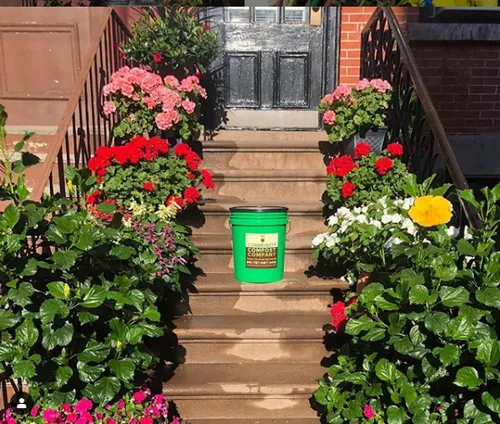
Community Compost Company
1501 Madison St, Hoboken, NJ 07030
Community Compost Company provides food waste collection and composting services for restaurants and residents in New York, NY. They offer a simple system where customers collect food scraps in provided buckets for weekly pickup. The company recycles all types of food waste, including meats and dairy, transforming it into nutrient-rich compost that supports soil health and reduces landfill waste. Community Compost Company is committed to environmental education and making composting accessible to everyone.

Ag Choice
93 Stickles Pond Rd, Newton, NJ 07860
Ag Choice is a commercial food waste composter based in Woodbridge, NJ. The company specializes in composting a wide range of organic materials, including food waste from restaurants, leaves, and manufacturing organics such as coffee and nut products. Since beginning operations in July 2006, Ag Choice has processed over 270,000 cubic yards of recyclable material and diverted more than 95,000 tons of food waste from landfills and incinerators. The company also developed a single-serve capsule recycling program in the U.S.
Green Bucket Compost
Woodbridge, NJ
Green Bucket Compost is a food waste and composting service based in Woodbridge, NJ, focused on diverting food waste from landfills through sustainable methods. They work with anaerobic digestion facilities like Trenton Renewables to process all types of food waste, including packaging, turning it into renewable energy and compost. Their services cover residential pickups, commercial food waste management for restaurants, hotels, and schools, as well as municipal drop-off and curbside collection programs across several New Jersey counties and towns. Founded by Isaiah Green, the company emphasizes scalable and efficient waste diversion solutions to support community sustainability goals.
Navigating New Jersey's Organic Waste Regulations
Compliance begins with knowing the law. The state's mandate is designed to divert significant volumes of organic material from landfills, where it decomposes and produces methane, a potent greenhouse gas. For covered entities in Parsippany-Troy Hills, this means you cannot commingle food scraps with your general trash stream. The township itself does not provide a municipal collection service for commercial food waste, so responsibility falls on the business to secure a contract with a licensed private hauler. These haulers are approved to transport organic waste to permitted composting or anaerobic digestion facilities. Non-compliance for covered generators can result in violations, so partnering with a reputable provider is not just an environmental choice but a legal and operational necessity.
Selecting a Food Waste Hauler and Service Setup
The cornerstone of your program is choosing the right service provider. Several licensed haulers operate in Morris County, including companies like Recycle Track Systems (RTS) and Java's Compost. It is advisable to contact multiple providers to request quotes and service details. When evaluating proposals, consider the following key service elements:
- Container Types and Sizes: Haulers typically provide wheeled carts in standard sizes such as 20, 35, 64, or 96 gallons 2. The right size depends on your volume and kitchen space; starting with a slightly larger bin can prevent overflow, while a correctly sized bin ensures cost-efficiency.
- Collection Frequency: Services are usually tailored to your needs, with weekly or bi-weekly pickup being most common. A high-volume restaurant may require multiple weekly pickups, while a smaller cafe might manage with a bi-weekly schedule. Your hauler will help determine the optimal frequency.
- Cost Structure: Pricing is not standardized and varies by hauler, container size, and pickup frequency. Monthly costs can range significantly, from approximately $50 to over $200, and this is typically a separate line item from your regular trash and recycling services 3. Be sure to understand all fees, including potential charges for container delivery, liner supplies, or contamination.
What Goes In (and Stays Out) of the Compost Bin
A successful program hinges on proper sorting to avoid contamination, which can disrupt the composting process and lead to service issues or extra fees. Clear guidelines and consistent staff training are paramount.
Accepted Materials (Always confirm with your specific hauler):
- Pre-Consumer Waste: Vegetable peelings, fruit cores, eggshells, coffee grounds, tea bags (staples removed), and outdated pantry items.
- Post-Consumer Waste: Plate scrapings and uneaten food from customer plates.
- Soiled Paper Products: Uncoated paper napkins, paper towels, and pizza boxes (free of wax lining or plastic) are often accepted.
Strictly Prohibited Contaminants:
- Plastics: No conventional plastic bags, packaging, or utensils. Some haulers may accept certified compostable bags-always verify first.
- Liquids: Oils, soups, and beverages must be kept out. Grease and used cooking oil require separate recycling streams.
- Non-Organic Materials: Glass, metal, foil, Styrofoam, and rubber gloves are not compostable and must be excluded.
Find the perfect composting & food waste companies for your needs
Get personalized recommendations and expert advice
Implementing an Effective Kitchen Workflow
Transitioning to food waste separation requires planning and team engagement. Start by conducting a waste audit to estimate your weekly volume of compostable material. This data will inform your choice of container size and collection frequency. Place clearly labeled collection bins in key prep and dishwashing areas, using visuals or color-coding to distinguish them from trash and recycling. Develop a simple training protocol for all staff, emphasizing the cost of contamination and the environmental benefits. Many haulers offer support materials, like bin labels and training guides, to assist with rollout. Regularly audit your compost stream to ensure it remains clean and provide feedback to your team.
The Broader Benefits Beyond Compliance
While regulatory adherence is the primary driver, a robust food waste recycling program delivers additional advantages. Diverting organics can reduce the volume and frequency of your general trash service, potentially offsetting some of the new composting costs. It also enhances your establishment's sustainability profile, a factor increasingly valued by customers and the community. Furthermore, by converting waste into nutrient-rich compost, your business contributes to a circular economy, supporting local agriculture and soil health. Managing grease trap waste and used cooking oil through dedicated recyclers complements your food scrap efforts, creating a comprehensive organic waste management strategy that minimizes environmental impact and operational risk.
Frequently asked questions
Sources
Footnotes
-
Food Waste Recycling rules - https://dep.nj.gov/dshw/swpl/fw/food-waste-recycling-rules/ ↩
-
Commercial Compost Pickup Service - https://www.javascompost.com/commercial-pickup ↩
-
How to recycle food waste in New Jersey - A guide - https://www.rts.com/blog/how-to-recycle-food-waste-in-new-jersey-a-guide/ ↩