Find the Best Composting & Food Waste Companies for Your Business
No obligation • Fast responses • Nationwide coverage

Why you can trust Restaurant Waste Disposal
Restaurant Waste Disposal is a leading U.S. resource for comparing restaurant composting, food-waste recycling, grease trap cleaning, and used cooking oil collection services. Our editorial team researches providers, checks credentials, and organizes unbiased information so operators can make informed decisions. Companies cannot pay to change ratings or placement.
Search providers near you
Top Composting & Food Waste Companies in Newark, New Jersey Ranked
For Newark's vibrant restaurant scene, managing food scraps and organic waste is not just an environmental consideration-it's a regulatory and operational necessity. New Jersey state law mandates that large-scale generators of food waste, including many restaurants, supermarkets, and hotels, must recycle their organic material if they meet specific criteria. This creates a structured framework for commercial food waste recycling, moving beyond voluntary green initiatives to a required component of waste management. Navigating this mandate involves understanding eligibility, partnering with private haulers, and implementing effective source separation practices to turn potential landfill waste into valuable compost or energy.
Understanding the state's requirements is the first critical step for any Newark food business. The mandate applies to commercial entities that generate 52 tons or more of food waste per year and are located within 25 road miles of an authorized recycling facility. Given Newark's dense urban environment and proximity to several processing facilities in the region, many medium-to-large restaurants and institutional kitchens will find they fall under this rule. The New Jersey Department of Environmental Protection (NJDEP) enforces these source separation rules, which require covered businesses to keep food waste out of the general trash stream entirely1.
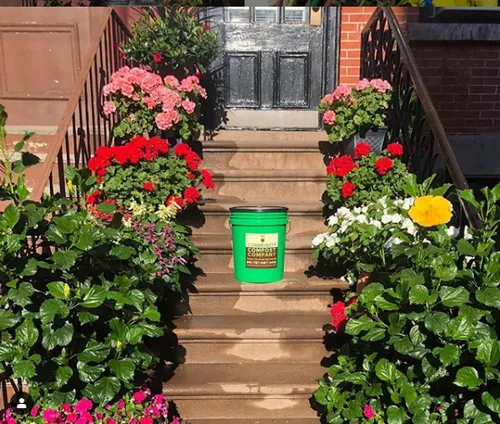
Community Compost Company
1501 Madison St, Hoboken, NJ 07030
Community Compost Company provides food waste collection and composting services for restaurants and residents in New York, NY. They offer a simple system where customers collect food scraps in provided buckets for weekly pickup. The company recycles all types of food waste, including meats and dairy, transforming it into nutrient-rich compost that supports soil health and reduces landfill waste. Community Compost Company is committed to environmental education and making composting accessible to everyone.

Green Bucket Compost
Woodbridge, NJ
Green Bucket Compost is a food waste and composting service based in Woodbridge, NJ, focused on diverting food waste from landfills through sustainable methods. They work with anaerobic digestion facilities like Trenton Renewables to process all types of food waste, including packaging, turning it into renewable energy and compost. Their services cover residential pickups, commercial food waste management for restaurants, hotels, and schools, as well as municipal drop-off and curbside collection programs across several New Jersey counties and towns. Founded by Isaiah Green, the company emphasizes scalable and efficient waste diversion solutions to support community sustainability goals.
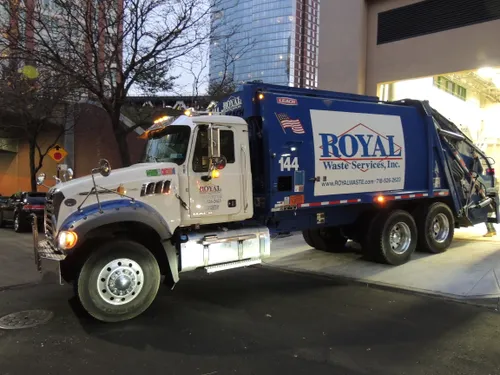
Royal Waste Services
187-40 Hollis Ave, Jamaica, NY 11423
Royal Waste Services provides comprehensive waste management solutions in New York, NY, specializing in food waste composting, trash pickup, single stream recycling, dumpster rentals, and bulk waste removal. Serving Manhattan, Bronx, Brooklyn, and Queens, they operate 24/7 to support businesses with sustainable waste diversion strategies. With over 25 years of experience, Royal Waste owns and operates in-house recycling facilities to ensure environmentally responsible disposal and compliance with NYC commercial recycling laws.
Understanding New Jersey's Food Waste Recycling Mandate
The state's organic waste recycling law is designed to divert significant volumes of material from landfills, where it would decompose and produce methane, a potent greenhouse gas. For a Newark restaurant, the 52-ton annual threshold is a key figure. To put it in perspective, that equates to roughly 1,000 pounds of food waste per week. Establishments with high-volume dining, extensive prep work, or buffet-style service should carefully assess their output. The law specifically targets "food waste generators," including restaurants, food processors, hospitals, and universities, making the hospitality and food service sector a primary focus for compliance2 3.
Who is Required to Compost in Newark?
Eligibility under the mandate hinges on two factors: the amount of waste generated and geographic proximity. A Newark restaurant must estimate its annual food waste production. If it meets or exceeds the 52-ton threshold, and an authorized composting or anaerobic digestion facility operates within a 25-mile radius, the business is legally obligated to arrange for recycling. Newark's location in the densely populated Northeast corridor means this proximity requirement is almost certainly met, placing the onus on waste volume. It's advisable for businesses to conduct a waste audit-tracking prep scraps, plate waste, and spoiled inventory over a period-to accurately determine their status.
Setting Up Commercial Organics Collection
Since the City of Newark's municipal services focus on residential recycling and trash4, commercial food waste collection is handled by the private sector. Covered businesses must contract with a licensed private hauler that offers organic waste collection services. This is a fundamental shift from simply having a dumpster for all waste; it requires establishing a separate service line for organics.
Choosing a Hauler and Service Type
Several regional and national waste management companies service Newark, offering tailored programs for food scrap collection. When contacting providers, restaurants should inquire about:
- Container Types: Haulers typically provide leak-proof, durable bins designed for kitchen environments. These might be wheeled carts, lidded pails, or specialized containers that fit into prep areas.
- Collection Schedules: Frequency can range from daily pickups for high-volume establishments to weekly or even on-demand service. The schedule should align with your kitchen's production to avoid odor or pest issues.
- Service Scope: Confirm what materials the hauler accepts. Most want source-separated food scraps, but some may also accept certified compostable serviceware or soiled paper like napkins.
Getting multiple quotes is recommended, as costs can vary based on volume, frequency, and the hauler's processing partnerships.
The Critical Role of Source Separation
Success in food waste recycling depends entirely on proper separation at the source. Contamination with plastic, glass, or regular trash can render an entire load unrecyclable, leading to rejection and potential fines. The NJDEP's rules emphasize clean streams of organic material5.
What Typically Goes In:
- Fruit and vegetable scraps (peels, cores, rinds)
- Meat, fish, and bones (check with hauler)
- Dairy products
- Bread, grains, and pasta
- Coffee grounds and filters
- Plate scrapings (post-consumer waste)
- Soiled, non-recyclable paper (e.g., uncoated napkins, depending on hauler)
What Must Stay Out:
- Plastic wrap, bags, or packaging
- Glass, metal, or Styrofoam
- Rubber bands, twist ties
- Liquids like cooking oil or grease (these require separate recycling)
- Traditional plastic serviceware, even if labeled "biodegradable"6
Find the perfect composting & food waste companies for your needs
Get personalized recommendations and expert advice
Operational Best Practices for Kitchen Staff
Implementing a new waste stream requires training and buy-in from every team member. Clear, consistent communication is key.
- Labeling & Placement: Place clearly labeled collection bins in all key areas: prep stations, dishwashing areas, and potentially in dining rooms for busing stations. Use color-coding or prominent signs.
- Staff Training: Educate staff on why separation is important (legal compliance, environmental benefits) and how to do it correctly. Simple, visual guides posted above bins can be highly effective.
- Maintenance: Designate a team member to oversee the program, ensuring bins are lined (with compostable bags, if allowed), emptied into the external hauler container regularly, and kept clean.
Cost Considerations and Potential Benefits
The cost for commercial food waste pickup in Newark is not fixed and depends on your chosen hauler, the volume of material, and collection frequency7. While this represents a new line item, it's important to view it holistically within your overall waste management budget.
- Waste Disposal Savings: By diverting heavy, wet organic material from your general trash dumpster, you may be able to reduce the size of your trash container or the frequency of its pickup, potentially offsetting some of the cost of the new organics service8.
- Beyond Cost: Participation demonstrates environmental stewardship, which can be a powerful part of corporate social responsibility (CSR) messaging for customers and the community. Some businesses may also qualify for local sustainability grants or incentives9.
Getting Started: A Step-by-Step Guide for Newark Restaurants
- Conduct a Waste Audit: Track your food waste for a week or two to estimate your annual tonnage. The NJDEP provides guidance on how to measure food waste10. This will tell you if you are mandated to participate.
- Research Local Haulers: Identify and contact several commercial waste companies that offer food waste recycling services in Essex County. Companies like RTS, Java's Compost, and Ecorich are examples of providers in the region 11 12.
- Request Proposals: Get detailed quotes that include container provision, pickup schedules, and a clear list of acceptable materials. Ask about their processing facility to ensure it is NJDEP-authorized.
- Plan Your Internal System: Based on the hauler's containers, design your internal bin system. Order any necessary indoor collection pails and create training materials for staff.
- Implement and Train: Roll out the new system with a staff meeting. Emphasize the "why" and provide hands-on training. Launch the service with your hauler.
- Monitor and Adjust: Check for contamination in the organics bin initially and provide feedback to staff. Adjust bin placements or collection frequency as needed to ensure a smooth, sustainable operation.
Proper management of organic waste is a mark of a modern, responsible food service operation. For Newark restaurants, it aligns with state environmental goals, can streamline waste operations, and builds a positive brand image centered on sustainability.
Frequently asked questions
Sources
Footnotes
-
Organic waste management in New Jersey: Reducing food waste and ... - https://bloustein.rutgers.edu/organic-waste-management-in-new-jersey-reducing-food-waste-and-improving-food-equity/ ↩
-
New Jersey's New Mandate for Food Waste Recycling - https://www.newjerseylawyersblog.com/new-jerseys-new-mandate-for-food-waste-recycling/ ↩
-
How to recycle food waste in New Jersey - A guide - https://www.rts.com/blog/how-to-recycle-food-waste-in-new-jersey-a-guide/ ↩
-
City of Newark, NJ Collection and Disposal - eCode360 - https://ecode360.com/36687411 ↩
-
Food Waste Recycling rules - https://dep.nj.gov/dshw/swpl/fw/food-waste-recycling-rules/ ↩
-
NJDEP| Sustainability | Food Waste Toolkit - https://dep.nj.gov/sustainability/outreach-and-education/food-waste-toolkit/ ↩
-
Commercial Garbage Removal & Disposal in New Jersey | RTS - https://www.rts.com/locations/new-jersey/ ↩
-
Organic Waste Bans And Recycling Laws To Tackle Food Waste - https://www.biocycle.net/organic-waste-bans-recycling-laws-tackle-food-waste/ ↩
-
Waste Management 101: All About Waste Disposal in New ... - https://www.bindropdumpsters.com/waste-management/ ↩
-
How to Measure Food Waste - https://dep.nj.gov/dshw/swpl/fw/food-waste-recycling-rules/htmfw/ ↩
-
Commercial Compost Pickup Service - https://www.javascompost.com/commercial-pickup ↩
-
Business Composting Solutions for the New Jersey Food ... - https://www.ecorichenv.com/article/new-jersey-food-waste-bill-solutions ↩