Find the Best Composting & Food Waste Companies for Your Business
No obligation • Fast responses • Nationwide coverage

Why you can trust Restaurant Waste Disposal
Restaurant Waste Disposal is a leading U.S. resource for comparing restaurant composting, food-waste recycling, grease trap cleaning, and used cooking oil collection services. Our editorial team researches providers, checks credentials, and organizes unbiased information so operators can make informed decisions. Companies cannot pay to change ratings or placement.
Search providers near you
Top Composting & Food Waste Companies in New Brunswick, New Jersey Ranked
For restaurants and food service businesses in New Brunswick, managing food scraps and organic waste is no longer just an environmental consideration-it's a regulatory and operational necessity. New Jersey's statewide mandate requires large generators of food waste to separate and recycle their organics, a rule that impacts many establishments in this bustling college town and commercial hub. Navigating organics recycling involves understanding your obligations, finding a reliable collection partner, and implementing effective separation practices to turn potential landfill waste into a valuable resource. This guide provides the essential information for New Brunswick businesses to develop a compliant and cost-effective food waste management strategy.
Community Compost Company
1501 Madison St, Hoboken, NJ 07030
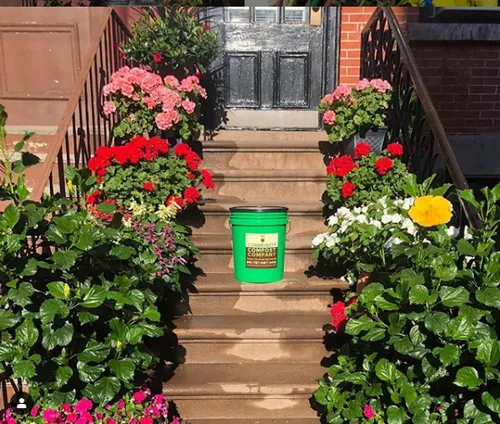
Community Compost Company provides food waste collection and composting services for restaurants and residents in New York, NY. They offer a simple system where customers collect food scraps in provided buckets for weekly pickup. The company recycles all types of food waste, including meats and dairy, transforming it into nutrient-rich compost that supports soil health and reduces landfill waste. Community Compost Company is committed to environmental education and making composting accessible to everyone.

Green Bucket Compost
Woodbridge, NJ
Green Bucket Compost is a food waste and composting service based in Woodbridge, NJ, focused on diverting food waste from landfills through sustainable methods. They work with anaerobic digestion facilities like Trenton Renewables to process all types of food waste, including packaging, turning it into renewable energy and compost. Their services cover residential pickups, commercial food waste management for restaurants, hotels, and schools, as well as municipal drop-off and curbside collection programs across several New Jersey counties and towns. Founded by Isaiah Green, the company emphasizes scalable and efficient waste diversion solutions to support community sustainability goals.
Trenton Renewables
1600 Lamberton Rd, Trenton, NJ 08611
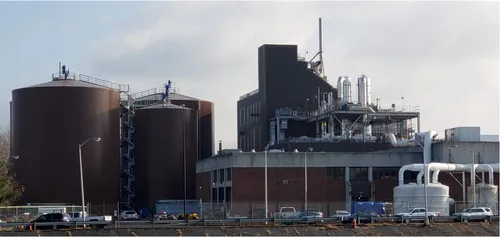
Trenton Renewables is a food waste recycling and renewable energy company based in Trenton, NJ. They serve restaurants and other organizations by managing food waste through anaerobic digestion, converting it into renewable energy, premium compost, and recaptured packaging. The company operates as a Class I Renewable Energy Facility and is qualified under New Jersey's Food Waste Law. Their process helps reduce landfill waste and CO2 emissions while supporting environmental sustainability.
Understanding New Jersey's Food Waste Recycling Mandate
The cornerstone of organics management in New Brunswick is state law. New Jersey mandates that any commercial entity generating 52 tons or more of food waste per year must source-separate and recycle this material. This threshold equates to roughly one ton, or 2,000 pounds, of food scraps per week. Establishments like large restaurants, cafeterias at Rutgers University, hotels, and significant food processors should carefully assess their output.
For businesses below this mandatory threshold, participation in food scrap recycling is strongly encouraged and often makes financial sense. Diverting organics can reduce the volume and cost of traditional trash disposal. Whether mandatory or voluntary, the goal is the same: to divert food from landfills where it decomposes anaerobically, creating methane, a potent greenhouse gas 1.
Are You a Mandatory or Voluntary Participant?
The first step is to classify your business. Large generators (52+ tons/year) have a legal requirement to recycle food waste 2. Smaller generators can choose to participate for environmental, social, and potential economic benefits.
How to Estimate Your Food Waste:
- Track it: Conduct a week-long audit, weighing food prep scraps, plate waste, and spoiled inventory.
- Use benchmarks: Industry averages can provide estimates based on meals served.
- Calculate annually: Multiply your average weekly weight by 52 to see if you approach the 52-ton (104,000-pound) annual limit.
If you're near or over the limit, you must act. Even if you're below it, proactive management positions your business as a sustainability leader in the New Brunswick community.
Service Options for New Brunswick Businesses
New Brunswick restaurants have several pathways for managing their organic waste, from full-service hauling to local drop-off.
Private Commercial Haulers: This is the most common solution for businesses of all sizes. These companies provide containers, scheduled pickups, and transport waste to authorized composting or anaerobic digestion facilities.
- Java's Compost: Offers commercial pickup services in the area, providing carts and bins for food scrap collection.
- Green Bucket Compost: A service that provides containers and scheduled pickups for food waste, giving it "new life" as compost.
- Recycle Track Systems (RTS): Provides commercial food waste collection services with a focus on transparency and reporting.
Container and Logistics: Haulers typically supply the necessary equipment, which can range from locked 96-gallon carts for smaller kitchens to dedicated dumpsters for larger operations. They will establish a pickup schedule-weekly, bi-weekly, or more frequent-based on your volume and needs.
Municipal and Local Programs: It is advisable to check with the New Brunswick Department of Public Works for any city-specific commercial programs, incentives, or guidelines that may exist 3. While curbside residential programs are more common, some municipalities offer support or information for local businesses.
Find the perfect composting & food waste companies for your needs
Get personalized recommendations and expert advice
Best Practices for Source Separation and Collection
Successful organics recycling hinges on keeping the food waste stream clean. Contamination with plastics, glass, or other trash can render an entire load unrecyclable.
What CAN Typically Be Included:
- Fruit and vegetable scraps
- Meat, fish, and bones
- Dairy products
- Bread, pasta, and grains
- Coffee grounds and filters
- Tea bags (staples removed)
- Plate scrapings and spoiled food
What MUST Be Excluded (Contaminants):
- Plastics: Bags, wrappers, utensils, containers (even "compostable" plastics unless specifically accepted by your hauler)
- Liquids: Oils, soups, drinks (use grease traps for fats/oils)
- Non-organic materials: Glass, metal, rubber, paper towels (unless specified)
- Chemicals and sanitizer wipes 4 5
Operational Tips:
- Placement: Set up clearly labeled, lined (with approved bags) collection bins in all prep and dishwashing areas.
- Training: Educate every staff member-from chefs to bus staff-on what goes in the food waste bin versus trash or recycling.
- Storage: Ensure outdoor containers are sturdy, sealed against pests, and clearly marked for "Organics Only."
Cost Considerations and Potential Savings
Investing in food waste recycling involves costs, but it can also lead to significant savings.
- Cost Drivers: Your price will depend on the volume of waste, pickup frequency, type of container provided, and your chosen hauler 6 7.
- Offsetting Savings: By diverting heavy, wet organics from your trash dumpster, you may be able to reduce the size or pickup frequency of your garbage service, lowering your overall waste management bill.
- Added Value: Many services provide diversion reports, which can be used for sustainability reporting and marketing to environmentally conscious customers in the New Brunswick area.
Steps to Implement a Program
- Assess: Measure your current food waste output to determine your regulatory status and service needs 8.
- Research: Contact local haulers like Java's Compost, Green Bucket Compost, or RTS for quotes and service details 9 10.
- Consult: Reach out to the City of New Brunswick to inquire about local regulations or support programs.
- Plan: Design your internal collection system, order bins, and develop a staff training plan.
- Launch: Start separation, communicate clearly with your team, and monitor for contamination.
- Review: Analyze your waste diversion reports and trash bills after a few months to assess the program's effectiveness and cost impact.
Frequently asked questions
Sources
Footnotes
-
How to recycle food waste in New Jersey - A guide - https://www.rts.com/blog/how-to-recycle-food-waste-in-new-jersey-a-guide/ ↩
-
Business Composting Solutions for the New Jersey Food Waste Bill - https://www.ecorichenv.com/article/new-jersey-food-waste-bill-solutions ↩
-
Municipal Compost Service - https://www.javascompost.com/municipal ↩
-
Food Waste Recycling rules - https://dep.nj.gov/dshw/swpl/fw/food-waste-recycling-rules/ ↩
-
Garbage collection guidelines and schedule - Somerville, NJ - https://www.somervillenj.org/garbage-collection-guidelines-and-schedule/ ↩
-
Commercial food waste collection. - Recycle Track Systems - https://www.rts.com/waste-type/foodwaste/ ↩
-
New Jersey's New Mandate for Food Waste Recycling - New Jersey Lawyers Blog - https://www.newjerseylawyersblog.com/new-jerseys-new-mandate-for-food-waste-recycling/ ↩
-
How to Measure Food Waste - https://dep.nj.gov/dshw/swpl/fw/food-waste-recycling-rules/htmfw/ ↩
-
Commercial Compost Pickup Service - https://www.javascompost.com/commercial-pickup ↩
-
Welcome to Green Bucket Compost - Giving Your Food Waste New ... - https://greenbucketcompost.com/ ↩