Find the Best Composting & Food Waste Companies for Your Business
No obligation • Fast responses • Nationwide coverage

Why you can trust Restaurant Waste Disposal
Restaurant Waste Disposal is a leading U.S. resource for comparing restaurant composting, food-waste recycling, grease trap cleaning, and used cooking oil collection services. Our editorial team researches providers, checks credentials, and organizes unbiased information so operators can make informed decisions. Companies cannot pay to change ratings or placement.
Search providers near you
Top Composting & Food Waste Companies in Mount Laurel, New Jersey Ranked
For restaurants and food service businesses in Mount Laurel, managing organic waste is not just an environmental consideration-it's a state-mandated requirement. New Jersey's Organic Waste Ban requires commercial generators of significant food waste to divert it from landfills, turning a logistical challenge into an opportunity for sustainability and potential cost management. While Mount Laurel Township itself does not offer a municipal food scrap collection program, local businesses must navigate a network of private haulers and processors to comply with state law. Successfully implementing a food waste recycling program involves understanding your volume, selecting the right service partner, and training your team to minimize contamination, ensuring your organic material is transformed into valuable compost or renewable energy.
Bennett Compost
5650 Rising Sun Ave, Philadelphia, PA 19120
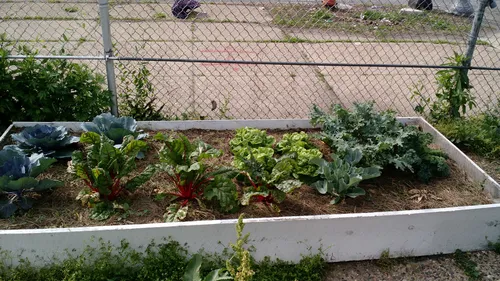
Bennett Compost provides food waste and composting services for restaurants and residents in Philadelphia, PA. The company offers weekly pickups of food scraps and other compostable materials, helping to reduce landfill waste by diverting organic material into nutrient-rich compost. Bennett Compost serves a variety of clients including coffee shops, breweries, florists, offices, and residential buildings, tailoring solutions to different compostable volumes. Founded in 2009 by Tim Bennett and now co-owned with Jennifer Mastalerz, the company diverts over 150 tons of waste each month and supports more than 6,000 households and businesses. Their service includes delivering clean compost bins and premium compost products during pickups.
Trenton Renewables
1600 Lamberton Rd, Trenton, NJ 08611
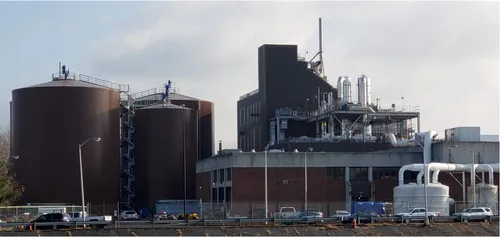
Trenton Renewables is a food waste recycling and renewable energy company based in Trenton, NJ. They serve restaurants and other organizations by managing food waste through anaerobic digestion, converting it into renewable energy, premium compost, and recaptured packaging. The company operates as a Class I Renewable Energy Facility and is qualified under New Jersey's Food Waste Law. Their process helps reduce landfill waste and CO2 emissions while supporting environmental sustainability.
Understanding New Jersey's Organic Waste Mandate
The foundation of food waste management for New Jersey businesses is the Department of Environmental Protection's (NJDEP) food waste recycling rules. This regulation, often called the Organic Waste Ban, mandates that any commercial entity generating 52 tons or more of food waste per year must divert it from the trash if located within 25 road miles of an authorized recycling facility. For context, 52 tons is roughly equivalent to 100 cubic yards of material. This rule specifically targets large generators like restaurants, supermarkets, food processors, and educational institutions1. Since its implementation, this policy has been a driving force in reducing landfill use and greenhouse gas emissions statewide, pushing businesses toward sustainable waste solutions.
Who Must Comply in Mount Laurel?
Most restaurants in Mount Laurel with moderate to high volume will likely meet or approach the 52-ton annual threshold and are therefore subject to the mandate. The rule is designed to capture significant generators, and being in the densely populated corridor of South Jersey, Mount Laurel is well within the 25-mile radius of several composting and anaerobic digestion facilities. It is the responsibility of each business to estimate its annual food waste output. This includes all organic material from food preparation, spoiled inventory, and customer plate scrapings. If your establishment is close to or exceeds the limit, you are required by law to arrange for proper diversion through a private hauler 2.
Setting Up Commercial Food Waste Collection
Since Mount Laurel relies on private waste management companies for commercial organics recycling, your first step is to engage with haulers who offer this specific service.
Choosing a Hauler and Service Level
Major national providers like Waste Management and Republic Services operate in the area, alongside reputable regional and local New Jersey haulers. When soliciting quotes, you'll need to provide an estimate of your weekly food waste volume. Haulers will then recommend an appropriate container and pickup frequency. Common options include:
- 64-Gallon to 96-Gallon Wheeled Carts: Suitable for smaller kitchens or those just beginning to separate waste.
- Dumpsters (2-8 Cubic Yards): The standard for most full-service restaurants, often lined with compostable bags to keep containers clean.
- Roll-Off Containers: For very high-volume operations like large banquet halls or food distribution centers.
Collection frequency can range from daily pickups for establishments with limited storage space to 2-3 times per week for others. The service agreement you sign will detail the container provided, the pickup schedule, and the destination facility where your waste will be taken for processing 3.
What Can and Cannot Go In the Bin
Strict contamination control is critical for a successful program. Acceptable materials typically include:
- Fruit and vegetable scraps
- Meat, fish, and bones
- Dairy products
- Bread, pasta, and grains
- Coffee grounds and filters
- Tea bags (without staples)
- Compostable paper products (like uncoated paper towels or approved compostable liners)
Crucially, the following items must be kept out:
- Plastic bags (unless they are certified compostable and approved by your hauler)
- Liquids, grease, and cooking oil (these require separate handling and recycling)
- Styrofoam, glass, metal, or plastic utensils
- Traditional plastic packaging or wrappers
Contamination can lead to entire loads being rejected at the processing facility, resulting in additional fees for your business and undermining the recycling effort 4.
Find the perfect composting & food waste companies for your needs
Get personalized recommendations and expert advice
Operational Best Practices for Restaurants
Implementing a new waste stream requires planning and team engagement. Start with a waste audit to understand your current output from the kitchen, prep areas, and dining room. Place clearly labeled collection bins in strategic locations: a small bin on the prep line, a larger bin in the dishwashing area, and consider customer-facing bins if you offer plate scraping. Training is essential-ensure every staff member knows what goes where. Many haulers provide posters and training materials. Consistent monitoring, especially in the first few weeks, helps correct mistakes and builds good habits, keeping contamination low and your program running smoothly.
Managing Costs and Seeking Value
The cost for commercial food waste pickup in Mount Laurel varies based on volume, frequency, hauler rates, and market conditions for recycled organics. You might expect monthly fees to range from approximately $100 to over $300 for a typical restaurant dumpster service. It is highly advisable to obtain quotes from multiple providers to compare service levels and pricing. While this is an added operational cost, some businesses find value in demonstrating their environmental commitment to customers. Furthermore, proper waste separation can sometimes reduce the size or frequency of your regular trash dumpster, potentially offsetting some of the new cost.
Beyond the Bin: Grease Trap and Cooking Oil Management
A comprehensive organic waste strategy for a restaurant also addresses fats, oils, and grease (FOG). These materials cannot go into the food waste bin or down the drain. Grease trap cleaning is a separate, essential service to prevent sewer blockages and comply with local sewer authority regulations. Similarly, used cooking oil (UCO) collection is a valuable service where providers often pay restaurants for their spent oil, which is then recycled into biodiesel or other products. Many waste management companies offer bundled services or can recommend trusted partners for these needs, allowing you to manage multiple waste streams through coordinated contacts.
Getting Started and Staying Compliant
To initiate a compliant food waste diversion program in Mount Laurel:
- Estimate Your Volume: Track your food waste for a week to gauge annual tonnage.
- Research Haulers: Contact several licensed commercial waste companies serving Burlington County for detailed quotes.
- Review the Official Rules: Familiarize yourself with the NJDEP guidelines on their website to ensure full compliance5.
- Plan Your Internal Rollout: Order supplies, schedule staff training, and set a start date.
- Maintain Records: Keep your service agreements and hauler documentation on file as proof of compliance with the state mandate.
By taking these steps, Mount Laurel restaurants can turn a regulatory requirement into a positive component of their operational and environmental profile.
Frequently asked questions
Sources
Footnotes
-
Organic waste management in New Jersey: Reducing food waste and ... - https://bloustein.rutgers.edu/organic-waste-management-in-new-jersey-reducing-food-waste-and-improving-food-equity/ ↩
-
New Jersey Revised Statutes Section 13:1E-3 (2024) - Definitions. - https://law.justia.com/codes/new-jersey/title-13/section-13-1e-3/ ↩
-
Garbage collection guidelines and schedule - Somerville, NJ - https://www.somervillenj.org/garbage-collection-guidelines-and-schedule/ ↩
-
NJ Electronics Waste Management Act - Long Branch - https://www.longbranch.org/296/NJ-Electronics-Waste-Management-Act ↩
-
NJDEP| Division of Sustainable Waste Management | Food Waste Recycling rules - https://dep.nj.gov/dshw/swpl/fw/food-waste-recycling-rules/ ↩