Find the Best Composting & Food Waste Companies for Your Business
No obligation • Fast responses • Nationwide coverage

Why you can trust Restaurant Waste Disposal
Restaurant Waste Disposal is a leading U.S. resource for comparing restaurant composting, food-waste recycling, grease trap cleaning, and used cooking oil collection services. Our editorial team researches providers, checks credentials, and organizes unbiased information so operators can make informed decisions. Companies cannot pay to change ratings or placement.
Search providers near you
Top Composting & Food Waste Companies in Middletown, New Jersey Ranked
For restaurants and food service businesses in Middletown, managing organic waste is more than an environmental choice-it's a regulatory and economic consideration. New Jersey's statewide Organic Waste Ban mandates that large generators divert food scraps and other organic materials from landfills, a rule that impacts many establishments in our community. While Middletown itself may not offer a municipal food scrap collection program, a network of private haulers provides essential composting and food waste recycling services to help businesses comply, reduce disposal costs, and contribute to a circular economy. Navigating this process involves understanding state mandates, selecting a service provider, and implementing effective on-site sorting practices.
Community Compost Company
1501 Madison St, Hoboken, NJ 07030
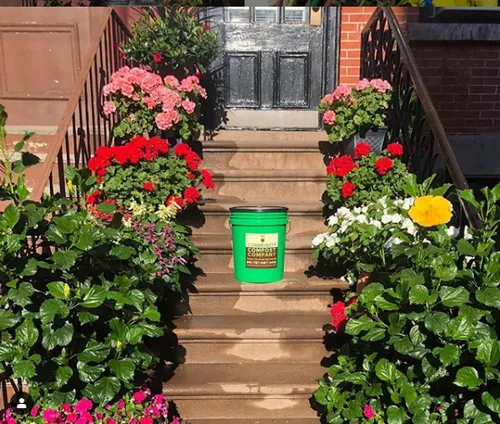
Community Compost Company provides food waste collection and composting services for restaurants and residents in New York, NY. They offer a simple system where customers collect food scraps in provided buckets for weekly pickup. The company recycles all types of food waste, including meats and dairy, transforming it into nutrient-rich compost that supports soil health and reduces landfill waste. Community Compost Company is committed to environmental education and making composting accessible to everyone.
Curbside Compost
Bridgeport, CT
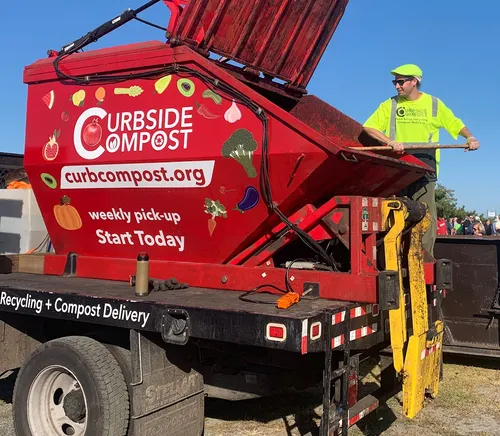
Curbside Compost provides food waste and composting services for restaurants and various other clients in Bridgeport, CT. With over 10 years of experience, they serve municipalities, food manufacturers, distribution centers, food donors, grocery stores, hospitals, assisted living facilities, country clubs, universities, schools, cafeterias, and restaurants. Their service includes weekly collection of food scraps and delivery of premium finished compost, helping reduce landfill waste through convenient composting solutions.

Green Bucket Compost
Woodbridge, NJ
Green Bucket Compost is a food waste and composting service based in Woodbridge, NJ, focused on diverting food waste from landfills through sustainable methods. They work with anaerobic digestion facilities like Trenton Renewables to process all types of food waste, including packaging, turning it into renewable energy and compost. Their services cover residential pickups, commercial food waste management for restaurants, hotels, and schools, as well as municipal drop-off and curbside collection programs across several New Jersey counties and towns. Founded by Isaiah Green, the company emphasizes scalable and efficient waste diversion solutions to support community sustainability goals.
Royal Waste Services
187-40 Hollis Ave, Jamaica, NY 11423
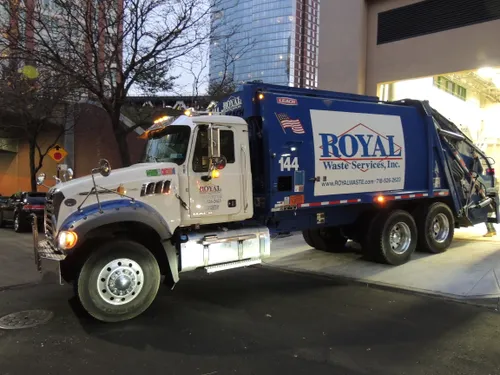
Royal Waste Services provides comprehensive waste management solutions in New York, NY, specializing in food waste composting, trash pickup, single stream recycling, dumpster rentals, and bulk waste removal. Serving Manhattan, Bronx, Brooklyn, and Queens, they operate 24/7 to support businesses with sustainable waste diversion strategies. With over 25 years of experience, Royal Waste owns and operates in-house recycling facilities to ensure environmentally responsible disposal and compliance with NYC commercial recycling laws.
Understanding New Jersey's Organic Waste Mandate
The foundation of commercial food waste management in Middletown is state law. New Jersey's Organic Waste Ban requires businesses and institutions that generate 52 or more tons of organic waste per year to arrange for its recycling if they are located within 25 road miles of an authorized recycling facility 1. This threshold equates to roughly 1,000 pounds of food scraps per week.
Who is typically affected? This regulation primarily targets large-scale generators, including:
- Full-service restaurants and large cafeterias
- Hotels with significant banquet operations
- Supermarkets and large grocery stores
- Hospitals, universities, and corporate campuses with dining facilities
- Food processors and distributors
For many restaurants in Middletown, evaluating your weekly output of food prep scraps, spoiled inventory, and post-consumer plate waste is the critical first step to determining your obligations under this mandate.
Finding a Commercial Food Waste Hauler in Middletown
Since municipal curbside composting for businesses is not widely available, partnering with a private hauler is the standard solution. These specialized providers handle the collection, transportation, and processing of organic material into compost or other beneficial products.
Service Providers: Businesses can seek services from regional organic waste specialists like Java's Compost, as well as the organic waste divisions of major national waste management companies such as Republic Services, Waste Management, and Waste Connections. It's advisable to contact multiple providers to compare service offerings, coverage areas, and pricing.
Collection Logistics: Service frequency is typically tailored to your volume and needs, ranging from daily pickups for high-volume kitchens to once or twice weekly for smaller operations. Haulers usually supply the collection containers, which can vary from sealed 5-gallon buckets for kitchen scraps to larger wheeled carts or even dedicated dumpsters for major generators.
What Can and Cannot Go in Your Compost Stream
Proper sorting is paramount to a successful food waste recycling program. Contamination with non-compostable materials can disrupt the processing facility's operations and may result in rejected loads or additional fees.
Accepted Materials (Always confirm with your hauler):
- Fruit and vegetable scraps (peels, cores, rinds)
- Meat, fish, and bones (some facilities accept these)
- Dairy products and eggs
- Bread, pasta, grains, and baked goods
- Coffee grounds and paper filters
- Tea bags (without staples)
- Soiled, non-glossy paper products like napkins, paper towels, and uncoated cardboard
Common Contaminants to Exclude:
- Liquids: Cooking oils, grease, soups, and beverages must be kept out 2.
- Plastics: This includes plastic bags, wrap, utensils, and containers.
- Other Non-Organics: Glass, metal, rubber, and Styrofoam.
- Biodegradable/Compostable Plastics: Unless explicitly approved by your hauler, as many industrial facilities cannot process them.
Establishing clear, color-coded bins with signage in prep and dishwashing areas is essential for staff training and ensuring a clean, valuable compost stream.
The Economics of Food Waste Diversion
Investing in organic waste recycling involves a service fee, but it often leads to net savings for businesses required to comply. Here's how the economics typically work:
Cost Structure: Hauler fees are based on the volume of material collected, the frequency of pickup, and the type of container used. For a small to medium-sized restaurant, costs can range from approximately $30 to over $100 per month 3.
Trash Disposal Savings: The key financial benefit comes from reducing your traditional trash volume. Landfill tipping fees are substantial, and by diverting heavy, wet organic material out of your trash dumpster, you can often downsize your garbage service or reduce pickup frequency. For mandated businesses, the savings on trash disposal usually outweigh the new cost of compost collection.
Additional Value: Beyond direct cost savings, a composting program can enhance your brand's sustainability profile, meet customer expectations for environmental responsibility, and potentially qualify you for recognition or grants.
Find the perfect composting & food waste companies for your needs
Get personalized recommendations and expert advice
Implementing a Program in Your Establishment
Starting a food waste diversion program requires a systematic approach. Follow these steps to ensure a smooth transition:
- Conduct a Waste Audit: Spend a week weighing your food scraps (pre-consumer and post-consumer) to accurately estimate your annual tonnage and determine if you meet the state's 52-ton threshold.
- Research and Contract a Hauler: Contact several service providers to request quotes. Discuss your estimated volume, desired pickup schedule, container needs, and any specific materials you need to dispose of (like meat or compostable serviceware).
- Design Your Kitchen Workflow: Place clearly labeled collection bins in key areas: prep stations, the dish pit, and anywhere food is discarded. Ensure they are easily accessible to staff.
- Train Your Team Thoroughly: Host training sessions to explain the "why" and the "how." Emphasize what is and is not allowed in the compost bin. Ongoing communication and feedback are crucial for success.
- Monitor and Adjust: Check the bins regularly for contamination, especially in the first few weeks. Adjust bin placement or retrain staff as needed. Track your volumes and costs to measure the program's impact.
Beyond Composting: Managing Grease and Cooking Oil
A comprehensive food waste management strategy also addresses fats, oils, and grease (FOG). These materials cannot go into the compost stream but are valuable recyclables.
- Used Cooking Oil (UCO) Collection: Many companies provide free collection services for used fryer oil, which is then converted into biodiesel or other products. This keeps FOG out of drains and landfills while sometimes generating a small rebate.
- Grease Trap Maintenance: Regular professional cleaning of grease interceptors is not only a health code requirement but also prevents sewer blockages and costly backups. Some waste service providers offer bundled services for compost, UCO, and grease trap cleaning.
By integrating composting, oil recycling, and grease trap management, Middletown restaurants can achieve a holistic and responsible approach to their operational waste, turning potential problems into environmental and economic opportunities.
Frequently asked questions
Sources
Footnotes
-
Organic waste management in New Jersey: Reducing food waste and ... - https://bloustein.rutgers.edu/organic-waste-management-in-new-jersey-reducing-food-waste-and-improving-food-equity/ ↩
-
New Jersey Revised Statutes Section 13:1E-3 (2024) - Definitions. - https://law.justia.com/codes/new-jersey/title-13/section-13-1e-3/ ↩
-
Commercial Compost Pickup Service - https://www.javascompost.com/commercial-pickup ↩