Find the Best Composting & Food Waste Companies for Your Business
No obligation • Fast responses • Nationwide coverage

Why you can trust Restaurant Waste Disposal
Restaurant Waste Disposal is a leading U.S. resource for comparing restaurant composting, food-waste recycling, grease trap cleaning, and used cooking oil collection services. Our editorial team researches providers, checks credentials, and organizes unbiased information so operators can make informed decisions. Companies cannot pay to change ratings or placement.
Search providers near you
Top Composting & Food Waste Companies in Linden, New Jersey Ranked
For restaurants in Linden, managing food scraps and organic waste is no longer just an environmental consideration-it's a regulatory and operational necessity. New Jersey's statewide Organic Waste Ban mandates that large-scale generators, including many food service establishments, divert food waste from landfills. This creates a specific set of requirements and opportunities for local businesses to implement effective organics recycling programs. By understanding the rules, available services, and best practices, Linden restaurants can turn a waste stream into a resource, potentially reducing their environmental footprint and aligning with state sustainability goals.
Successful food waste diversion hinges on three key components: proper source separation within your kitchen, contracting with a qualified commercial hauler, and rigorous staff training to prevent contamination. The City of Linden's Department of Public Works focuses on residential services, meaning commercial entities must seek private partners for organics collection. This guide outlines the steps to establish a compliant and efficient system for handling food scraps, grease, and other compostable materials.
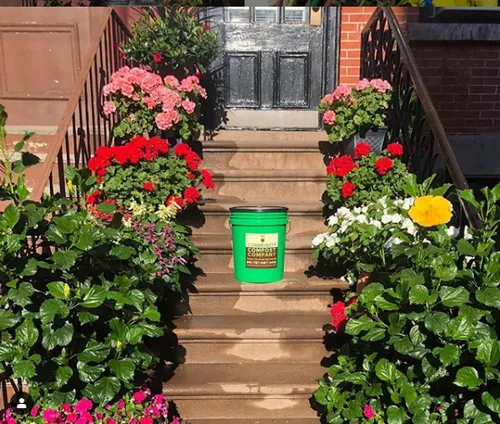
Community Compost Company
1501 Madison St, Hoboken, NJ 07030
Community Compost Company provides food waste collection and composting services for restaurants and residents in New York, NY. They offer a simple system where customers collect food scraps in provided buckets for weekly pickup. The company recycles all types of food waste, including meats and dairy, transforming it into nutrient-rich compost that supports soil health and reduces landfill waste. Community Compost Company is committed to environmental education and making composting accessible to everyone.

Green Bucket Compost
Woodbridge, NJ
Green Bucket Compost is a food waste and composting service based in Woodbridge, NJ, focused on diverting food waste from landfills through sustainable methods. They work with anaerobic digestion facilities like Trenton Renewables to process all types of food waste, including packaging, turning it into renewable energy and compost. Their services cover residential pickups, commercial food waste management for restaurants, hotels, and schools, as well as municipal drop-off and curbside collection programs across several New Jersey counties and towns. Founded by Isaiah Green, the company emphasizes scalable and efficient waste diversion solutions to support community sustainability goals.
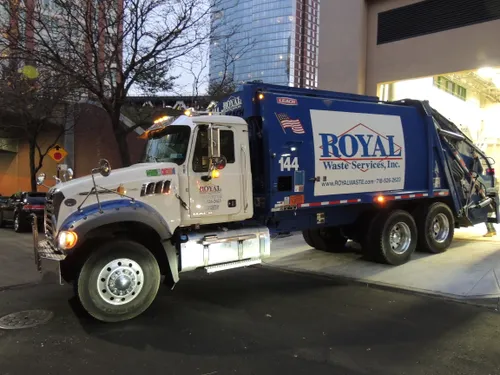
Royal Waste Services
187-40 Hollis Ave, Jamaica, NY 11423
Royal Waste Services provides comprehensive waste management solutions in New York, NY, specializing in food waste composting, trash pickup, single stream recycling, dumpster rentals, and bulk waste removal. Serving Manhattan, Bronx, Brooklyn, and Queens, they operate 24/7 to support businesses with sustainable waste diversion strategies. With over 25 years of experience, Royal Waste owns and operates in-house recycling facilities to ensure environmentally responsible disposal and compliance with NYC commercial recycling laws.
Understanding New Jersey's Organic Waste Mandate
The foundation of food waste management for New Jersey businesses is the Organic Waste Ban. This regulation requires businesses that generate an average of 52 tons or more of food waste per year to source separate and recycle that material, provided they are located within 25 road miles of an authorized organics recycling facility 1. Given Linden's location within the densely populated northern part of the state, most restaurants are almost certainly within this zone.
Who is a "Large Generator"? The 52-ton annual threshold equates to roughly one ton of food waste per week. This typically includes large restaurants, cafeterias, supermarkets, and food processors. It is crucial for restaurant owners and managers to conduct a waste audit to accurately estimate their weekly output. Even if your establishment falls below this mandatory threshold, participating in organics recycling can demonstrate environmental leadership and may offer long-term cost benefits as landfill tipping fees rise.
Compliance is Key Non-compliance with the state mandate can result in violations. The rules are designed to reduce methane emissions from landfills and create valuable compost or renewable energy. The New Jersey Department of Environmental Protection (NJDEP) provides resources and guidelines for businesses to understand their obligations under these recycling rules 2.
Setting Up Your Kitchen for Source Separation
The first and most critical step in any organics recycling program is source separation-keeping food waste clean and separate from trash and recycling right at the point of generation.
Indoor Collection Containers:
- Countertop Bins: Use small, airtight containers with lids in food prep and dishwashing areas. These are for collecting scraps during cooking, plate waste, and spoiled food.
- Larger Kitchen Bins: Designate durable, sealable bins (often 32-gallon carts) in central kitchen locations for staff to empty their smaller containers into. These should be clearly labeled "Food Waste Only" or "Compost."
What Goes In (Acceptable Materials):
- Fruit and vegetable scraps
- Meat, fish, and bones
- Dairy products
- Bread, grains, and pasta
- Coffee grounds and filters
- Tea bags (staples removed)
- Eggshells and nutshells
- Soiled, non-recyclable paper (e.g., pizza boxes, napkins, paper towels)
Critical Contamination Rules: Contamination is the number one reason loads are rejected by processors. Strictly prohibit the following in your food waste bins 3 4:
- Plastic bags of any kind, including those labeled "compostable" or "biodegradable" (unless explicitly accepted by your hauler).
- Liquids, oils, and grease (these require separate handling for used cooking oil and grease trap services).
- Styrofoam, glass, metal, or plastic utensils.
- Rubber bands, twist ties, and other non-food items.
Find the perfect composting & food waste companies for your needs
Get personalized recommendations and expert advice
Choosing a Commercial Food Waste Hauler in Linden
Since municipal services are for residents, Linden restaurants must contract with private waste and recycling companies that offer commercial organics collection 5.
Services to Look For: When contacting providers, inquire specifically about their commercial food waste recycling or organics hauling programs. Reputable national providers like Republic Services offer such services in the area, and there may be regional or local haulers with specialized programs. These companies transport collected food waste to permitted facilities, which may include composting sites or anaerobic digesters that convert waste into renewable energy and soil products 6.
Container and Pickup Logistics: Your hauler will determine the appropriate outdoor container based on your volume, such as a locked, wheeled cart or a dedicated dumpster. Pickup frequency-whether weekly, bi-weekly, or more often-will be part of your service contract and depends on your generation rate. Be sure to discuss:
- Container type and size provided.
- Pickup schedule and service day.
- Protocols for handling contaminated loads.
- Pricing structure (e.g., monthly fee based on volume/frequency).
Costs and Considerations for Your Business
The cost for commercial food waste hauling is separate from your regular trash service and varies significantly based on several factors 7 8.
Primary Cost Factors:
- Volume and Frequency: The amount of waste you generate and how often it needs to be collected.
- Hauler and Market Rates: Different service providers have varying pricing models.
- Distance to Processing Facility: Transportation costs can be a component.
- Contamination Levels: Clean, well-sorted loads are cheaper to process. Contaminated loads may incur rejection fees.
Potential for Cost Neutrality or Savings: While adding a service incurs a cost, it can be partially offset by reducing the volume and frequency of your general trash collection. Landfill tipping fees are often higher than organics processing fees. By diverting heavy, wet food waste, you may be able to downsize your trash dumpster or reduce pickup frequency, creating a more balanced waste management budget.
Staff Training and Program Maintenance
A program is only as good as the team that executes it daily. Comprehensive and ongoing staff training is essential for success.
Launch Training: Hold a mandatory training session for all kitchen and front-of-house staff to introduce the new system. Explain the why (state law, environmental benefits) and the how (which bin to use, what is and isn't allowed). Use clear signage with pictures above all collection stations.
Ongoing Reinforcement: Assign a sustainability champion or manager to conduct periodic spot checks of the food waste bins. Provide positive feedback for clean sorting and gentle correction when contaminants are found. Regularly review the program in team meetings to ensure it remains a priority.
Tracking and Auditing: Keep records of your hauler invoices and service notes. Periodically re-audit your waste streams to see if your food waste volume has changed, which may indicate an opportunity to adjust your service level or identify areas for waste reduction in the kitchen.
Handling Related Waste Streams: Grease and Cooking Oil
A comprehensive waste management plan for a restaurant also addresses used cooking oil (UCO) and grease trap waste. These are separate, specialized streams from solid food waste.
Used Cooking Oil Collection: Many companies that offer food waste hauling also provide used cooking oil collection services, or you can contract with a dedicated provider. Collected UCO is typically recycled into biodiesel. This service is often provided at low or no cost, as the recyclable oil has value.
Grease Trap Maintenance: Regular grease trap pumping is a critical maintenance task to prevent sewer backups and comply with local codes. Schedule regular service with a licensed grease hauler. This waste is processed separately at designated facilities. Do not attempt to dispose of grease trap contents in your food waste or trash bins.
Frequently asked questions
Sources
Footnotes
-
Organic waste management in New Jersey: Reducing food waste and ... - https://bloustein.rutgers.edu/organic-waste-management-in-new-jersey-reducing-food-waste-and-improving-food-equity/ ↩
-
NJDEP| Rules and Regulations | Current Rules and Regulations - https://dep.nj.gov/rules/current-rules-and-regulations/ ↩
-
Food Waste Composting In New Jersey - BioCycle - https://www.biocycle.net/food-waste-composting-in-new-jersey/ ↩
-
This is a list of what we do not recycle in our container bins: http://wallnj ... - https://www.wallnj.gov/DocumentCenter/View/8845/5-How-and-Where-to-Recycle ↩
-
Sanitation - https://linden-nj.gov/directory/sanitation/ ↩
-
Municipal Solid Waste Reclamation Trends: A Local and National ... - https://www.bluegreenalliance.org/wp-content/uploads/2016/07/Municipal-Solid-Waste-vFinal.pdf ↩
-
Food Waste Recycling rules - https://dep.nj.gov/dshw/swpl/fw/food-waste-recycling-rules/ ↩
-
Linden, NJ Trash Pickup & Recycling - Republic Services - https://www.republicservices.com/locations/new-jersey/linden-trash-pickup-and-recycling ↩