
Find the Best Composting & Food Waste Companies for Your Business
No obligation • Fast responses • Nationwide coverage

Why you can trust Restaurant Waste Disposal
Restaurant Waste Disposal is a leading U.S. resource for comparing restaurant composting, food-waste recycling, grease trap cleaning, and used cooking oil collection services. Our editorial team researches providers, checks credentials, and organizes unbiased information so operators can make informed decisions. Companies cannot pay to change ratings or placement.
Search providers near you
Top Composting & Food Waste Companies in Jersey City, New Jersey Ranked
For restaurants in Jersey City, managing food scraps and organic waste is no longer just an environmental consideration-it's a regulatory and operational necessity. New Jersey's statewide organic waste ban mandates that large food waste generators, including many restaurants, separate and divert this material from landfills. While the city offers residential drop-off programs, commercial establishments must navigate a landscape of private haulers, specific container requirements, and strict contamination guidelines to comply and potentially realize cost savings. This guide outlines the essential steps for implementing a successful food waste diversion program tailored to Jersey City's unique requirements.
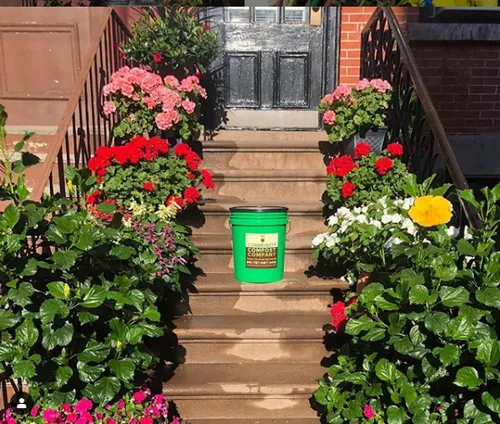
Community Compost Company
1501 Madison St, Hoboken, NJ 07030
Community Compost Company provides food waste collection and composting services for restaurants and residents in New York, NY. They offer a simple system where customers collect food scraps in provided buckets for weekly pickup. The company recycles all types of food waste, including meats and dairy, transforming it into nutrient-rich compost that supports soil health and reduces landfill waste. Community Compost Company is committed to environmental education and making composting accessible to everyone.
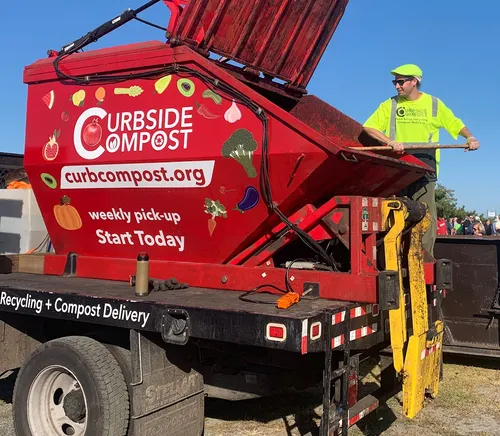
Curbside Compost
Bridgeport, CT
Curbside Compost provides food waste and composting services for restaurants and various other clients in Bridgeport, CT. With over 10 years of experience, they serve municipalities, food manufacturers, distribution centers, food donors, grocery stores, hospitals, assisted living facilities, country clubs, universities, schools, cafeterias, and restaurants. Their service includes weekly collection of food scraps and delivery of premium finished compost, helping reduce landfill waste through convenient composting solutions.

Green Bucket Compost
Woodbridge, NJ
Green Bucket Compost is a food waste and composting service based in Woodbridge, NJ, focused on diverting food waste from landfills through sustainable methods. They work with anaerobic digestion facilities like Trenton Renewables to process all types of food waste, including packaging, turning it into renewable energy and compost. Their services cover residential pickups, commercial food waste management for restaurants, hotels, and schools, as well as municipal drop-off and curbside collection programs across several New Jersey counties and towns. Founded by Isaiah Green, the company emphasizes scalable and efficient waste diversion solutions to support community sustainability goals.
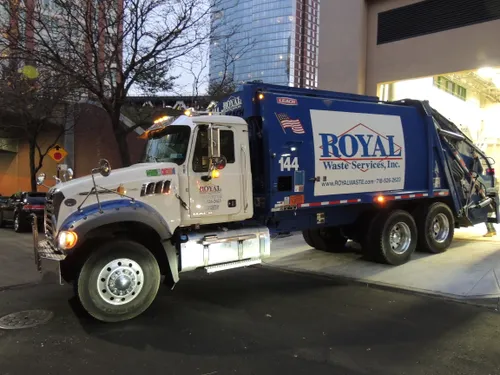
Royal Waste Services
187-40 Hollis Ave, Jamaica, NY 11423
Royal Waste Services provides comprehensive waste management solutions in New York, NY, specializing in food waste composting, trash pickup, single stream recycling, dumpster rentals, and bulk waste removal. Serving Manhattan, Bronx, Brooklyn, and Queens, they operate 24/7 to support businesses with sustainable waste diversion strategies. With over 25 years of experience, Royal Waste owns and operates in-house recycling facilities to ensure environmentally responsible disposal and compliance with NYC commercial recycling laws.
Understanding New Jersey's Organic Waste Mandate
The foundation of food waste management for Jersey City restaurants is New Jersey's Food Waste Recycling Law. This regulation requires businesses that generate an average of 52 tons or more of food waste per year to separate it from their regular trash, provided they are located within 25 road miles of an authorized organics recycling facility 1. Given Jersey City's proximity to several processing plants in the metropolitan area, most restaurants in the city are subject to this rule. The mandate covers a broad range of establishments, from large banquet halls and hotel kitchens to high-volume restaurants and corporate cafeterias. Compliance isn't just about avoiding potential fines; it's a structured shift towards sustainable material management that aligns with statewide environmental goals to reduce landfill reliance and associated methane emissions 2.
Commercial Collection: Working with Private Haulers
Unlike residential recycling, Jersey City does not provide municipal food scrap collection for businesses. The city requires all commercial entities, including restaurants, to contract with private waste haulers for garbage, recycling, and organics collection. This means restaurant operators must proactively seek out and hire a licensed service provider.
- Service Providers: Several companies operate in the Jersey City area, offering tailored organic waste programs. Examples include Recycle Track Systems (RTS) and Compost Crew (CCC), which provide commercial collection services. It's advisable to contact multiple providers to compare service levels, container options, and pricing.
- Service Structure: Haulers typically provide the necessary collection containers (like wheeled carts or totes) and establish a pickup schedule based on your establishment's volume and needs-commonly weekly or bi-weekly.
- Integrated Waste Management: Many haulers offer bundled services, allowing you to manage your general trash, recycling, and food waste through a single provider. This can simplify logistics and billing.
Setting Up Your Kitchen for Success
A successful organics diversion program hinges on proper setup and staff training to prevent contamination, which can spoil entire loads and lead to rejected service.
Container Strategy: Haulers typically supply 32, 64, or 96-gallon wheeled carts for outdoor collection 3. Inside the kitchen, the key is to place smaller, clearly labeled collection bins in strategic prep and dishwashing areas. These bins should be lined with certified compostable bags to make transfer to the outdoor cart clean and efficient.
What Goes In (Acceptable Materials): A well-run program can accept virtually all food scraps, including:
- Fruit and vegetable trimmings
- Meat, fish, bones, and dairy products
- Eggshells and coffee grounds (including filters)
- Bread, pasta, and grains
- Soiled, non-recyclable paper like napkins, paper towels, and uncoated paper plates
What Stays Out (Contamination): Strictly prohibit these items to ensure the collected waste can be processed:
- Liquids: Oils, soups, and drinks must be disposed of separately.
- Plastics: No conventional plastic bags, wrap, or packaging (unless certified compostable by your hauler).
- Other Non-Organics: Metal, glass, styrofoam, rubber bands, and twist ties.
- Sanitary Waste: Pet waste, diapers, and chemically soiled paper 4.
Clear signage and ongoing staff education are critical to maintaining a clean stream.
The Financial and Operational Impact
Implementing a food waste program involves costs but can also lead to significant savings and benefits.
- Costs: Pricing from private haulers varies based on the volume of organics, frequency of pickup, and whether services are bundled. You will incur a separate fee for this collection service 5 6.
- Potential Savings: The most direct financial benefit comes from reducing the volume of your regular trash. By diverting dense, wet food waste, you may be able to downsize your garbage dumpster or reduce the frequency of trash pickups, lowering your overall waste hauling bill.
- Beyond Savings: Additional advantages include demonstrating environmental leadership to customers, contributing to the local production of compost or renewable energy, and ensuring compliance with state law, mitigating regulatory risk.
Find the perfect composting & food waste companies for your needs
Get personalized recommendations and expert advice
Navigating Grease and Cooking Oil
While distinct from solid food waste, managing fats, oils, and grease (FOG) is a critical component of a restaurant's overall waste strategy. Grease trap cleaning and used cooking oil (UCO) collection are specialized services, often provided by different companies than those handling solid organics.
- Grease Trap Maintenance: Regular cleaning (often mandated by local sewer authorities) prevents blockages and backups. Service providers pump out the trapped FOG, which is then typically processed into biodiesel or other products.
- Used Cooking Oil Collection: Many providers will collect UCO for free or even pay for it, as it is a valuable feedstock for biodiesel production. Proper storage in secure, designated containers is essential to prevent spills and pests.
- Synergy with Composting: A comprehensive waste plan addresses both solid food scraps and liquid FOG, ensuring all organic byproducts are managed responsibly and in compliance with all regulations.
Steps to Launch Your Program
- Conduct a Waste Audit: Spend a week tracking how much food waste your kitchen generates. This data is crucial for discussing service levels with haulers and understanding your potential impact 7.
- Research and Contact Haulers: Reach out to licensed commercial waste companies servicing Jersey City. Discuss your volume, request quotes, and ask about container options, pickup schedules, and contamination policies 8.
- Review Local Codes: Consult Jersey City's municipal codes or resources like the Greener JC Green Business ToolKit to ensure your plan meets all local business requirements for waste handling and storage 9 10.
- Procure Supplies & Train Staff: Once you select a hauler, set up indoor collection stations with appropriate bins and liners. Conduct training sessions for all kitchen and service staff to explain the "what" and "why" behind the new system.
- Launch and Monitor: Begin collection and monitor the bins closely for the first few weeks. Provide feedback to staff and adjust bin placement as needed to ensure a smooth, contamination-free operation.
Frequently asked questions
Sources
Footnotes
-
Food Waste Recycling rules - NJDEP - https://dep.nj.gov/dshw/swpl/fw/food-waste-recycling-rules/ ↩
-
Organic waste management in New Jersey: Reducing food waste and ... - https://bloustein.rutgers.edu/organic-waste-management-in-new-jersey-reducing-food-waste-and-improving-food-equity/ ↩
-
program - https://cdnsm5-hosted.civiclive.com/UserFiles/Servers/Server_6189660/File/City%20Hall/Dep.%20of%20Public%20Works/Compost_FAQs_8.11.20.pdf ↩
-
SOLID WASTE UTILITY REGULATIONS N.J.A.C. 7:26H-1 et ... - https://www.nj.gov/dep/dshw/resource/njac726h.pdf ↩
-
How to recycle food waste in New Jersey - A guide - https://www.rts.com/blog/how-to-recycle-food-waste-in-new-jersey-a-guide/ ↩
-
What is Restaurant Composting? - Benefits & How It Works - https://www.webstaurantstore.com/article/60/restaurant-composting.html ↩
-
NJDEP| Division of Sustainable Waste Management | Food Waste - https://dep.nj.gov/dshw/swpl/fw/restaurants/ ↩
-
Composting in Jersey City - How it works and how to get started - https://jcfamilies.com/composting-in-jersey-city/ ↩
-
Municipal Laws to Know - Central Avenue S.I.D. Management ... - https://jcheights.com/doing-business-on-central/municipal-laws-to-know/ ↩
-
Greener JC Green Business ToolKit - https://greenerjc.org/green-business-toolkit ↩