Find the Best Composting & Food Waste Companies for Your Business
No obligation • Fast responses • Nationwide coverage

Why you can trust Restaurant Waste Disposal
Restaurant Waste Disposal is a leading U.S. resource for comparing restaurant composting, food-waste recycling, grease trap cleaning, and used cooking oil collection services. Our editorial team researches providers, checks credentials, and organizes unbiased information so operators can make informed decisions. Companies cannot pay to change ratings or placement.
Search providers near you
Top Composting & Food Waste Companies in Hamilton, New Jersey Ranked
For restaurants in Hamilton Township, managing organic waste is not just an environmental consideration-it's a legal requirement. New Jersey state law mandates that large-scale food waste generators, including many restaurants, divert their organic material from landfills. While Hamilton Township itself does not operate a municipal commercial composting program, a network of private haulers and food waste recycling providers stands ready to help businesses comply, reduce their environmental footprint, and potentially lower their overall waste disposal costs. Navigating this process involves understanding state rules, selecting a service provider, and implementing effective on-site separation practices.
Successful organic waste diversion starts with knowing the regulations. New Jersey's Food Waste Recycling Law (N.J.S.A. 7:26K) requires businesses that generate 52 or more tons of food waste per year to recycle it, provided they are located within 25 road miles of an authorized recycling facility. For a restaurant, this annual threshold translates to roughly 1,000 pounds of food scraps per week. It's crucial for business owners to conduct a waste audit to accurately estimate their output and determine if they fall under this mandatory category. Even restaurants generating less than this amount can voluntarily participate in food scrap recycling programs, contributing to community sustainability goals and enhancing their green credentials.
Bennett Compost
5650 Rising Sun Ave, Philadelphia, PA 19120
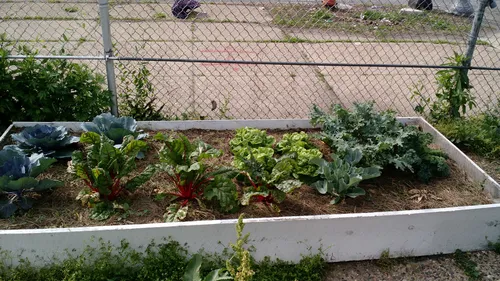
Bennett Compost provides food waste and composting services for restaurants and residents in Philadelphia, PA. The company offers weekly pickups of food scraps and other compostable materials, helping to reduce landfill waste by diverting organic material into nutrient-rich compost. Bennett Compost serves a variety of clients including coffee shops, breweries, florists, offices, and residential buildings, tailoring solutions to different compostable volumes. Founded in 2009 by Tim Bennett and now co-owned with Jennifer Mastalerz, the company diverts over 150 tons of waste each month and supports more than 6,000 households and businesses. Their service includes delivering clean compost bins and premium compost products during pickups.
Trenton Renewables
1600 Lamberton Rd, Trenton, NJ 08611
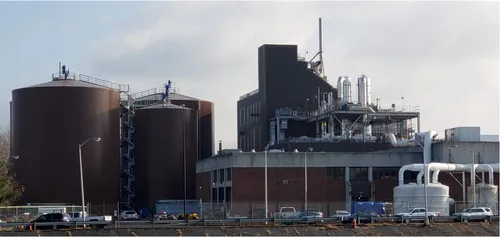
Trenton Renewables is a food waste recycling and renewable energy company based in Trenton, NJ. They serve restaurants and other organizations by managing food waste through anaerobic digestion, converting it into renewable energy, premium compost, and recaptured packaging. The company operates as a Class I Renewable Energy Facility and is qualified under New Jersey's Food Waste Law. Their process helps reduce landfill waste and CO2 emissions while supporting environmental sustainability.
Understanding Your Service Options
Since Hamilton does not provide a direct municipal service for commercial food waste, partnering with a private hauler is the standard path to compliance. Several established providers service the area, offering tailored solutions for restaurants of all sizes.
- Private Haulers: Companies like Java's Compost, Neighborhood Compost, Green Bucket Compost, and Recycle Track Systems (RTS) specialize in commercial organic waste collection 1. Another key player is Ag Choice Organics Recycling, which focuses specifically on food waste recycling services. These providers handle the logistics from container delivery to scheduled pickups.
- Service Flexibility: These companies typically work with you to create a custom plan. This includes determining the appropriate container size and pickup frequency-whether daily, several times a week, or on-demand-based on your kitchen's volume and space constraints.
Setting Up Your On-Site System
A smooth transition to food scrap recycling depends on an efficient and clear internal system. Your chosen hauler will be a partner in this setup.
Container Provision and Placement: Your service provider will supply the collection containers. These often range from 32-gallon to 96-gallon wheeled carts (toters) for smaller volumes, up to larger dumpsters for high-output establishments. Strategic placement is key: a dedicated bin in the prep area, the dishwashing station, and potentially the dining area for busing stations can capture the majority of food waste.
Using Compostable Liners: To keep containers clean and simplify the transfer of waste, most haulers provide or recommend the use of certified compostable bag liners. It is critical to use only liners approved by your hauler, as non-compliant materials can contaminate an entire load.
What Goes In (and What Stays Out)
Clear contamination guidelines are the cornerstone of a successful program. Educating every member of your staff is essential.
Accepted Materials: You can typically compost:
- All food scraps (cooked and uncooked)
- Plate scrapings and post-consumer waste
- Spoiled or expired food
- Coffee grounds and filters
- Tea bags (staples removed)
- Food-soiled paper products like uncoated napkins, paper towels, and pizza boxes (free of wax or plastic lining)
Strict Prohibitions (Contaminants): The following items must be kept out of the food waste bin:
- All plastics, including so-called "compostable" plastics unless explicitly certified and accepted by your processor
- Glass, metal, and Styrofoam
- Liquids, grease, and cooking oils
- Pet waste, diapers, and other non-food organic material 2 3 4 5
Find the perfect composting & food waste companies for your needs
Get personalized recommendations and expert advice
Cost Considerations for Your Business
The investment in food waste recycling is variable and depends on your specific operation. Providers typically structure pricing based on:
- Collection Frequency: More frequent pickups will cost more.
- Container Volume: Larger bins or dumpsters command a higher service fee.
- Hauler Rates: As with any service, rates can vary between companies like Java's Compost, Green Bucket Compost, and Recycle Track Systems 6 7 8.
The most effective way to understand the cost is to contact 2-3 providers for detailed quotes based on your waste assessment. When evaluating quotes, consider the full value, including customer support, reliability, and educational resources for your team.
Building a Sustainable Routine
Implementation goes beyond signing a contract. Integrating new habits into your daily kitchen flow ensures long-term success.
- Staff Training and Buy-In: Hold a kick-off meeting to explain the "why" and the "how." Use clear signage above bins with pictures of accepted and prohibited items. Designate a sustainability champion on your team to monitor the bins and answer questions.
- Monitor and Adjust: Review your bins regularly for contamination. If you see frequent mistakes, retrain the team. Communicate with your hauler; they can often provide feedback on contamination levels and may offer additional guidance.
- Leverage the Benefits: Once your program is running smoothly, promote your commitment to sustainability. It's a powerful message for environmentally conscious customers and can be a point of pride for your staff, knowing they contribute to a greener Hamilton.
Adopting a food scrap recycling program is a proactive step for any Hamilton restaurant. It fulfills regulatory responsibilities, demonstrates environmental leadership, and aligns with broader state goals to reduce landfill use and methane emissions 9. By partnering with a reliable hauler and fostering a culture of waste awareness, your business can turn what was once trash into a valuable resource for compost, closing the loop on your food cycle.
Frequently asked questions
Sources
Footnotes
-
Commercial Services - Neighborhood Compost - https://www.neighborhoodcompost.com/commercial-services ↩
-
NJDEP| Division of Sustainable Waste Management | Food Waste Recycling rules - https://dep.nj.gov/dshw/swpl/fw/food-waste-recycling-rules/ ↩
-
Greener JC Green Business ToolKit - https://greenerjc.org/green-business-toolkit ↩
-
Ag Choice Organics Recycling | Specializing in Food Waste Recycling - http://www.ag-choice.com/ ↩
-
Residential Food Waste Collection In The U.S. - https://www.biocycle.net/residential-food-waste-collection-in-the-u-s/ ↩
-
Commercial Compost Pickup Service - https://www.javascompost.com/commercial-pickup ↩
-
Welcome to Green Bucket Compost - Giving Your Food Waste New ... - https://greenbucketcompost.com/ ↩
-
Commercial Composting & Garden Waste Disposal - https://www.rts.com/waste-type/landscaping-composting/ ↩
-
Organic waste management in New Jersey: Reducing food waste and ... - https://bloustein.rutgers.edu/organic-waste-management-in-new-jersey-reducing-food-waste-and-improving-food-equity/ ↩