Find the Best Composting & Food Waste Companies for Your Business
No obligation • Fast responses • Nationwide coverage

Why you can trust Restaurant Waste Disposal
Restaurant Waste Disposal is a leading U.S. resource for comparing restaurant composting, food-waste recycling, grease trap cleaning, and used cooking oil collection services. Our editorial team researches providers, checks credentials, and organizes unbiased information so operators can make informed decisions. Companies cannot pay to change ratings or placement.
Search providers near you
Top Composting & Food Waste Companies in Hackensack, New Jersey Ranked
For restaurants and food service businesses in Hackensack, managing organic waste is not just an environmental consideration-it's a regulated component of operations. New Jersey has specific mandates for large-scale food waste generators, which directly impacts many establishments in the city. Navigating these rules involves understanding your obligations, evaluating service providers, and implementing effective on-site practices to divert food scraps from the landfill. This guide outlines the pathways available for Hackensack businesses to handle food waste recycling and composting, from state regulations to local hauler options.
Community Compost Company
1501 Madison St, Hoboken, NJ 07030
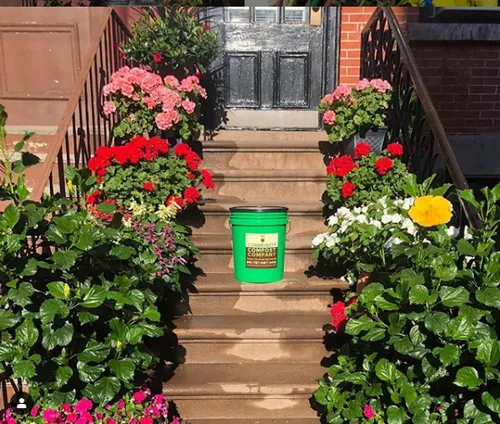
Community Compost Company provides food waste collection and composting services for restaurants and residents in New York, NY. They offer a simple system where customers collect food scraps in provided buckets for weekly pickup. The company recycles all types of food waste, including meats and dairy, transforming it into nutrient-rich compost that supports soil health and reduces landfill waste. Community Compost Company is committed to environmental education and making composting accessible to everyone.

Green Bucket Compost
Woodbridge, NJ
Green Bucket Compost is a food waste and composting service based in Woodbridge, NJ, focused on diverting food waste from landfills through sustainable methods. They work with anaerobic digestion facilities like Trenton Renewables to process all types of food waste, including packaging, turning it into renewable energy and compost. Their services cover residential pickups, commercial food waste management for restaurants, hotels, and schools, as well as municipal drop-off and curbside collection programs across several New Jersey counties and towns. Founded by Isaiah Green, the company emphasizes scalable and efficient waste diversion solutions to support community sustainability goals.
Royal Waste Services
187-40 Hollis Ave, Jamaica, NY 11423
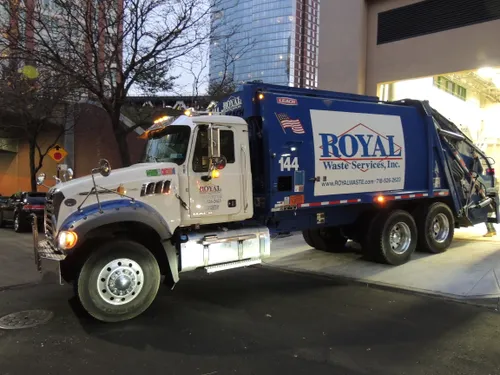
Royal Waste Services provides comprehensive waste management solutions in New York, NY, specializing in food waste composting, trash pickup, single stream recycling, dumpster rentals, and bulk waste removal. Serving Manhattan, Bronx, Brooklyn, and Queens, they operate 24/7 to support businesses with sustainable waste diversion strategies. With over 25 years of experience, Royal Waste owns and operates in-house recycling facilities to ensure environmentally responsible disposal and compliance with NYC commercial recycling laws.
Understanding New Jersey's Food Waste Recycling Mandate
A key driver for commercial food scrap management in Hackensack is New Jersey state law. The Department of Environmental Protection (NJDEP) mandates that large food waste generators must separate and recycle their organic waste. This regulation specifically applies to facilities, including restaurants, that generate an average of 52 tons or more of food waste per year 1. If your establishment falls into this category, you are required to arrange for the recycling of this material through approved methods.
The goal of this mandate is to divert significant volumes of organic material from incinerators and landfills, reducing greenhouse gas emissions and creating valuable compost or renewable energy. For covered businesses, this isn't a voluntary sustainability program; it's a compliance issue. The NJDEP provides guidelines and resources to help businesses understand their responsibilities and find compliant solutions.
Compliance Pathways for Hackensack Restaurants
If your restaurant is subject to the state mandate, or if you simply want to pursue organic waste recycling, you have two primary avenues to achieve compliance and sustainability goals.
Contracting with a Private Hauler
The most common solution for restaurants is to contract with a private waste collection company that offers dedicated food waste recycling services. These haulers provide specialized containers for collecting food scraps and other compostable materials. They then transport the waste to an approved processing facility, such as an industrial composting operation or an anaerobic digester. This option handles the logistics off-site, making it a straightforward choice for many busy food service operations. You will need to research and compare local and regional haulers to arrange for service, container sizes, and pickup frequency.
Implementing On-Site Management
For some businesses, managing food waste on-site can be a viable alternative. This can include backyard composting for smaller volumes of suitable material or installing more advanced systems like in-vessel composters or anaerobic digesters. On-site solutions require an initial investment in equipment and a commitment to proper management but can eliminate hauling fees and create a useful end-product, like compost for landscaping. Any on-site system must meet NJDEP approval to ensure it is managed effectively and does not create nuisances.
Best Practices for Restaurant Food Waste Separation
Successful participation in any food scrap recycling program hinges on proper separation at the source. Contamination with plastics, glass, or other non-compostable items can result in rejected loads and potential fines.
- Train Your Staff: Ensure all kitchen and service staff understand what goes into the food waste bin (e.g., fruit and vegetable scraps, coffee grounds, eggshells, baked goods) and what must be excluded (e.g., plastic wrap, utensils, rubber bands, liquids).
- Use Clear, Dedicated Bins: Place clearly labeled bins in prep areas and near dishwashing stations. Liners, if used, should be certified compostable bags.
- Manage Liquids and Grease: Cooking oils and grease should be collected separately for rendering or biodiesel production-they are not suitable for standard composting programs. Ensure grease traps are maintained regularly to prevent backups and environmental issues.
- Store Containers Properly: Outdoor storage containers should be sturdy, lidded, and kept in a designated area to prevent pests and odors.
Container Options and Logistics
The type of container you'll use depends on your chosen management path.
- For Private Hauler Service: Your hauler will typically supply the containers, which are often large, lidded totes or carts designed for commercial collection. Sizes can range from 64-gallon carts to large dumpsters, depending on your volume.
- For On-Site Composting: You may use a variety of systems, from enclosed tumblers to multi-bin setups. For indoor collection before transferring to an outdoor system, airtight containers like large yogurt tubs or sealed pails are recommended to control odors and pests.
- For General Waste: It's worth noting that Hackensack's municipal code for general trash requires residents and businesses to use watertight containers with tight-fitting lids, not exceeding 32 gallons in capacity, or strong disposable bags. While this applies to refuse, it underscores the importance of proper containment.
Navigating Costs and Schedules
The financial and logistical aspects of food waste recycling are specific to your business arrangement.
- Costs: For commercial services, costs are not fixed and vary by private hauler. Pricing typically depends on the volume of waste, frequency of pickup, and the type of processing facility used. You should obtain quotes from several providers to compare rates. Some businesses find that reducing their garbage hauling frequency due to food waste diversion can offset a portion of the new recycling cost.
- Schedules: Pickup schedules for food waste are set by your contracted hauler. They may coordinate pickups with your existing recycling or trash collection days or establish a separate schedule. You will need to confirm this during the service setup.
Find the perfect composting & food waste companies for your needs
Get personalized recommendations and expert advice
The Broader Context: Residential Composting in Hackensack
While the focus for restaurants is on commercial-scale solutions, understanding local residential programs can provide context and reveal community infrastructure. The City of Hackensack promotes backyard composting for its residents. The Department of Public Works offers resources and likely compost bins for residents to process their own yard trimmings and food scraps at home 2 3. This decentralized approach keeps organic waste local, reducing municipal collection costs and empowering residents.
Residents are advised to use airtight containers for collecting food scraps indoors before adding them to their outdoor compost bin, a practice that restaurants can also adapt for small-scale, on-site systems. Hackensack's municipal garbage and recycling collection operates on a set weekly schedule, which residents and businesses can find on the city's Public Works page. It's important to note that there is no universal municipal curbside collection program for food waste in Hackensack for residents; the primary options are backyard composting or disposal with regular trash 4.
Avoiding Contamination and Ensuring Program Success
Contamination is the biggest threat to any recycling or composting program. For food waste, this means keeping the stream clean of non-organic materials.
- Common Contaminants: Plastics (especially bags and packaging), metals, glass, rubber, and chemically treated wood can ruin a batch of compost and disrupt processing facilities.
- Consequences: Haulers and processors may reject contaminated loads, leading to disposal fees and wasted effort. Persistent contamination can result in non-compliance for mandated businesses 5 6.
- Proactive Measures: Consistent training, clear bin signage, and periodic audits of your food waste bins can dramatically reduce contamination rates. Starting with a simple program (e.g., just fruit/vegetable scraps) and expanding as staff become proficient can also help.
The Value Beyond Compliance
Implementing a robust food waste and composting strategy offers benefits that extend beyond meeting regulatory requirements.
- Cost Insights: Tracking food waste can reveal prep inefficiencies and over-purchasing, leading to direct food cost savings.
- Sustainability Branding: Customers increasingly support businesses with demonstrated environmental commitments. Promoting your food waste recycling efforts can enhance your brand image.
- Environmental Impact: Diverting organic waste reduces methane emissions from landfills and creates nutrient-rich compost that can revitalize soil.
For Hackensack restaurants, engaging with food waste recycling is a step toward operational efficiency, regulatory compliance, and environmental stewardship. By evaluating service providers, training staff, and committing to clean separation, your business can turn a waste stream into a valuable resource.
Frequently asked questions
Sources
Footnotes
-
Sustainability | Recycling Resources - NJDEP - https://dep.nj.gov/sustainability/outreach-and-education/recycling-resources/ ↩
-
program - https://cdnsm5-hosted.civiclive.com/UserFiles/Servers/Server_6189660/File/City%20Hall/Dep.%20of%20Public%20Works/Compost_FAQs_8.11.20.pdf ↩
-
Public Works, Sanitation & Recycling - The City Of Hackensack - https://www.hackensack.org/public-works-sanitation-recycling/ ↩
-
City of Hackensack, NJ Collection and Recycling - eCode360 - https://ecode360.com/10191803 ↩
-
NJDEP| Division of Sustainable Waste Management | Food Waste Recycling rules - https://dep.nj.gov/dshw/swpl/fw/food-waste-recycling-rules/ ↩
-
Recycling | Newark, NJ - https://www.newarknj.gov/231/Recycling ↩