Find the Best Composting & Food Waste Companies for Your Business
No obligation • Fast responses • Nationwide coverage

Why you can trust Restaurant Waste Disposal
Restaurant Waste Disposal is a leading U.S. resource for comparing restaurant composting, food-waste recycling, grease trap cleaning, and used cooking oil collection services. Our editorial team researches providers, checks credentials, and organizes unbiased information so operators can make informed decisions. Companies cannot pay to change ratings or placement.
Search providers near you
Top Composting & Food Waste Companies in Edison, New Jersey Ranked
For restaurants and food service businesses in Edison, managing organic waste is not just an environmental consideration-it's a state-mandated requirement. New Jersey's Food Waste Recycling Law requires large generators, including many restaurants, to divert their food scraps from landfills. This creates an opportunity to turn a disposal challenge into a sustainable practice that can streamline operations and potentially reduce overall waste costs. Successfully implementing a food waste diversion program involves understanding the state rules, partnering with the right commercial hauler, and establishing clear internal protocols for staff. This guide provides the essential information for Edison businesses to navigate commercial composting and food waste recycling.
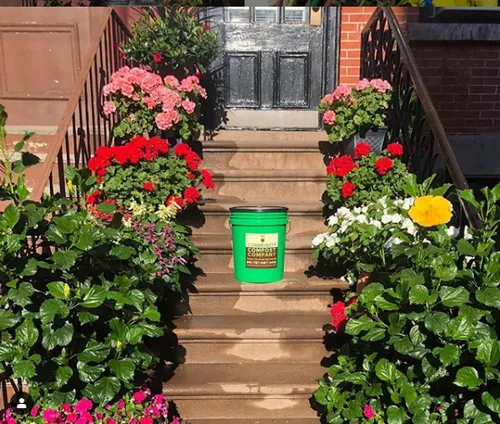
Community Compost Company
1501 Madison St, Hoboken, NJ 07030
Community Compost Company provides food waste collection and composting services for restaurants and residents in New York, NY. They offer a simple system where customers collect food scraps in provided buckets for weekly pickup. The company recycles all types of food waste, including meats and dairy, transforming it into nutrient-rich compost that supports soil health and reduces landfill waste. Community Compost Company is committed to environmental education and making composting accessible to everyone.

Green Bucket Compost
Woodbridge, NJ
Green Bucket Compost is a food waste and composting service based in Woodbridge, NJ, focused on diverting food waste from landfills through sustainable methods. They work with anaerobic digestion facilities like Trenton Renewables to process all types of food waste, including packaging, turning it into renewable energy and compost. Their services cover residential pickups, commercial food waste management for restaurants, hotels, and schools, as well as municipal drop-off and curbside collection programs across several New Jersey counties and towns. Founded by Isaiah Green, the company emphasizes scalable and efficient waste diversion solutions to support community sustainability goals.
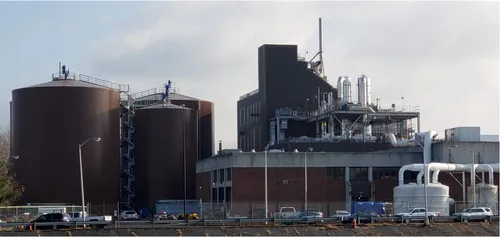
Trenton Renewables
1600 Lamberton Rd, Trenton, NJ 08611
Trenton Renewables is a food waste recycling and renewable energy company based in Trenton, NJ. They serve restaurants and other organizations by managing food waste through anaerobic digestion, converting it into renewable energy, premium compost, and recaptured packaging. The company operates as a Class I Renewable Energy Facility and is qualified under New Jersey's Food Waste Law. Their process helps reduce landfill waste and CO2 emissions while supporting environmental sustainability.
Understanding New Jersey's Mandatory Food Waste Recycling
The foundation of food waste management in Edison is state law. The New Jersey Department of Environmental Protection (NJDEP) mandates that businesses generating 52 or more tons of food waste per year must recycle it. For a typical restaurant, this threshold is roughly equivalent to producing one ton of food scraps per week. The mandate is comprehensive, covering all types of food waste generated in a commercial kitchen, including preparation scraps, spoiled inventory, plate waste, bones, pits, and coffee grounds. This regulation is designed to significantly reduce the volume of organic material sent to landfills, where it decomposes and produces methane, a potent greenhouse gas. Compliance is not optional for covered entities, making it critical for restaurant owners and managers to assess their waste stream and take action.
Who is Affected in Edison?
The law specifically targets large food waste generators. This includes:
- Full-service restaurants with high-volume kitchens.
- Large hotel banquet facilities and conference centers.
- Supermarkets and large grocery stores with significant spoilage.
- Food processors and distributors located within the township.
- Institutional cafeterias in hospitals, universities, or corporate campuses.
If your establishment is near or exceeds the one-ton-per-week benchmark, you are legally required to arrange for organic waste recycling. Even businesses below the mandate can voluntarily participate, often benefiting from reduced trash volumes and demonstrating environmental leadership.
Partnering with Commercial Food Waste Haulers
Unlike residential recycling, Edison does not provide a single municipal composting service for businesses. Compliance is achieved by contracting directly with private waste and recycling companies that offer commercial organics collection. This means you have the flexibility to shop for services that match your specific volume, schedule, and budget needs.
Selecting a Service Provider
The first step is to contact commercial haulers that operate in Middlesex County. National providers like Republic Services and Waste Management offer organics recycling programs, and there are also regional and local haulers familiar with Edison's business landscape. When requesting quotes, be prepared to discuss:
- Your estimated weekly food waste volume.
- Your current trash pickup schedule and costs.
- The layout of your facility for bin placement.
- Any specific challenges, such as limited alley space.
Getting multiple quotes allows you to compare service levels and pricing structures. Remember, the goal is to find a reliable partner that will ensure your organic material is properly transported to a permitted composting facility or anaerobic digester.
Setting Up Your Internal Collection System
A successful program depends on an efficient and user-friendly system inside your restaurant. Contamination-the mixing of non-compostable items with food scraps-is the primary reason programs fail. Clear guidelines and the right containers are key.
Choosing the Right Bins and Containers
Your hauler will provide the exterior collection container, typically a 5 to 10 cubic-yard dumpster or a large wheeled cart dedicated to organics. The internal setup is your responsibility. A common and effective system involves:
- Small Countertop Pails: Place lidded, 2-5 gallon pails in key prep areas and near dishwashing stations. Using certified compostable liner bags makes emptying cleaner and easier.
- Central Collection Bin: A larger, wheeled bin (like a 32-64 gallon "toter") in the back-of-house where staff can empty their small pails. This bin is then taken to the exterior dumpster.
- Clear Signage: Label all containers with simple, picture-based signs showing what is accepted (food scraps, coffee filters, uncoated paper) and what is not (plastic, glass, utensils).
Strict Contamination Guidelines
Educating every team member is non-negotiable. The list of prohibited items is strict to ensure the final compost is clean and usable.
- ACCEPTED: All food scraps (vegetables, fruits, meat, dairy, bones, bread), coffee grounds and filters, tea bags, compostable paper napkins and uncoated paper towels.
- NOT ACCEPTED: Plastic bags (unless certified compostable), packaging, Styrofoam, utensils, glass, metal, rubber bands, twist ties, and any non-organic material.
Haulers and processing facilities will reject heavily contaminated loads, which can lead to extra fees and disrupt your waste management workflow.
Scheduling and Managing Pickups
Collection frequency is a critical operational detail. Food waste is perishable and can create odor and pest issues if stored too long. Most haulers in the Edison area offer weekly pickup for commercial organics, but this can often be adjusted. A high-volume restaurant in a dense area may require twice-weekly service, especially in warmer months. Your schedule should be coordinated closely with your trash pickup to ensure both streams are managed efficiently. The cost of service is directly tied to the volume of your exterior container and how often it is serviced.
Find the perfect composting & food waste companies for your needs
Get personalized recommendations and expert advice
Analyzing the Costs of Food Waste Diversion
A primary concern for any business is cost. Implementing a food waste recycling program involves new expenses but can also lead to savings. Pricing is not fixed and varies significantly based on your chosen hauler, container size, and pickup frequency.
Typical Cost Structure
For a small-to-medium restaurant generator in Edison, monthly costs for organics collection can range from approximately $100 to over $3001. Larger establishments with greater volume will have higher costs. It's important to view this not as a standalone expense but as part of your total waste management budget. A key financial benefit comes from waste stream reduction. By diverting heavy, wet food scraps from your regular trash dumpster, you may be able to:
- Reduce the size of your trash container.
- Decrease the frequency of trash pickups.
- Avoid "overage" charges for heavy trash loads.
When requesting quotes, ask haulers to provide a comparative analysis showing your current trash costs versus a proposed scenario with added organics recycling and reduced trash service. The net cost is often competitive with traditional disposal, and the environmental compliance and brand benefits are significant added value.
Step-by-Step Implementation Plan
Ready to get started? Follow this actionable plan to launch your food waste recycling program.
- Conduct a Waste Audit: Spend a week collecting and weighing your food scraps to accurately estimate your volume. This data is essential for talking to haulers.
- Contact Commercial Haulers: Reach out to at least three providers (e.g., Republic Services, Waste Management, local NJ haulers) for detailed quotes and service proposals.
- Design Your Internal System: Based on your kitchen's workflow, decide where to place collection pails and your central bin. Order compostable liners and create signage.
- Train Your Staff Thoroughly: Hold a mandatory training session for all employees. Explain the "why" (the law, environmental impact) and the "how" (what goes where). Make a manager responsible for monitoring compliance.
- Launch and Monitor: Start the program, collect feedback from staff, and check for contamination in the organics bin during the first few weeks. Adjust your system as needed.
Frequently asked questions
Sources
Footnotes
-
NJDEP| Division of Sustainable Waste Management | Food Waste Recycling rules - https://dep.nj.gov/dshw/swpl/fw/food-waste-recycling-rules/ ↩