Find the Best Composting & Food Waste Companies for Your Business
No obligation • Fast responses • Nationwide coverage

Why you can trust Restaurant Waste Disposal
Restaurant Waste Disposal is a leading U.S. resource for comparing restaurant composting, food-waste recycling, grease trap cleaning, and used cooking oil collection services. Our editorial team researches providers, checks credentials, and organizes unbiased information so operators can make informed decisions. Companies cannot pay to change ratings or placement.
Search providers near you
Top Composting & Food Waste Companies in East Orange, New Jersey Ranked
For restaurants and food service businesses in East Orange, managing organic waste is not just an environmental consideration-it's a state-mandated requirement. New Jersey's Organic Waste Ban and Recycling Act sets clear rules for large generators of food scraps, requiring them to source-separate and recycle this material. As a commercial entity, your operation must navigate private-sector hauling services to achieve compliance, turning what was once trash into a valuable, recycled resource. This guide outlines the essential steps, from understanding the law to selecting a service provider and implementing an effective organics diversion program.
Community Compost Company
1501 Madison St, Hoboken, NJ 07030
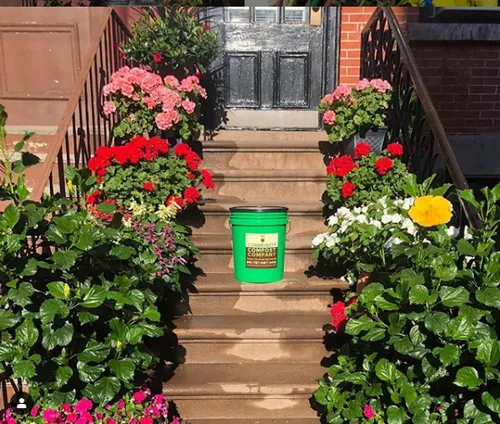
Community Compost Company provides food waste collection and composting services for restaurants and residents in New York, NY. They offer a simple system where customers collect food scraps in provided buckets for weekly pickup. The company recycles all types of food waste, including meats and dairy, transforming it into nutrient-rich compost that supports soil health and reduces landfill waste. Community Compost Company is committed to environmental education and making composting accessible to everyone.

Green Bucket Compost
Woodbridge, NJ
Green Bucket Compost is a food waste and composting service based in Woodbridge, NJ, focused on diverting food waste from landfills through sustainable methods. They work with anaerobic digestion facilities like Trenton Renewables to process all types of food waste, including packaging, turning it into renewable energy and compost. Their services cover residential pickups, commercial food waste management for restaurants, hotels, and schools, as well as municipal drop-off and curbside collection programs across several New Jersey counties and towns. Founded by Isaiah Green, the company emphasizes scalable and efficient waste diversion solutions to support community sustainability goals.
Royal Waste Services
187-40 Hollis Ave, Jamaica, NY 11423
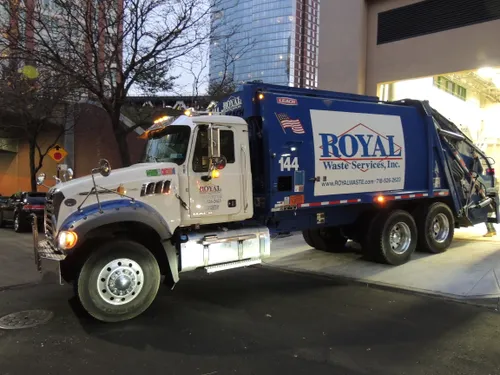
Royal Waste Services provides comprehensive waste management solutions in New York, NY, specializing in food waste composting, trash pickup, single stream recycling, dumpster rentals, and bulk waste removal. Serving Manhattan, Bronx, Brooklyn, and Queens, they operate 24/7 to support businesses with sustainable waste diversion strategies. With over 25 years of experience, Royal Waste owns and operates in-house recycling facilities to ensure environmentally responsible disposal and compliance with NYC commercial recycling laws.
Understanding New Jersey's Food Waste Recycling Mandate
The foundation of food scrap recycling in East Orange is state law, specifically regulations from the New Jersey Department of Environmental Protection (NJDEP). The mandate targets "large food waste generators," defined as businesses that produce 52 or more tons of food waste per year. This typically includes restaurants, supermarkets, hotels, hospitals, and large catering operations. If your establishment falls into this category and is located within 25 road miles of an authorized organics recycling facility, you are legally required to separate your food waste from the general trash stream for recycling.
This law is designed to divert significant volumes of organic material from landfills, where it decomposes and produces methane, a potent greenhouse gas. By recycling food scraps through composting or anaerobic digestion, this material is transformed into nutrient-rich soil amendments or renewable energy. For covered businesses in East Orange, compliance is non-optional and involves contracting with a private hauler, as the city itself does not provide a municipal commercial food waste collection service 1.
Are You a "Large Food Waste Generator"? Assessing Your Volume
The first step is to determine if your restaurant meets the 52-ton annual threshold. While this may sound like a massive amount, it can accumulate quickly in a busy food service environment. A useful rule of thumb is that one ton is roughly equivalent to 2,000 pounds. To estimate your output, consider tracking your food prep waste, spoiled inventory, and customer plate scraps over a week. Factors like your seating capacity, menu type, and average daily covers will significantly impact your total. If you are close to or exceed the threshold, proactive compliance is the best course of action to avoid potential penalties and contribute to statewide sustainability goals.
Navigating Private Hauling Services for Organics
Since East Orange relies on the private market for commercial organics collection, your next step is to research and contract with a licensed waste hauler that offers food scrap recycling services in the area. National providers like Waste Management and regional specialists such as RTS operate in New Jersey and can provide the necessary containers, schedules, and transportation to permitted composting or anaerobic digestion facilities 2.
When evaluating haulers, it's crucial to request detailed quotes and understand the service parameters. Key questions to ask include:
- What is the monthly cost for collection and processing?
- What container sizes (e.g., 32, 64, or 96-gallon carts) are provided?
- How frequently will pickups occur (daily, weekly, etc.)?
- What is the hauler's policy on contamination?
- Can they provide documentation for compliance reporting?
Costs can vary widely, often ranging from $100 to several hundred dollars monthly, depending on your volume, pickup frequency, and the distance to the processing facility 3.
Find the perfect composting & food waste companies for your needs
Get personalized recommendations and expert advice
Setting Up Your Kitchen for Success: Containers and What to Recycle
A successful organics diversion program hinges on proper setup and clear guidelines. Your hauler will typically supply dedicated, lidded carts (often with wheels for easy movement) for food waste collection outdoors. Inside your kitchen, you'll need smaller, clearly labeled bins at every prep station and dishwashing area to capture scraps at the source.
Knowing what materials are accepted is critical to avoid contamination, which can lead to rejected loads and additional fees. The following list provides a general guideline:
Accepted Food Scraps:
- Fruit and vegetable peels/trimmings
- Meat, fish, and bones
- Dairy products and eggshells
- Bread, pasta, and grains
- Coffee grounds and filters
- Tea bags (without staples)
- Soiled, non-coated paper products like napkins, paper towels, and unlined paper plates
Common Contaminants to Exclude:
- Plastic bags (unless certified compostable by your hauler)
- Liquids, oils, and grease
- Styrofoam and plastic packaging
- Metal, glass, and rubber
- Any non-organic trash 4
Training Your Team and Maintaining Compliance
The final, ongoing piece of the puzzle is staff training and engagement. Every team member, from the head chef to the bus staff, must understand the new sorting procedures. Visual aids posted above bins, initial training sessions, and regular refreshers can dramatically reduce contamination rates. Emphasize the "why"-explaining the environmental benefits and legal requirements helps foster buy-in. A well-trained team ensures your establishment remains in compliance, avoids contamination fees, and maximizes the positive impact of your food waste recycling efforts 5 6.
The Broader Impact: Beyond Compliance
Participating in organics recycling extends benefits beyond meeting state regulations. It demonstrates a commitment to environmental stewardship that can resonate with customers and the community. Diverting food waste can also provide insights into your kitchen's efficiency, potentially revealing opportunities to reduce over-purchasing or improve inventory management. By embracing food scrap recycling, East Orange restaurants play a direct role in New Jersey's sustainability future, helping to create renewable energy and compost that can nourish local soils 7.
Frequently asked questions
Sources
Footnotes
-
New York and New Jersey Food Waste Recycling and Disposal ... - https://www.cullenllp.com/blog/new-york-and-new-jersey-food-waste-recycling-and-disposal-regulatory-update/ ↩
-
Solid Waste - City of East Orange, NJ - eCode360 - https://ecode360.com/9564050 ↩
-
How to recycle food waste in New Jersey - A guide - https://www.rts.com/blog/how-to-recycle-food-waste-in-new-jersey-a-guide/ ↩
-
Garbage collection guidelines and schedule - Somerville, NJ - https://www.somervillenj.org/garbage-collection-guidelines-and-schedule/ ↩
-
NJDEP| Division of Sustainable Waste Management | Food Waste Recycling rules - https://dep.nj.gov/dshw/swpl/fw/food-waste-recycling-rules/ ↩
-
Sustainability | Recycling Resources - NJDEP - https://dep.nj.gov/sustainability/outreach-and-education/recycling-resources/ ↩
-
Organic waste management in New Jersey: Reducing food waste and ... - https://bloustein.rutgers.edu/organic-waste-management-in-new-jersey-reducing-food-waste-and-improving-food-equity/ ↩