Find the Best Composting & Food Waste Companies for Your Business
No obligation • Fast responses • Nationwide coverage

Why you can trust Restaurant Waste Disposal
Restaurant Waste Disposal is a leading U.S. resource for comparing restaurant composting, food-waste recycling, grease trap cleaning, and used cooking oil collection services. Our editorial team researches providers, checks credentials, and organizes unbiased information so operators can make informed decisions. Companies cannot pay to change ratings or placement.
Search providers near you
Top Composting & Food Waste Companies in East Brunswick, New Jersey Ranked
For restaurants and food service businesses in East Brunswick, managing organic waste is both an environmental responsibility and, for many, a legal requirement. New Jersey's progressive food waste recycling rules mandate that large generators divert organic material from landfills, turning potential waste into valuable compost or energy. Navigating the options for commercial composting, food scrap collection, and grease trap services can streamline operations, reduce your environmental footprint, and ensure compliance with state and local regulations. This guide outlines the essential steps, from understanding the mandates to selecting a service provider that fits your business's specific needs.

Green Bucket Compost
Woodbridge, NJ
Green Bucket Compost is a food waste and composting service based in Woodbridge, NJ, focused on diverting food waste from landfills through sustainable methods. They work with anaerobic digestion facilities like Trenton Renewables to process all types of food waste, including packaging, turning it into renewable energy and compost. Their services cover residential pickups, commercial food waste management for restaurants, hotels, and schools, as well as municipal drop-off and curbside collection programs across several New Jersey counties and towns. Founded by Isaiah Green, the company emphasizes scalable and efficient waste diversion solutions to support community sustainability goals.
Trenton Renewables
1600 Lamberton Rd, Trenton, NJ 08611
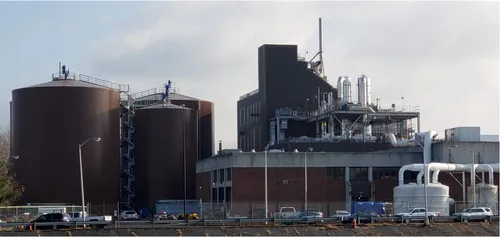
Trenton Renewables is a food waste recycling and renewable energy company based in Trenton, NJ. They serve restaurants and other organizations by managing food waste through anaerobic digestion, converting it into renewable energy, premium compost, and recaptured packaging. The company operates as a Class I Renewable Energy Facility and is qualified under New Jersey's Food Waste Law. Their process helps reduce landfill waste and CO2 emissions while supporting environmental sustainability.
Understanding New Jersey's Mandatory Recycling Rules
The cornerstone of organic waste management for New Jersey businesses is the Department of Environmental Protection's (NJDEP) food waste recycling rules. These regulations specifically target large generators-businesses that produce 52 tons or more of food waste per year, which is roughly equivalent to one ton per week. If your East Brunswick restaurant falls into this category and is located within 25 road miles of an authorized recycling facility, you are legally required to separate and recycle your food scraps.
This mandate is designed to significantly reduce the volume of material sent to landfills, where decomposing organics produce methane, a potent greenhouse gas. For businesses not meeting the 52-ton threshold, participation in organic waste recycling is voluntary but highly encouraged. Many smaller restaurants and cafes find that voluntary programs enhance their sustainability profile and can sometimes lead to cost savings on traditional waste disposal.
Service Options for Organic Waste Collection
Businesses in East Brunswick have several pathways for managing their food scraps and compostable materials. The right choice depends on your volume, budget, and operational preferences.
Commercial Waste Haulers: Major national and regional waste management companies, such as Waste Management and Republic Services, often provide commercial organic waste collection as part of their service portfolios. These providers can be a convenient one-stop shop if you already use them for trash and recycling.
Specialized Composting Services: Dedicated organics recyclers like CompostNow or Cycle to Rethink offer tailored programs focused solely on food waste. These services often provide more detailed diversion reports and may have partnerships with local farms or community gardens that use the finished compost, offering a compelling local sustainability story for your business.
Municipal Guidance: While less common for high-volume commercial pickup, it's always wise to check with the Township of East Brunswick's Public Works or Recycling department for a list of approved or recommended haulers and any local guidelines that may apply to your business.
Setting Up Your Commercial Composting System
Implementing a successful organics diversion program requires the right equipment and internal processes. The first physical component is the collection container. Haulers typically provide 64-gallon wheeled carts or larger dumpsters (e.g., 96-gallon or 2-yard bins) with secure, locking lids to prevent pests and contain odors 1.
Pickup frequency is a key logistical decision. For a busy restaurant generating significant food prep waste, weekly service is most common. Establishments with lower volume might opt for bi-weekly pickups. Your schedule will directly impact the size and number of containers you need.
Internally, success hinges on staff training and convenient collection points. Place clearly labeled, smaller collection bins in key areas like the prep kitchen, dishwashing station, and behind the counter. Consistent training on what is and isn't acceptable prevents contamination, which can lead to rejected loads or additional fees.
Find the perfect composting & food waste companies for your needs
Get personalized recommendations and expert advice
What Can and Cannot Go in the Compost Bin
Strict contamination rules are critical for the composting process. A single non-compostable item can spoil an entire batch. Here's a general guide, but always confirm the specific list with your chosen hauler, as facility capabilities can vary 2 3.
YES - Acceptable Materials:
- All food scraps: Fruits, vegetables, meat, bones, dairy, bread, and cooked foods.
- Coffee grounds and filters, tea bags (staples removed if possible).
- Food-soiled paper: Uncoated paper napkins, plates, pizza boxes (grease-stained parts), and parchment paper.
- Certified compostable products: Look for the BPI (Biodegradable Products Institute) or ASTM D6400 certification on cutlery, cups, and liners.
- Yard waste (if accepted by your hauler).
NO - Common Contaminants:
- Plastic bags (unless certified compostable), wrappers, or film.
- Styrofoam, glass, metal, or rubber.
- Liquids, oils, or grease (these require separate handling).
- "Compostable" plastics that are not BPI/ASTM certified.
- Sanitary products or pet waste.
Cost Considerations for Food Waste Recycling
Pricing for commercial organics collection is typically subscription-based, with costs depending on several variables. Primary factors include the size of your collection container, the frequency of pickup, and your geographic location. For a small to medium-sized restaurant in East Brunswick, monthly costs can range from approximately $50 to over $200 4.
While this is a new line item, it's important to view it holistically. Diverting heavy, wet food waste from your standard trash dumpster may allow you to downsize your garbage service or reduce pickup frequency, offsetting some of the cost of the composting service. Some businesses also find value in the marketing and customer goodwill generated by a visible commitment to sustainability.
Steps to Start a Program in East Brunswick
- Contact the Township: Begin by reaching out to East Brunswick's Public Works or Recycling coordinator. They can provide the most current local information, any township-specific requirements, and may have resources or recommendations for service providers 5 6.
- Conduct a Waste Audit: Spend a week tracking your food waste. Weigh prep scraps, plate waste, and expired food. This will give you a clear picture of your weekly volume, which is essential for getting accurate quotes and determining if you meet the 52-ton mandate.
- Research and Get Quotes: Contact at least 2-3 service providers. This should include both large commercial haulers and specialized composters. Ask for detailed quotes that include all fees, a list of acceptable materials, container options, and pickup schedules.
- Train Your Team: Before the first pickup, train every staff member. Use clear signage and explain the why behind the program to encourage buy-in. Designate a team lead to monitor the bins and answer questions.
- Launch and Refine: Start your service and review the process after the first few pickups. Are bins too full or not full enough? Is contamination an issue? Be prepared to adjust container placement, size, or training as needed.
Frequently asked questions
Sources
Footnotes
-
Organic waste management in New Jersey: Reducing food waste and ... - https://bloustein.rutgers.edu/organic-waste-management-in-new-jersey-reducing-food-waste-and-improving-food-equity/ ↩
-
Recycling Pick-up | Tenafly, NJ - https://www.tenaflynj.gov/185/Recycling-Pick-up ↩
-
Recycling - The Official Website of The Township of Long Hill, NJ - https://www.longhillnj.gov/pages/recycling ↩
-
Food Waste Recycling rules - https://dep.nj.gov/dshw/swpl/fw/food-waste-recycling-rules/ ↩
-
Township of East Brunswick, NJ Garbage, Refuse ... - eCode360 - https://ecode360.com/34782033 ↩
-
Recycling 101: What Goes in the Bin and What Doesn't in East Brunswick - https://www.instagram.com/reel/DNk_XY1AulW/ ↩